
 By Raul Delapena Setiawan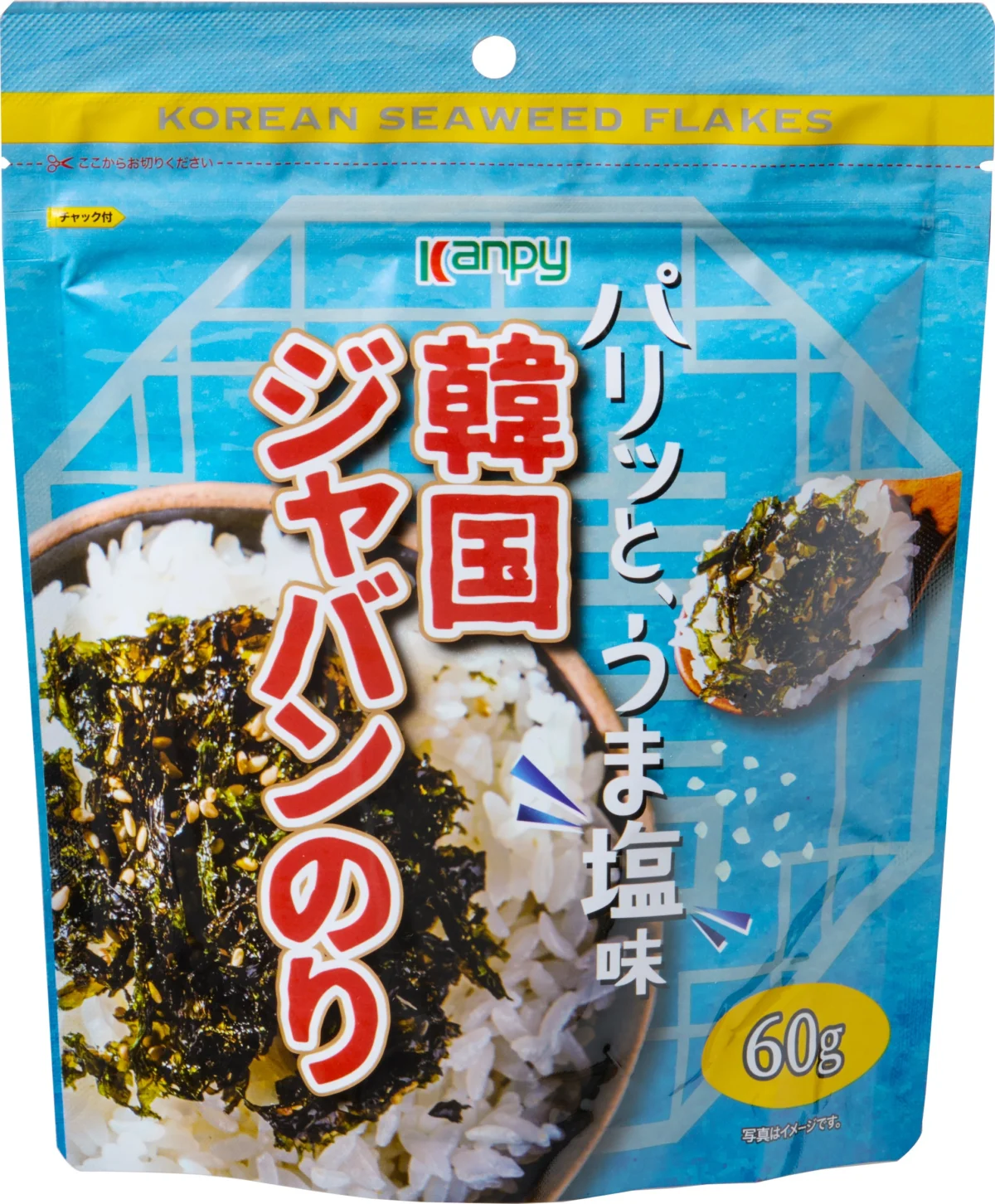
KOBE, Japan – Kato Sangyo Co., Ltd., a major player in the Japanese food wholesale and manufacturing sector, has officially announced a series of price adjustments for its flagship "Kanpy" brand. Citing the ongoing volatility in global raw material markets and the sustained rise in logistics and production overheads, the company will implement these changes effective September 1, 2026. This move, which impacts a wide range of consumer goods, reflects the broader inflationary pressures currently facing the Japanese food industry.
Executive Summary: The Scope of Change
Kato Sangyo’s decision to revise prices is not an isolated event but rather a calculated response to the persistent economic challenges that have characterized the food manufacturing landscape over the past several years. The "Kanpy" brand, which has long been a household staple in Japan, will see price increases across several key product lines, specifically targeting spreads and jams.
The company stated that while it has made every effort to absorb the escalating costs through operational efficiencies and supply chain optimization, the threshold of viability has been reached. To maintain the quality standards and steady supply that consumers expect, a price adjustment is deemed necessary.
Chronology of Market Pressures
The Road to Adjustment
The decision-making process at Kato Sangyo did not happen overnight. The company has been monitoring several critical factors that have necessitated this shift:
- 2024–2025: The Surge in Raw Material Costs: The global market for fruit and sugar—primary ingredients for Kanpy’s extensive range of jams—saw significant price hikes due to climate-related agricultural disruptions and fluctuating commodity market values.
- Early 2026: Logistical Overheads: As the "2024 Problem" in the Japanese logistics sector (referring to stricter labor regulations for drivers) fully matured, the cost of transporting goods from processing facilities to retail shelves saw a sharp increase.
- Mid-2026: Final Review: By the second quarter of 2026, Kato Sangyo’s internal audits indicated that the current wholesale prices were no longer sustainable. The management team initiated a comprehensive review of all product categories, ultimately selecting specific items for price revisions starting in September.
Supporting Data: Product Breakdown
The price adjustments are primarily focused on the core spread product lines. Consumers and retail partners should take note of the following specifics regarding the affected units:
Affected Product Categories
The primary focus of the revision involves the 40g and 60g individual serving-size containers of Kanpy jams. These units are highly popular in hospitality, convenience, and household settings.
| Product Type | Specification | New Suggested Retail Price (Excl. Tax) |
|---|---|---|
| Kanpy Spreads (Individual) | 40g | 395 JPY |
| Kanpy Spreads (Individual) | 60g | 498 JPY |
Note: Prices indicated are the manufacturer’s suggested retail prices. Actual shelf prices may vary depending on the retail establishment.
Official Stance and Corporate Philosophy
In a formal statement, Kato Sangyo emphasized its commitment to the "Kanpy" brand’s legacy. The company stated, "We are acutely aware of the impact these changes have on our customers’ daily lives. Our mission remains to provide delicious, safe, and reliable food products. These price revisions are a painful but essential step to ensure the long-term sustainability of our production lines."
The company noted that it has exhausted nearly all avenues for cost-cutting before deciding to pass the burden onto the consumer. From automating packing processes to renegotiating supplier contracts, Kato Sangyo has attempted to shield the market from inflation for as long as possible.
Implications for the Market and Consumers
Impact on Retail and Household Budgets
For the average Japanese household, the increase in jam prices is reflective of the "everything index" rising. While individual adjustments might seem incremental, the cumulative effect of these price hikes across various food categories contributes to the ongoing cost-of-living challenge.
The Wholesale Perspective
As a major wholesaler, Kato Sangyo’s move serves as a bellwether for the rest of the industry. Analysts suggest that other manufacturers within the spreads and preserves segment are likely to follow suit by the end of the year if raw material costs do not stabilize. Retailers, meanwhile, will face the task of managing consumer sentiment while balancing their own margins.
Strategic Shifts in Consumption
Industry experts predict that consumers may shift their purchasing habits, perhaps opting for larger, more economical containers over the 40g/60g single-serve units, or exploring private-label alternatives. However, the brand equity of Kanpy remains high, and many analysts believe customer loyalty will remain resilient despite the price shift.
Communication and Transparency
Kato Sangyo has taken proactive steps to ensure that all stakeholders are informed well in advance of the September 1 deadline. By utilizing their official website and social media channels (X and Instagram), the company is providing clear communication to avoid market confusion.
Contact Information for Inquiries
For further details regarding these changes, the company has provided two primary points of contact for different divisions:
- Kanpy Product/Wholesale Inquiries:
- Phone: 0120-708-535
- Hours: 9:00 – 17:00 (Excluding Saturdays, Sundays, and public holidays)
- General Corporate/Regional Inquiries:
- Phone: 0798-33-7677
- Hours: 9:00 – 17:00 (Excluding Saturdays, Sundays, and public holidays)
Corporate Website: https://www.katosangyo.co.jp/
Future Outlook
Looking toward the remainder of 2026 and into 2027, the focus for Kato Sangyo will be on "Value Optimization." The company is investing in new research and development aimed at improving product shelf life and diversifying raw material sourcing to mitigate the risk of future supply chain shocks.
The decision to revise prices is, in many ways, a defensive maneuver meant to protect the brand’s integrity. By acknowledging the reality of the economic climate, Kato Sangyo is positioning itself to weather the storm while continuing to innovate in the food sector. As the September 1, 2026, deadline approaches, market observers will be watching closely to see how the broader food industry adjusts to these new price benchmarks.
The company remains dedicated to its social responsibility, promising to continue its efforts in minimizing waste and maximizing logistical efficiency, ensuring that the Kanpy brand remains a synonymous name with quality in the Japanese market for years to come.

 Reynand Wu
  Siti Muinah
  Asep Darmawan
