
 By Basiran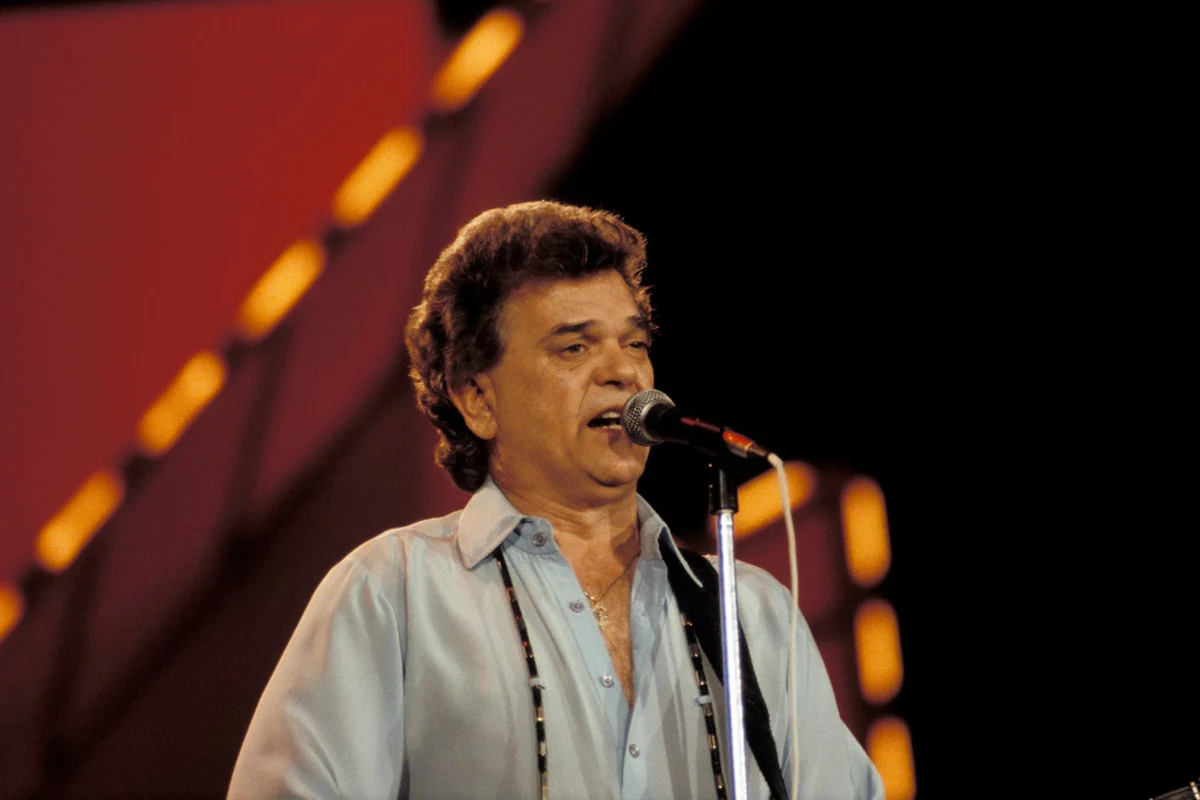
Conway Twitty, a titan of country music whose career spanned decades and transcended genre boundaries, achieved a significant chart milestone with his hit song "Desperado Love." This particular recording, released in 1986, marked the 40th number-one single of his illustrious career on Billboard’s Hot Country Songs chart, a feat that solidified his legendary status and set a benchmark for country artists to follow. This achievement is not merely a statistic; it represents a culmination of a remarkable journey that began with a young Harold Jenkins, who would later become the iconic Conway Twitty.
The narrative of "Desperado Love" and its impact on the Billboard charts is intrinsically linked to Twitty’s evolving career. Initially, Twitty found fame not in the twangy landscapes of country music, but in the vibrant world of pop. His early career saw him chart on the all-format Billboard Hot 100, with his rock and roll rendition of "It’s Only Make Believe" soaring to the number one spot in November 1958. This early success demonstrated his vocal prowess and versatility, but it was his subsequent embrace of country music that would truly define his legacy and lead to his unprecedented chart dominance.
The genesis of "Desperado Love" itself is a compelling story, rooted in the songwriting journey of Sammy Johns. Johns, a North Carolina native, had already tasted national success on the pop charts. In 1975, his song "Chevy Van" had climbed to number five on the Billboard Hot 100, showcasing his ability to craft memorable melodies and relatable narratives. However, Johns’ artistic path, much like Twitty’s, involved a significant pivot towards country music.
"Desperado Love" emerged from a period of personal adversity for Sammy Johns. Facing the potential loss of his home and grappling with depression, he turned to alcohol to cope with his despair. It was during this dark period that he found solace and inspiration in songwriting, seeking to channel his misery into art. The raw emotion of his situation, the feeling of desperation, coalesced into the concept of a "desperado," a theme that would resonate deeply with country music audiences. This personal struggle, transformed into a poignant ballad, became the foundation for a song that would achieve enduring success.
When Conway Twitty decided to record "Desperado Love," he brought his signature vocal style and emotional depth to the track. The song was co-produced by Dee Henry, who would later become Twitty’s wife in 1987, and Ron Treat. The recording sessions also featured an appearance by Vince Gill, who provided backing vocals, adding another layer of musical talent to the project. Released as the lead single from Twitty’s Warner Bros. album Fallin’ for You for Years, "Desperado Love" made its debut on the Billboard Hot Country Songs chart on June 7, 1986. Its ascent to the number one position was a testament to its enduring appeal, reaching the top spot on September 6, 1986, precisely three months after its initial charting.
The significance of "Desperado Love" reaching number one cannot be overstated. It represented Conway Twitty’s 40th number-one hit on the Hot Country Songs chart. This achievement placed him in an elite echelon of country music artists, a position few had ever reached. At the time of its release, no other artist had amassed such a commanding collection of chart-toppers in the genre. This milestone underscored Twitty’s consistent ability to connect with country music fans through his heartfelt performances and carefully chosen repertoire.
A Legacy of Chart Dominance: The 40th Number One
The achievement of 40 number-one hits on the Hot Country Songs chart is a remarkable testament to Conway Twitty’s enduring popularity and his profound impact on the genre. This number places him second only to George Strait, who holds the record with 44 number-one singles. The sheer consistency of Twitty’s success over several decades highlights his ability to adapt to changing musical trends while remaining true to the core values of country music.
To put this achievement into historical context, consider the landscape of country music during Twitty’s peak. Artists often achieved one or two number-one hits throughout their careers, making the accumulation of 40 a truly monumental undertaking. It signifies not just individual song success, but a sustained connection with the audience and a keen understanding of what resonated with country music radio programmers and listeners.
The artists who have achieved such a high number of chart-toppers are often considered the defining voices of their respective eras. For Twitty, his 40 number ones represent a career-long dedication to his craft and an unwavering commitment to delivering music that touched the hearts of millions. His journey from a pop sensation to a country music icon is a narrative of reinvention and artistic evolution that culminated in this extraordinary chart accomplishment.
The Road to "Desperado Love" and Beyond
Conway Twitty’s musical journey began long before "Desperado Love." Born Harold Jenkins in Mississippi on August 1, 1933, he displayed an early aptitude for music. His initial foray into the music industry was in the burgeoning rock and roll scene of the late 1950s. Under the stage name Conway Twitty, he adopted a sound that blended elements of rockabilly and early rock and roll. His breakthrough came with "It’s Only Make Believe," a song he co-wrote, which became a massive hit in 1958, topping the Billboard Hot 100. This early success provided him with a national platform and established him as a promising young artist.
However, the allure of country music proved too strong to resist. By the mid-1960s, Twitty began to shift his focus towards country, a genre that seemed to be a more natural fit for his rich baritone voice and his penchant for heartfelt ballads. His transition was remarkably smooth, and he quickly found success on the country charts. His early country hits included songs like "Walking the Floor Over You" and "Next in Line," which established him as a formidable presence in the genre.
Throughout the late 1960s, 1970s, and into the 1980s, Twitty consistently released chart-topping singles and albums. He became known for his romantic, often melancholic, love songs, which resonated deeply with a broad audience. His ability to convey emotion and tell stories through his music made him a beloved figure in country music. He was a prolific recording artist, releasing albums at a rapid pace and maintaining a strong presence on the charts year after year.
The success of "Desperado Love" as his 40th number one came at a later stage in his career. While it marked the end of his reign at the top of the Hot Country Songs chart, it did not signify a decline in his popularity. Following this milestone, Twitty continued to release music that performed exceptionally well. His next eight singles all reached the top 10 of the Hot Country Songs chart, demonstrating his continued relevance and appeal. Among these were three singles that peaked at number two in 1987: "Fallin’ for You for Years" (the title track of the album from which "Desperado Love" was released), "Julia," and "I Want To Know You Before We Make Love." These singles, while not reaching number one, still achieved significant commercial success and solidified his position as a top-tier artist.
His final appearance on the Billboard charts was in 1991 with the song "I Couldn’t See You Leavin’." This song’s presence on the charts, even if not reaching the top tier, marked the closing chapter of a remarkable chart history.
The Legacy of "Desperado Love" and Twitty’s Enduring Influence
"Desperado Love" stands as more than just a chart statistic; it represents a pivotal moment in Conway Twitty’s career and a lasting contribution to country music. The song’s success, driven by its emotional depth and Twitty’s masterful delivery, showcased his enduring ability to connect with audiences. The fact that it was his 40th number one underscored his unparalleled dominance on the country charts.
The song’s origin story, born from Sammy Johns’ personal struggles, adds another layer of depth. It speaks to the power of music to transform pain into art and to find universal themes in individual experiences. The collaboration between Johns and Twitty, two artists who had both navigated shifts in genre, highlights the fluidity of musical expression and the ability of talented individuals to find success across different styles.
Conway Twitty’s impact extends beyond his chart achievements. He became a symbol of traditional country music values while also embracing a polished, modern sound. His smooth vocal delivery, his stage presence, and his dedication to his fans made him a beloved figure. He paved the way for future generations of country artists, demonstrating the importance of vocal performance, songwriting, and a genuine connection with the audience.
Tragically, Conway Twitty passed away on June 5, 1993, at the age of 59. His death left a void in the country music world, but his legacy continues to thrive. His extensive catalog of music remains popular, and his influence can still be heard in the work of contemporary country artists. In recognition of his profound contributions, Conway Twitty was posthumously inducted into the Country Music Hall of Fame in 1999, alongside Johnny Bond and Dolly Parton, further cementing his place as one of the all-time greats of country music. The story of "Desperado Love" and its role in his 40th number one is a powerful chapter in the ongoing narrative of his legendary career.

