
 By Nana Wu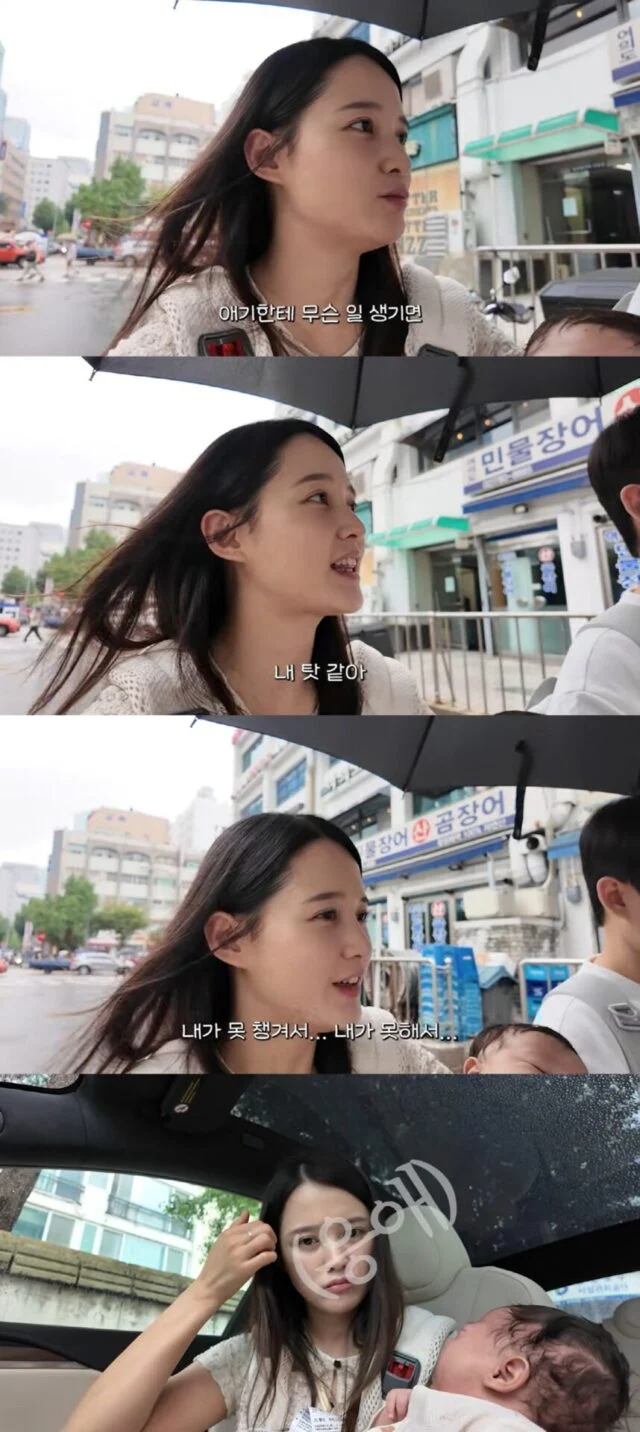
South Korean actress Nam Bo Ra, widely recognized for her long-standing career in television and film as well as her unique family background, has recently opened up about the profound challenges and emotional complexities of early motherhood. In a candid video shared via her personal YouTube channel on September 4, the actress documented a significant milestone for her two-month-old son, while simultaneously expressing the deep-seated feelings of responsibility and occasional guilt that have characterized her transition into parenting. The video, titled “A sleepless dawn for moms… 2-month-old infant parenting diary,” offers an unfiltered look at the daily realities of childcare, moving beyond the polished exterior often associated with celebrity life to highlight the universal anxieties of new parents.
The vlog primarily focuses on a visit to a local pediatric clinic for the infant’s second round of scheduled vaccinations. Throughout the footage, Nam Bo Ra is seen navigating the logistical and emotional hurdles of the day, providing a narrative that resonates with many in the parenting community. The actress, who married a non-celebrity businessman in early 2025 and welcomed her son in June of the same year, has been progressively sharing her journey with her audience, building a platform that balances her professional identity with her new role as a primary caregiver.
The Emotional Weight of Routine Medical Milestones
The central event of the update was the administration of the two-month vaccinations, a standard but often stressful requirement for infants. In South Korea, the two-month mark typically involves a series of critical immunizations, including the DTaP (diphtheria, tetanus, and acellular pertussis), IPV (polio), Hib (Haemophilus influenzae type b), and PCV (pneumococcal conjugate vaccine), alongside the rotavirus oral vaccine. For a first-time mother, the prospect of witnessing her child undergo multiple injections can be a source of significant distress.
Nam Bo Ra expressed these exact sentiments as she prepared for the appointment. Addressing the camera, she noted her son’s nickname, "Kongal," and shared her apprehension regarding the procedure. She remarked on her own nervousness surrounding needles, which amplified her empathy for her son’s impending discomfort. “Today is the day Kongal gets his shots. He had his first vaccination after birth, and today is the second round. He’s getting quite a few shots, and I’m nervous about getting vaccinated myself, so I wonder how much it will hurt him,” she stated, capturing a moment of maternal vulnerability.
Upon arrival at the hospital, the actress paused filming to focus entirely on her son during the medical procedure. Following the appointment, she reported a sense of relief, noting that the infant had handled the injections with more resilience than she had anticipated. Despite the brief moment of crying that typically follows a needle prick, she praised his "bravery," reflecting a common psychological pivot parents make from anxiety to pride once a difficult task is completed.
Navigating Growth Charts and Developmental Anxiety
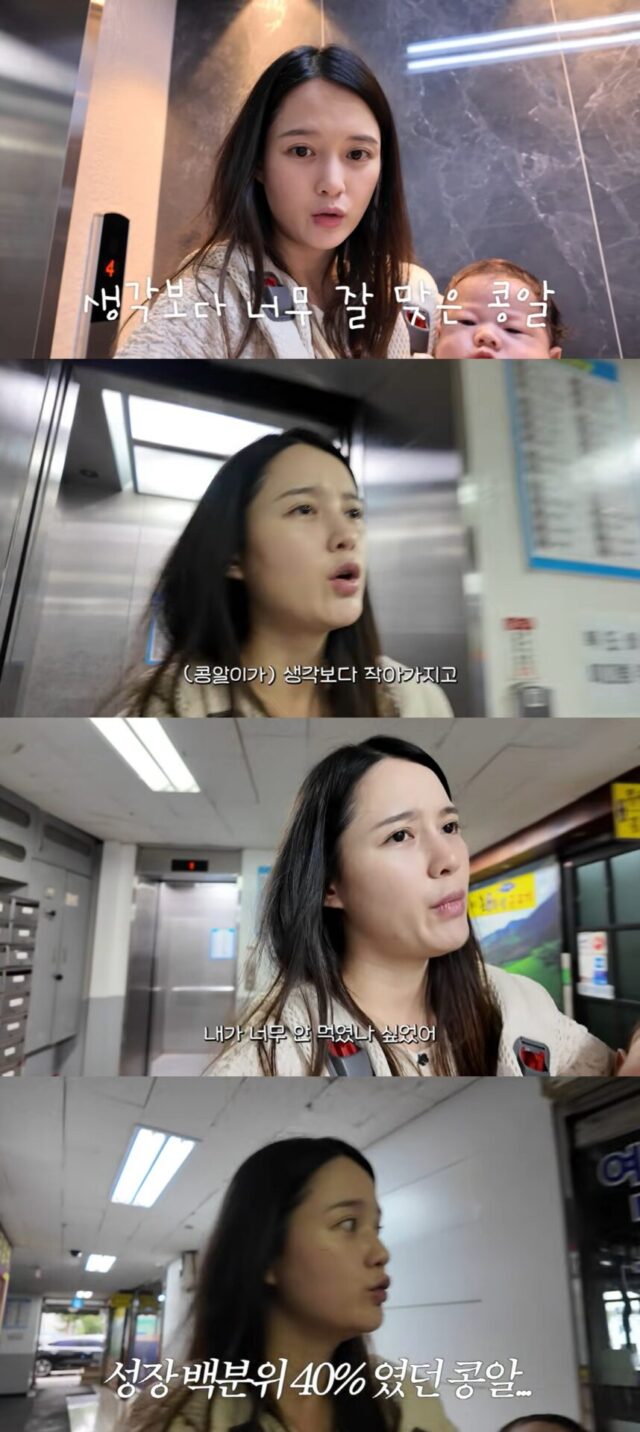
A significant portion of the video was dedicated to the physical assessment of the infant, a routine part of the two-month check-up. When the medical staff recorded the infant’s weight, Nam Bo Ra’s reaction highlighted a common concern among new mothers: growth percentiles. The data revealed that her son was in the 40th percentile for weight relative to his age group.

In pediatric medicine, percentiles are used to compare a child’s growth with that of a representative sample of children of the same age and sex. A 40th percentile ranking indicates that the child weighs more than 40% of his peers and less than 60%. While medical professionals generally consider any growth that follows a consistent curve to be healthy, parents often internalize these numbers as a direct reflection of their caregiving efficacy.
Nam Bo Ra admitted to feeling a sense of inadequacy upon hearing the results. She had expected her son to weigh over 6 kilograms and expressed worry that her feeding schedule or methods were insufficient. “He’s smaller than I thought, so I wondered if I wasn’t feeding him enough. I thought he would surely be over 6 kilograms. I need to feed him more actively,” she remarked. This transparency regarding "growth anxiety" is a significant aspect of the vlog, as it addresses the pressure parents feel to meet specific developmental benchmarks.
The Psychological Phenomenon of Maternal Guilt
Perhaps the most poignant segment of the video involved Nam Bo Ra’s reflection on the psychological burden of motherhood. She spoke candidly about the "mom guilt" that often surfaces when a child experiences discomfort or fails to meet an expected milestone. This phenomenon is well-documented in psychological literature, where mothers often feel an outsized sense of personal responsibility for every aspect of their child’s well-being, often to the detriment of their own mental health.
“Whenever something happens to the baby, I feel like it’s my fault, because I couldn’t take care of him or because of something I did wrong,” the actress shared. This admission is particularly striking given Nam Bo Ra’s personal history. As the eldest daughter of 13 siblings, she has been a caregiver for much of her life, often helping her parents raise her younger brothers and sisters. Her background has frequently been a topic of public interest in South Korea, where she is praised for her maturity and sense of duty. Yet, her comments reveal that even with extensive experience in a large family, the transition to being a mother to her own biological child brings a unique and often overwhelming level of emotional pressure.
The video also captured the immediate aftermath of the vaccinations during the drive home. As the localized pain from the injections likely intensified, the infant began to cry uncontrollably. The footage showed Nam Bo Ra utilizing various soothing techniques, offering verbal comfort and physical closeness to mitigate his distress. Her words to her son—emphasizing that the pain was temporary and for the ultimate benefit of his health—served as a self-soothing mechanism as much as a comfort to the child.
Contextualizing the Modern Parenting Narrative in South Korea
Nam Bo Ra’s decision to share her parenting diary comes at a time when South Korea is grappling with complex demographic and social issues related to childbirth and family life. The country currently faces one of the lowest birth rates in the world, a phenomenon driven by high costs of living, intense workplace competition, and the perceived difficulty of balancing professional and personal lives.
Celebrity parenting content, such as that produced by Nam Bo Ra, plays a dual role in this cultural landscape. On one hand, it can humanize the experience of raising a child, making it appear more accessible and relatable to the public. On the other hand, it highlights the genuine hardships involved, potentially validating the concerns of those who are hesitant to start families. By discussing her guilt and her struggles with her son’s growth metrics, Nam Bo Ra contributes to a more honest dialogue about the realities of the "fourth trimester" and beyond.
Furthermore, the shift of celebrities toward YouTube as a primary medium for communication allows for a level of intimacy that traditional media cannot provide. In the past, fans would only see the highlights of a star’s life through curated interviews or variety show appearances. Now, through long-form vlogs, public figures like Nam Bo Ra can document the "sleepless dawns" and the mundane hospital visits that define the human experience of parenthood.
Professional Trajectory and Future Outlook
Nam Bo Ra first rose to prominence through the reality program Human Theater, which documented her life as part of an exceptionally large family. She subsequently transitioned into a successful acting career, appearing in hit dramas such as Moon Embracing the Sun and films like Sunny. Her public persona has long been defined by her resilience and her "big sister" image.
Her recent marriage in 2025 and the subsequent birth of her son mark a new chapter in her public life. While she has remained active on social media and YouTube, it remains to be seen how her new role as a mother will influence her choice of future acting projects. Historically, many Korean actresses have successfully transitioned into "maternal" roles or have used their platforms to advocate for family-related causes.
The reception to her latest video has been overwhelmingly positive, with many viewers offering words of encouragement and sharing their own stories of maternal guilt. Experts suggest that such public displays of vulnerability can be beneficial for societal mental health, as they de-stigmatize the struggle of new parents who may feel isolated in their experiences.
As Kongal continues to grow, Nam Bo Ra’s "parenting diary" is expected to serve as a digital archive of his development and her evolution as a parent. Her commitment to "feeding him more actively" and her ongoing efforts to manage the emotional highs and lows of motherhood provide a narrative arc that many will continue to follow with interest. In the broader context of South Korean entertainment, her story remains a testament to the enduring importance of family, even amidst the pressures of fame and the challenges of the modern era.

