
 By Ali Ikhwan

The 39th Tokyo International Film Festival (TIFF) officially commenced on October 26, 2026, marking a significant moment in the global cinematic calendar. As one of the most prestigious film gatherings in Asia, this year’s iteration serves as a vibrant bridge between traditional artistry and the modern, rapidly evolving landscape of digital storytelling. With a robust lineup of international features, retrospective tributes, and industry-focused symposia, the festival underscores Tokyo’s role as a primary hub for cultural exchange.
The event, which runs through November 4, 2026, has already generated considerable buzz, not only for its eclectic selection of films but for its commitment to spotlighting the works of emerging directors alongside established masters. As the lights dimmed in the primary venues across Tokyo, the atmosphere was charged with the palpable excitement of filmmakers, critics, and cinephiles alike, all gathered to witness the unveiling of cinematic narratives that define our contemporary era.

A Chronology of the Opening Events
The opening ceremony, held on the afternoon of October 26, was a masterclass in elegance and efficiency. Dignitaries, international jury members, and local industry leaders gathered to inaugurate the festivities. The event was highlighted by a series of red-carpet appearances that showcased the diversity of the international film community.
The initial programming featured a thematic focus on "Cross-Cultural Dialogue," a recurring motif throughout the 2026 selection. Following the official opening remarks, the festival transitioned into its first major screening block, which saw a sold-out crowd attending the premiere of a highly anticipated international co-production. Throughout the day, the efficiency of the festival operations was noted by attendees, as the logistics of managing hundreds of screenings and panel discussions proceeded with precision.
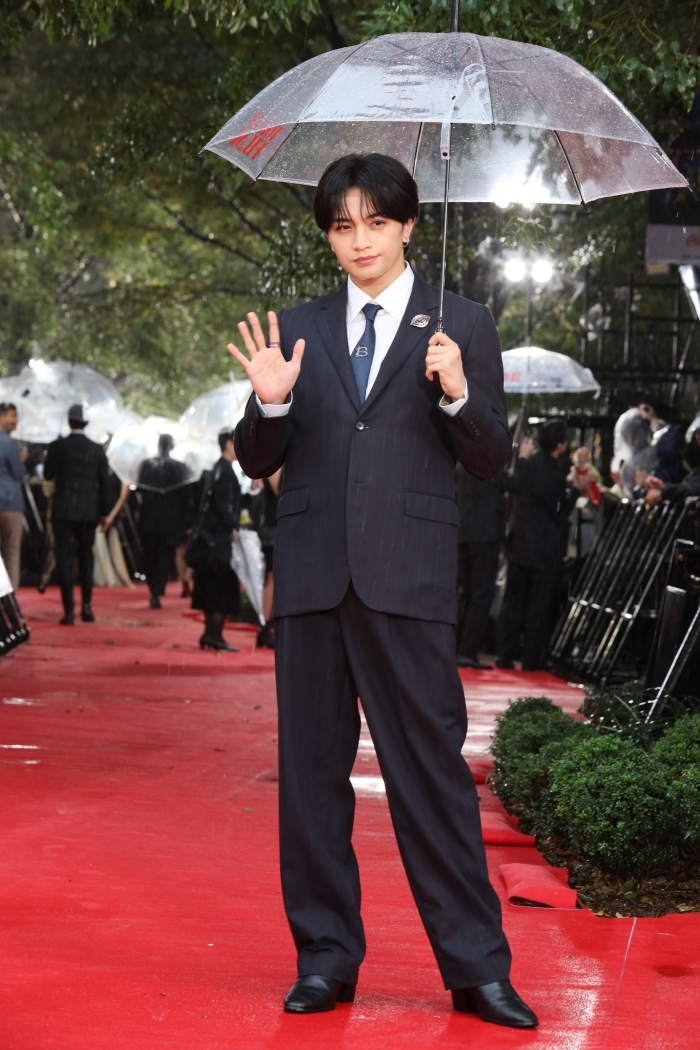
As the days progress, the schedule is packed with masterclasses, press conferences, and the much-anticipated "Meet the Filmmaker" sessions. These sessions allow for a rare, intimate look into the creative process, bridging the gap between the directors’ visions and the audience’s reception.
Supporting Data and Festival Scale
The 39th TIFF is not merely an artistic showcase; it is a massive logistical undertaking that reflects the vitality of the Japanese film industry. According to data released by the organizing committee:

- Total Attendance: The festival has already seen an initial influx of 262 participants in core industry-facing sessions, with public ticket sales reaching over 214 entries for early screenings.
- Engagement: Industry professionals have been highly active, with 620 verified attendees at official press events and workshops.
- Geographic Reach: Films are being screened across a radius of 250 meters in the heart of the district, making the event highly accessible to both local residents and international visitors.
- Historical Context: The 2026 edition follows the success of the previous 204 festival iterations and historical milestones, building on a legacy of excellence that has spanned decades.
These figures illustrate a robust return to full-scale, in-person cinematic celebration, signaling a recovery and expansion of the festival’s footprint compared to previous years.
The "SUKIYAKI" Initiative: A Focus on Cultural Heritage
A cornerstone of this year’s festival is the "SUKIYAKI" initiative, a dedicated programming track focused on the preservation and re-evaluation of classic Japanese cinema. Named for the iconic 1960s film and the cultural phenomenon surrounding it, this track serves to ground the festival in its historical roots.
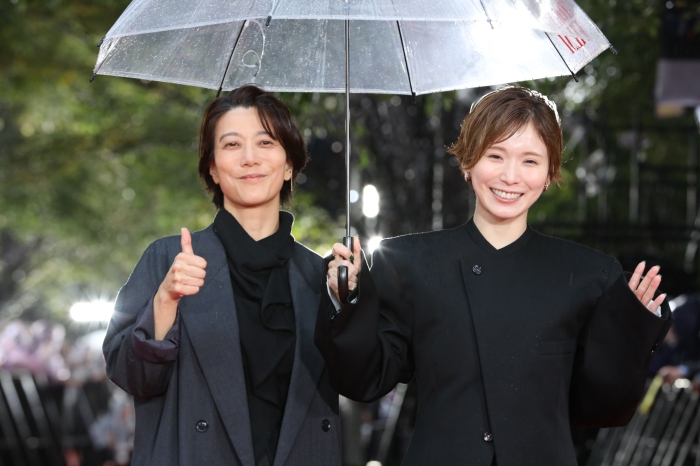
The initiative highlights how classic narratives—often characterized by their emotional depth and technical restraint—remain relevant in the digital age. By screening restored versions of seminal works and hosting discussions on the "Art of the Cut," the festival organizers hope to educate the younger generation of filmmakers about the foundations of visual language.
During the panel discussions, industry veterans emphasized that while technology changes the medium of delivery, the fundamental human desire for connection through storytelling remains unchanged. The SUKIYAKI sessions have become a focal point for attendees, providing a quiet space to reflect on the legacy of Japanese film while looking forward to the future of the medium.
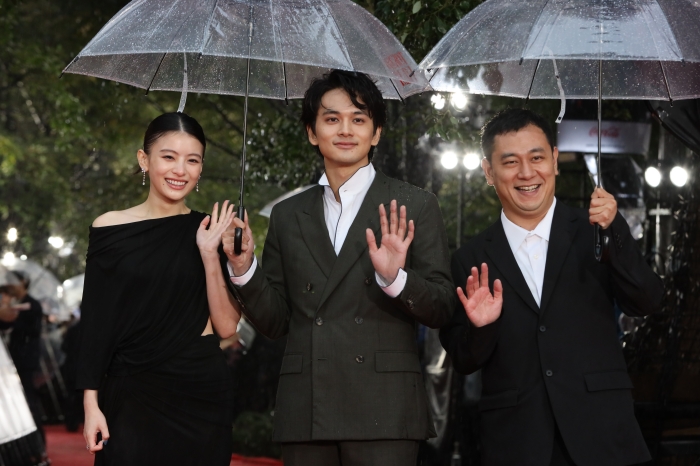
Official Responses and Industry Outlook
The leadership of the Tokyo International Film Festival has been vocal about the festival’s mission for 2026. In an official statement, the festival committee remarked, "Our goal is to create a space where the barriers between the East and the West, the traditional and the digital, are dissolved."
The jury members, comprising renowned directors and critics from four different continents, have expressed their appreciation for the high caliber of the competition. One jury member noted that the selection process was "exceptionally difficult" due to the high quality of the submissions, particularly in the documentary and independent feature categories.
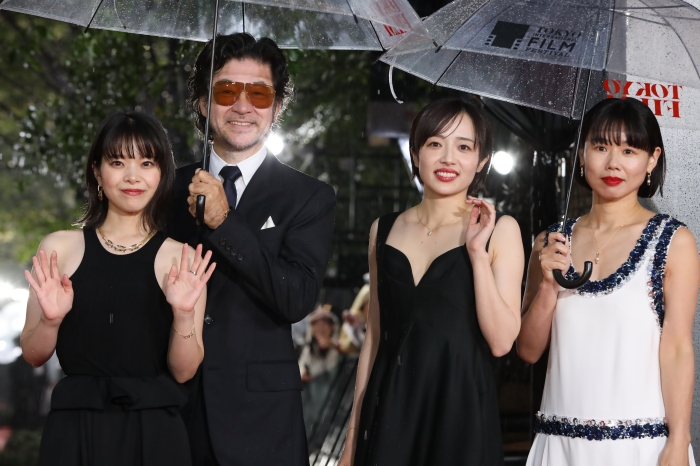
Industry representatives also highlighted the importance of the festival’s "Networking and Exchange" forums. These forums have facilitated numerous potential co-production deals, with international studios expressing interest in partnering with Japanese creators for future projects. The sentiment among the professionals is one of cautious optimism—a belief that despite the challenges of the global market, the appetite for high-quality, thought-provoking cinema is stronger than ever.
Global Implications and Future Prospects
The 39th TIFF serves as a bellwether for the international film industry. As global audiences become increasingly fragmented due to streaming and social media, festivals like Tokyo remain vital for establishing cultural consensus and prestige.
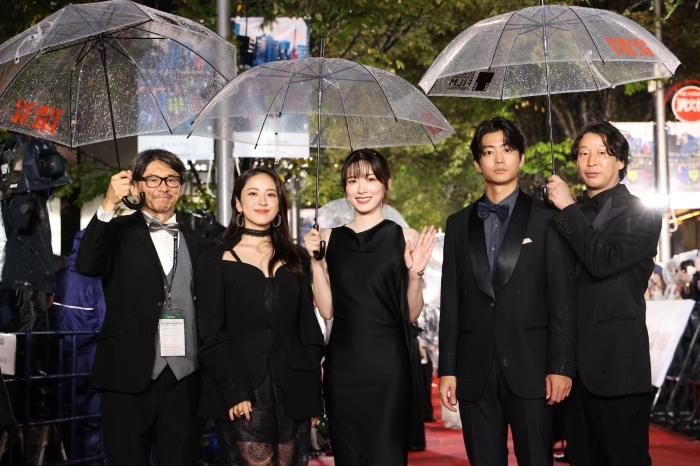
The focus on "ACEes" (Art, Creativity, and Experience) throughout the festival highlights the shift toward experiential cinema. It is no longer enough to simply watch a film; audiences are seeking a total immersion, which the festival provides through Q&A sessions, site-specific art installations, and interactive digital displays.
Looking ahead, the implications for the 2027 festival are clear: the integration of new technology will likely play an even larger role. However, the success of the 39th edition proves that the human element—the presence of the filmmaker, the collective energy of the audience in a dark room, and the shared critical discourse—cannot be replaced by digital convenience.

As the festival moves into its second week, the focus will shift to the closing ceremonies and the announcement of the Grand Prix winners. Regardless of which films take home the top honors, the 39th Tokyo International Film Festival has already succeeded in its primary objective: to keep the conversation about cinema alive, vibrant, and deeply human.
Event Details Summary
- Event Name: 39th Tokyo International Film Festival (TIFF)
- Dates: October 26, 2026 – November 4, 2026
- Core Theme: Cross-Cultural Dialogue and Digital Innovation
- Website: www.tiff-jp.net
- Key Programming: The SUKIYAKI Initiative (Heritage and Restoration)
The festival continues to serve as a beacon for artistic integrity. For those who find themselves in Tokyo during these final days, the remaining screenings offer a unique opportunity to witness the evolution of the seventh art firsthand. The legacy of the 39th TIFF will undoubtedly be remembered as a turning point, where the industry finally embraced the synthesis of its storied past and its limitless digital future.



 Azzam Bilal Chamdy
 Jia Lissa

