
 By Azzam Bilal Chamdy
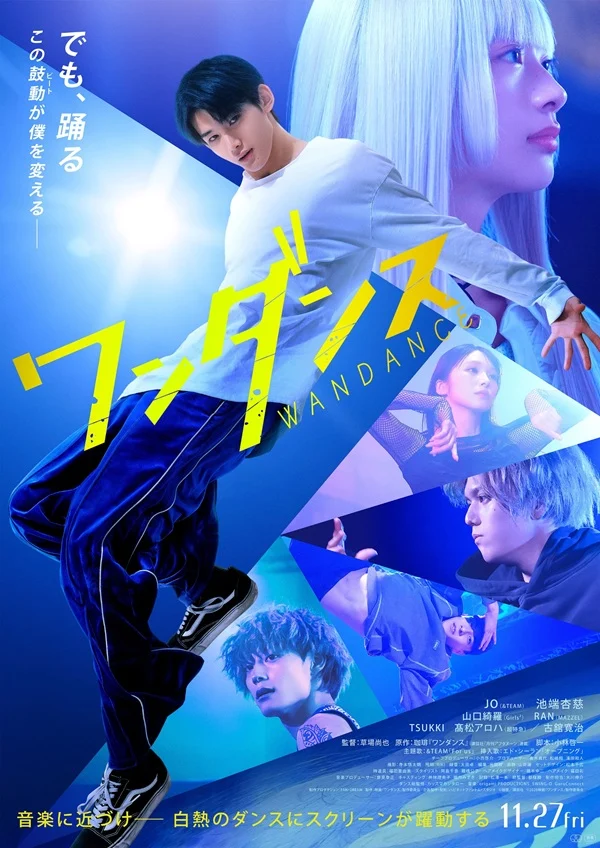
The intersection of youth culture, identity, and the raw, kinetic energy of dance has long been a fertile ground for cinematic exploration. On November 27, 2026, the highly anticipated live-action adaptation of the acclaimed manga series Wandance—authored by Coffee—officially debuted in Japanese theaters. This cinematic event, produced by the powerhouse studio Happinet Phantom, marks a significant milestone in the convergence of contemporary Japanese music talent and visual storytelling. By bridging the gap between traditional narrative cinema and the vibrant world of J-pop, Wandance promises to be more than just an adaptation; it is a cultural celebration of self-expression.
Main Facts: A Story of Synchronicity and Self-Discovery
At its core, Wandance is a coming-of-age drama that centers on the transformative power of dance. The story follows a protagonist who, despite a natural inclination toward reticence, finds a new lease on life through the rhythmic precision and emotional release of dancing. The film adaptation captures this internal evolution by focusing on the connection between movement and the struggle for personal authenticity.
The project is helmed by a production team renowned for their attention to aesthetic detail and atmospheric storytelling. With the release date set for November 27, 2026, the film is poised to capture a wide demographic, ranging from die-hard fans of the original manga to general cinema-goers attracted by the stellar ensemble cast and high-energy choreography. The film’s marketing campaign has heavily emphasized the "rhythm of life," using the visual language of dance to articulate the emotional highs and lows of its characters.
Chronology: The Journey from Page to Screen
The path to bringing Wandance to the silver screen has been a meticulous process of artistic translation.
- Initial Development: Following the widespread acclaim of Coffee’s original manga, the announcement of a live-action adaptation sparked immediate excitement. The challenge lay in capturing the fluidity of the manga’s art style—which focuses heavily on kinetic energy—and grounding it in the physical reality of live-action performances.
- Casting Phase: Throughout mid-2026, casting announcements dominated entertainment news. The selection process was rigorous, requiring actors who were not only capable of conveying the nuance of the script but also possessed the physical stamina and dance proficiency required for the film’s central sequences.
- Production and Choreography: The latter half of 2026 was defined by intense rehearsal blocks. Unlike typical drama productions, Wandance required a collaborative environment where choreographers and directors worked in tandem to ensure that every dance move served the narrative arc.
- The November Debut: As of November 27, 2026, the film has officially transitioned from the development cycle to the public sphere, marking the start of its theatrical run across Japan.
Supporting Data: The Powerhouse Cast and Production Team
The film’s success is anchored by a deliberate selection of talent, representing the pinnacle of current Japanese entertainment. The cast includes:
- JO1 & &TEAM: Members from these influential groups have been integrated into the narrative, bringing their professional performance experience to the screen. Their involvement has been instrumental in ensuring that the dance sequences meet the high expectations of the modern audience.
- Supporting Cast: Alongside the idol participants, the cast features established talent including Girls², RAN (MAZZEL), and the charismatic TSUKKI, who has been widely praised for the authenticity of their performance.
- Production Credits: The film is produced by the "Wandance Film Partners" committee, with distribution handled by Happinet Phantom. The music and sound design, essential components for a film centered on dance, are supported by contributions from origami PRODUCTIONS, SWING-O, and GuruConnect, ensuring a high-fidelity sonic experience that elevates the visuals.
Official Responses and Creative Vision
The production team, in various press statements, has highlighted the intentionality behind the adaptation. Director/Producer teams emphasized that their goal was not merely to recreate the panels of the manga, but to "translate the feeling of the heartbeat into motion."
"When we look at Wandance, we aren’t just looking at a story about dancing," noted a production spokesperson. "We are looking at a story about the moment a person decides to stop hiding. The casting of individuals like TSUKKI and members from JO1 and &TEAM was deliberate. We needed people who understand the pressure of the stage and the vulnerability of being seen."
The official website for the film has served as a central hub for fans, providing behind-the-scenes glimpses into the choreography sessions. These clips demonstrate the grueling physical training the cast underwent, reinforcing the message that the film is a labor of genuine artistic passion.
Implications: The Future of Music-Centric Cinema
The release of Wandance has profound implications for the future of the Japanese film industry. By successfully integrating pop-culture icons with traditional cinematic storytelling, the film challenges the boundaries between a "music video" experience and a "feature film."
1. The Elevation of Dance Culture
For years, dance in Japanese media has often been relegated to background performance or specialized variety programming. Wandance elevates the medium, treating dance as a legitimate form of dialogue. By making dance the primary language of the protagonist, the film suggests that words are often insufficient to express the complexity of the human condition.
2. Cross-Pollination of Fanbases
The collaboration between major talent agencies like those managing JO1 and &TEAM, and the manga industry, signals a shift in marketing strategy. By bringing these fanbases into the theater, the film guarantees high initial engagement, but the critical reception will depend on the strength of the story. Early reports suggest that the emotional depth of the film is winning over even those who were initially drawn only by the cast.
3. Cultural Impact and Youth Identity
In an era defined by digital connectivity and social media performance, Wandance touches on a raw nerve: the desire for genuine connection. The protagonist’s journey from a shy, observant individual to someone who commands the floor is a metaphor for the modern struggle to find one’s voice. The film’s success could potentially inspire a new wave of interest in community dance programs and arts education among the youth demographic.
Conclusion
As the curtains rise on Wandance in theaters across Japan, the film stands as a testament to the power of collaboration. It is a harmonious blend of high-energy performance, poignant character development, and masterful production values. Whether through the lens of a fan of the original manga, a supporter of the featured idol groups, or simply a lover of cinematic art, Wandance offers a compelling narrative that resonates long after the music stops.
In the coming weeks, the industry will be watching closely to see how this film influences box office trends and whether it heralds a new era for music-integrated dramas. For now, however, Wandance has achieved its primary goal: it has invited the audience to step into the rhythm, embrace their own movement, and witness the transformative potential of the dance. As the credits roll, one thing remains clear—this is a story that refuses to stay still.

 Suro Senen
 Nana Wu
 Siti Muinah

