
 By Ammar Sabilarrohman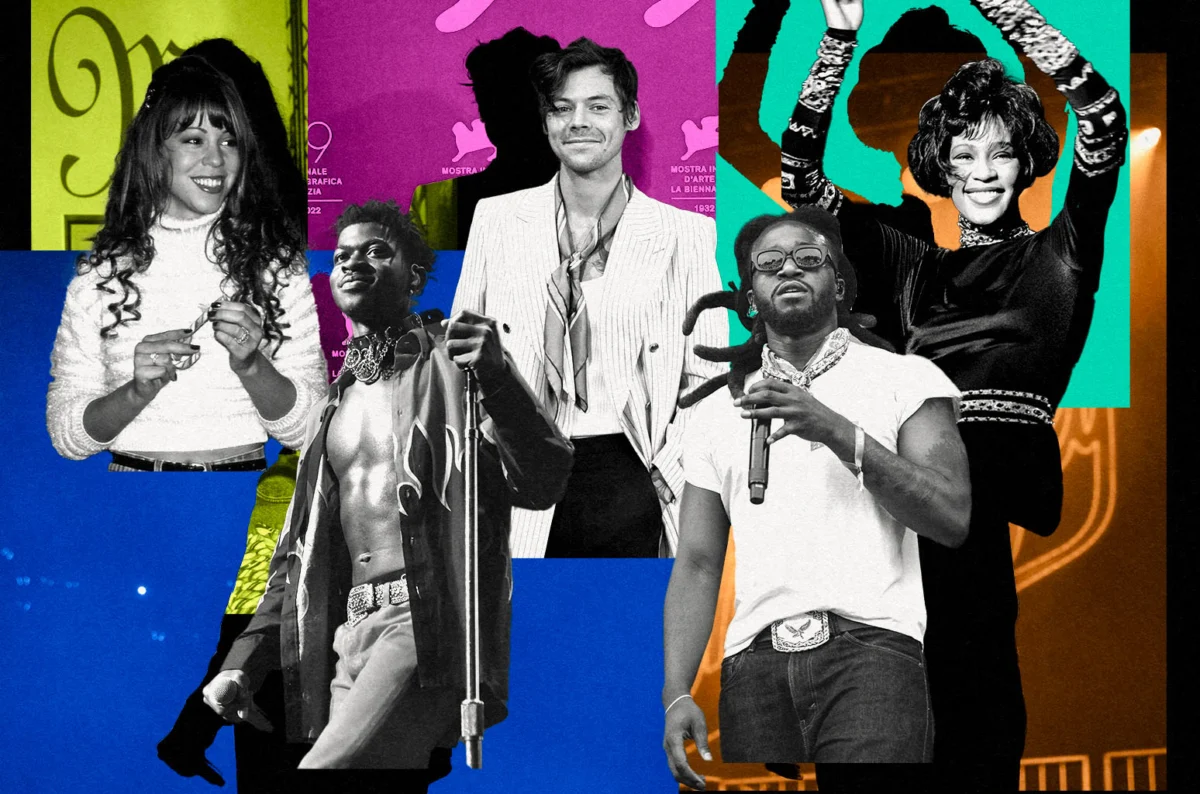
The landscape of popular music is a dynamic and ever-shifting terrain, with songs rising and falling on the charts with remarkable speed. Yet, etched into the annals of Billboard history are a select group of anthems that have defied the ephemeral nature of chart success, holding the coveted No. 1 spot on the Billboard Hot 100 for an extraordinary duration. These are not mere fleeting hits; they are cultural phenomena that have resonated with audiences for weeks, even months, solidifying their place in the pantheon of enduring musical achievements. As of the latest surveys, the number of songs achieving this remarkable feat remains a stark testament to its exclusivity.

The Rarity of Extended Dominance
The achievement of topping the Billboard Hot 100 for a consecutive 10 weeks or more is a rare distinction. Dating back to the chart’s inception on August 4, 1958, a mere 4% of all songs that have reached the pinnacle of the Hot 100 have managed to sustain their reign for such an extended period. This statistic underscores the immense difficulty of maintaining widespread popularity and radio airplay, coupled with robust sales and streaming figures, for such a prolonged duration in the fiercely competitive music industry.
The journey to double-digit weeks at No. 1 began with Debby Boone’s gospel-tinged ballad "You Light Up My Life" in 1977. This monumental success set a benchmark for sustained chart dominance, signaling that a song could capture the national consciousness and hold its attention for an unprecedented length of time. For years, Boone’s hit stood as a solitary titan of extended reign.

Milestones in Chart History: A Chronology of Longevity
The 1980s saw another artist etch their name into the record books with a song that would become synonymous with chart endurance. Olivia Newton-John’s sexually charged and rhythmically infectious "Physical" spent a remarkable 10 weeks at the summit of the Hot 100 during the 1981-1982 period. For over a decade, both Boone’s and Newton-John’s songs shared the distinction of being the longest-reigning No. 1s in Hot 100 history.
The early 1990s witnessed a shift in the chart’s hierarchy, with R&B powerhouses Boyz II Men shattering the existing record. Their heartfelt ballad "End of the Road" captivated audiences, propelling it to a staggering 13 consecutive weeks at No. 1 in 1992. This new benchmark, however, proved to be short-lived.

Later that same year, the inimitable Whitney Houston delivered a vocal masterclass with her rendition of Dolly Parton’s "I Will Always Love You." This iconic power ballad, featured in the film "The Bodyguard," resonated deeply with listeners, securing an impressive 14-week reign at the top of the Hot 100 through late 1992 and into early 1993. Houston’s rendition not only showcased her unparalleled vocal talent but also highlighted the enduring power of a well-crafted ballad to connect with a global audience.
The mid-1990s ushered in a collaborative effort that would redefine chart longevity for over two decades. In 1995-1996, Mariah Carey and Boyz II Men joined forces for "One Sweet Day," a poignant tribute that captivated the nation. This collaboration held the coveted No. 1 spot for an astonishing 16 weeks, a milestone that stood unmatched for more than 23 years. The success of "One Sweet Day" coincided with a significant shift in how music consumption was tracked. According to Luminate, the widespread adoption of electronically tracked data, which began in late 1991, provided a more granular and accurate measure of song popularity, likely contributing to longer No. 1 stays for songs that achieved significant traction.

The digital age and the rise of streaming platforms ushered in a new era of global music consumption, and with it, new contenders for chart supremacy. In 2017, the infectious reggaeton rhythm of Luis Fonsi and Daddy Yankee’s "Despacito," featuring Justin Bieber, took the world by storm. This bilingual smash tied the 16-week record set by "One Sweet Day," demonstrating the growing global reach of Latin music and the power of cross-cultural collaborations.
The following year, 2019, saw a country-trap fusion redefine chart expectations once again. Lil Nas X’s viral sensation "Old Town Road," featuring Billy Ray Cyrus, became a cultural phenomenon, collecting an unprecedented 19 weeks at the helm of the Hot 100. This record-breaking run showcased the power of internet virality and the ability of unconventional genre blends to capture mainstream attention.

New Record Holders Emerge in the Modern Era
The relentless pursuit of chart dominance continued into the 2020s. In July 2024, the country-infused anthem "A Bar Song (Tipsy)" by Shaboozey began its ascent, eventually matching the 19-week record set by "Old Town Road." This sustained popularity highlighted the ongoing appeal of genre-bending music and the ability of artists to connect with audiences through relatable themes and catchy melodies.
However, the absolute pinnacle of chart endurance has recently been redefined. As of the September 5, 2026-dated Billboard Hot 100, Ella Langley’s "Choosin’ Texas" ascended to a historic 20th week at No. 1. This remarkable achievement positions Langley’s track as the sole longest-leading non-holiday song in the chart’s history, a testament to its widespread appeal and enduring popularity.

As of the September 19 survey, "Choosin’ Texas" now shares the ultimate record for the longest reign at No. 1 with a song that transcends seasonal appeal: Mariah Carey’s ubiquitous holiday classic, "All I Want for Christmas Is You." Carey’s festive anthem has achieved an astonishing 22 weeks at No. 1, a feat made even more remarkable by its recurring success. Since its initial release, the song has consistently returned to the top of the charts each holiday season, a testament to its enduring cultural significance and its ability to evoke a powerful sense of nostalgia and celebration for millions worldwide. The fact that a holiday song, typically associated with a limited seasonal window, can now stand shoulder-to-shoulder with contemporary hits in terms of overall chart longevity is a fascinating phenomenon in itself.
Analysis of Factors Contributing to Extended Chart Runs
Several key factors contribute to a song’s ability to sustain a No. 1 position for an extended period. The advent of streaming services has fundamentally altered music consumption. While radio airplay and physical sales were once the primary drivers of chart success, streaming platforms now play a pivotal role. Songs that consistently generate high streaming numbers, driven by playlist inclusion, viral trends, and dedicated fan bases, have a significant advantage in maintaining chart momentum.

Furthermore, the cultural resonance of a song plays a crucial role. Hits that tap into the zeitgeist, address universal themes, or become intertwined with significant cultural moments are more likely to capture and retain audience attention. "Despacito," for example, benefited from its infectious global appeal and its role in bringing Latin music to the forefront of the international music scene. Similarly, "Old Town Road" transcended musical boundaries, becoming a cultural meme that resonated across diverse demographics.
The strategic release and promotion of music also contribute. Artists and labels that employ effective marketing campaigns, leverage social media, and foster strong fan engagement can create sustained buzz around a track, encouraging continued listening and engagement. The longevity of "All I Want for Christmas Is You" is a prime example of how a song can maintain cultural relevance through consistent reintroduction and association with a beloved annual tradition.

Broader Impact and Implications
The songs that achieve double-digit weeks at No. 1 on the Billboard Hot 100 are more than just chart-toppers; they are cultural touchstones that define eras and reflect the evolving landscape of music consumption. Their extended runs signal a profound connection with the audience, demonstrating an ability to transcend fleeting trends and embed themselves into the collective consciousness.
The increasing diversity of artists and genres achieving these milestones—from Latin pop and country-trap to contemporary country and enduring holiday classics—highlights the broadening appeal of music and the diminishing barriers between genres in the digital age. This trend suggests a more inclusive and dynamic music industry, where unique sounds and cultural expressions can find widespread success.

The data also underscores the evolving nature of chart metrics. The transition from solely physical sales and radio airplay to a hybrid model incorporating streaming and social media engagement has created new pathways to chart dominance. This evolution ensures that the Billboard Hot 100 remains a relevant and dynamic barometer of popular music taste, capable of recognizing and celebrating a wider array of musical achievements. As the music industry continues to innovate, it will be fascinating to observe which artists and songs will next etch their names into the exclusive history books of the Billboard Hot 100’s longest-reigning hits.

