
 By Nana Wu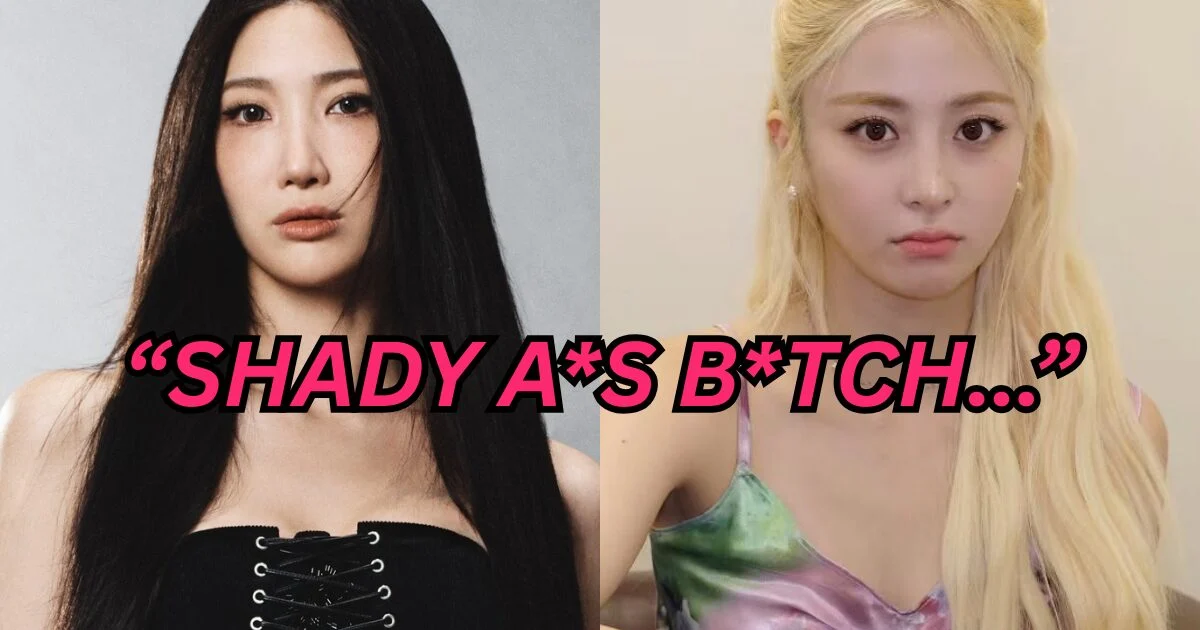
The highly anticipated collaboration between K-Pop powerhouse LE SSERAFIM and acclaimed artist EJAE, featuring a brand new remix of LE SSERAFIM’s single “Made My Night,” released on September 14, 2026, KST, has unexpectedly ignited a significant controversy across social media platforms. While the musical offering itself garnered initial praise for its fresh sound and synergistic blend of styles, its release was swiftly overshadowed by unverified allegations concerning EJAE’s past remarks about LE SSERAFIM’s vocal abilities, dating back to 2024. This incident has sparked intense debate among fans, raising questions about the reliability of online information, the dynamics of K-Pop fandom, and the enduring scrutiny faced by artists in the digital age.
The Collaboration and Initial Reception
LE SSERAFIM, a prominent girl group under Source Music, an HYBE subsidiary, has rapidly ascended the ranks of the K-Pop industry since their debut, known for their strong concepts, compelling performances, and distinctive musicality. Their discography often blends powerful pop anthems with introspective tracks, cultivating a dedicated global fanbase, known as FEARNOT. “Made My Night” stands as a testament to their evolving sound, showcasing their versatility and artistic growth.
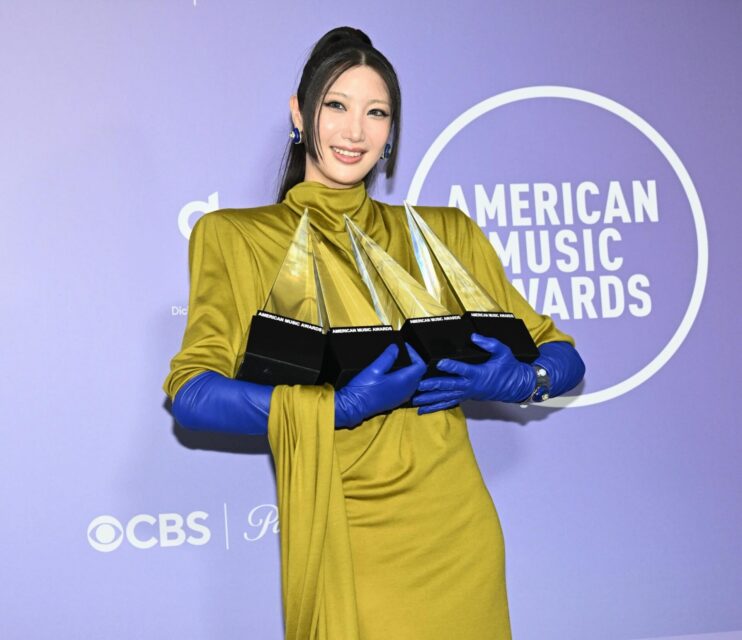
EJAE, a rising figure in the music scene, known for her role in the popular "KPop Demon Hunters" series and her reputable background as a songwriter and producer, brought a unique dimension to the remix. Her involvement was seen as a strategic move to infuse the track with a new artistic perspective, potentially broadening its appeal. The remix’s official visualizer, released concurrently with the track, quickly accumulated views, signifying the high expectations surrounding this cross-industry collaboration. The initial reception largely lauded the artistic synergy, with many listeners commending the fresh interpretation of the original song and EJAE’s distinct contribution. Collaborations of this nature are increasingly common in the K-Pop landscape, serving as a powerful tool for artists to explore new sonic territories, reach diverse audiences, and foster creative exchange.
Unverified Allegations Emerge: A Timeline of Controversy
The positive buzz surrounding the remix, however, was short-lived. Within hours of the release on September 14, 2026, a series of posts began circulating on various social media platforms, most notably X (formerly Twitter), claiming that EJAE had previously made disparaging remarks about LE SSERAFIM’s vocal capabilities. These allegations were traced back to a Weibo post by a netizen who identified themselves as a student at the prestigious Berklee College of Music.
According to the unverified Weibo account, the alleged incident took place in 2024 during a guest lecture delivered by EJAE at Berklee. The original poster (OP) claimed to have attended this lecture. During a session where students presented their work for feedback, one student reportedly played a demo track, seeking EJAE’s opinion on its suitability for either LE SSERAFIM or MAMAMOO member Hwasa, both recognized for their distinct vocal prowess and performance styles.
It was at this juncture, the Weibo post alleged, that EJAE advised the student against offering the song to LE SSERAFIM. The critical assertion attributed to EJAE was that LE SSERAFIM members were "bad singers," and that a songwriter should always consider the artist’s vocal range and capabilities when pitching a song. She purportedly suggested that the demo track was far better suited for Hwasa, implying a significant disparity in vocal aptitude between the two acts. This alleged comment, made two years prior to the collaboration, suddenly resurfaced, creating a stark contrast with the celebratory tone of the remix release.
The delay in the emergence of these allegations, coupled with their timing immediately after the collaboration’s release, fueled suspicion among some, while others readily accepted them as credible. The K-Pop industry is no stranger to controversies stemming from past comments or unearthed social media posts, and the speed at which such information can spread and polarize fanbases is a well-documented phenomenon.
The Berklee Lecture Context and Implications
Berklee College of Music is globally renowned for its contemporary music education, attracting aspiring musicians, producers, and songwriters from around the world. Guest lectures by prominent industry figures like EJAE are common, offering invaluable insights and networking opportunities. Within such a professional and educational setting, critical feedback, even if blunt, is often perceived as part of the learning process. However, when such feedback involves public figures and is later publicized, especially out of its original context, it can take on a vastly different meaning and impact.
The alleged comment attributed to EJAE, if true, would represent a direct critique of LE SSERAFIM’s core artistic skill, their singing. In the highly competitive and scrutinized world of K-Pop, vocal ability is a frequent topic of discussion and often a source of contention among fans and critics alike. Groups often face intense pressure to demonstrate live vocal prowess, and any perceived weakness can quickly become a target for criticism or anti-fan sentiment. For EJAE, an artist who herself is a respected musician and associated with a prestigious institution, such a comment would carry significant weight, potentially affecting her professional relationships within the industry.
The comparison to Hwasa, a vocalist widely celebrated for her unique tone, powerful delivery, and extensive vocal range, further intensified the perceived slight against LE SSERAFIM. While artistic preferences are subjective, the alleged statement implied a professional assessment of vocal inadequacy, which, coming from a peer or industry senior, could be deeply damaging.
Fandom Reactions: Outrage and Skepticism
The spread of these allegations on social media immediately triggered a wave of strong reactions from the K-Pop community. Many FEARNOTs, LE SSERAFIM’s devoted fanbase, expressed outrage and a sense of betrayal. Fans who had initially celebrated the remix quickly turned critical, feeling that EJAE’s alleged past remarks were hypocritical and disrespectful. Tweets flooded X, with users questioning EJAE’s integrity and calling for accountability.

Examples of these reactions included:
- "I really don’t like her and she talked behind fimmies so It’s a super bad collab to me right after so cynical, idfw golden or something else it’s just no" – reflecting personal disappointment and a rejection of the collaboration.
- "do background check next time @SOURCEMUSIC" – directly urging LE SSERAFIM’s agency to be more diligent in vetting collaborators, suggesting a failure in due diligence.
- "oh she’s a shady ass bitch too" – expressing strong personal condemnation.
- "that’s why I won’t even acknowledge the collab" – indicating a refusal to support the new song.
- "if this is real, def not gonna listen to the remix anymore. fimmies don’t need backstabbers" – conditional rejection, emphasizing loyalty to LE SSERAFIM and a perception of betrayal.
These reactions highlight the fierce loyalty of K-Pop fandoms and their readiness to defend their favorite artists against perceived slights. The emotional investment fans have in their idols often translates into swift and vocal responses to any negative information, particularly when it comes from within the industry itself.
However, a significant portion of the fanbase, along with neutral observers, adopted a more cautious and skeptical stance. Many questioned the authenticity of the Weibo post, pointing out several logical inconsistencies and the lack of verifiable evidence. Skeptics argued that:
- Lack of prior public record: If a prominent figure like EJAE had made such a controversial statement at a public event like a Berklee lecture in 2024, it was highly improbable that it would have remained unnoticed and unreported for two years, only to resurface precisely at the time of a collaboration. Berklee students and attendees often share insights from such lectures, and a comment of this magnitude would likely have gone viral much sooner.
- Motivations of the original poster: Some suggested that the original Weibo poster might have been an anti-fan of LE SSERAFIM, deliberately fabricating or exaggerating a story to sow discord and generate hate during what they termed a "hate train" against the group. The timing, they argued, was too convenient to be coincidental.
- Absence of corroborating evidence: Despite the widespread discussion, no other attendees of the alleged 2024 lecture came forward to corroborate the story, nor were there any recordings or official transcripts of the specific interaction. Calls for "solid evidence" became a common refrain among those who doubted the allegations.
These counter-arguments underscore the critical importance of verification in the age of rapid digital dissemination, especially when dealing with potentially damaging claims that lack concrete proof.
Contradictory Evidence: The Instagram Live
Adding another layer of complexity to the unfolding drama was a recent joint-livestream on Instagram between EJAE and LE SSERAFIM member Yunjin. This livestream, which predated the widespread controversy but occurred relatively close to the remix release, showed a demonstrably positive and respectful interaction between the two artists. During the live session, EJAE openly praised Yunjin for her vocals on "So Cynical," a song that EJAE had also previously worked on as a co-writer. This public display of mutual admiration and professional respect stood in stark contrast to the alleged "bad singers" comment.
Fans pointed to the livestream as compelling evidence against the Weibo allegations. The genuine warmth and compliments exchanged between EJAE and Yunjin, particularly EJAE’s specific praise for Yunjin’s vocal delivery, made it difficult for many to reconcile with the idea that EJAE harbored such a negative view of the group’s singing abilities. The interaction showcased a professional relationship built on mutual respect, with both artists expressing enthusiasm for each other’s work and their collaboration.
This direct, public interaction served as a powerful counter-narrative, leading many to believe that the Weibo post was indeed fabricated or heavily exaggerated. It highlighted the potential for misinformation to spread rapidly and cause undue distress, particularly when it clashes with observable reality.
The Broader Impact of Online Rumors and Industry Scrutiny
The controversy surrounding EJAE and LE SSERAFIM is a microcosm of larger challenges facing the K-Pop industry and public figures in the digital age. The speed at which unverified information can spread, fueled by passionate fandoms and anonymous sources, creates an environment ripe for misinformation and reputational damage.
- Reputational Damage: Even if proven false, such allegations can leave a lasting stain on an artist’s reputation. The mere existence of a controversy, regardless of its veracity, can be damaging. For EJAE, it raises questions about her professionalism, while for LE SSERAFIM, it reignites scrutiny over their vocal abilities, a topic often discussed by anti-fans.
- Fandom Dynamics: The incident showcases the power and volatility of K-Pop fandoms. While fans are a vital source of support, their collective emotional responses can also contribute to the rapid escalation of controversies, sometimes without sufficient critical evaluation of the source material.
- Artist-Agency Responsibility: The situation also subtly pressures agencies like Source Music/HYBE to decide whether and how to respond to unverified rumors. A direct denial might draw more attention to the rumor, while silence might be interpreted as tacit admission by some. The careful navigation of such PR crises is a constant challenge for management.
- The "Hate Train" Phenomenon: The mention of a "hate train" against LE SSERAFIM by skeptical fans highlights a pervasive issue in K-Pop: organized efforts by anti-fans to discredit or harm artists through coordinated attacks, often relying on fabricated or out-of-context information.
In an industry where image and public perception are paramount, artists are under constant scrutiny, and every word, action, and past comment can be scrutinized and reinterpreted. This constant pressure necessitates careful conduct but also leaves artists vulnerable to malicious rumors.
Conclusion: An Ambiguous Resolution
As of the current reporting, no official statements have been released by EJAE, her representatives, or Source Music/HYBE regarding the allegations. This silence leaves the controversy in an ambiguous state, with fans on both sides holding firm to their beliefs. While the initial outrage was significant, the growing skepticism and the contradictory evidence from the Instagram livestream have somewhat tempered the intensity, leading to a more divided discourse.
The LE SSERAFIM x EJAE “Made My Night” remix, initially a celebratory event, has thus become a focal point for discussions about ethics in music critique, the perils of online rumors, and the complex ecosystem of K-Pop fandom. The incident serves as a stark reminder of the challenges artists face in maintaining their image and career trajectory in an era dominated by instantaneous digital communication, where unverified claims can swiftly eclipse artistic achievements. The ultimate impact on the collaboration’s perception and the involved artists’ reputations will likely depend on whether further evidence emerges or if the industry’s collective memory eventually dismisses the allegations as unsubstantiated online noise.

