
 By Pevita Pearce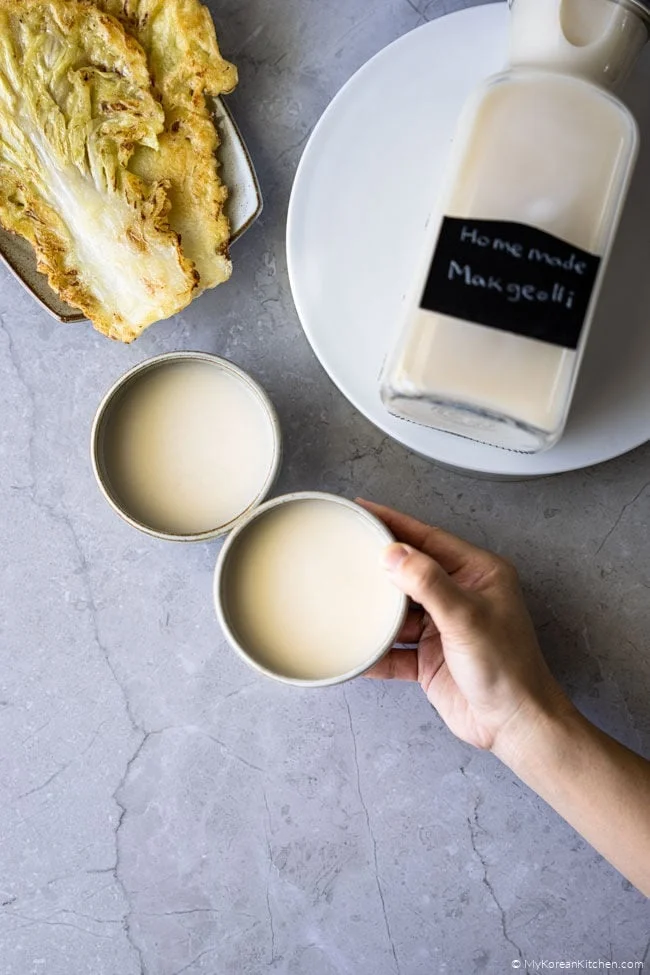
In the quiet corners of modern kitchens, a centuries-old tradition is witnessing a remarkable revival. Makgeolli (막걸리), the milky, effervescent, and mildly sweet Korean rice wine, has transcended its rural, agricultural origins to become a celebrated centerpiece of contemporary culinary culture. Once synonymous with the hard-working farmers of the Korean countryside, this traditional fermented beverage is now finding its way into the homes of urban home-brewers who find the process of transforming simple rice, water, and nuruk into a complex, living drink deeply rewarding.

Brewing makgeolli is not merely a recipe; it is a lesson in patience and observation. As the mixture undergoes its daily transformation, the brewer becomes a caretaker of a dynamic ecosystem. The reward is a beverage that balances a soft rice aroma with a gentle, refreshing tang—a flavor profile that is nearly impossible to replicate with commercial, mass-produced alternatives.

The Essence of Makgeolli: Understanding the Fundamentals
At its core, makgeolli is a testament to the efficiency of traditional Korean fermentation. The process relies on three primary components: steamed rice, water, and nuruk. While the ingredient list is deceptively short, the chemistry involved is sophisticated.

Nuruk is the soul of the process. It is a traditional fermentation starter consisting of grains (typically wheat, rice, or barley) that have been inoculated with various molds, yeasts, and bacteria. These microorganisms provide the enzymes necessary to break down the starches in the steamed rice into fermentable sugars, which the yeast then converts into alcohol and carbon dioxide.

While some purists rely solely on the wild yeasts present in the nuruk, many modern home-brewers incorporate a small amount of commercial yeast to ensure a more reliable, active, and consistent fermentation cycle. This marriage of ancient technique and modern control allows for a refined, balanced final product that mimics the smooth, easy-drinking characteristics of premium commercial brands like Jipyeong Makgeolli.

A Chronological Guide to the Brewing Process
Achieving a high-quality batch of makgeolli requires a disciplined approach. The following timeline outlines the journey from raw ingredients to a bottled, sparkling beverage.

Phase 1: Preparation and Activation (Hours 0–3)
The process begins with the preparation of the two primary biological engines: the yeast mixture and the nuruk mixture. In two separate bowls, the brewer combines the yeast with sugar and water, and the nuruk with water. These are left to sit for approximately three hours. This period is crucial; it allows the microorganisms to wake from their dormant state, ensuring they are primed for the intensive work of breaking down the starches once introduced to the rice.

Phase 2: The Steaming Method
Simultaneously, the rice must be prepared. Unlike the soft, moist rice typically found in a home meal, makgeolli requires rice that is firm and distinct. The rice is soaked for one hour, then drained and steamed for 40 minutes, followed by a 10-minute rest period in the covered steamer. This steaming method ensures that the grains retain their structure, which is vital for a clean, non-slimy fermentation process.

Phase 3: The Marriage of Ingredients
Once the rice has been spread out and cooled to room temperature—preventing the heat from denaturing the delicate yeast—the true work begins. The cooled rice is combined with the prepared nuruk mixture in a large basin. For 10 to 15 minutes, the brewer must massage the mixture by hand. This mechanical action is not merely about mixing; it is about breaking down the rice grains and ensuring the nuruk enzymes are in direct, intimate contact with the starch. Finally, the yeast mixture and an additional liter of water are added, signaling the start of the fermentation.

Phase 4: Daily Stewardship (Days 1–4)
The mixture is transferred to a clean, wide-mouthed fermentation vessel, leaving sufficient headspace for the inevitable expansion and gas production. Covered with a breathable cloth to allow for air exchange while keeping contaminants out, the jar is kept in a warm environment (23–25°C).

For the next four days, the brewer must act as a steward. Daily, the mixture is stirred thoroughly from the bottom up. During this time, the brewer watches for the signs of life: the rise of bubbles, the deepening of the alcoholic aroma, and the gradual softening of the rice solids. Taste testing is encouraged during this phase to determine the exact moment the balance of sweetness and acidity aligns with the brewer’s preference.

Phase 5: The Final Extraction
When the fermentation reaches the desired maturity, the mixture is strained through a fine-mesh bag or nut milk bag. By squeezing the bag against a colander, the brewer extracts the liquid, which is then diluted with an additional two liters of water to reach the desired alcohol content and consistency. Finally, a measured amount of sugar is stirred in to provide the signature sweetness that defines classic makgeolli.

Technical Data and Nutritional Profile
While makgeolli is an alcoholic beverage, it is often lauded for its potential probiotic benefits, owing to the active fermentation process. A standard serving contains roughly 879 kcal per total batch (which yields approximately 4 liters).

Key Nutritional Estimates:

- Carbohydrates: ~197g
- Protein: ~15g
- Sodium: 43mg
- Sugar: ~18g
Note: These figures are estimates. As an artisanal, fermented product, exact nutritional content can fluctuate based on the specific type of nuruk used, the ambient temperature during fermentation, and the precise sugar content added during the final dilution phase.

Troubleshooting and Professional Maintenance
The transition of makgeolli from a raw mixture to a finished drink is susceptible to environmental factors. If the temperature is too low, fermentation may stall; if too high, it may lead to off-flavors or excessive sourness.

Official Guidelines for Safety:

- Visual Inspection: If the brew displays fuzzy mold (other than the natural growth on the nuruk), or if there is a putrid, rotten smell, it must be discarded immediately. A healthy fermentation should smell distinctly sweet, sour, and yeasty.
- Pressure Management: Because makgeolli continues to ferment in the bottle, it is a "living" drink. Home-brewers must release pressure from the bottles regularly during the first few days of refrigeration to prevent bottles from bursting due to carbon dioxide buildup.
- Shelf Life: Homemade makgeolli lacks the preservatives found in commercial varieties. It should be consumed within seven days of bottling to ensure the freshest flavor and optimal texture.
Implications: The Cultural and Culinary Value of Home-Brewing
The rise in home-brewed makgeolli is not just a trend; it represents a broader movement toward "slow food" and culinary self-sufficiency. By learning to brew, individuals are reconnecting with the historical narrative of Korean alcohol, where households traditionally produced their own regional variations of takju (opaque rice wine).

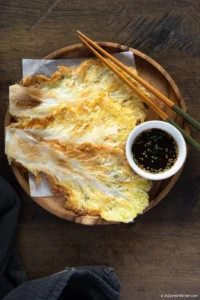
Furthermore, the versatility of makgeolli makes it a culinary asset. It pairs naturally with traditional drinking foods (anju) such as Baechujeon (cabbage pancakes), Dubu Kimchi (tofu with stir-fried kimchi), and Kimchi Jeon. The drink’s profile—which can be manipulated by adding probiotic drinks like Yakult for a sweeter, tangier twist, or even used as a base for dessert-like shakes—shows its adaptability to the modern palate.

In summary, while the process of making makgeolli demands attention to detail and a commitment to daily care, the resulting experience is one of profound satisfaction. It is a bridge between the past and the present, offering a sensory experience that defines the very heart of Korean home-brewing. Whether enjoyed chilled, over ice, or paired with a savory pancake on a rainy day, homemade makgeolli stands as a testament to the enduring beauty of traditional fermentation.

 Nana Wu
  Asro
Asro  Layla Zulfa
