
 By Layla Zulfa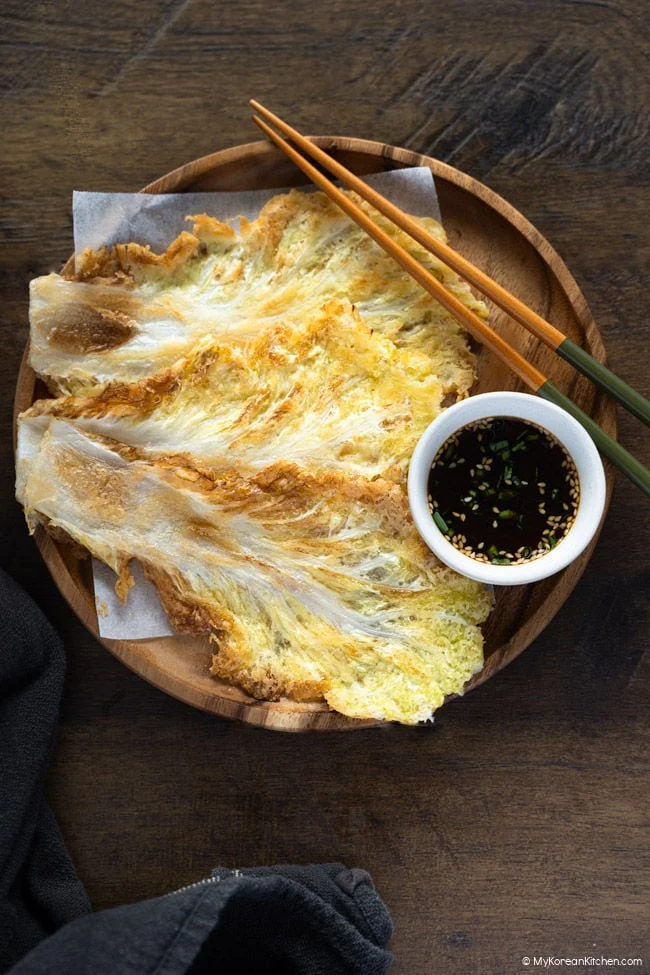
In the vast and vibrant landscape of Korean cuisine, where complex fermentation processes and slow-cooked broths often take center stage, there exists a quiet, understated masterpiece: Baechujeon. A traditional pancake composed primarily of Napa cabbage, this dish is a testament to the Korean culinary philosophy of highlighting the intrinsic quality of raw ingredients. While dishes like Kimchi-jeon (kimchi pancake) or Haemul-pajeon (seafood scallion pancake) are known for their bold, layered flavors, Baechujeon is a study in texture, subtle sweetness, and the refined application of heat.
Main Facts: The Anatomy of a Korean Classic
At its core, Baechujeon is an exercise in minimalist cooking. The dish consists of whole or halved Napa cabbage leaves, lightly dipped in a thin wheat-based batter, and pan-fried until the edges achieve a delicate, golden crispness. Unlike other pancakes that rely on a thick dough to bind various chopped ingredients, the integrity of the cabbage leaf is maintained throughout the process.
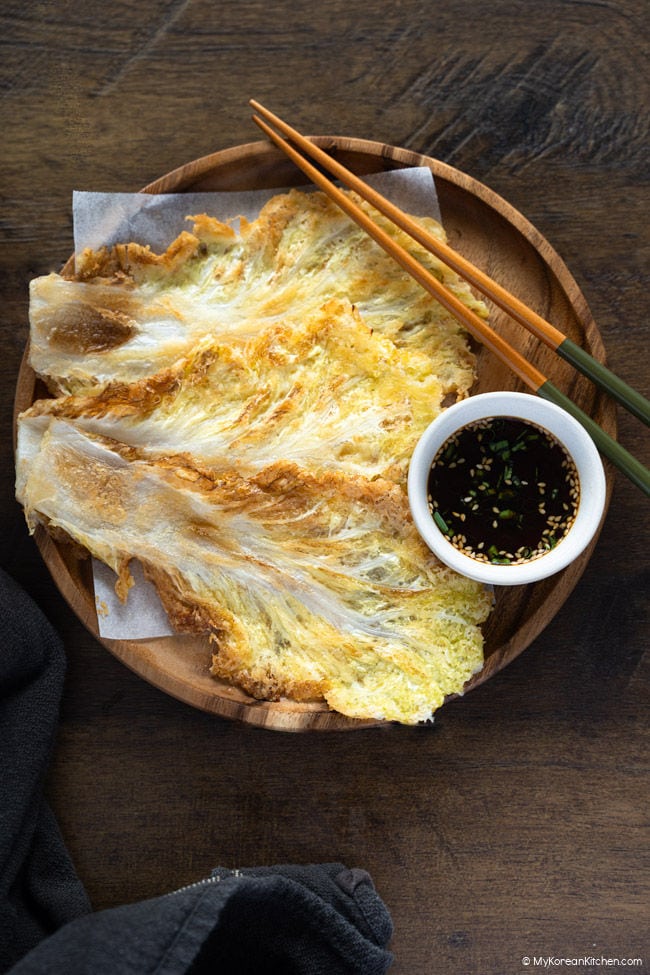
The dish is celebrated not for a complex spice profile, but for the interplay between the tender, steamed interior of the cabbage and the crunchy, fried perimeter. When prepared with care, the cabbage loses its raw, fibrous bite, transforming into a silky, sweet vegetable that carries the nutty aroma of the oil used for frying.
Crucially, the success of Baechujeon hinges on two key components: the quality of the Napa cabbage—which must be fresh and sweet—and the choice of fat. The use of perilla oil, a staple in Korean kitchens, provides a distinct, earthy, and nutty depth that complements the mildness of the cabbage. Furthermore, the incorporation of saeujeot (salted shrimp) into the preparation—or occasionally as a seasoning agent—introduces a subtle, savory "umami" punch that elevates the dish from a simple vegetable side to a sophisticated culinary experience.
Chronology: A Culinary Journey from Garden to Pan
The preparation of Baechujeon follows a traditional, linear sequence designed to maximize the texture of the vegetable.
1. Preparation and Scoring
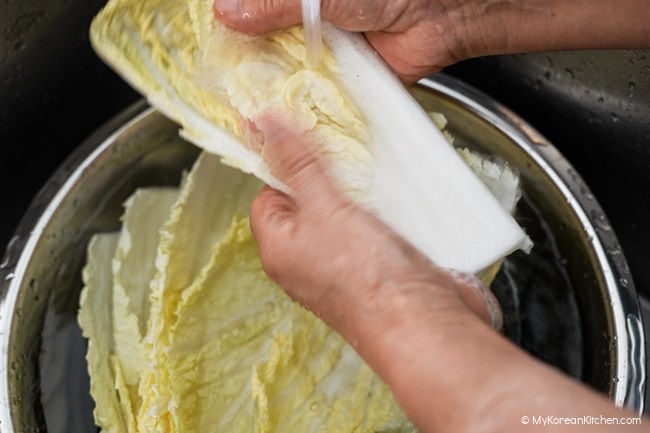
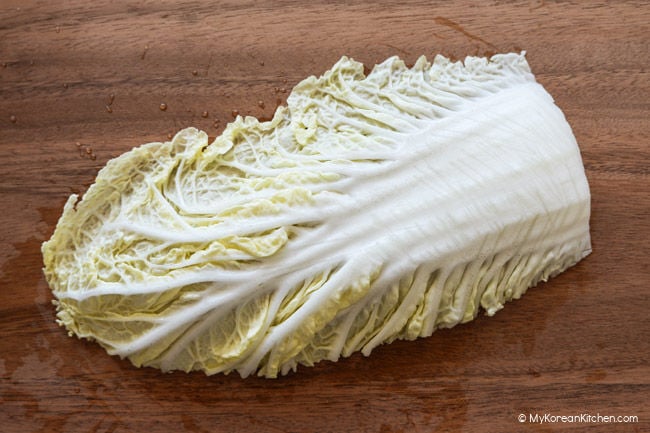
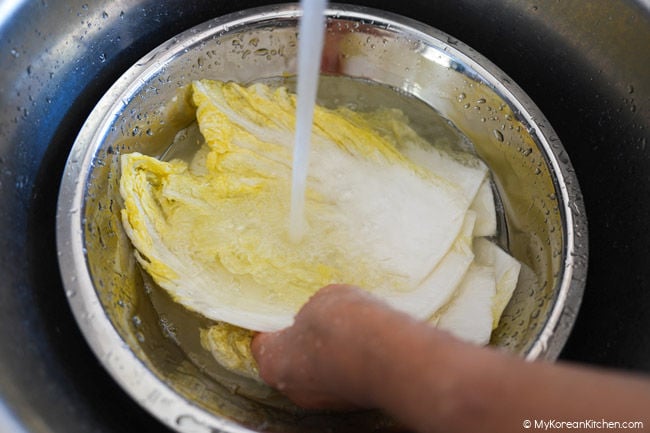
The process begins with the careful selection and cleaning of fresh Napa cabbage. Each leaf is rinsed under cold, running water to ensure all grit is removed from the base. A signature technique in authentic Baechujeon is the shallow scoring of the thick white stems. By making light, diagonal cuts across the stems, the cook ensures that the fibrous core softens at the same rate as the tender leafy green sections. This step is vital for achieving a uniform texture throughout the pancake.
2. The Salting Phase
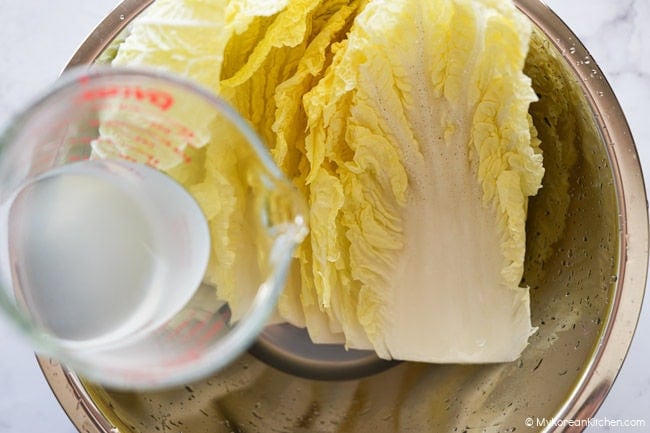
Once cleaned and scored, the leaves are submerged in a light salt-water brine. This brief maceration—usually lasting no more than five to ten minutes—serves a dual purpose. First, it draws out excess moisture, which prevents the pancake from becoming soggy during frying. Second, it softens the leaves, making them more pliable and easier to handle when they are subsequently dipped into the batter.
3. Batter Formulation
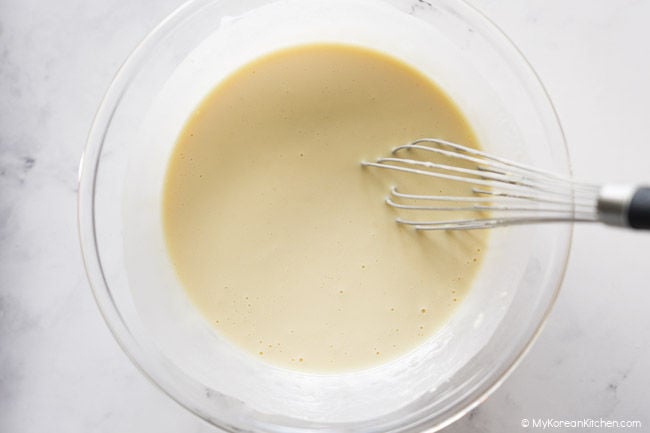
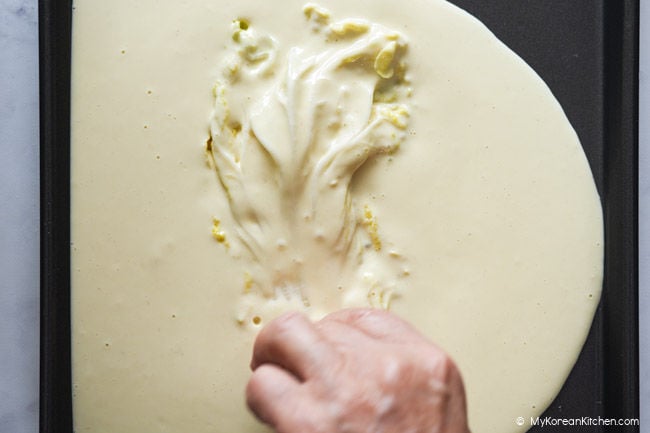
The batter for Baechujeon is notoriously thin. It is not meant to create a heavy bread-like coating; rather, it acts as a structural veil that protects the cabbage from direct, aggressive heat. A mixture of flour, water, and sometimes a hint of starch is whisked until smooth. The objective is a consistency that clings to the leaf without obscuring its natural form.
4. Pan-Frying
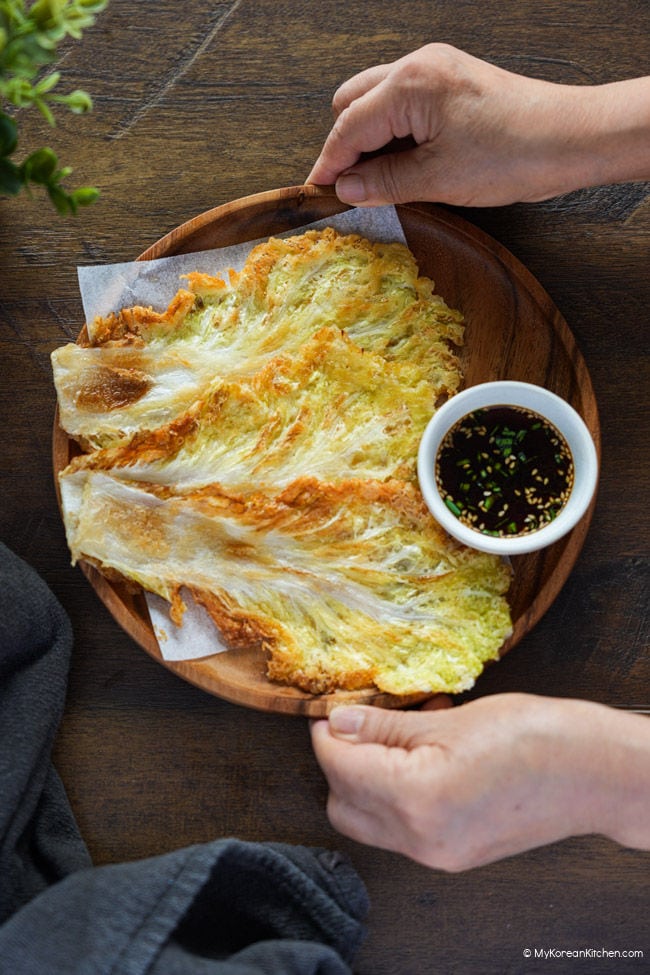
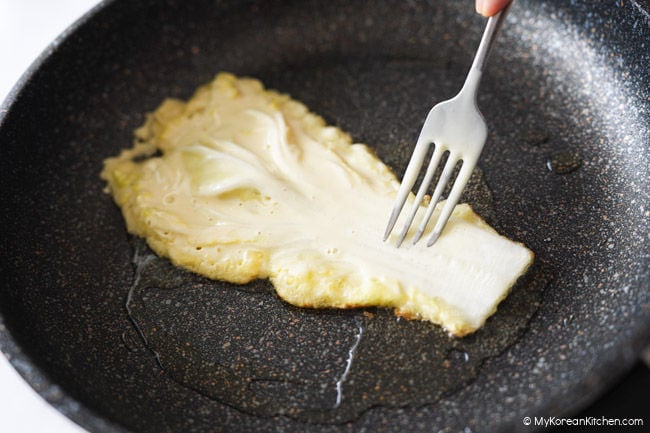
The final stage is the application of heat. Using a wide, heavy-bottomed pan, a generous amount of perilla oil is heated over medium flame. The cabbage leaves, having been patted dry to remove excess water, are dipped into the batter and laid flat in the pan. As the batter sizzles, the edges begin to turn a deep, golden brown. Each side is typically cooked for 1–2 minutes. The result is a pancake that is remarkably light, fragrant, and visually elegant.
Supporting Data: Nutritional Profile and Gastronomic Context
While Baechujeon is often classified as a comfort food, its nutritional profile is surprisingly modest, making it a popular choice for those seeking a lighter meal. A single serving generally contains approximately 54 kilocalories, characterized by a high water content and a significant dose of dietary fiber, vitamins A and C, and calcium.
The low caloric density, combined with the presence of monounsaturated fats from the perilla oil, aligns with modern nutritional recommendations for plant-forward diets. However, the sodium content, primarily derived from the salt-water soak and any accompanying dipping sauce, necessitates a balanced approach to portion control for individuals monitoring their salt intake.
Nutritional Breakdown (per serving estimate):
- Calories: 54 kcal
- Carbohydrates: 9g
- Protein: 1g
- Total Fat: 1g
- Sodium: 619mg
- Dietary Fiber: 0.5g
Official Perspectives: The Role of Baechujeon in Modern Korean Dining
Culinary historians and modern chefs in Seoul often emphasize that Baechujeon serves as an important bridge between the past and present. In the past, this dish was a staple during harvest seasons when Napa cabbage was most abundant and sweet. Today, it remains a favorite "home-style" dish that represents the concept of Jeong—the Korean sentiment of affection and connection shared through food.
Leading food experts argue that the endurance of Baechujeon lies in its accessibility. Because the ingredient list is minimal, it serves as a "control" dish that showcases a cook’s fundamental skill. When a chef can perfectly balance the crunch of the leaf with the tenderness of the stem, it is considered a mark of true proficiency in traditional Korean frying techniques.
Furthermore, many contemporary restaurants have begun experimenting with variations, such as using different dipping sauces or incorporating aged doenjang (soybean paste) into the batter. Despite these innovations, the consensus among traditionalists remains that the original, simple version—highlighting the perilla oil and the natural sweetness of the cabbage—is the gold standard.
Implications: The Future of Traditional Pancakes
As Korean cuisine continues to gain global traction, the focus is shifting toward the nuanced, plant-based aspects of the culture. Baechujeon is perfectly positioned to capture the interest of the modern, health-conscious global diner. Its preparation, while specific, is not labor-intensive, and the ingredients are widely available in most international markets.
Moreover, the rise of the "minimalist cooking" movement in social media and culinary media provides a unique platform for this dish. In an era dominated by heavy, complex fusion foods, the visual and sensory appeal of a crispy, golden-brown cabbage leaf is powerful. It challenges the Western perception that pancakes must be heavy or sweet, demonstrating instead that they can be a delicate, savory, and sophisticated component of a multi-course meal.
The long-term implication is that Baechujeon is likely to see a surge in popularity as a "gateway" dish for home cooks interested in Korean cuisine. Its simplicity serves as an invitation, stripping away the intimidation often associated with foreign cooking and replacing it with the rewarding, tactile experience of frying fresh, crisp vegetables in a fragrant, golden oil.
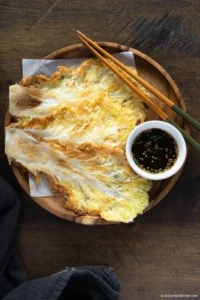
Ultimately, Baechujeon reminds us that the most memorable culinary experiences are not always the result of the most ingredients, but rather the most careful attention to the ingredients we already have. Whether enjoyed as an afternoon snack with a soy-vinegar dipping sauce or as a refined accompaniment to a dinner of grilled meats, the Korean cabbage pancake remains a timeless masterpiece of simplicity.
 Raul Delapena Setiawan
  Asep Darmawan
  Nana Wu
