 By Pevita Pearce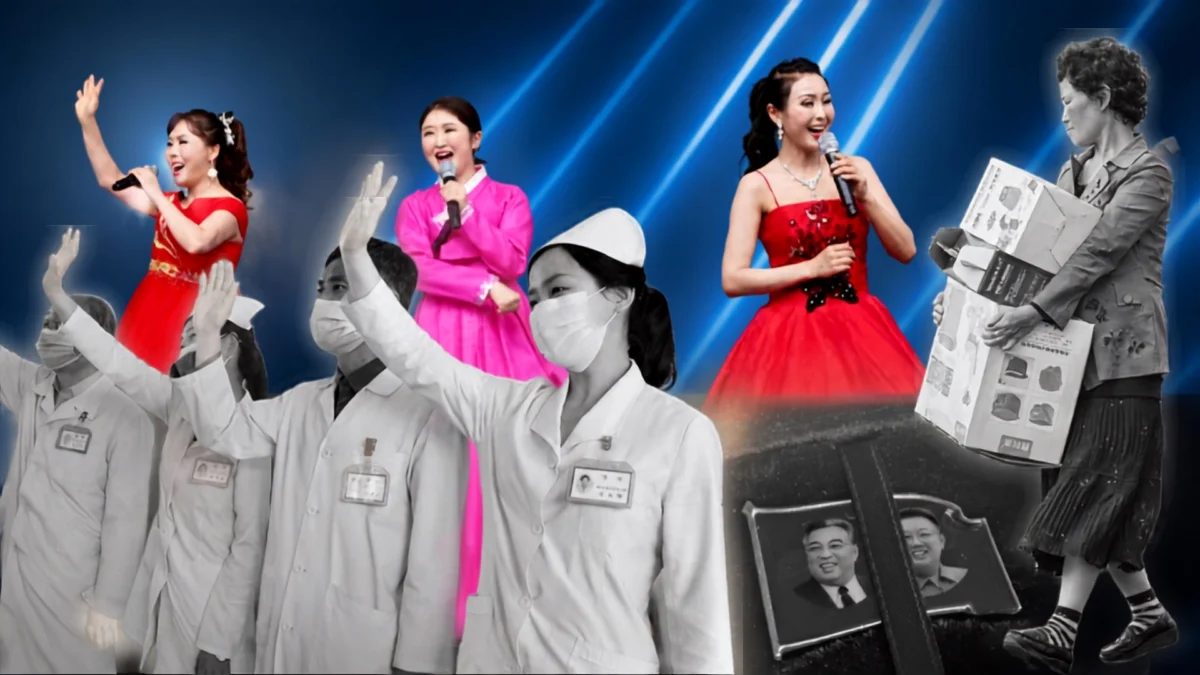
The late 1960s and early 1970s represent a distinct, fever-pitched epoch in North Korean history. It was a time when the state transitioned from post-war reconstruction to a rigid, suffocating apparatus of total ideological control. While the external world views this period through the lens of Cold War geopolitics, declassified Soviet diplomatic archives—released during the presidencies of Vladimir Putin and Dmitry Medvedev—provide an intimate, often unsettling look at the daily realities of life under the nascent "Singular Thought System."
These documents, compiled by Soviet embassy staff stationed in Pyongyang, act as a time capsule. They reveal a nation where the line between medical practice and political indoctrination blurred, where tourism was a dangerous game of ideological litmus tests, and where the specter of nuclear war dictated the layout of the agrarian landscape.
The Crucible of Ideology: A Chronology of Control
To understand the atmosphere described in these Soviet dispatches, one must examine the rapid solidification of the Kim Il Sung cult of personality during this era.
- 1967 – The Singular Thought System: The introduction of the "Monolithic Ideological System" (the Ten Principles) effectively criminalized any deviation from Kim Il Sung’s thought. This marked the end of internal political pluralism within the Workers’ Party of Korea.
- 1968 – The Pueblo Incident: The capture of the USS Pueblo heightened military tensions, triggering a nationwide shift toward a "fortress mentality," where every civilian facility was audited for its potential wartime utility.
- 1970 – The Fifth Party Congress: This meeting solidified the transition of the state into a hyper-militarized entity, emphasizing "self-reliance" (Juche) above all else.
- 1974 – The Criminal Code: The promulgation of a new, rigid penal code formalized the state’s ability to punish "ideological impurities," providing the legal framework for the purges that would define the decade.
Medical Absurdities and the Cult of the Leader
Perhaps the most startling revelation within the Soviet archives concerns the infiltration of political dogma into the sanctity of the doctor-patient relationship. According to reports filed by Soviet medical attachés in Pyongyang, the healthcare sector was not merely concerned with the eradication of disease, but with the preservation of ideological purity.
Doctors were documented reciting excerpts from Kim Il Sung’s speeches to patients as a form of "therapeutic" intervention. In one instance, a Soviet diplomat noted with incredulity that a physician, rather than prioritizing a diagnostic procedure, insisted on a period of reflection on the leader’s teachings as a precursor to treatment. The assumption, codified by the state, was that physical ailments were secondary to the "sickness" of incorrect thinking.
The archives detail a system where medical records were cross-referenced with political loyalty files. A patient’s access to specialized care or advanced medicine was frequently contingent upon their family’s record of devotion to the regime. This practice transformed hospitals into sites of surveillance, where the white coat became an extension of the party apparatus.
Tourism as a Battlefield
For the few Soviet-bloc tourists granted entry to North Korea during the 1970s, the experience was less a vacation and more a performative exercise in ideological compliance. Soviet reports describe these interactions as "performative friction."
Tourists were strictly forbidden from engaging with locals in an unmonitored capacity. However, even within controlled settings, the pressure to conform was immense. One report describes a group of Eastern European tourists who were scolded by their North Korean handlers for requesting music that was deemed "revisionist." The state’s definition of "revisionist" was broad, encompassing almost any Western-influenced pop or folk music that did not glorify the socialist struggle or the leader himself.
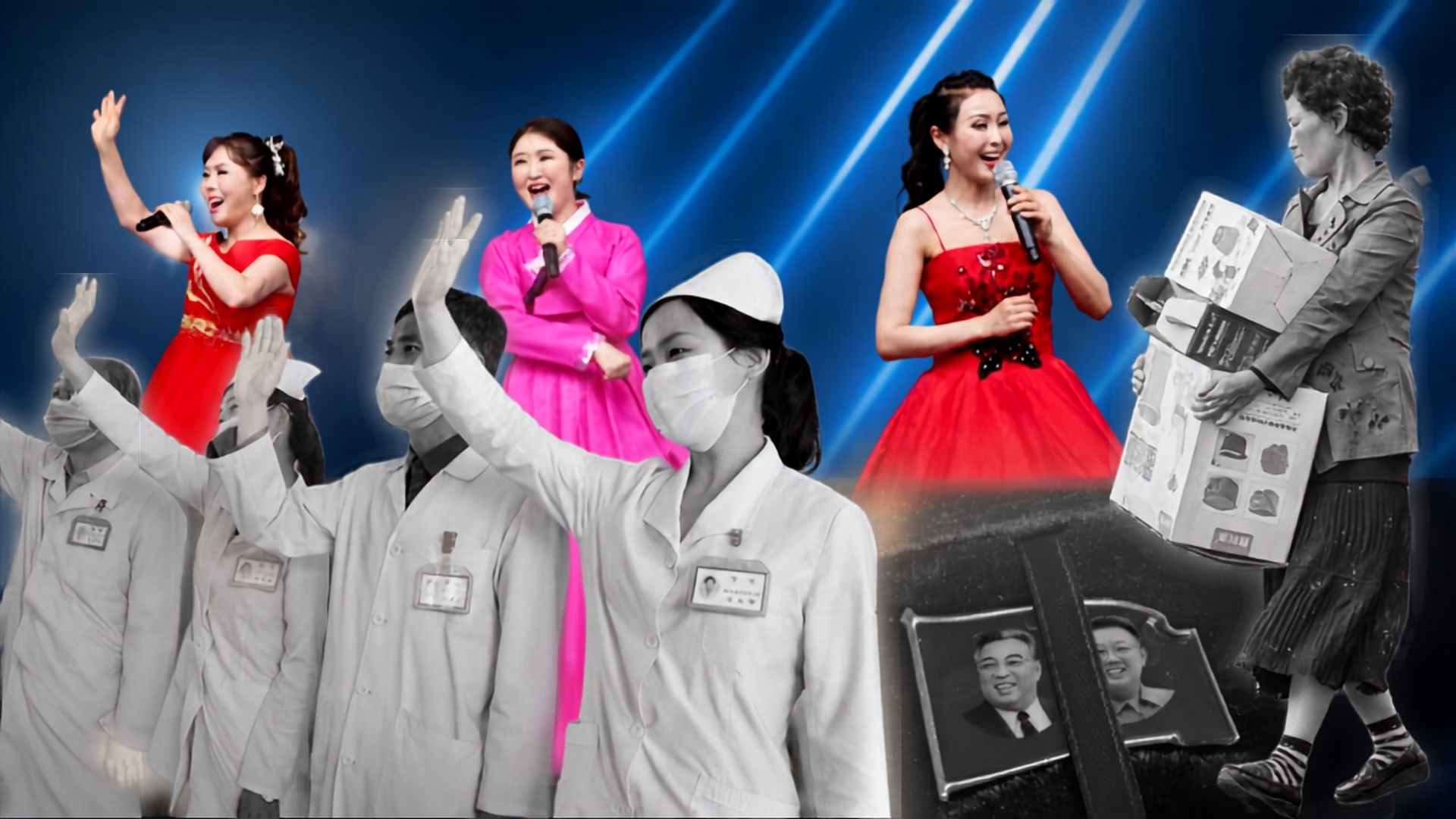
The North Korean guides treated these tourists as students who required constant re-education. Any sign of enthusiasm for "decadent" culture was met with formal complaints to the Soviet embassy. The archives portray a nation terrified of the "contamination" that foreign tourists might bring, transforming the tourism sector into a high-stakes intelligence operation where every conversation was recorded and every reaction analyzed for signs of ideological weakness.
The Agrarian Front: Preparing for the Apocalypse
Beyond the cities, the Soviet archives shed light on the transformation of the North Korean countryside. By the early 1970s, the regime was deeply preoccupied with the possibility of a second Korean War. This fear manifested in the physical landscape of the agricultural sector.
Soviet observers noted that collective farms were no longer just centers of production; they were defensive installations. Farmers were routinely drilled in evacuation procedures and the conversion of silos into bomb shelters. The language used in these reports is striking: the "war against nature" was constantly conflated with the "war against the imperialists."
Trade, too, was conducted through this lens. Soviet officials expressed frustration at the North Korean insistence on prioritizing military-industrial logistics over agricultural efficiency. Despite the country’s frequent food shortages, the regime would often divert labor and resources from the harvest to reinforce irrigation tunnels that could serve as bunkers. The archives indicate that even in the middle of a planting season, farm work was regularly interrupted for "combat-readiness" drills, a practice that Soviet diplomats argued was significantly hampering the country’s economic stability.
Official Responses and Historical Context
While the North Korean state has never acknowledged the authenticity of these specific Soviet documents, their internal state media from the era—the Rodong Sinmun and KCNA—provides a parallel narrative. In the 1970s, these outlets frequently ran editorials warning of the "poisonous winds of revisionism" and the necessity of "revolutionary vigilance."
The documents serve as an external confirmation of the internal rhetoric found in Pyongyang’s propaganda. When the Soviet Union moved to declassify these files, it was not merely a matter of historical transparency; it was a way for the post-Soviet Russian state to distance itself from the failed experiments of its satellite relationships. For historians, these documents provide the "missing link" between the regime’s public pronouncements and the often-bizarre realities of their implementation.
Implications: The Legacy of 1970s Dogma
The legacy of the early 1970s in North Korea cannot be overstated. The systemic integration of ideology into every facet of life—medicine, travel, and farming—created a psychological environment that persists to this day.
- The Persistence of Surveillance: The practices established in the 1970s, such as the use of neighborhood watch units (inminban) and political loyalty rankings, remain the backbone of the current regime’s control.
- Technological Stagnation: By prioritizing military and ideological training over scientific and agricultural modernization, the North Korean state locked itself into a cycle of underdevelopment that continues to plague the nation.
- The "Fortress" Mindset: The obsession with nuclear survival and "wartime thinking" seen in the Soviet archives is the direct ancestor of the modern nuclear program. The regime’s belief that its survival depends on a totalizing, isolated state is not a new phenomenon; it is a refined version of the strategies tested in the 1970s.
In conclusion, the declassified Soviet archives offer more than just historical trivia; they offer a window into the creation of the modern North Korean state. By examining how doctors, tourists, and farmers were managed during this formative period, we gain a deeper understanding of the mechanisms of control that continue to keep the country isolated from the rest of the global community. The "strange" details found in these reports are, in reality, the foundational pillars of the Kim dynasty’s enduring, if tragic, grip on power.

 Ali Ikhwan
  Nila Kartika Wati
  Jia Lissa
