 By Ali Ikhwan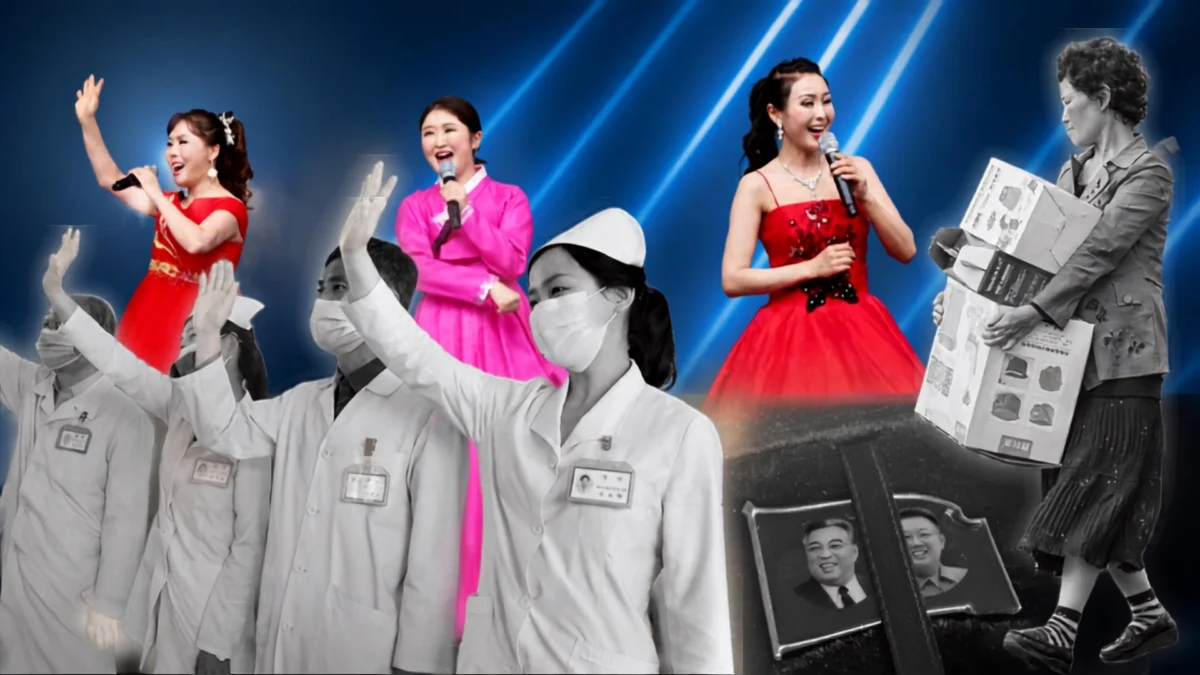
The late 1960s and early 1970s represent a watershed era in the development of the Democratic People’s Republic of Korea (DPRK). It was a period defined by the solidification of absolute state control, the crystallization of the Kim Il Sung cult of personality, and the hardening of the country’s ideological borders. While historians have long relied on official state propaganda to piece together the narrative of this era, a treasure trove of declassified Soviet diplomatic archives—released during the administrations of Vladimir Putin and Dmitry Medvedev—has provided a startlingly candid window into the daily life, paranoia, and rigid orthodoxy of the Kim regime.
These documents, primarily dispatch reports from the Soviet Embassy in Pyongyang to Moscow, paint a picture of a nation where ideology had fully permeated the private spheres of medicine, leisure, and labor. From doctors forced to prioritize political loyalty over clinical practice to the chilling normalization of "wartime thinking" in the agricultural sector, these records strip away the artifice of state-sanctioned history to reveal the psychological architecture of the North Korean state.
The Crystallization of the Singular Thought System
To understand the atmosphere described in the Soviet reports, one must first look at the institutionalization of the "Singular Thought System" in 1967. This policy was not merely a guideline; it was an existential mandate that required every citizen to view the world through the prism of Kim Il Sung’s directives.
By 1974, this ideological fervor was codified into law with the promulgation of the DPRK’s first comprehensive Criminal Code. This legal framework transformed the state’s ideological demands into enforceable criminal statutes. Soviet diplomats, who were uniquely positioned as the regime’s "fraternal" allies, observed the rapid erosion of individual agency. Their reports describe a society being forcibly reshaped into a monolith, where dissent was not only a political crime but a moral failure.
Chronology of Ideological Hardening (1967–1974)
The trajectory of North Korea during this period was marked by specific milestones that tightened the regime’s grip on the populace:
- 1967: The Adoption of the Monolithic Ideological System. Kim Il Sung formally declares the "Singular Thought System," effectively purging rivals and subordinating all institutions—including the military and the judiciary—to his personal ideology.
- 1968: The Pueblo Incident. The capture of the USS Pueblo heightens tensions with the United States, providing the regime with a pretext to shift the nation onto a permanent war footing.
- 1970: The Fifth Congress of the Workers’ Party of Korea. The party officially adopts the "Juche" ideology as the supreme guiding principle, signaling a move toward greater isolationism and self-reliance.
- 1972: The Socialist Constitution. A new constitution is adopted, formalizing the cult of personality and consolidating power within the presidency.
- 1974: The Criminal Code. The state formalizes its punitive apparatus, codifying crimes against the state and ensuring that ideological non-conformity is punishable by incarceration or death.
Daily Life in the Shadow of the State
The Soviet archives offer granular details that go beyond high-level politics. The reports suggest that the regime’s influence was pervasive, impacting the most mundane interactions of daily life.
Medicine and the Cult of Personality
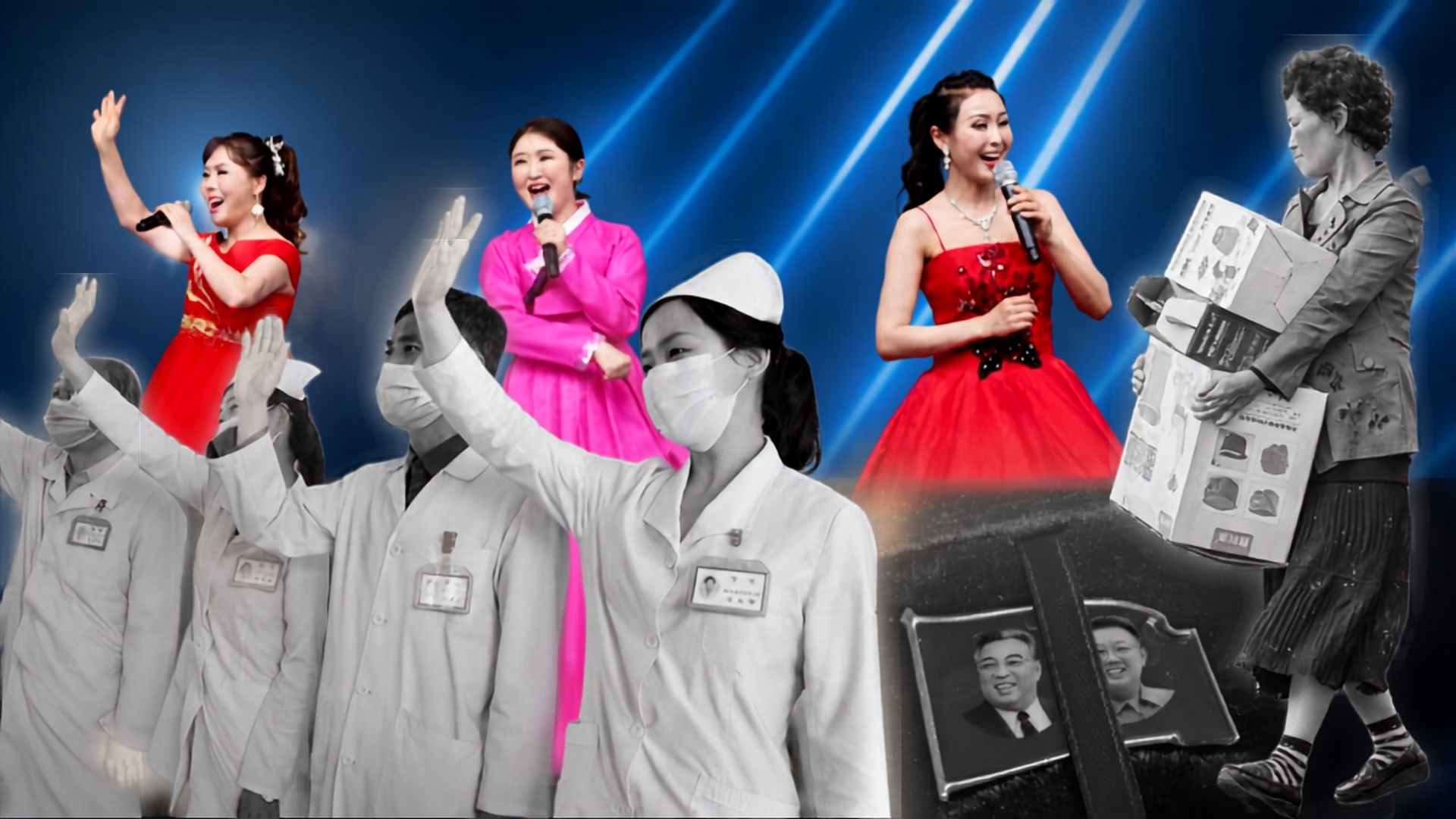
Perhaps most harrowing are the reports regarding the medical profession. Soviet observers noted that doctors were frequently required to recite passages of Kim Il Sung’s writings before performing medical procedures. The objective was clear: to ensure that the "Great Leader’s" thought preceded all scientific or clinical reasoning. The Soviet embassy noted that this created a cognitive dissonance among healthcare professionals, who were forced to balance the reality of patient care with the mandatory performance of ideological devotion.
Tourism as an Ideological Battlefield
Even foreign tourism—a rare luxury in the 1970s—was treated as a front in the ideological war. The reports recount instances where visiting foreign tourists, often from other Eastern Bloc nations, were reprimanded for listening to music deemed "revisionist." The North Korean authorities viewed Western or even liberal-leaning Soviet music as a moral contagion that threatened to soften the resolve of the revolutionary citizenry. Tourists were monitored closely, and any deviation from the state-approved narrative was met with stern intervention from government handlers.
Wartime Thinking on the Farm
In the agricultural sector, the regime utilized the threat of foreign invasion to extract maximum productivity. Soviet diplomats observed that farmers were constantly lectured on the necessity of "wartime thinking." This was not merely about food security; it was a psychological tool designed to keep the population in a state of high-alert, perpetual anxiety. By framing agricultural production as a defense of the nation against an imminent American imperialist threat, the regime justified extreme labor quotas and the total mobilization of the rural workforce.
Supporting Data: The Diplomatic Lens
The Soviet perspective is particularly valuable because of the USSR’s unique relationship with North Korea. As a patron state, the Soviet Union provided the resources and technical expertise that kept the North Korean economy afloat. However, these documents reveal a growing rift between the two nations.
Soviet diplomats often expressed frustration in their reports, describing their North Korean counterparts as increasingly paranoid and unreasonable. The documents indicate that by the mid-1970s, the Soviet embassy was struggling to maintain influence as the DPRK shifted toward a more xenophobic and inward-looking posture. These reports serve as a vital data point for historians, demonstrating that the "Hermit Kingdom" was not merely a product of its own making, but a result of a conscious rejection of the broader socialist bloc’s more moderate trajectory.
Official Responses and Historical Reception
While the DPRK has never officially acknowledged the accuracy of these Soviet records, the regime has consistently maintained that the period of the late 1960s and early 70s was a "Golden Age" of self-reliance and revolutionary purity. Pyongyang’s official historiography portrays the solidification of the Singular Thought System as a triumphant defense of national sovereignty against external pressures.
International scholars, however, point to these archives as confirmation of the regime’s systemic reliance on terror. The "candid" nature of the Soviet reports—written for internal consumption by Kremlin officials rather than for public propaganda—lends them a high degree of credibility. They corroborate the accounts of North Korean defectors who have long spoken of the suffocating atmosphere of the 1970s, providing a rare "external" verification of the lived experience of that era.
Implications: The Legacy of the 1970s
The implications of these findings are profound for our understanding of contemporary North Korea. The patterns established in the 1970s—the weaponization of medicine, the paranoia surrounding foreign influence, and the use of "wartime thinking" to maintain social control—are not historical artifacts; they are the foundations upon which the current regime operates.
The 1974 Criminal Code, for instance, remains the bedrock of the North Korean legal system. The emphasis on the "Singular Thought System" has evolved into the current cult of the Kim family dynasty. By studying these declassified documents, observers of North Korea gain a clearer understanding of why the regime is so resistant to reform. The current leadership is not merely acting out of instinct; they are following a carefully curated blueprint of survival that was tested and refined in the crucible of the 1970s.
Ultimately, these Soviet archives serve as a stark reminder that the "strangeness" of North Korea is not a result of haphazard policy, but the calculated outcome of an ideology that sought to replace the individual with the state. The reports from the Soviet Embassy in Pyongyang allow us to see the North Korean state not as a static entity, but as a dynamic, evolving organism that learned early on that to survive, it had to control the very thoughts of its people. As we continue to analyze these declassified files, the true nature of the DPRK’s survival strategy becomes increasingly, and chillingly, clear.
 Ammar Sabilarrohman
  Pevita Pearce
  Nana Wu
