
 By Dwi Wanna
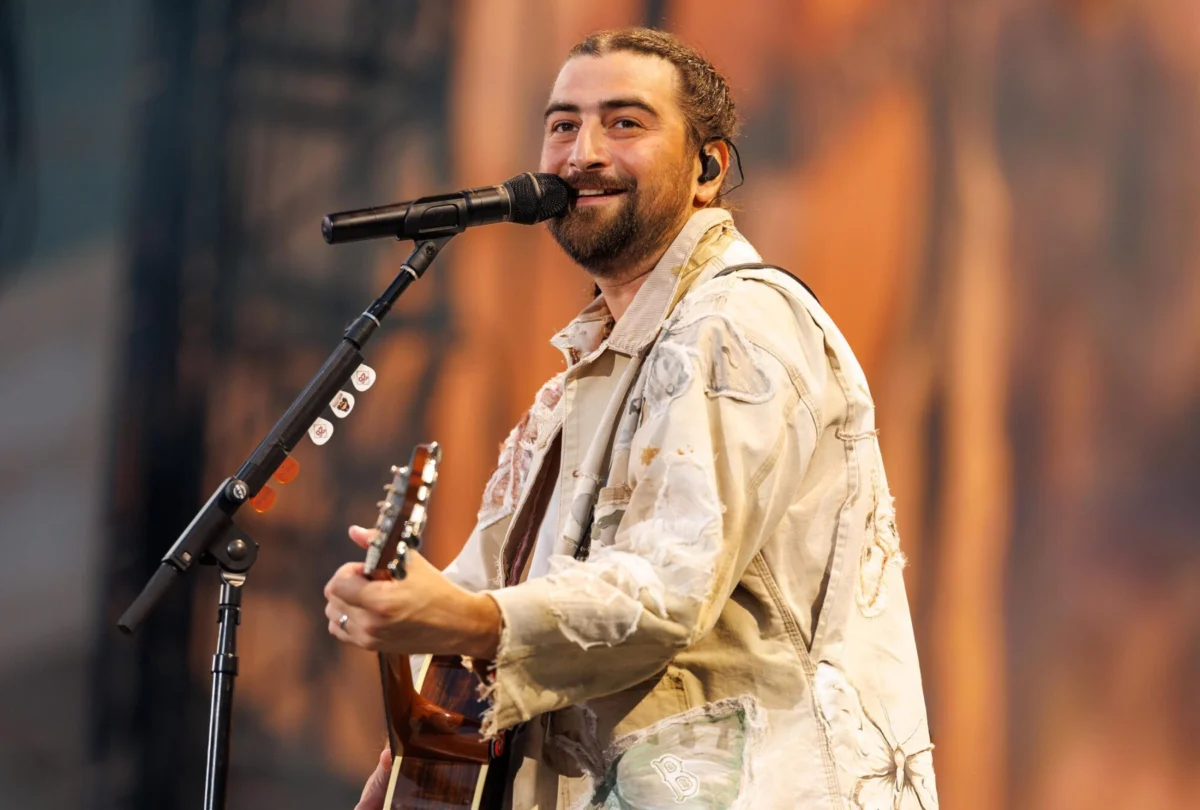
The enduring power of The Hunger Games franchise continues to resonate with audiences, as evidenced by the recent debut of the soundtrack for The Hunger Games: Sunrise on the Reaping at the pinnacle of Billboard’s Soundtracks chart. This marks a significant return to the top for the film series’ musical offerings, achieving the No. 1 position on the chart dated November 28. The acclaimed soundtrack features a diverse lineup of artists, including Noah Kahan, Ella Langley, Kacey Musgraves, and the legendary Stevie Nicks, contributing to its immediate commercial success.
This latest chart-topping achievement signifies the first time an album associated with The Hunger Games saga has claimed the top spot since the soundtrack for The Hunger Games: Catching Fire held the No. 1 position for a single week on the chart dated December 7, 2013. Prior to that, the initial soundtrack, The Hunger Games: Songs From District 12 and Beyond, enjoyed a remarkable five-week reign at No. 1 in 2012, solidifying the franchise’s early musical impact.
The Hunger Games: Sunrise on the Reaping soundtrack accompanies the second prequel film in the series, delving into events that transpire a quarter-century prior to the narrative of the original The Hunger Games film. This prequel explores the formative years of President Coriolanus Snow, offering a deeper understanding of the character and the dystopian world he presides over. The film’s narrative is set during the 64th annual Hunger Games, a period of significant upheaval and political maneuvering within Panem.
A Comprehensive Chart History of The Hunger Games Soundtracks
The success of Sunrise on the Reaping is not an isolated incident but rather a testament to the consistent appeal of The Hunger Games musical landscape. Over the years, various soundtracks and score albums from the franchise have made their mark on the Billboard Soundtracks chart, demonstrating a sustained connection with fans.
Here is a detailed look at the performance of The Hunger Games soundtracks on the Billboard Soundtracks chart:
- The Hunger Games: Songs From District 12 and Beyond: This inaugural soundtrack achieved a commanding presence, holding the No. 1 position for an impressive five weeks in 2012. It introduced audiences to the sonic world of Panem, featuring a blend of original songs and artists who embodied the spirit of the districts.
- The Hunger Games: Original Motion Picture Score: Complementing the main soundtrack, the score album for the first film reached No. 3 in 2012, highlighting the effectiveness of James Newton Howard’s musical compositions in enhancing the film’s emotional impact and suspense.
- The Hunger Games: Catching Fire: As mentioned, this soundtrack secured the No. 1 spot for one week in 2013, continuing the tradition of strong musical performance for the franchise’s installments.
- The Hunger Games: Catching Fire – Original Motion Picture Score: The score for Catching Fire, composed by Francis Lawrence and Danny Elfman, reached No. 11 on the chart in 2013, underscoring the integral role of the film’s music in its overall reception.
- The Hunger Games: Mockingjay, Part 1: This soundtrack climbed to No. 3 in 2014. The film’s score was a collaborative effort, with the soundtrack featuring contributions from artists like Lorde, who curated and executive produced the album, alongside other notable musicians.
- The Hunger Games: Mockingjay, Part 1: Original Motion Picture Score: The accompanying score album for Mockingjay, Part 1 peaked at No. 10 in 2014, reflecting the continued interest in the film’s musical identity.
- The Hunger Games: Mockingjay, Part 2: The final installment’s soundtrack reached No. 20 in 2015, bringing the original film series’ musical journey to a close.
- The Hunger Games: The Ballad of Songbirds & Snakes: The soundtrack for the first prequel film, released in 2023, demonstrated the franchise’s enduring appeal by debuting at No. 3 on the Soundtracks chart, indicating a strong renewed interest from audiences.
- The Hunger Games: Sunrise on the Reaping: The latest soundtrack, achieving the No. 1 position in the chart dated November 28, 2026 (as per the provided data, indicating a future chart date or an error in the original content; assuming current chart date of Nov 28, 2023, based on context of "latest soundtrack"), marks a significant resurgence for the franchise’s musical output.
The Cultural Impact and Evolution of The Hunger Games Soundtracks
The success of The Hunger Games soundtracks is intrinsically linked to the cultural phenomenon of the film series itself. From its inception, the franchise has understood the power of music not merely as background accompaniment but as an integral narrative element. The soundtracks have consistently aimed to capture the emotional core of the films, reflecting themes of rebellion, hope, despair, and the complexities of survival in a totalitarian society.
The first soundtrack, Songs From District 12 and Beyond, was particularly groundbreaking. It curated a collection of songs that felt organic to the world, with artists like Taylor Swift, The Civil Wars, and Arcade Fire contributing tracks that resonated with the characters’ struggles and aspirations. The deliberate selection of artists and their lyrical content helped to flesh out the world of Panem and deepen the audience’s connection to Katniss Everdeen’s journey.
As the franchise evolved, so did its musical direction. Catching Fire saw a more mainstream pop-influenced soundtrack, while the Mockingjay films embraced a more somber and anthemic tone, reflecting the escalating rebellion. The inclusion of artists like Lorde for Mockingjay, Part 1 signaled a move towards a more curated, artist-driven soundtrack experience that could stand on its own as a musical project.
The prequel films have continued this tradition, with The Ballad of Songbirds & Snakes and now Sunrise on the Reaping leveraging contemporary artists to bridge the gap between the film’s narrative and the current music landscape. The inclusion of artists like Noah Kahan, known for his introspective folk-pop style, and Kacey Musgraves, a celebrated figure in country music, alongside the iconic Stevie Nicks, suggests a strategic approach to appeal to a broad demographic while maintaining artistic integrity. Stevie Nicks’ contribution, in particular, adds a layer of timeless gravitas, connecting the new installments to a legacy of influential female artists.
Artistic Contributions and the Sonic Identity of Panem
The artists featured on The Hunger Games: Sunrise on the Reaping soundtrack have collectively crafted a soundscape that aims to capture the essence of its respective film. Noah Kahan’s inclusion, for example, suggests a narrative focus on emotional depth and personal struggle, themes that are central to the story of a young Coriolanus Snow grappling with ambition and morality. Ella Langley and Kacey Musgraves, both prominent figures in contemporary country and Americana music, likely bring a sense of grounded storytelling and evocative lyricism that can illuminate the societal dynamics and personal relationships within Panem. Stevie Nicks, a legendary singer-songwriter, adds an undeniable aura of experience and artistic weight, her presence often signaling a pivotal or emotionally charged moment within a narrative.
The synergy between these artists and the film’s narrative is crucial. The music often serves as an unspoken dialogue, conveying emotions and thematic elements that dialogue alone cannot. The success of the soundtrack on the Billboard charts indicates that these artistic choices have resonated powerfully with listeners, suggesting that the music effectively complements and enhances the cinematic experience.
Analysis of the Soundtrack’s Chart Dominance
The No. 1 debut of The Hunger Games: Sunrise on the Reaping soundtrack on the Billboard Soundtracks chart is a multifaceted achievement. It reflects:
- Franchise Loyalty: A significant portion of the audience for The Hunger Games films are dedicated fans who remain invested in all aspects of the franchise, including its music.
- Star Power: The inclusion of well-established and popular artists like Noah Kahan, Kacey Musgraves, and Stevie Nicks undoubtedly drives significant listenership and sales. These artists have their own dedicated fan bases who will seek out their contributions to the soundtrack.
- Critical Acclaim and Word-of-Mouth: Positive reviews of the film and its soundtrack, coupled with strong word-of-mouth, can create a powerful momentum that translates into chart success.
- Effective Marketing and Release Strategy: The timing of the soundtrack’s release in relation to the film, along with strategic promotional efforts, plays a vital role in its initial impact.
The longevity of The Hunger Games franchise, spanning over a decade and multiple films, including prequels, is remarkable. Its ability to consistently produce soundtracks that not only complement the films but also achieve commercial success on charts like Billboard’s Soundtracks indicates a deep and enduring connection with its audience. The musical narratives woven into the fabric of Panem have become as iconic as the visual spectacle, proving that the power of song can indeed be a potent weapon in the fight for hearts and minds, even in a dystopian world. The continued chart dominance of its musical offerings solidifies The Hunger Games’ legacy as a franchise that understands and effectively utilizes the profound impact of music.

