
 By Pevita Pearce
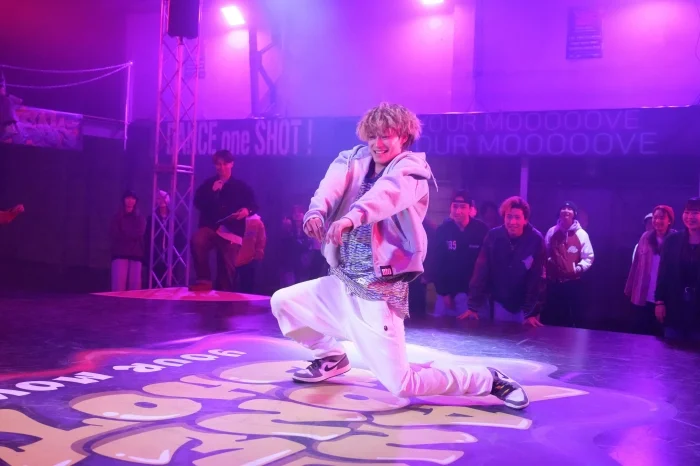
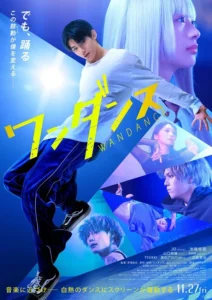
The landscape of Japanese youth cinema is set to undergo a transformative shift with the highly anticipated release of the live-action adaptation of WanDance. Produced by Happinet Phantom Studios, this film promises to bridge the gap between high-energy street dance culture and the emotional resonance of coming-of-age storytelling. As the production gears up for its late-November 2026 release, excitement surrounding the cast and the creative direction has reached a fever pitch, signaling a potential landmark moment for Japanese music-centric films.
Main Facts: A Convergence of Music and Motion
At its core, WanDance is a narrative about breaking free from the constraints of societal expectations through the medium of dance. The film follows a group of students who find their identity and purpose on the dance floor, moving beyond the rigid structures of their daily lives.
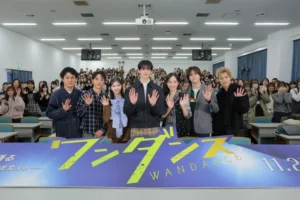
The production has secured a powerhouse ensemble cast, featuring members from some of Japan’s most prominent boy groups, including JO1, &TEAM, and MAZZEL. By casting actual performers who have navigated the rigors of professional training and stage performance, the film ensures a level of authenticity in its choreography that is rarely seen in mainstream adaptations.
Key details regarding the production include:
- Release Date: November 27, 2026.
- Production Studio: Happinet Phantom Studios.
- Genre: Coming-of-age, Musical/Drama, Street Dance.
- Key Cast Members: Featuring talent from JO1, &TEAM (including Seiya), Girls², and MAZZEL (Ran).
- Thematic Focus: The intersection of personal liberation and the collective "crew" mentality.
Chronology: The Road to the Big Screen
The journey of WanDance from a beloved manga property to a feature-length motion picture has been characterized by meticulous planning and a focus on casting accuracy.
Early 2026: The Casting Phase
The production team initiated an exhaustive search for leads capable of delivering both high-level dance performances and nuanced emotional acting. The decision to tap into the "idol-to-actor" pipeline was calculated; producers sought to leverage the existing fan bases of groups like JO1 and &TEAM while ensuring the technical skill required for complex, modern street dance sequences was present from day one.
Mid-2026: Choreography and Principal Photography
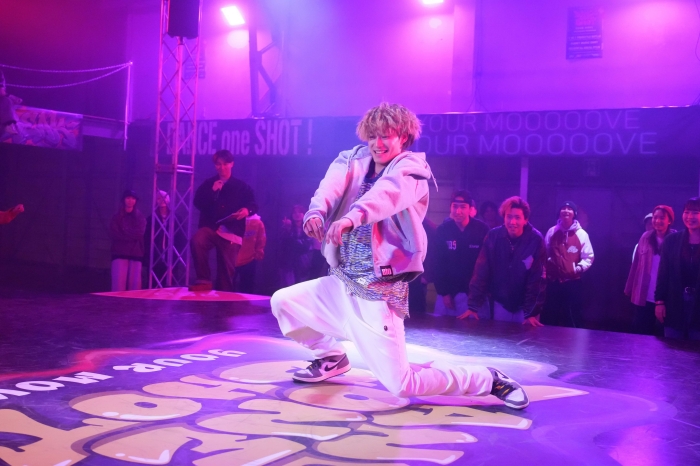
Following the finalized cast list, the production entered a rigorous rehearsal phase. Unlike traditional dramas, WanDance required a training schedule akin to an athlete’s preparation. The integration of various musical styles—ranging from hip-hop to contemporary pop—necessitated collaboration with top-tier producers and choreographers, including contributions from the origami PRODUCTIONS team, specifically SWING-O and GuruConnect.
Late 2026: The Promotion Cycle
As of October 2026, the marketing campaign has shifted into high gear. Official trailers have teased the film’s visual language, which emphasizes kinetic energy and high-contrast cinematography. The strategic release of short-form content on social media platforms—designed to appeal to the digital-native demographic—has already generated significant buzz.
Supporting Data: The Anatomy of a Modern Dance Film
What sets WanDance apart from its predecessors is its commitment to the technical side of the craft. The film does not merely use dance as a backdrop; it treats dance as a language.
The inclusion of members from &TEAM—specifically Seiya—has been a focal point of the pre-release analysis. Seiya, known for his technical prowess and commanding stage presence, brings a level of legitimacy to the film’s central conflict: the internal struggle between following a conventional path and pursuing the raw, often unpredictable, passion of dance.
Industry analysts note that the budget allocation for WanDance reflects a significant investment in post-production, specifically regarding the "digital dance" sequences. By utilizing motion-capture and advanced CGI, the film aims to represent the "internal flow" of the dancers—visualizing the music as it impacts the characters. This stylistic choice is intended to make the audience feel the rhythm, rather than just observing it.
Official Responses and Creative Vision
The production team at Happinet Phantom Studios has maintained that WanDance is a love letter to the "crew" mentality. In a recent press release, the director highlighted the importance of the ensemble cast: "We didn’t want to make a film about a solo hero. We wanted to capture the collective breath of a group of people who find their home in each other through movement."
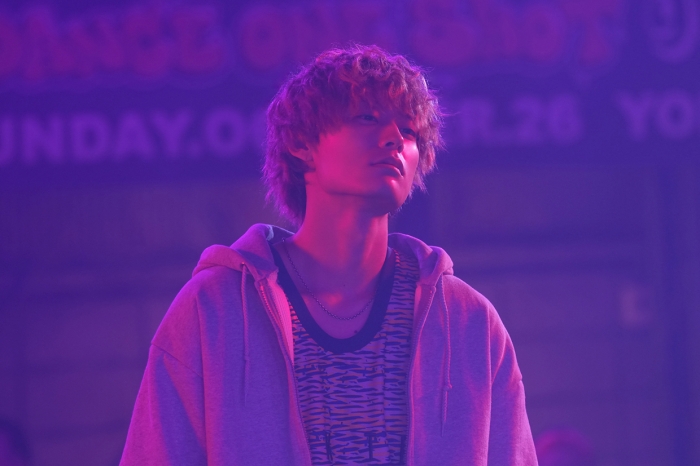
Members of the cast have also voiced their excitement. The collaboration between different talent agencies—often a rarity in the highly segmented Japanese entertainment industry—is being hailed as a sign of progress. Ran (MAZZEL) and the representatives from JO1 have noted in interviews that the shared experience of the rehearsal studio broke down professional barriers, allowing for a more genuine depiction of friendship and rivalry on screen.
The creative team emphasized that the music, produced by the likes of SWING-O, serves as the film’s heartbeat. "Every track was composed with the choreography in mind," the production noted. "The music isn’t just an addition; it is the catalyst for every character development arc in the film."
Implications: The Future of Youth-Centric Cinema
The success of WanDance could signal a pivot in how Japanese studios approach youth-oriented content. If the film performs well at the box office, it could lead to:
- Increased Cross-Agency Collaborations: The success of pooling talent from various boy groups could normalize inter-agency projects, leading to higher-budget, higher-quality productions.
- The Rise of the "Music-First" Drama: Similar to the success of international dance films, WanDance may set a template for integrating high-level professional choreography into narrative storytelling, moving away from "idol cameos" and toward "performer-led" features.
- Digital Integration: The use of visual effects to represent the internal experience of the characters could influence future live-action adaptations of manga and anime, where the "inner world" of the character is often difficult to translate to the screen.
Conclusion: A Cultural Phenomenon in the Making
As November 27 approaches, the anticipation for WanDance is not just about the star power involved; it is about the promise of a film that understands the modern youth experience. By blending the disciplined world of professional performance with the chaotic, beautiful uncertainty of adolescence, the production team has positioned WanDance to be more than just a seasonal release.
Whether it succeeds in redefining the genre remains to be seen, but the groundwork—meticulous casting, high-stakes choreography, and a commitment to authentic storytelling—is firmly in place. For fans of the source material and newcomers alike, the film represents a rare opportunity to see the worlds of music and cinema collide in a way that feels both groundbreaking and deeply personal.
The "WanDance" movement is no longer just a story on a page; it is a full-scale cinematic event that invites the audience to stop watching and start feeling. When the lights go down in theaters this November, the rhythmic pulse of the film will likely resonate far beyond the screen, cementing its place in the 2026 cultural zeitgeist.
 Asro
 Siti Muinah
 Suro Senen

