
 By Asro
Introduction
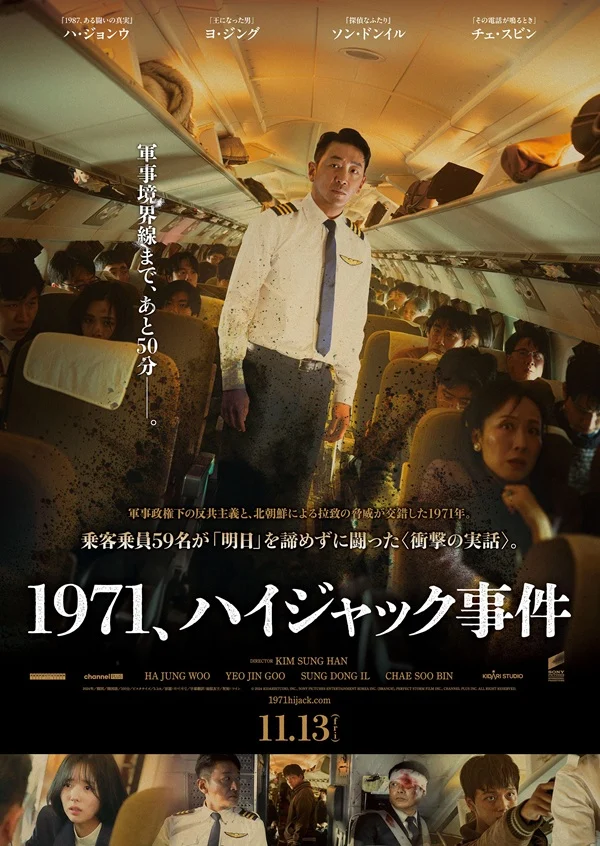
The annals of aviation history are often marked by moments of profound courage and desperate human struggle. Among these, the hijacking of Korean Air Flight HL5212 in 1971 stands as a seminal event that fundamentally reshaped South Korean aviation security protocols. Decades later, the intensity of this harrowing ordeal has been captured in the cinematic production Hijack 1971, a film that serves not merely as an entertainment vehicle but as a somber tribute to the 59 passengers and crew whose lives hung in the balance on a cold winter day. As the film prepares for its theatrical release on November 13, 2026, it invites a new generation to confront a pivotal moment of national trauma, heroism, and the enduring legacy of those who fought to save the lives of their fellow citizens.
Main Facts: The Anatomy of a Crisis
On January 23, 1971, the tranquil routine of a commercial domestic flight was shattered. Korean Air Flight HL5212, which had departed from Gangneung Airport and was bound for Seoul’s Gimpo Airport, became the stage for a life-or-death confrontation. Shortly after takeoff, while the aircraft was cruising, a hijacker armed with improvised explosives stormed the cockpit, demanding that the pilot divert the plane to North Korea.
This was not a simple criminal act; it was a desperate, politically charged attempt to force the aircraft across the demilitarized zone. The hijacker, fueled by radical intent and utilizing homemade explosive devices, seized control of the flight deck, putting the lives of all 59 souls on board in immediate jeopardy. The aircraft, an F-27, became an airborne prison where the claustrophobic confines of the fuselage amplified the tension between the crew’s duty to ensure passenger safety and the encroaching threat of mass destruction.
Chronology of the 1971 Hijacking
The timeline of the incident is defined by its rapid escalation and the subsequent tactical response required by the crew:
- 13:00 (approx.): The F-27 aircraft departs Gangneung, maintaining a standard flight path toward Seoul.
- 13:20: The hijacker detonates a device, causing structural damage and immediate panic among the passengers. The flight deck is breached.
- 13:25: The hijacker issues his demands, threatening to detonate further explosives if the pilot does not alter the course toward the North.
- 13:40: The crew, led by the pilot and co-pilot, initiates a series of maneuvers to neutralize the threat. Despite being wounded, the crew maintains communication with ground control while attempting to suppress the hijacker’s movements.
- 14:00: Through a combination of tactical flight maneuvers and physical resistance, the crew manages to force a landing on a remote sandy beach, preventing the aircraft from reaching North Korean airspace.
- 14:15: Security forces and local responders reach the site, securing the survivors and concluding the immediate crisis.
Supporting Data and Context
To understand the gravity of the 1971 hijacking, one must look at the geopolitical climate of the era. South Korea in the early 1970s was a nation defined by its fragility and the constant, looming threat of conflict across the 38th parallel. The hijacking of a commercial flight was perceived not just as an aviation security failure, but as an existential threat.
The aircraft involved, a Fokker F-27 Friendship, was a short-to-medium-range turboprop airliner. With a passenger capacity usually around 40 to 50, the flight was near full capacity. The fact that the crew managed to land a crippled aircraft on a sandy beach—a feat requiring immense skill and nerves of steel—remains a case study in emergency aviation. The psychological toll on the 59 survivors was immense, yet their collective resilience helped spark a national dialogue regarding the necessity for stricter screening and the fortification of commercial air travel against internal threats.
Official Responses and Tactical Evolution
In the immediate aftermath of the hijacking, the South Korean government faced immense pressure to overhaul its transportation security. The incident served as a wake-up call for the Ministry of Transport and the airline industry. New protocols were implemented, including the introduction of more stringent passenger baggage inspections, the presence of air marshals on domestic flights, and the hardening of cockpit doors.
Government officials emphasized that the safety of the civilian population was paramount. The bravery displayed by the flight crew was formally recognized, with the pilots receiving national commendations. However, the tragedy also forced a difficult reflection on the vulnerabilities of the time. The government acknowledged that the era’s political volatility had left the civilian infrastructure exposed to such desperate acts of terrorism. The transformation of these policies over the following decades has since rendered commercial air travel in South Korea among the safest in the world.
The Cinematic Portrayal: Hijack 1971
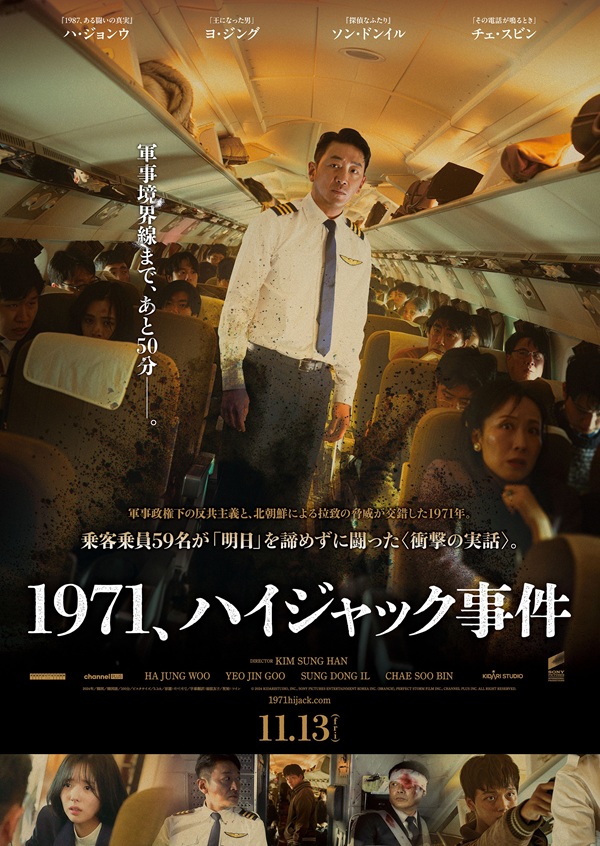
The upcoming film Hijack 1971 is directed by a team committed to honoring the historical gravity of the event. Starring Ha Jung-woo, Sung Dong-il, and Yeo Jin-goo, the production captures the claustrophobic terror of the hijacking. The filmmakers went to great lengths to ensure historical accuracy, working with consultants to recreate the interior of the F-27 and the specific flight dynamics of that day.
Director Kim Sung-han noted during production that the film is not just about the explosion or the hijacking itself, but about the "humanity that emerges in the face of impossible choices." The performances, particularly that of Yeo Jin-goo as the antagonist, provide a chilling look into the mind of a hijacker, while Ha Jung-woo provides a grounded, heroic performance as the pilot fighting to keep his passengers alive.
The film utilizes a 5.1-channel sound design to immerse the audience in the roar of the engines and the frantic screams of the passengers, aiming to bridge the gap between historical documentation and emotional experience. By focusing on the shared trauma and the eventual survival of the passengers, the film serves as a testament to the strength of the human spirit.
Implications for Modern Aviation Security
The legacy of the 1971 hijacking is woven into the very fabric of modern aviation safety. Every time a passenger passes through a metal detector or a flight deck door is locked, it is a response to the lessons learned from the chaos of 1971. The incident taught the world that commercial aviation is a soft target for those who seek to project political violence, and therefore, it must be protected with unwavering vigilance.
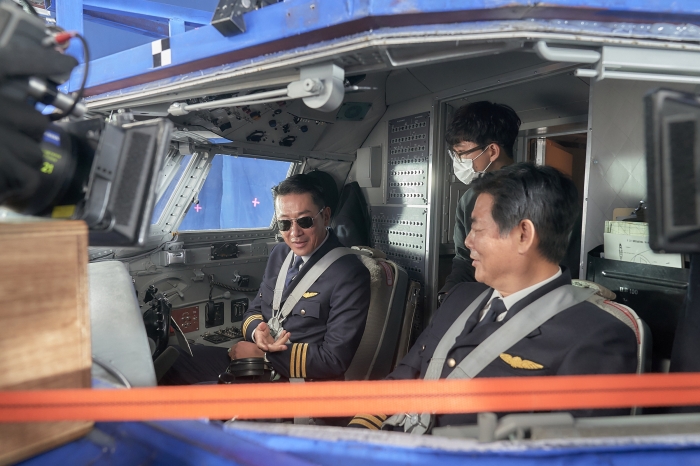
Furthermore, the 1971 incident reminds us of the critical importance of crew training. The pilots’ decision to land on a beach rather than succumb to the hijacker’s demands was a calculated risk that saved dozens of lives. It shifted the philosophy of aviation security from passive compliance to active crisis management.
Conclusion: A Legacy of Courage
As we approach the release of Hijack 1971 on November 13, 2026, the story of Flight HL5212 remains a powerful reminder of the cost of freedom and the fragility of peace. The passengers and crew of that flight were thrust into a nightmare not of their own making, yet they emerged as symbols of survival. Their story is a beacon of resilience, reminding us that even in the darkest of skies, the human resolve to protect life can prevail.
The film serves as an invitation to reflect on the past, honor those who stood their ground in 1971, and appreciate the safety measures that we now take for granted. The skies of Korea are safer today because of the lessons learned on that winter day, and the memory of those on board lives on, not just in history books, but in the enduring spirit of a nation that refuses to be broken by fear.
Production Details
- Hijack 1971
- Director: Kim Sung-han
- Cast: Ha Jung-woo, Sung Dong-il, Yeo Jin-goo
- Release Date: November 13, 2026
- Sound: 5.1 Channel Surround
- Distributor: Sony Pictures Entertainment Korea Inc. / Kidaristudio
- Official Website: 1971hijack.com
Note: This article is intended for informational purposes regarding the historical event and the upcoming cinematic dramatization.



 Siti Muinah
 Suro Senen
 Evan Lee Salim

