
 By Asep Darmawan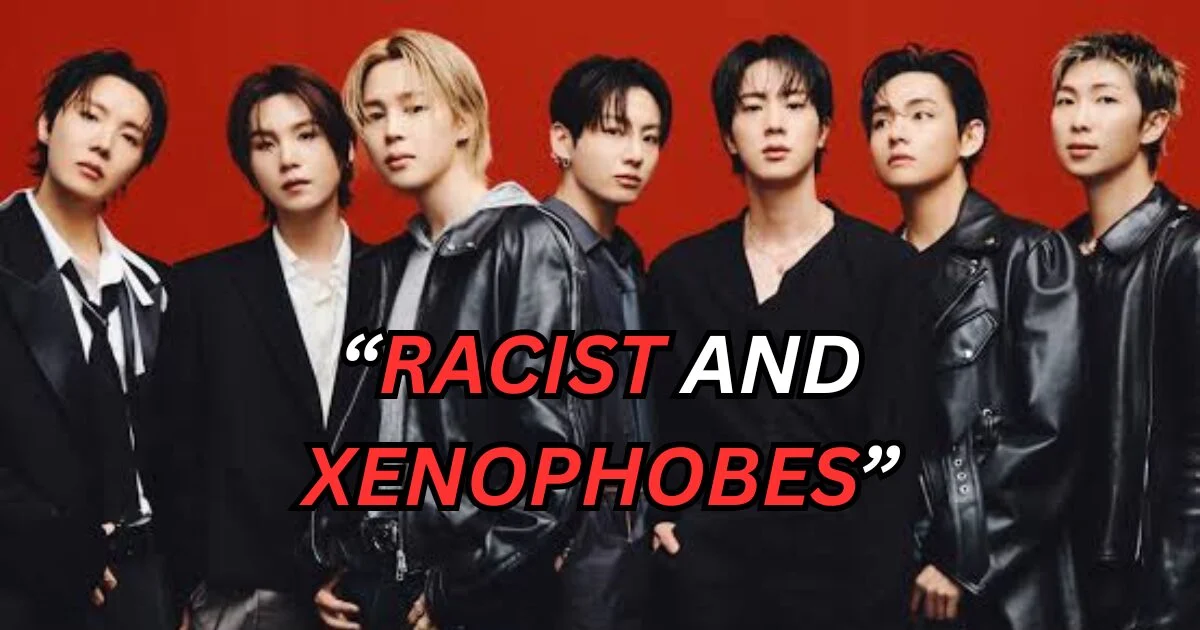
The global music industry is currently navigating a period of significant tension as BTS, the world-renowned South Korean septet, has officially declined to submit any musical entries for consideration at the upcoming Grammy Awards. This collective decision, reached unanimously by all seven members, marks a pivotal moment in the relationship between the Recording Academy and one of the most commercially successful acts in modern history. The move has triggered a complex series of events, including the disappearance of the group’s most-viewed performance videos from official platforms and a heated discourse regarding the Academy’s newly established "Asian Pop Music Performance" category. As fans and industry analysts scrutinize these developments, the situation has evolved into a broader conversation about representation, institutional bias, and the shifting power dynamics of the global music market.
The Catalyst: A Strategic Withdrawal from the Recording Academy
The current friction began when BTS announced they would not participate in the submission process for the next Grammy Awards cycle. Traditionally, artists or their labels submit recordings for consideration in various categories, which are then vetted and voted upon by the Recording Academy’s membership. By choosing to bypass this process entirely, BTS has effectively removed themselves from the running, a move that is being widely interpreted as a silent but powerful protest.
The group’s decision appears to be a direct response to the Recording Academy’s recent restructuring of its award categories. Specifically, the introduction of the "Asian Pop Music Performance" category has been met with significant criticism. While the Academy framed the addition as an effort to celebrate regional diversity, many critics, including BTS’s massive global fanbase, known as ARMY, view it as a form of "ghettoization." The argument suggests that by creating a specific category for Asian artists, the Academy is effectively barring them from competing in the main "Big Four" categories—Album of the Year, Record of the Year, Song of the Year, and Best New Artist—or the standard "Pop" categories where BTS has previously been nominated.
Chronology of BTS and the Grammy Awards
To understand the weight of the current boycott, one must look at the historical trajectory of BTS’s involvement with the Recording Academy. The relationship has been characterized by high-profile appearances and record-breaking viewership, contrasted with a lack of wins in major categories.
- 2019 (61st Grammy Awards): BTS made their first appearance as presenters for Best R&B Album. This was a landmark moment for a Korean group, signaling their entry into the upper echelons of the U.S. music industry.
- 2020 (62nd Grammy Awards): The group returned to perform as part of a "Lil Nas X and Friends" segment. While they did not have a solo stage, their presence was credited with a significant spike in social media engagement for the telecast.
- 2021 (63rd Grammy Awards): BTS received their first nomination for Best Pop Duo/Group Performance for "Dynamite." They also delivered a high-budget rooftop performance from Seoul. Despite the global success of the track, they did not win the award, leading to the viral trending of the hashtag #Scammys.
- 2022 (64th Grammy Awards): The group was nominated again in the same category for "Butter." Their live performance in Las Vegas was widely cited by critics as the highlight of the night. Again, the group left without a trophy.
- 2023 (65th Grammy Awards): BTS received three nominations, including their first in a "Big Four" category as featured artists on Coldplay’s "Music of the Spheres" (Album of the Year).
- 2026 (Present Day): The group announces a total boycott of submissions, followed by the controversial removal of their past performance footage from the Academy’s digital archives.
The Disappearance of "Dynamite" and "Butter" Performances
Amidst the fallout of the boycott announcement, fans noticed that the official performance videos for "Dynamite" (2021) and "Butter" (2022) had been removed from the Recording Academy’s website and YouTube channel. Prior to their removal, these videos were the most-viewed performances in the Academy’s digital history, garnering tens of millions of views and providing the organization with substantial traffic and ad revenue.

Initial reactions on social media accused the Recording Academy of "petty retaliation" for the group’s refusal to participate in the upcoming ceremony. Fans argued that the removal was an attempt to erase the group’s impact and legacy within the institution. However, a more technical analysis suggests a possible alternative explanation. Reports indicate that several other performances from the 2021 and 2022 ceremonies were also set to private or removed simultaneously. This has led some industry insiders to suggest that the removal may be linked to the expiration of licensing agreements. Performance rights for award shows are often negotiated for a fixed term—typically two to three years—after which the content must be removed unless the license is renewed.
Despite this technical possibility, the timing of the removal—occurring exactly as tensions between the group and the Academy reached a fever pitch—has made it difficult for the public to view the move as a mere coincidence. The Academy has yet to issue a formal statement clarifying whether the removal was a routine administrative action or a deliberate response to the group’s boycott.
Official Responses and Internal Friction
The tension has been further exacerbated by statements from high-ranking officials within the Recording Academy. Harvey Mason Jr., the CEO of the Grammy Awards, was forced to address the situation following the initial backlash to the "Asian Pop Music Performance" category. His response, which emphasized the Academy’s commitment to "evolution" and "inclusion," failed to mollify critics. Many felt his explanation was dismissive of the concerns regarding the marginalization of Asian artists.
Compounding the PR crisis, an unnamed Grammy official reportedly involved in the creation of the new category was quoted in a "messy rant," accusing BTS and their management of "media play." The official suggested that the group was attacking the organization to distract from other industry shifts, a claim that sparked further fury among fans and was viewed as highly unprofessional for a member of a prestigious voting body.
Supporting Data: The "BTS Effect" on Viewership
The Recording Academy’s apparent friction with BTS is particularly notable given the group’s documented impact on the Grammy Awards’ relevance. Data from previous years illustrates a clear correlation between BTS’s involvement and the show’s digital engagement:
- Social Media Volume: In 2021, the Grammy Awards generated roughly 1.2 billion impressions on Twitter. Mentions of BTS accounted for a staggering percentage of that total, often outperforming the combined mentions of all other nominees.
- Digital Traffic: The "Butter" performance video became the fastest performance in Grammy history to reach 10 million views on YouTube, driving unprecedented traffic to the Academy’s official channels.
- Demographic Reach: BTS brought a younger, more international demographic to a telecast that has historically struggled with declining viewership among Gen Z and Millennial audiences in the West.
Industry analysts suggest that by alienating BTS, the Recording Academy risks losing a significant portion of its global digital footprint, which is essential for maintaining its status as the "preeminent" music award in an era of streaming and social media.

Broader Implications for the Global Music Industry
The standoff between BTS and the Grammys is indicative of a larger shift in the music industry. For decades, Western institutions like the Recording Academy acted as the ultimate gatekeepers of musical "prestige." However, the rise of globalization and the dominance of digital platforms have allowed artists from non-Western regions to achieve massive success without the validation of these traditional bodies.
The creation of an "Asian Pop" category is seen by many as an outdated attempt to categorize music by the ethnicity of the performers rather than the genre of the music itself. Critics point out that "Pop" is a global genre, and a song like "Butter"—which is entirely in English and produced by a global team—should logically be judged alongside works by artists like Harry Styles or Taylor Swift, rather than being relegated to a regional sub-category.
Furthermore, this boycott sets a precedent for other global artists. If a group with the stature of BTS can thrive while publicly distancing themselves from the Grammys, it may embolden other international acts to question the necessity of Western institutional approval. This could lead to a decentralization of the music industry’s "prestige" economy, with more emphasis being placed on fan engagement, touring success, and global streaming metrics.
Conclusion: An Uncertain Future
As it stands, the relationship between BTS and the Recording Academy remains at an all-time low. The removal of the group’s performances, whether due to licensing or retaliation, serves as a symbolic end to an era of collaboration that was often fraught with tension. While the Recording Academy continues to grapple with issues of diversity and modernization, BTS appears focused on their own path, demonstrating that their influence is no longer dependent on the trophies they take home from Los Angeles.
The coming months will be telling. If the Grammy Awards experience a significant drop in international viewership and social media engagement, the Academy may be forced to re-evaluate its categorization strategies. For now, the "Dynamite" and "Butter" performances remain absent from the Academy’s site, a silent reminder of a partnership that, for all its record-breaking success, ultimately ended in a high-profile stalemate.

