
 By Sagoh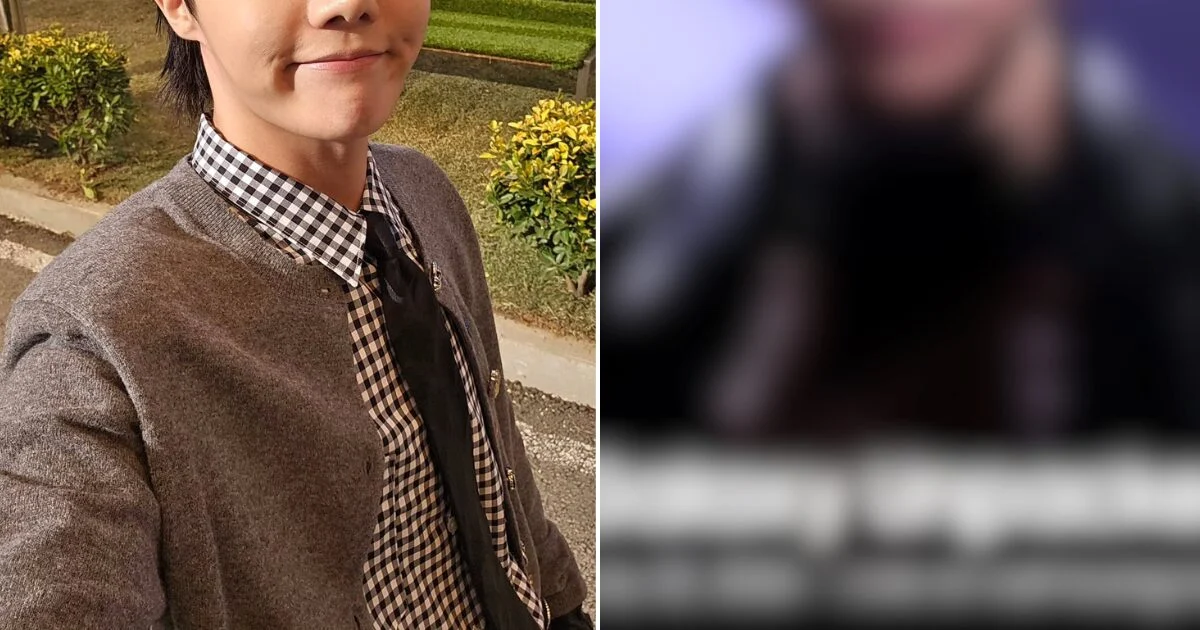
The controversy began on July 15, 2026, when several prominent music and technology news accounts on X (formerly Twitter) shared the promotional material. While the campaign was designed to celebrate J-Hope’s status as a global ambassador for the South Korean tech giant, the reception among certain segments of the online community was markedly hostile. Comments ranging from critiques of the photo’s editing to blunt accusations of plastic surgery quickly began to trend, overshadowing the technological announcements associated with the Galaxy Unpacked event.
The Context of the Samsung-BTS Global Partnership
The relationship between BTS and Samsung Electronics is one of the most successful and enduring brand partnerships in the modern entertainment era. Formalized in early 2020, the collaboration has seen the seven-member group serve as the face of various flagship products, including the Galaxy S-series and the innovative Z Flip and Z Fold foldable smartphones. This partnership has been instrumental in Samsung’s strategy to capture the demographic of "Generation Z" and millennials, leveraging the immense "soft power" of the BTS ARMY—the group’s global fan base.
J-Hope, born Jung Hoseok, has been a central figure in these campaigns. Known for his vibrant energy, fashion-forward aesthetic, and meticulous public image, he has often been selected for solo promotional spots that highlight his role as a trendsetter. The July 2026 campaign was expected to be a triumphant continuation of this role, following his return to full-time activities after completing his mandatory military service in late 2024. However, the visual presentation in the latest advertisement has led some viewers to question if the artist’s appearance has transitioned too far from his established look.
A Detailed Chronology of the Online Backlash
The timeline of the current controversy is a testament to the speed at which social media can shift the narrative of a corporate launch.
On the morning of July 15, 2026, the primary promotional image was disseminated via official Samsung channels and secondary news outlets like "About Music." Within three hours of the post, the engagement metrics spiked, but the sentiment analysis showed a sharp divide. While dedicated fans praised J-Hope’s professional demeanor and visual appeal, a vocal minority began "quote-tweeting" the image with derogatory remarks.
By the afternoon, the term "New Face" began to circulate with a double meaning: referring both to J-Hope’s role in the campaign and the accusation that his actual face had been surgically altered. Users pointed to perceived changes in his jawline, nose bridge, and general facial symmetry. One viral post, which garnered thousands of interactions, claimed that J-Hope was the "third member of BTS to have undergone a blatant cosmetic procedure," though no medical evidence or official confirmation has ever been provided to support such claims regarding any member of the group.
By the evening of July 15, the discourse had evolved into a broader debate about the ethics of digital retouching in the advertising industry. Critics argued that the heavy-handed use of filters and "skin-smoothing" tools by Samsung’s creative team had created an "uncanny valley" effect, making the artist appear unnatural.
Technical Analysis of Promotional Imagery and Retouching
In the professional photography and advertising sectors, it is standard practice for high-stakes promotional materials to undergo rigorous post-production. This includes color grading, lighting adjustments, and skin retouching to ensure the subject aligns with the brand’s aesthetic—in this case, the sleek, futuristic, and high-definition "Galaxy" brand.
Experts in digital media suggest that several factors could contribute to the "altered" look that sparked the accusations. First, the use of high-contrast "rim lighting" can significantly change the perception of facial structure, sharpening the jawline and deepening the shadows around the nose and eyes. Second, the "beauty filters" common in South Korean media production often emphasize a V-shaped jaw and flawless skin, which can sometimes erase the natural character lines of a person’s face.

Furthermore, J-Hope’s personal journey must be considered. Having completed 18 months of military service—a period characterized by intense physical training and exposure to the elements—his facial structure naturally matured. Observers have noted that many idols return from the military with a more "rugged" or "defined" look, which is often misattributed to surgery when they reappear in highly polished, airbrushed commercial settings.
The Culture of Visual Scrutiny in South Korea
The intensity of the backlash against J-Hope cannot be understood without the context of South Korea’s unique relationship with cosmetic surgery and "visuals" in the K-pop industry. South Korea is often cited as a global leader in aesthetic medicine, and within the idol industry, "visual" ranking is a common, albeit controversial, practice among fans and critics alike.
Idols are under immense pressure to maintain a "perpetually youthful" and "perfect" appearance. This creates a paradox: while cosmetic procedures are culturally prevalent, idols who are suspected of having "work done" are often subjected to "natural beauty" litmus tests. When an artist’s appearance changes—whether due to aging, weight fluctuations, or makeup techniques—it frequently triggers a "plastic surgery hunt."
In the case of J-Hope, his fans, known as the ARMY, have been quick to defend him. They have compiled "comparison threads" using unedited paparazzi photos and live-stream captures from the same period to demonstrate that his features remain consistent with his natural self. These fans argue that the "brutal" accusations are a form of "anti-fan" harassment designed to undermine J-Hope’s success during a major brand milestone.
Official Responses and Brand Implications
As of the time of reporting, neither BigHit Music (a subsidiary of HYBE) nor Samsung Electronics has issued a formal statement regarding the social media vitriol. Historically, HYBE has maintained a policy of taking strict legal action against malicious comments and the spread of false information regarding their artists. In recent years, the agency has filed multiple lawsuits against netizens for defamation and "insulting behavior" on platforms like X and Nate Pann.

From a branding perspective, the controversy presents a complex challenge for Samsung. While the "Galaxy Unpacked" campaign is receiving massive amounts of engagement, the nature of the conversation is partially negative. However, marketing analysts often note that in the attention economy, high engagement—even if controversial—can increase brand visibility. The risk, however, is that the focus on the artist’s appearance distracts from the technological features of the new Galaxy devices, such as AI integration and camera upgrades.
Broader Implications for J-Hope’s Global Brand
J-Hope has spent years cultivating a reputation as a multifaceted artist—a rapper, dancer, producer, and fashion icon. His solo debut with Jack in the Box and his documentary Hope on the Street demonstrated a desire to be seen as a serious creative force rather than just a "visual" idol.
The current wave of accusations highlights the persistent struggle for veteran idols to move beyond superficial scrutiny. As BTS members enter their 30s, the public’s expectation for them to look exactly as they did during their 2013 debut creates an unsustainable standard. This incident may serve as a catalyst for a larger discussion within the K-pop community regarding aging, the reality of digital editing in ads, and the psychological impact of "visual" criticism on global superstars.
In conclusion, while the "brutal" accusations against J-Hope continue to circulate in the digital sphere, they appear to be rooted more in the aggressive nature of online "stan culture" and the technicalities of modern advertising than in verified medical fact. As J-Hope continues his partnership with Samsung and prepares for future solo musical projects, the industry will be watching to see how both the artist and the brand navigate the increasingly volatile landscape of social media perception. For now, the "Galaxy Unpacked" campaign remains a high-visibility endeavor, proving that even in the face of harsh criticism, the global influence of BTS remains an unparalleled force in the commercial world.

