
 By Nila Kartika Wati
Global K-pop sensation BTS has found itself at the center of a significant social media controversy following recent performances on their ongoing ARIRANG world tour. A viral video circulating across platforms, particularly X (formerly Twitter), depicted members engaging in what some netizens have described as overtly "sexual" actions, specifically aggressive hip thrusts, during their choreography. This footage has ignited a fervent debate among fans and critics alike, drawing sharp criticism for its perceived suggestiveness and sparking discussions around double standards in the K-pop industry regarding performance styles for male and female idols. Reactions ranged from expressions of discomfort and aesthetic disapproval to accusations of hypocrisy directed at certain segments of the BTS fandom, known as ARMYs.
The incident gained traction after a user shared a video compilation of the performances, juxtaposing the male group’s movements with a pointed commentary on how similar or less "bold" actions by female idols often draw severe condemnation from K-pop fan communities. This comparison quickly fueled the backlash, as numerous online commentators echoed sentiments of discomfort, labeling the choreography "unattractive" and questioning the execution of the moves. The core of the criticism centered on the perception that while male idols performing such gestures might be lauded for their "artistic expression," female idols are frequently shamed or sexualized for comparable, or even more subtle, stage presence.
The ARIRANG World Tour: Context and Expectations
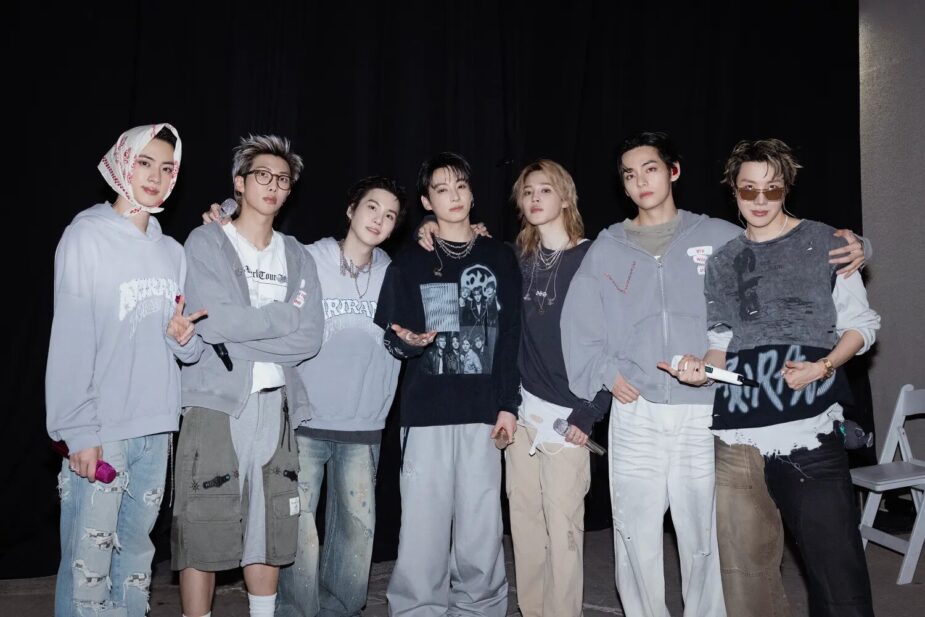
BTS, comprising RM, Jin, Suga, J-Hope, Jimin, V, and Jungkook, embarked on their highly anticipated ARIRANG world tour, a global spectacle designed to celebrate their extensive discography and connect with their massive international fanbase. The tour, which includes stops in major cities worldwide, has been met with typical fervor, selling out stadiums and generating immense excitement. Performances, such as the one referenced from East Rutherford on August 2, 2026, are characterized by high-energy choreography, intricate stage designs, and a blend of their signature powerful anthems and more introspective tracks.
K-pop choreography is renowned for its dynamism, precision, and storytelling capabilities. Over the years, the industry has seen an evolution in performance styles, with many groups, both male and female, incorporating elements of sensuality and powerful expressions of confidence into their routines. For male groups, "sexy concepts" often manifest through intense gazes, intricate body rolls, and hip movements designed to convey charisma and mature artistry. BTS themselves have, throughout their career, explored a spectrum of concepts, from socially conscious narratives to more mature and charismatic themes that naturally entail expressive and sometimes provocative choreography. This stylistic choice is often viewed as part of their artistic evolution and a reflection of their growth as performers.
Chronology of the Online Outcry
The specific performance that became the focal point of the controversy reportedly took place during the ARIRANG tour’s stop in East Rutherford on August 2, 2026. Shortly thereafter, a video compilation showcasing segments of the performance, specifically highlighting the hip thrusting choreography, was uploaded to X on August 1, 2026, by a user under the handle @ariprivilege. The accompanying caption, "but armys will call female idols wh0re for being bold," served as the catalyst, immediately framing the discussion within the context of a perceived double standard.
Within hours, the video rapidly accumulated thousands of views, retweets, and comments. The initial tweet from @ariprivilege quickly garnered significant engagement, pulling in a diverse range of reactions. By August 2nd and 3rd, the conversation had escalated, with numerous netizens sharing their discomfort and critiques. Prominent tweets, such as Laurie’s (@LaurieBarrupiz) questioning, "this is attractive to people?", and viomato’s (@viomatomat) direct statement, "No shade, but I really hate when male idols thrust so aggressively like this. It makes me feel icky," encapsulated the prevalent sentiment of unease. The debate intensified as users directly accused the fandom of hypocrisy, citing examples of harsh criticism leveled against female idols for less explicit movements or attire.
The Viral Video and Core Criticisms
The video in question featured BTS members executing a series of hip thrusts as part of their dance routine. While such movements are not uncommon in K-pop choreography, particularly for songs with a more intense or sensual vibe, the specific execution and the broader context provided by the initial commenter ignited the controversy. Critics focused on the "aggressive" nature of the thrusts, with some even questioning the technical precision, remarking that the movements appeared "funky" or that the members "can’t even thrust correctly," contributing to the overall sense of discomfort for some viewers.
Beyond the aesthetic critique, a significant portion of the backlash centered on the perceived double standard within K-pop fandoms. Commentators highlighted what they described as a systemic issue where male idols are often afforded greater latitude in their performance expressions compared to their female counterparts. User @_PassionForRock articulated this clearly, stating, "The hypocrisy is real. ARMYs call female idols ‘whores’ for wearing shorts or doing a simple body roll – but when BTS members simulate sexual acts on stage, they call it ‘art’ and ‘performance.’" This sentiment resonated widely, bringing to the forefront long-standing debates about gender bias in how K-pop artists are perceived and judged by the public and their own fanbases. The inclusion of personal declarations, such as Allison’s (@nayciity2) "thank GOD I’m a lesbian," underscored the depth of discomfort some felt, suggesting a rejection of the presented masculinity and performance style.
Broader Context: Sexuality, Performance, and Gender in K-Pop
The controversy surrounding BTS’s performance is not an isolated incident but rather indicative of a broader, ongoing conversation within the K-pop industry regarding artistic expression, fan expectations, and gender dynamics. K-pop has a rich history of "sexy concepts" for both male and female groups. Early generations saw male groups like 2PM and Rain incorporating shirtless performances and overtly masculine, suggestive choreography. Later groups such as SHINee, EXO, and even BTS themselves, have embraced powerful and charismatic concepts that include body rolls, hip movements, and intense gazes designed to evoke a strong stage presence.

However, the interpretation and reception of these concepts often differ drastically based on the gender of the performers. Female idols, when adopting "sexy" or "bold" concepts, frequently face intense scrutiny, moral policing, and accusations of being "provocative" or "indecent." This double standard is a persistent critique leveled against the K-pop industry and its associated fan cultures. While male idols performing suggestive choreography are often praised for their charisma or artistic maturity, female idols performing similar or even milder acts might face backlash for "sexualizing themselves" or promoting an "unsuitable" image. This discrepancy highlights deeply ingrained societal biases and gendered expectations that permeate entertainment industries globally, but are particularly amplified within the highly engaged and often vocal K-pop fandoms.
The global reach of K-pop also adds another layer of complexity. What might be considered acceptable or even artistic in one cultural context could be viewed as offensive or inappropriate in another. Idols and their agencies must navigate this diverse landscape of cultural norms and expectations, where a performance intended as powerful or charismatic can be interpreted differently across various audiences. The rise of social media platforms further complicates this, providing immediate avenues for both fervent praise and sharp criticism, allowing niche opinions to quickly gain widespread visibility.
Official and Fan Responses
As is often the case with social media-driven controversies in the K-pop sphere, official statements from agencies are rare unless the issue escalates to legal action or significantly impacts public perception. Big Hit Music, the agency managing BTS under HYBE Corporation, has historically maintained a policy of not directly commenting on fan-initiated social media debates or critiques of performance aesthetics. Their usual approach is to focus on official announcements, tour schedules, and artistic releases, allowing the art to speak for itself and avoiding validation of negative online discourse. In this instance, it is highly probable that Big Hit Music will refrain from issuing any direct response to the "sexual actions" backlash, adhering to industry practice of letting such online storms dissipate naturally.
However, the silence from the agency does not mean a lack of response from the broader BTS fanbase, ARMY. The reactions within the fandom are typically multifaceted:
- Defensive Support: A significant portion of ARMYs would likely defend BTS, arguing that the movements are an integral part of choreography, a form of artistic expression, and not inherently "sexual" but rather powerful or charismatic. They might point out similar choreography in Western pop or past K-pop performances, arguing that the criticism is an overreaction or driven by "anti-fans" seeking to discredit the group.
- Internal Critique: Some ARMYs, particularly those conscious of social justice issues and gender equality, might acknowledge the validity of the double-standard argument. They might engage in internal discussions within the fandom, urging fellow fans to reflect on their reactions to female idols and promote more equitable standards.
- Dismissal and Counter-Criticism: Another segment might dismiss the critics as merely seeking attention or deliberately misinterpreting the performance, often resorting to aggressive counter-criticism against those who raise concerns.
Beyond the immediate fandom, industry observers and cultural commentators might weigh in, using the incident as a case study for broader discussions on the evolving nature of K-pop performances, the responsibilities of global idols, and the persistent challenges of gender equality in the entertainment world. These analyses often provide a more nuanced perspective, placing the incident within larger socio-cultural trends.
Implications and Future Outlook
While unlikely to cause a lasting dent in BTS’s monumental global standing, this recent backlash serves as a potent reminder of the complex and often contentious relationship between artistic expression, public perception, and fan culture in the digital age. For BTS, a group that has consistently broken barriers and defied expectations, such controversies are an inherent part of navigating unparalleled global fame. Their established brand, built on authentic messaging and high-quality productions, will likely weather this particular storm.
However, the incident carries broader implications for the K-pop industry. It fuels the ongoing, critical discussion about gender disparities in how idols are judged for their performances. This persistent debate may subtly influence future choreographic choices by agencies, potentially leading to more cautious approaches, particularly when targeting diverse global audiences with varying cultural sensitivities. The pressure to maintain a "clean" image, while still delivering dynamic and captivating performances, remains a tightrope walk for all K-pop acts.
Furthermore, the controversy highlights the immense power and responsibility of fan communities. The rapid amplification of both criticism and defense on social media platforms underscores how fan engagement can shape narratives and influence public opinion, sometimes overshadowing artistic intent. It encourages a continued examination of fan behavior, the prevalence of "fancams," and the role of online discourse in interpreting and critiquing performances.
Ultimately, the backlash against BTS’s "sexual" actions on stage during the ARIRANG tour is more than just a momentary online spat. It is a microcosm of larger conversations about artistic freedom, gender double standards, the complexities of global cultural reception, and the evolving dynamics between artists, agencies, and their increasingly vocal and diverse fanbases in the hyper-connected world of K-pop. The discourse generated by this event will undoubtedly contribute to the ongoing evolution of performance standards and critical engagement within the industry.

