
 By Iffa Jayyana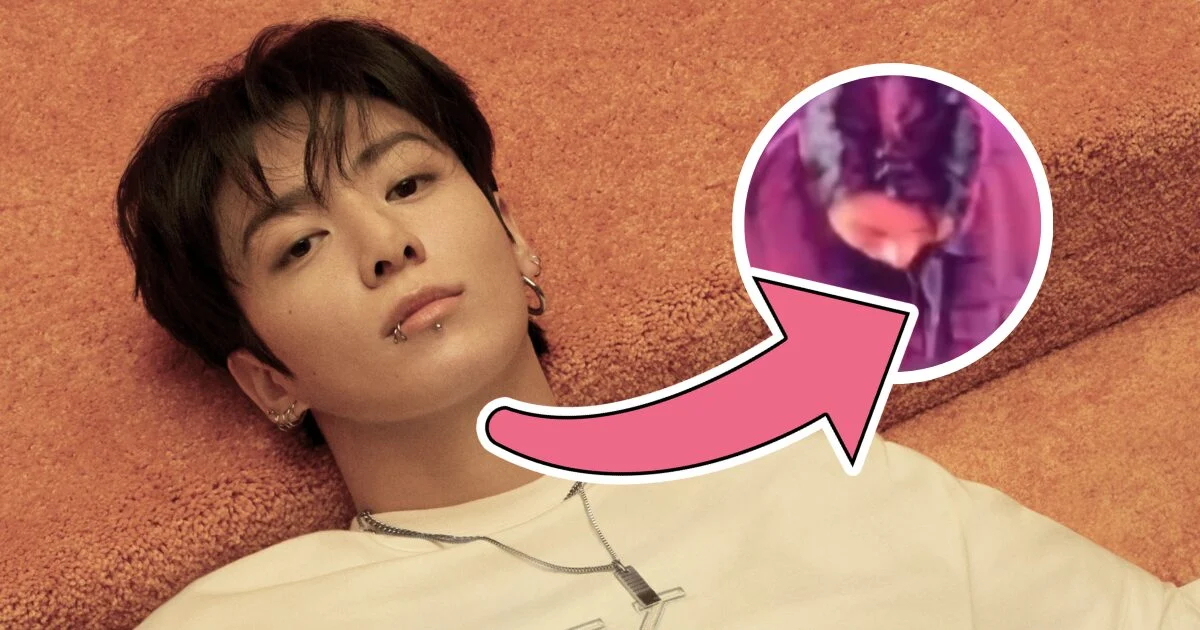
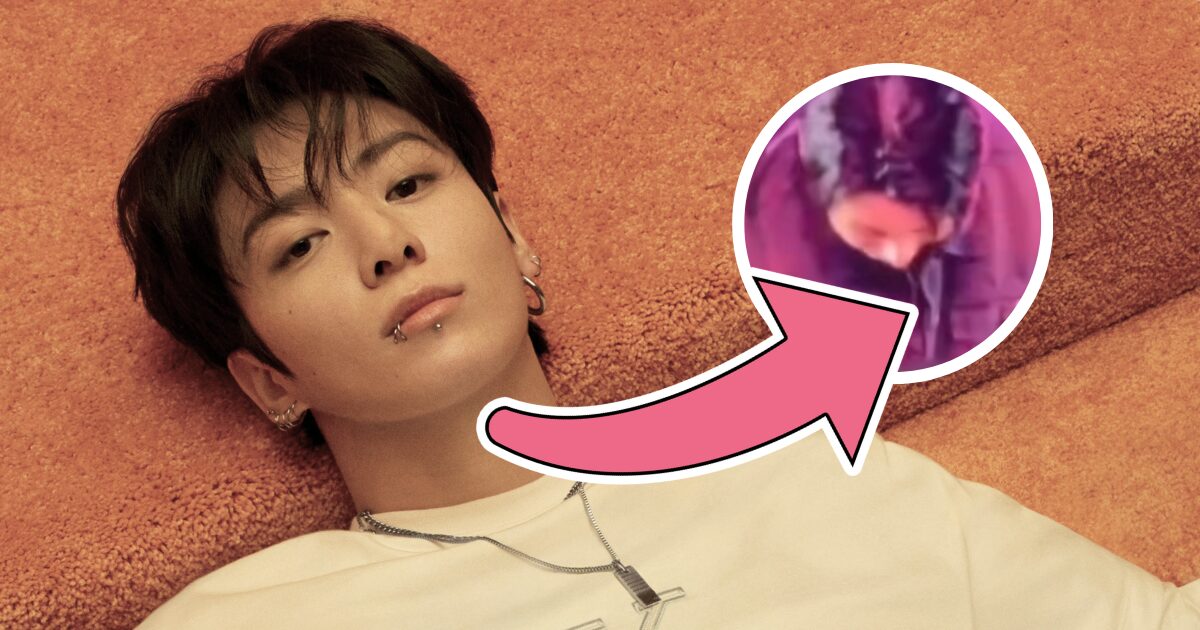
The globally renowned K-Pop idol, Jungkook of BTS, recently found himself at the center of a social media controversy after a now-deleted video circulated, alleging signs of hair loss. This incident, occurring on or around August 24, 2026, quickly ignited a fervent defense from his dedicated fanbase, ARMY, who swiftly countered the claims, largely attributing them to malicious editing and an unwarranted invasion of privacy. The episode underscores the intense scrutiny K-Pop idols face regarding their appearance and the powerful role of fan communities in safeguarding their artists’ public image and well-being.
The Genesis of the Allegations and Swift Fan Retaliation
The controversy originated from a video clip, which gained traction across various social media platforms before its eventual deletion. The creator of the video compiled snippets from what appeared to be recent concert footage and a livestream broadcast featuring Jungkook. These clips were presented as "proof," purportedly highlighting areas around the idol’s crown where his scalp seemed more visible than usual, leading to claims of thinning hair or balding. The implication was that Jungkook was experiencing premature hair loss, a condition often associated with aging or health issues.
However, the accusations were met with immediate and overwhelming resistance from ARMY. Within hours of the video’s proliferation, fans mobilized online, dissecting the alleged evidence and offering counter-arguments. A significant portion of the fan defense centered on the belief that the video had been maliciously edited or selectively cropped to create a misleading narrative. Fans shared original, unedited footage from the same events, demonstrating that any perceived scalp visibility was either natural, due to lighting conditions, hair movement during performance, or simply the way his hair was styled at a particular moment. One widely circulated fan response on X (formerly Twitter) declared, "I mean you tried the editing skills is a hit off but -1 for your efforts," directly implying digital manipulation. Another tweet echoed this sentiment, stating, "this drag will never work on jungkook, you literally had to edit the clips to drag him," accompanied by side-by-side comparisons of the original and the allegedly altered footage. A third fan succinctly countered the absurdity of the claims, writing, "God, I’ve honestly never had to break down something this stupid before. You guys are so weirdly obsessed that it’s actually concerning. As you can clearly see, he has hair?" These reactions highlighted a coordinated effort to debunk the allegations and protect Jungkook’s image from what they perceived as baseless and harmful speculation.
K-Pop’s Unyielding Beauty Standards and the Pressure on Idols
This incident is not isolated but rather indicative of the pervasive and often unrealistic beauty standards prevalent within the K-Pop industry. Idols, both male and female, are frequently held to an incredibly high bar for physical perfection, which encompasses everything from their skin complexion and physique to, crucially, the fullness and health of their hair. Long, thick, and lustrous hair is often considered a hallmark of youth and vitality, a highly coveted trait that contributes significantly to an idol’s visual appeal and overall public image. The industry’s emphasis on aesthetics means that any perceived deviation from these ideals can become fodder for public discussion and, as seen in Jungkook’s case, unfounded accusations.
The constant demand for fresh concepts and visually striking performances often necessitates frequent hair dyeing, bleaching, perming, and extensive styling. While these processes are integral to an idol’s chameleon-like ability to adapt to different comebacks and aesthetics, they can undoubtedly take a toll on hair health over time. Idols themselves have occasionally shared insights into their hair care routines, sometimes admitting to using extensions or specific styling techniques to achieve the desired voluminous look, subtly acknowledging the challenges of maintaining perfect hair under intense industry demands. The original article itself referenced "Thick Hair Queens" in K-Pop, underscoring the value placed on this particular attribute. The intense scrutiny over something as natural as hair, even if it were thinning, starkly contrasts with the reality that hair loss affects a significant portion of the global population, including young adults, due to various factors ranging from genetics and stress to dietary habits and environmental influences. For idols, however, such a natural occurrence is often sensationalized and weaponized by detractors.
The Digital Age: Cyberbullying, Misinformation, and the Idol Ecosystem
The rapid spread of the hair loss allegations against Jungkook underscores the double-edged sword of digital platforms in the K-Pop ecosystem. While social media allows for unprecedented levels of connection between idols and fans, fostering global communities and enabling direct communication, it also provides fertile ground for the propagation of misinformation, rumors, and cyberbullying. The ease with which videos and images can be digitally manipulated or taken out of context makes celebrities particularly vulnerable to targeted attacks from "anti-fans" or individuals seeking to generate controversy.
In this instance, the accusation stemmed from a video that fans quickly identified as potentially doctored or misleadingly edited. This highlights a growing concern in the digital age: the struggle to discern truth from fabrication, especially when images and videos can be altered with increasing sophistication. The speed at which fans debunked the claims, providing original source material and technical explanations, demonstrates a proactive and vigilant approach to protecting their idol’s image. However, it also reveals the constant battle idols and their agencies face against a relentless tide of online negativity. Such malicious content can have significant psychological impacts on celebrities, contributing to stress, anxiety, and even depression, as they navigate a world where every aspect of their appearance and life is subject to public dissection. While HYBE and Big Hit Music, BTS’s management agency, did not issue a specific statement regarding these particular allegations, they have a well-documented policy of taking legal action against individuals who engage in defamation, harassment, or spread false information about their artists. This general stance serves as an inferred official response to such incidents, indicating the seriousness with which they view the protection of their artists’ mental health and public image.
A Pattern of Scrutiny: Jungkook’s Case in Broader Context
Jungkook’s experience is far from unique in the K-Pop world. Throughout the history of the industry, idols have consistently been subjected to intense public scrutiny over every facet of their appearance and personal lives. From weight fluctuations and perceived cosmetic enhancements to dating rumors and minor fashion choices, virtually no detail escapes the watchful eye of the public and the media. Other prominent idols have faced similar, often unwarranted, criticism or speculation regarding their physical attributes. Whether it’s a slight change in physique during a hiatus, a temporary hairstyle that reveals more of the scalp, or even natural facial expressions caught at an unflattering angle, these moments can be amplified and distorted into full-blown controversies.
The immense pressure to maintain an immaculate image can be suffocating for idols, who are often portrayed as aspirational figures. This constant evaluation can lead to extreme diets, rigorous exercise regimes, and a perpetual state of self-consciousness. For groups like BTS, who operate on a global stage, this scrutiny is magnified exponentially, with millions of eyes across different cultures analyzing their every move and appearance. The "hair balding" accusation, while seemingly trivial to an outsider, represents a deeply personal and often sensitive topic, made public and sensationalized, underscoring the relentless nature of celebrity life in the digital age.
The Unyielding Power of Fandoms: Defense and Advocacy

In the face of such intense scrutiny and malicious attacks, K-Pop fandoms, particularly those as organized and dedicated as ARMY, play a crucial role as a protective shield for their idols. The swift, coordinated, and evidence-based defense mounted by ARMY against the hair loss allegations exemplifies the power and influence of these communities. Leveraging their collective strength, fans rapidly disseminated counter-evidence, employed strategic hashtags to control narrative trends, and flooded social media with messages of support and solidarity for Jungkook. This organized response not only aimed to debunk the false claims but also to send a clear message to detractors: malicious attacks against their idol would not go unchallenged.
Fandoms often act as a de facto online public relations and investigative team, meticulously archiving content, analyzing media, and verifying information to safeguard their artists. This level of engagement goes beyond mere admiration; it represents a deeply felt commitment to the idol’s well-being and career. While the intensity of fandom can sometimes lead to its own controversies, in cases like Jungkook’s, it serves as a powerful force for advocacy, ensuring that idols are not left vulnerable to baseless attacks and that their humanity is respected amidst the glare of celebrity.
Implications for Idol Well-being and Industry Practices
The incident involving Jungkook and the hair loss accusations carries significant implications for idol well-being and the broader K-Pop industry. For idols, these kinds of public attacks, regardless of their veracity, contribute to an already stressful professional environment. The constant pressure to maintain an impeccable image, coupled with the threat of online defamation, can take a severe toll on mental health. It reinforces the need for stronger protective measures from management agencies, not just in terms of legal action, but also in providing robust psychological support for their artists.
From an industry perspective, the episode highlights the ongoing challenge of managing an idol’s public image in an era of pervasive social media and digital manipulation. Agencies like HYBE must continually adapt their strategies to combat misinformation and protect their artists’ privacy, while simultaneously balancing the demand for idol accessibility that fuels fan engagement. There is an increasing call for platforms to implement stricter policies against digitally altered content and cyberbullying to curb the spread of harmful narratives. Furthermore, the incident serves as a reminder to the wider public about the importance of media literacy and critical thinking when consuming online content, especially concerning the lives of public figures. A more empathetic and nuanced public discourse, one that acknowledges the human vulnerability beneath the celebrity facade, is essential for fostering a healthier environment for K-Pop idols and all public figures.
In conclusion, the swift defense of BTS’s Jungkook against hair balding accusations by his devoted fanbase underscores a critical dynamic in the contemporary K-Pop landscape: the incessant scrutiny faced by idols and the formidable power of organized fandoms to protect their artists. This episode is not merely about hair; it is a microcosm of larger issues concerning celebrity privacy, digital ethics, the fight against misinformation, and the enduring psychological pressures placed upon those who live under the intense glare of the global spotlight. As the K-Pop industry continues its global expansion, such incidents will undoubtedly persist, necessitating a collective effort from agencies, fans, and platforms to cultivate a more respectful and protective environment for its stars.

