
 By Suro Senen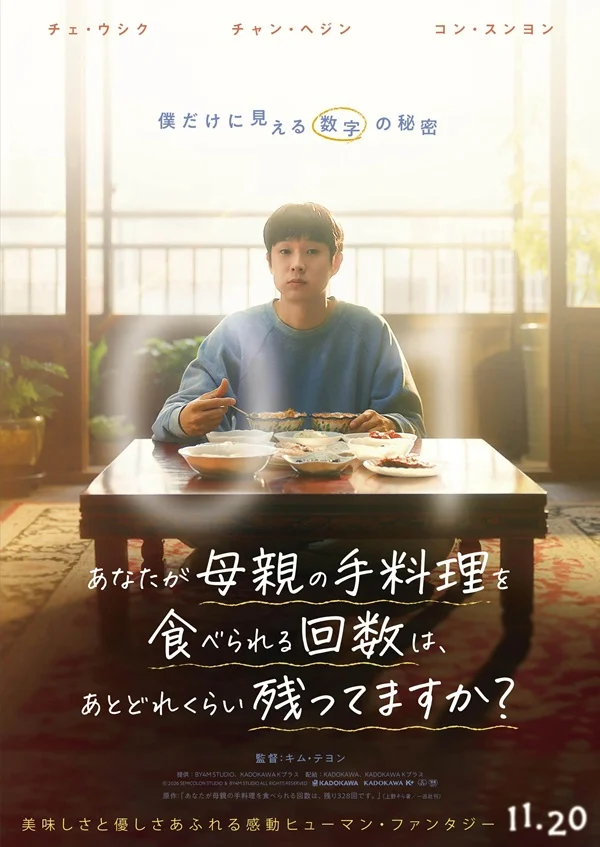
Executive Summary: A New Standard in Suspense
The Japanese film industry is bracing for a significant shift in the thriller genre as the highly anticipated feature film Number One (original Are wa Watashi no Shokei-jō) gears up for its national release. Scheduled to hit theaters across Japan on November 20, 2026, the film is a collaborative production between Semicolon Studio and BY4M. Directed by the visionary filmmaker Mami Sunada, the project has already garnered significant attention for its complex narrative structure and its unflinching exploration of the human psyche under extreme duress.
Number One is not merely a suspense film; it is a profound examination of the "execution chamber"—a metaphorical and literal space where the protagonist must confront the haunting echoes of their own past. As the industry looks toward the end of the year, Number One stands out as the definitive cinematic event of the season, promising to challenge audiences with its atmospheric tension and high-stakes emotional stakes.
Chronology and Development
The development of Number One has been a meticulously paced journey, marked by artistic precision and strategic industry positioning.
- August 21, 2026: The official announcement of the film’s production was made, coinciding with the reveal of the primary cast and the teaser trailer. This date served as the catalyst for the film’s marketing campaign, which has since utilized social media platforms to build a cult following.
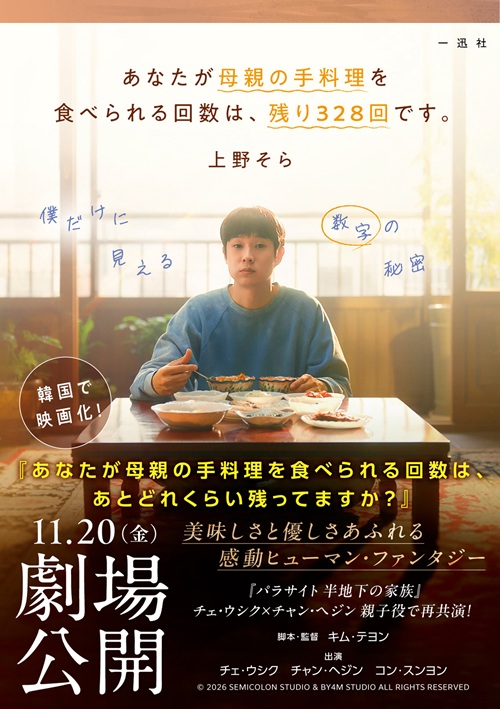
- August 19, 2026: The novel adaptation, authored by the pseudonymous writer "Pon-Marsh," was published, providing the foundation for the film’s screenplay. The book, which explores the same dark, psychological themes as the film, reached critical acclaim within weeks, setting high expectations for the big-screen adaptation.
- Late August 2026: Principal photography concluded, and the post-production phase shifted toward the complex sound design and visual effects that characterize the film’s signature aesthetic.
- November 20, 2026: The nationwide theatrical release date, marking the culmination of over a year of development, writing, and production efforts.
The transition from the printed page to the silver screen was facilitated by a team dedicated to preserving the "claustrophobic" nature of the source material. By maintaining a focus on the intimate, often agonizing internal struggle of the protagonist, the production team has successfully translated the novel’s literary intensity into a visceral cinematic experience.
Supporting Data and Production Specifications
The production value of Number One reflects the ambitious scope of its narrative. With a runtime of 105 minutes, the film is designed to maintain a relentless pace, ensuring that the tension remains palpable from the opening sequence to the final frame.
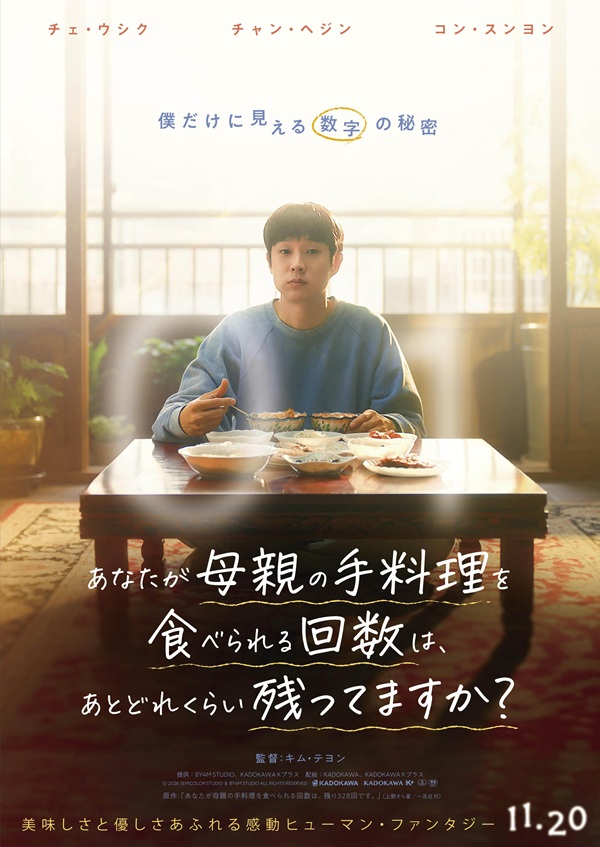
Technical Specifications:
- Director: Mami Sunada
- Production Houses: Semicolon Studio and BY4M
- Distribution: KADOKAWA and KADOKAWA K-Plus
- Sound: 5.1 Channel Surround Sound
- Rating: G (Suitable for all audiences, though thematic elements are mature)
- Original Source: Novel by Pon-Marsh
The film utilizes a sophisticated 5.1 channel audio mix, which is instrumental in creating the "echo" effect essential to the film’s narrative device. The use of soundscapes to blur the line between reality and the protagonist’s internal monologue is a hallmark of Sunada’s directorial style. Furthermore, the partnership with KADOKAWA signifies a major investment in the film’s reach, with a wide theatrical rollout across Japan’s major cinema chains.
Official Responses and Artistic Vision
In a series of recent press conferences, the creative team behind Number One emphasized the importance of the film’s core theme: the "execution of the past."
Director Mami Sunada stated during an industry showcase, "The film is designed to trap the audience in the same room as our protagonist. We wanted to explore what happens when you have nowhere left to run from your own memories. The ‘execution chamber’ is not just a place of punishment; it is a place of forced honesty."
The production staff has noted that the casting process was particularly rigorous. Finding actors capable of carrying the emotional weight of a film that relies heavily on silence and subtle facial expressions was the primary challenge. The resulting performances have been lauded by early test audiences, who noted that the film manages to feel both expansive in its themes and suffocating in its execution.

The official social media campaign, centered around the hashtag #AreWaWatashiNoShokeiJo, has encouraged viewers to discuss the moral ambiguity of the characters. By fostering this dialogue, the studio aims to keep the film in the public consciousness well past its opening weekend.
Implications: The Future of the Japanese Thriller
The release of Number One arrives at a pivotal time for Japanese cinema. As domestic audiences increasingly seek out high-concept psychological dramas that deviate from traditional genre tropes, this film positions itself as a benchmark for future productions.
The "Sunada Effect"
Mami Sunada’s involvement brings a level of prestige that typically elevates a film from a standard thriller to a "prestige" project. By prioritizing character development over jump-scares or gratuitous violence, Sunada is helping to redefine the commercial appeal of art-house-adjacent thrillers. Industry analysts suggest that if Number One performs well at the box office, it could lead to a renewed interest in literary adaptations that focus on complex, internal conflicts.
Economic and Cultural Impact
The economic implications of the film’s success are significant for both Semicolon Studio and BY4M. With a strategic release in late November, the film is perfectly timed for the holiday season—a period traditionally dominated by blockbuster hits. The decision to release the novel simultaneously with the promotional campaign has created a multi-platform ecosystem, allowing the franchise to capture both readers and moviegoers.
Furthermore, the international distribution interest—supported by KADOKAWA’s global reach—suggests that Number One could find a home in foreign markets as well. The universal nature of the story’s central conflict—the inability to escape one’s past—transcends linguistic and cultural barriers, making it an ideal candidate for global export.
The Role of Digital Engagement
The success of the film’s marketing strategy, particularly the use of influencer partnerships and viral, interactive content on social media, serves as a case study for modern film promotion. By allowing fans to participate in the "detective work" regarding the protagonist’s history, the production team has effectively turned the audience into a collaborative part of the film’s marketing engine.
Conclusion: A Must-Watch Cinematic Experience
As November 20th approaches, the excitement surrounding Number One continues to build. Whether it is the stellar direction of Mami Sunada, the gripping source material from Pon-Marsh, or the innovative marketing approach taken by the production team, all indicators point to a triumph in contemporary Japanese filmmaking.
The film challenges us to ask a difficult question: If you were forced to face your past in an execution chamber, would you be able to find the truth, or would you be consumed by the silence? Audiences are invited to find the answer for themselves in theaters nationwide. Number One is more than a movie; it is a psychological journey that demands to be experienced on the largest screen possible.
For those eager to dive into the world of Number One before the premiere, the novel is currently available in bookstores, and the official website offers a glimpse into the production notes and upcoming theatrical events. Do not miss what is shaping up to be the most discussed film of 2026.


 Ali Ikhwan
  Basiran
  Siti Muinah
