
 By Asro
The K-Pop world was met with a surprising revelation concerning former NATURE member Haru (born Abe Haruno), whose public announcement of a career transition into a hostess role at Royal Club Sendai in Japan ignited a storm of discussion among fans and industry observers alike. This unexpected turn not only highlighted the often-unseen struggles of idols post-group activities but also inadvertently confirmed the disbandment of her former group, NATURE, mere hours before an official statement from their agency. Haru’s subsequent move to teaching K-Pop dance classes further underscores the dynamic and often challenging paths former idols navigate in their post-fame lives.
From K-Pop Spotlight to Sendai’s Nightlife: Haru’s Initial Transition
The initial news broke via a video circulating online, featuring Haru introducing herself to potential patrons of the Royal Club Sendai. In a remarkably candid move, she openly leveraged her past identity, stating she was a "former K-pop idol" now working as a hostess. The promotional video strategically interspersed clips from her days as a NATURE member, showcasing her performing at fan meetings and music shows, effectively bridging her past celebrity with her new professional venture. The video also depicted Haru engaging in activities typical of her new role, such as dancing and interacting with bottles of alcohol, providing a clear visual representation of her new environment.

The term "hostess" in the context of Japanese nightlife refers to female staff in specific types of clubs who provide non-sexual companionship to guests, primarily men. Their role involves engaging in conversation, pouring drinks, and generally creating an entertaining and convivial atmosphere. While distinct from other forms of nightlife entertainment, the profession often entails long hours and, as fans quickly noted, significant alcohol consumption as part of the social interaction with clients. This particular aspect became a primary concern for many of Haru’s former fans, who expressed worry for her well-being and health.
NATURE’s Trajectory: A Journey Through the Highly Competitive K-Pop Landscape
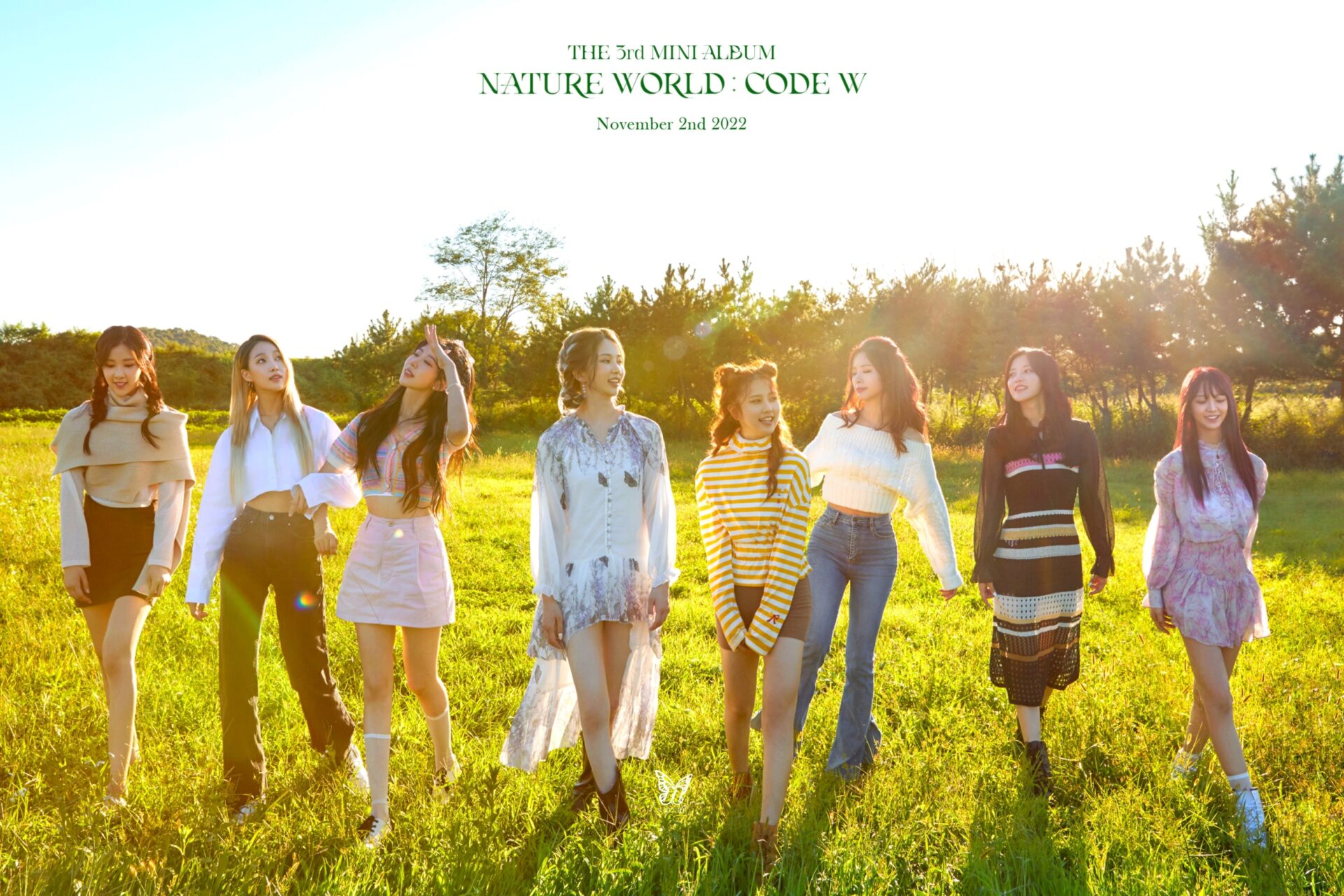
Haru was a member of NATURE, a girl group formed by n.CH Entertainment that debuted in August 2018. The group initially comprised ten members: Lu, Saebom, Aurora, Chaebin, Haru, Loha, Uchae, Sunshine, Sohee, and Gaga, though Gaga departed in 2019 and Sohee was added as a new member. Their debut track, "Allegro Cantabile," promised a refreshing concept, and over the years, they released several mini-albums and singles, including "Girls and Flowers," "I’m Your Girl," and "LIMBO!" Their music often blended vibrant pop with captivating choreography, aiming to carve out a niche in the fiercely competitive K-Pop landscape.
The K-Pop industry is renowned for its intensive training systems, demanding schedules, and high financial stakes. Groups from smaller agencies like n.CH Entertainment often face an uphill battle against the marketing power and resources of the "Big 4" (SM, YG, JYP, HYBE) and other established companies. Despite their efforts, NATURE, like many groups, struggled to achieve mainstream breakthrough success. Their last official comeback was on November 6, 2022, with their third mini-album, NATURE World: Code W, featuring the title track "LIMBO!" This release marked a hiatus of over two years, a period often fraught with uncertainty for K-Pop groups and their fanbases. The long gap between releases, coupled with a lack of official communication from n.CH Entertainment regarding the group’s status, gradually fueled speculation among fans about their future.

The Hostess Club Phenomenon: Culture, Expectations, and Fan Concerns
Hostess clubs are an established part of Japanese nightlife, operating under a distinct set of cultural norms. Unlike some Western perceptions, these establishments primarily focus on providing conversation, entertainment, and a social connection, rather than sexual services. Hostesses are expected to be charming, engaging, and adept at maintaining conversation, making guests feel valued and entertained. Building rapport with regular clients is key, and hostesses often earn commissions based on drink sales and client retention. The industry can be lucrative for those who excel, but it also demands significant emotional labor, late hours, and often, as noted, the expectation to drink alongside patrons.
Haru’s decision to enter this profession, and her openness about it, sparked a range of reactions. While some international fans expressed shock and concern, particularly regarding the perceived health risks associated with frequent alcohol consumption and the potential vulnerability of working in such an environment, others viewed it through a more understanding lens. In Japan, while not universally glorified, hostessing is a recognized profession that some women choose for financial reasons, flexibility, or the opportunity to leverage social skills. For a former idol, the transition could offer a path to financial stability, a chance to utilize her social acumen, and even a way to maintain a public-facing role, albeit in a different capacity. The fact that she openly embraced her K-Pop past in her introduction suggested a deliberate choice to leverage her unique background, potentially attracting clientele interested in her story.
The Unofficial Disbandment: Fans’ Distress and Agency Accountability
The revelation of Haru’s new job had a profound and unintended consequence: it effectively confirmed the disbandment of NATURE for many fans, even before n.CH Entertainment made an official statement. For months leading up to this, fans had pieced together various signs pointing towards the group’s potential dissolution. These included the discontinuation of their "Bubble" service, a popular fan communication platform, and members no longer mentioning NATURE in their personal social media profiles. Haru’s return to Japan, her home country, after the long hiatus was another significant indicator that her ties to the Korean entertainment industry, specifically with NATURE, might have been severed.

The manner in which fans learned about the group’s fate sparked widespread distress and criticism directed at n.CH Entertainment. On platforms like Reddit and X (formerly Twitter), fans voiced their heartbreak and frustration. One poignant comment captured the sentiment: "this is the first disbandment of a group that I really really loved that I have experienced I am distraught." Another fan expressed, "It’s quite a way to learn about a disbandment," highlighting a common grievance in the K-Pop industry where agencies often delay or completely neglect official announcements regarding a group’s cessation of activities. This lack of transparency leaves fans in limbo, creating emotional turmoil and undermining trust between agencies and their dedicated supporters. Many wished that agencies would handle disbandment announcements with more grace, clarity, and respect for both the artists and their fanbase. The abrupt and indirect confirmation of NATURE’s disbandment through a member’s personal career shift underscored the emotional disconnect and lack of communication that frequently plague the industry.
n.CH Entertainment’s Official Confirmation and NATURE’s Legacy
In a swift response to the circulating news and the ensuing fan reactions, n.CH Entertainment officially announced NATURE’s disbandment just one day after Haru’s hostess club video gained traction. The agency released a statement confirming that after careful consideration and discussions with the members, they had decided to conclude group activities. Such announcements typically thank fans for their support, acknowledge the members’ hard work, and wish them well in their future endeavors, whether within or outside the entertainment industry. While expected, the timing of the official disbandment announcement, coming immediately on the heels of Haru’s news, reinforced the perception that the agency was reacting to external pressure rather than proactively communicating with the public.
NATURE’s legacy, while not marked by global superstardom, is significant for its devoted fanbase and its contribution to the diverse landscape of K-Pop. They were known for their vibrant concepts and energetic performances. The group’s journey, from their promising debut to their eventual disbandment, mirrors the experiences of many mid-tier K-Pop groups that navigate the intense competition, financial constraints, and evolving dynamics of the industry. Their story serves as a reminder of the numerous talented individuals who dedicate years of their lives to the demanding idol system, often without achieving the widespread recognition that many aspire to.
A New Chapter: Haru’s Pivot to K-Pop Dance Instruction
Haru’s tenure at Royal Club Sendai appears to have been relatively short-lived. Following the public attention surrounding her hostess role, she soon transitioned into a new profession, returning to her artistic roots. Public records and social media posts later indicated that she began teaching K-Pop dance classes in Sendai. This pivot marks a significant shift, moving from a role that raised fan concerns about her well-being to one that directly utilizes her extensive experience and skills as a former K-Pop idol.
This move to dance instruction is seen by many as a more positive and sustainable career path for a former idol. It allows Haru to leverage her expertise, share her passion for dance and K-Pop culture, and contribute to the next generation of performers or enthusiasts. Teaching K-Pop dance has become a popular post-idol career choice for many, offering a way to stay connected to the industry they love, earn a living, and inspire others, often with more stable hours and a less taxing social environment than her previous role. This transition underscores her resilience and adaptability, demonstrating an ability to navigate challenging circumstances and find a path that aligns more closely with her artistic background and fan expectations.
Beyond the Stage: The Broader Realities of Post-Idol Careers
Haru’s multifaceted journey—from K-Pop idol to hostess, and then to dance instructor—is a compelling microcosm of the broader realities faced by countless individuals who enter the K-Pop industry. The dream of becoming a global superstar is often juxtaposed with the harsh truth that only a small percentage achieve lasting fame and financial security. For many, disbandment signifies the end of a meticulously crafted public persona and the beginning of a challenging quest to redefine their identity and secure their future.

The precariousness of an idol’s career is a well-documented issue. Contracts can be long and restrictive, and earnings are often low, especially for groups from smaller agencies, due to training costs and profit-sharing models. When groups disband, members are often left with limited savings, little formal education beyond their entertainment training, and a public image that may not easily translate into other professional fields. The pressure to maintain a certain image, even after leaving the idol spotlight, can be immense.
Many former idols pursue various paths: some transition into acting, musical theatre, or modeling, while others venture into entrepreneurship, become social media influencers, or return to their studies. However, for those who do not find immediate success in these conventional post-idol avenues, the options can be limited. Haru’s initial choice of hostessing, while culturally nuanced, highlights the stark economic realities that can drive such decisions. It also opens a dialogue about the societal support systems (or lack thereof) available to young individuals whose lives have been entirely shaped by the entertainment industry.
Her eventual shift to K-Pop dance instruction represents a more widely accepted and respected transition for former idols, allowing them to channel their unique skills and experience productively. This move aligns with a growing trend where former idols find fulfilling careers in teaching, choreography, or producing, contributing to the industry from a different vantage point. Haru’s story ultimately serves as a powerful reminder of the human element behind the glamorous facade of K-Pop, shedding light on the struggles, resilience, and often unexpected paths taken by those who once stood in the spotlight. Her journey, initially shrouded in controversy, has evolved into an inspiring narrative of adaptation and the pursuit of a meaningful livelihood beyond the idol stage.

