
 By Asep Darmawan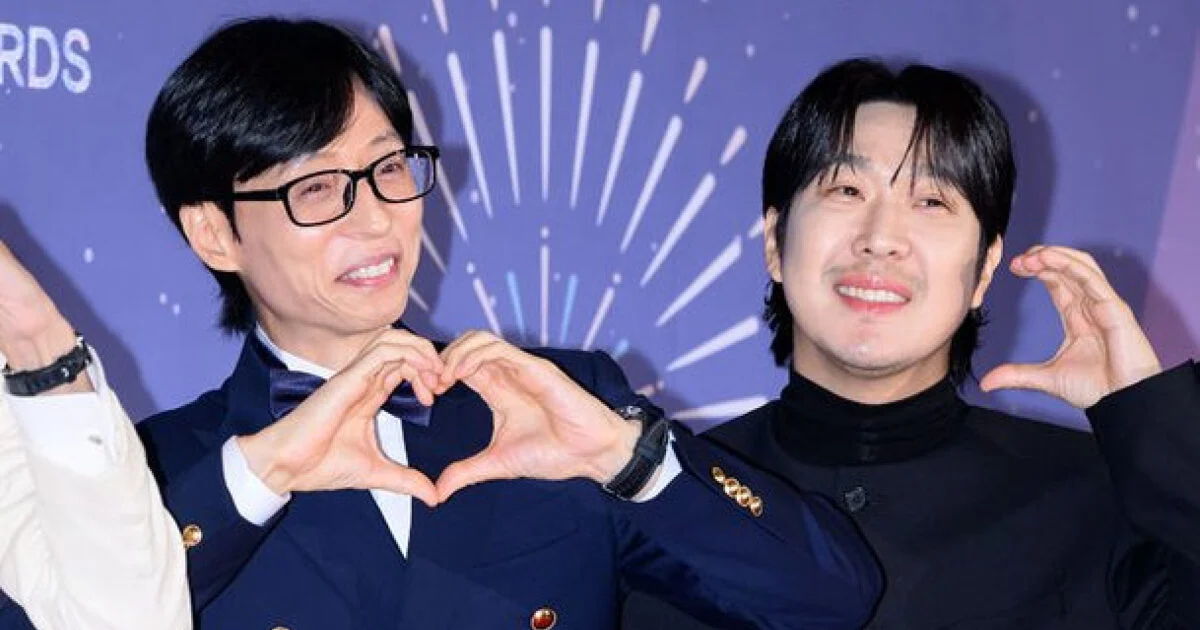
Veteran television personality Haha, known for his energetic and comedic presence across numerous South Korean variety shows, has recently revealed his past struggles with panic disorder, expressing profound gratitude towards his long-time colleague and mentor, Yoo Jae Suk, whose unwavering support proved instrumental in his recovery. The candid confession, made during the September 6th broadcast of KBS 2TV’s Boss in the Mirror, has resonated deeply with viewers and sparked renewed conversations about mental health within the demanding South Korean entertainment industry.
A Candid Revelation on Boss in the Mirror
The episode featured Haha alongside fellow comedians Yang Sang Guk, Park Young Jin, and Kim Won Hyo, all members of the burgeoning content project “Busan Expedition.” The segment showcased their unique blend of professional camaraderie and playful boss-subordinate dynamics, typical of the industry’s close-knit working relationships. During a discussion about work-life balance, particularly concerning post-filming discussions, Park Young Jin noted their continuation even after official clock-out times. Haha, with his characteristic wit, quipped, “Post-discussions are just an extension of the work,” a remark that drew laughter but also subtly hinted at the blurring lines between personal and professional life that many entertainers experience.
It was amidst this lighthearted banter that Haha, whose real name is Ha Dong-hoon, chose to share a deeply personal and previously undisclosed chapter of his life. He confessed that the immense pressure and inherent burdens associated with recording variety shows had, at one point, led him to develop panic disorder. His revelation shed light on the hidden struggles that often lie beneath the cheerful veneers of public figures, highlighting the psychological toll that constant public scrutiny, rigorous schedules, and performance expectations can exact.
The emotional core of his confession centered on the pivotal role played by Yoo Jae Suk, widely revered as the "Nation’s MC" and a figure known for his exceptional leadership and empathetic nature. Haha recounted, “At that time, Yoo Jae Suk hyung acted like a strict mother, constantly pushing me and visiting my house daily.” This image of a demanding yet deeply caring mentor underscored the intensity of Yoo Jae Suk’s intervention. Haha further elaborated on the profound impact of this support: “Thanks to Yoo Jae Suk, who helped me realize things for myself and pulled me back together, I was able to regain my composure and get back on my feet.” This heartfelt testimony moved viewers, underscoring the invaluable role of strong support systems in navigating mental health crises.
The Unseen Pressures of Stardom: Haha’s Battle with Panic Disorder
Haha’s career trajectory is emblematic of a successful, albeit arduous, journey in Korean entertainment. Debuting as a singer in 2001, he quickly transitioned into variety television, where his unique brand of humor, infectious energy, and often mischievous persona found a wide audience. He rose to prominence through iconic shows like MBC’s Infinite Challenge and SBS’s Running Man, both of which are renowned for their physically demanding challenges, complex interpersonal dynamics, and relentless filming schedules that often span days and nights. These shows require not only physical stamina but also quick wit, emotional resilience, and the ability to maintain a public persona consistently.
The pressure Haha described is a pervasive, though often unspoken, reality for many in the Korean entertainment industry. Celebrities are expected to be constantly "on," delivering entertainment, managing their public image, and enduring intense scrutiny from media and fans alike. This environment can be a breeding ground for various mental health challenges, including anxiety, depression, and panic disorder. Panic disorder is characterized by recurrent, unexpected panic attacks, which are sudden periods of intense fear that may include palpitations, sweating, trembling, shortness of breath, numbness, or a feeling of impending doom. These attacks can be debilitating, severely impacting an individual’s quality of life and ability to perform routine tasks, let alone the high-pressure demands of a public career.
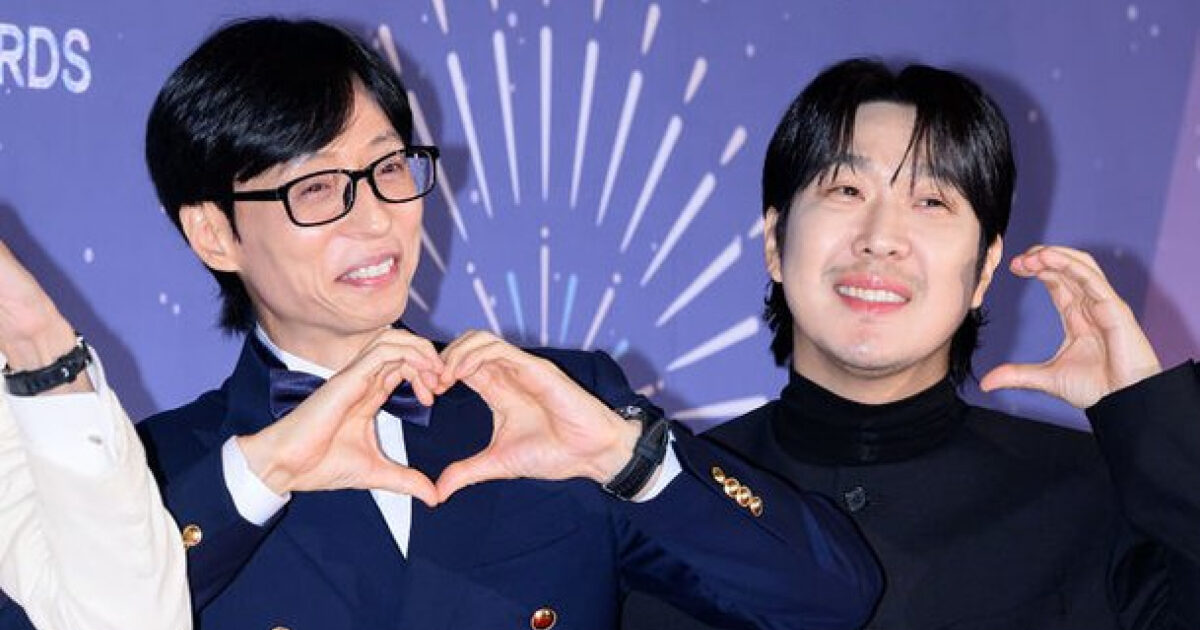
While Haha did not specify the exact timeline of his struggle, his tenure on long-running, highly popular shows suggests that the period of intense pressure likely coincided with his peak career demands. The sheer volume of content creation, coupled with the pressure to constantly innovate and maintain audience engagement, can be overwhelming. For many entertainers, the line between their public persona and private self becomes increasingly blurred, making it difficult to find respite or a sense of normalcy.
Yoo Jae Suk: A Mentor’s Unwavering Support
Yoo Jae Suk’s role in Haha’s recovery highlights a crucial, yet often overlooked, aspect of the Korean entertainment industry: the mentorship culture. As the "Nation’s MC," Yoo Jae Suk commands immense respect not just for his unparalleled hosting skills but also for his exemplary character, professionalism, and genuine care for his colleagues. He is renowned for fostering a positive work environment, guiding younger talent, and often acting as a stabilizing force on sets. His commitment to his fellow cast members extends beyond the camera, as evidenced by his personal intervention in Haha’s life.
Haha’s description of Yoo Jae Suk as a "strict mother" is particularly telling. It suggests a form of tough love, a persistent and perhaps even uncomfortable pushing that was ultimately necessary for Haha to confront his condition and work towards recovery. This went beyond mere sympathy; it was active, daily engagement, a commitment to ensuring Haha received the support he needed to "realize things for myself and pulled me back together." This level of personal dedication from a senior colleague, especially one as busy and prominent as Yoo Jae Suk, speaks volumes about the depth of their relationship and Yoo Jae Suk’s character. It underscores the importance of a strong, empathetic support network in managing mental health crises, particularly when the individual might be reluctant or unable to seek help independently.
The Korean Entertainment Industry: A Crucible of Talent and Stress
The South Korean entertainment landscape, while globally celebrated for its vibrant K-pop and K-drama exports, is also notoriously competitive and demanding. The industry operates on a high-octane schedule, often requiring artists to work long hours, travel extensively, and maintain an impeccable public image. From idol trainees to seasoned television personalities, the pressure to succeed, maintain popularity, and withstand constant public scrutiny is immense. This environment, coupled with the inherent instability of creative careers, can significantly impact mental well-being.
Recent years have seen a growing acknowledgment of mental health issues within the industry, partly due to the increasing number of celebrities bravely sharing their experiences. This openness, exemplified by Haha’s confession, contributes significantly to destigmatizing mental illness in a society where such topics have historically been shrouded in silence and stigma. However, despite these positive shifts, systemic changes within the industry – such as better working conditions, accessible mental health resources, and robust support systems – are still areas that require continuous improvement and advocacy. Haha’s story serves as a powerful reminder that even those who appear most resilient and cheerful on screen can be battling profound internal struggles.
Chronology of Support: From Crisis to Recovery
While specific dates for Haha’s panic disorder onset and recovery are not provided, an inferred chronology based on his statements and career trajectory can be constructed:

- Peak Career Demands (Early-to-Mid 2010s): Haha was a central figure in Infinite Challenge (which ran until 2018) and Running Man (still ongoing since 2010). These years were likely characterized by an unrelenting schedule, high expectations, and constant public exposure. This period likely coincided with the onset of the "pressure and burden of recording variety shows" that led to his disorder.
- Onset of Panic Disorder: During this intensely demanding phase, Haha began experiencing symptoms of panic disorder, indicating a significant impact on his well-being. The severity likely reached a point where it affected his daily life and professional performance, requiring intervention.
- Yoo Jae Suk’s Intervention: Upon recognizing Haha’s struggles, Yoo Jae Suk stepped in. His "strict mother" approach, daily visits, and consistent pushing were a deliberate and sustained effort to help Haha confront and overcome his condition. This suggests a period of intense, focused support.
- Gradual Recovery: Thanks to Yoo Jae Suk’s unwavering support, Haha began to "realize things for myself and pulled me back together," gradually regaining his composure and ability to function effectively. This would have been a process, not an overnight cure, involving self-reflection and active steps towards recovery.
- Sustained Well-being & Continued Career: Having "gotten back on his feet," Haha has continued his successful career, participating in various shows and projects, including the current "Busan Expedition." His ability to thrive post-recovery underscores the effectiveness of the support he received.
- Public Revelation (September 6, 2026): Years after the event, Haha chose to share his story on Boss in the Mirror, not only to express gratitude but also, implicitly, to shed light on mental health challenges faced by entertainers.
Broader Implications: Destigmatizing Mental Health in South Korea
Haha’s public disclosure holds significant broader implications for mental health discourse in South Korea. Historically, mental health issues have been heavily stigmatized, often leading individuals to suffer in silence rather than seek professional help. Celebrity confessions play a crucial role in breaking down these societal barriers. When a beloved and successful public figure like Haha openly discusses his vulnerabilities, it normalizes the experience of mental illness, demonstrating that it can affect anyone, regardless of their outward success or cheerful demeanor.
This kind of public sharing encourages empathy and understanding, potentially prompting others facing similar struggles to seek help. It also reinforces the message that mental health is as important as physical health and that seeking support is a sign of strength, not weakness. The ripple effect of such a confession can be profound, fostering a more compassionate and open society where mental well-being is prioritized and openly discussed.
Moreover, Haha’s story highlights the critical importance of strong interpersonal relationships and mentorship within high-pressure environments. Yoo Jae Suk’s proactive and hands-on approach demonstrates a model of support that goes beyond professional obligation, emphasizing genuine human connection and care. This example can inspire individuals within various industries to be more attuned to the well-being of their colleagues and to offer support when needed.
The Power of Mentorship and Camaraderie
The bond between Haha and Yoo Jae Suk is well-documented, spanning decades across multiple hit variety shows. Their relationship exemplifies the deep camaraderie and familial ties that often develop among cast members who spend countless hours together under intense pressure. Yoo Jae Suk, as a senior figure, has consistently been praised for his leadership and ability to nurture talent. His actions in supporting Haha during his panic disorder illustrate a profound commitment to his colleagues’ well-being, solidifying his reputation not just as an entertainer but as a compassionate human being.
This incident serves as a powerful testament to the impact of mentorship and peer support. In an industry often perceived as cutthroat, stories like Haha’s remind the public of the genuine connections and mutual support that exist. It underscores that while the entertainment world can be incredibly demanding, it also fosters unique bonds that can be a source of strength and healing during times of crisis.
Looking Ahead: A Call for Greater Awareness and Support
Haha’s courageous revelation is a significant contribution to the ongoing conversation about mental health in South Korea and within the global entertainment industry. It calls for greater awareness, not just among the public, but also within the industry itself, urging for more robust support systems, mental health resources, and a cultural shift towards prioritizing well-being alongside professional success. As more public figures share their struggles, the hope is that these conversations will translate into tangible improvements in how mental health is perceived, addressed, and supported, ensuring that those who entertain and inspire us also receive the care they deserve. The narrative of Haha and Yoo Jae Suk stands as a poignant reminder of human resilience, the power of compassion, and the enduring strength found in unwavering support.

