
 By Azzam Bilal Chamdy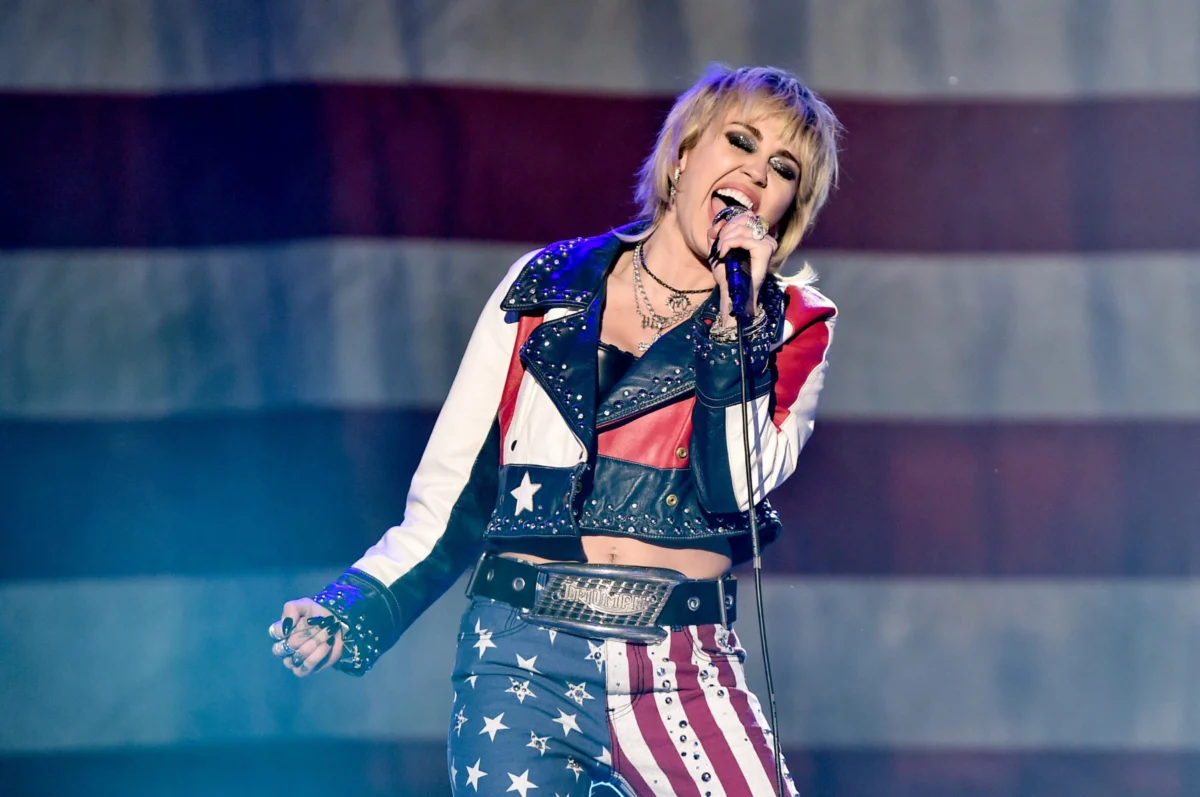
The Billboard Hot 100, the definitive barometer of popular music in the United States, has witnessed a remarkable and historically significant phenomenon this week. In a testament to the enduring power of patriotic anthems and the unique cultural resonance of the Fourth of July, an unprecedented wave of nine catalog hits—songs released prior to the current decade—have re-entered or climbed the prestigious chart. This surge far eclipses previous Independence Day-related chart movements, highlighting a potent intersection of national celebration and musical consumption.
This year’s chart, dated July 18, marks a new high-water mark for holiday-driven catalog resurgence. While in past years, a select few patriotic or thematically relevant tracks might experience a seasonal uptick, the current landscape sees a veritable deluge of beloved American classics making their mark. The most prominent example is Toby Keith’s potent 2002 anthem, "Courtesy of the Red, White and Blue (The Angry American)," which rockets back onto the chart at an impressive No. 11. This powerful track, released in the wake of the September 11th attacks, has become a staple of patriotic gatherings and a symbol of national resilience.
Joining Keith’s impactful return is Miley Cyrus’s ubiquitous 2009 hit, "Party in the U.S.A.," which reappears at No. 25. While Cyrus’s track is a more contemporary pop anthem, its inherent themes of American identity and celebration have consistently propelled it back into the public consciousness around national holidays. In 2023, the song reached No. 50 on the July 15th chart, and its re-entry this year at a higher position underscores its continued popularity.
However, the true story of this week’s Hot 100 is the sheer breadth of older songs benefiting from the Fourth of July fervor. Beyond Keith and Cyrus, seven other pre-2020s American hits have made a chart comeback, many for the first time this decade. These include:
- Lynyrd Skynyrd’s "Sweet Home Alabama": A quintessential Southern rock anthem released in 1974, known for its defiant spirit and regional pride.
- Zac Brown Band’s "Chicken Fried": A 2008 country hit that celebrates simple American pleasures and working-class life.
- Journey’s "Don’t Stop Believin’": An iconic 1981 power ballad that has become a universal anthem of hope and perseverance.
- Bruce Springsteen’s "Born in the U.S.A.": A powerful 1984 rock anthem, often misinterpreted but deeply resonant with themes of American identity and the struggles of the working class.
- John Denver’s "Take Me Home, Country Roads": A beloved 1971 folk-country classic evoking nostalgia for the American landscape and sense of belonging.
- Creedence Clearwater Revival’s "Fortunate Son": A potent 1969 protest song addressing class inequality and the Vietnam War, yet often embraced for its defiant energy.
- Kenny Chesney’s "American Kids": A 2014 country track that fondly looks back at the carefree days of American youth.
The inclusion of these diverse tracks, spanning multiple genres and decades, illustrates the multifaceted nature of American identity and the varied ways in which music can evoke patriotic sentiment. The Billboard Hot 100’s eligibility rules allow older songs to chart if they achieve a significant sales or streaming resurgence and demonstrate a "meaningful reason" for their gains, a criterion undeniably met by the current patriotic wave.
The Mechanics of a Holiday Surge: Understanding the Hot 100’s Dynamics
The Billboard Hot 100 is compiled based on a multi-metric system that includes album sales, track sales, and streaming data. While contemporary releases typically dominate, catalog titles can re-enter the chart when specific events or trends drive significant consumer engagement. The Fourth of July, with its widespread celebrations, gatherings, and a national focus on American culture and history, provides a fertile ground for such resurgence.
Key Factors Contributing to This Year’s Unprecedented Surge:
- Increased Consumption of Patriotic Media: The period surrounding the Fourth of July naturally sees a heightened demand for music that aligns with national themes. Streaming services and digital music retailers often feature curated playlists and promotions centered around patriotic holidays. This increased visibility can translate directly into higher streaming numbers and digital sales for relevant catalog titles.
- Live Performances and Media Appearances: While not explicitly detailed in the provided text, it is highly probable that some of these artists, or iconic renditions of their songs, featured in televised Fourth of July events, parades, or private celebrations. Such prominent placements can reignite interest and drive significant listener engagement. For example, iconic performances of "Born in the U.S.A." or "Sweet Home Alabama" at major July 4th events would undoubtedly boost their chart performance.
- Nostalgia and Generational Appeal: Many of these catalog hits possess a deep nostalgic connection for multiple generations of Americans. As families gather for holiday celebrations, these songs often serve as sonic touchstones, evoking shared memories and a sense of national heritage. The act of reminiscing and sharing these familiar tunes can lead to spontaneous bursts of listening across various age demographics.
- Social Media Trends and Viral Moments: In the digital age, social media platforms play a crucial role in shaping musical trends. It’s plausible that certain songs gained traction through viral challenges, memes, or nostalgic posts shared by influencers and everyday users leading up to and during the holiday. The visual and auditory nature of platforms like TikTok and Instagram can quickly propel older songs into the contemporary music conversation.
- The "Feel-Good" Factor of American Classics: The Fourth of July is inherently a celebratory occasion. The songs that have re-entered the Hot 100 often carry a positive, uplifting, or anthemic quality that perfectly complements the spirit of the holiday. These tracks provide a soundtrack for barbecues, fireworks displays, and moments of national pride, making them highly sought after during this period.
A Historical Perspective on Holiday Chart Resurgence
While this year’s influx is extraordinary, the Billboard Hot 100 has a history of catalog hits experiencing seasonal gains. The phenomenon is not entirely new, but the scale of this year’s resurgence is unprecedented.
- Early 2000s: Toby Keith’s "Courtesy of the Red, White and Blue" itself experienced a significant surge in 2002, reaching No. 3 on the Hot 100 following its release and the national mood. Its return this year at No. 11 demonstrates its enduring impact.
- 2010s and Beyond: In more recent years, while individual songs like Miley Cyrus’s "Party in the U.S.A." have shown periodic chart strength around the Fourth of July, the coordinated return of multiple titles has been less pronounced. This suggests a shift in how music is consumed and how national holidays influence listening habits. The rise of streaming has made older music more accessible than ever, contributing to these periodic resurgences.
The fact that older songs are now making their first Hot 100 appearance of the decade, rather than simply re-entering at lower positions, is particularly noteworthy. This indicates a significant surge in demand, potentially driven by a combination of factors that have amplified their reach beyond casual listening.
Broader Implications and Future Trends
The unprecedented success of these catalog hits on the Billboard Hot 100 carries several implications for the music industry and cultural landscape:
- The Enduring Power of Iconic Anthems: This event serves as a powerful reminder that music transcends generational divides. Classic American songs possess a timeless quality that continues to resonate with new audiences and reignite passion in older ones.
- The Influence of Cultural Moments on Consumption: The Fourth of July demonstrates the potent influence of significant cultural and national events on music consumption patterns. This can provide valuable insights for artists, labels, and streaming platforms seeking to engage audiences during specific periods.
- The Evolving Role of Catalog Music: In the age of streaming, catalog music is no longer a static entity but a dynamic force that can be reactivated and reintroduced to mainstream consciousness through strategic marketing, cultural relevance, and widespread consumer engagement. This trend is likely to continue, with other holidays and cultural moments potentially triggering similar catalog surges.
- A Mirror to National Sentiment: The specific songs that gain traction during patriotic holidays can offer a reflection of the prevailing national mood and sentiment. The diverse themes present in this year’s charting hits—from resilience and pride to nostalgia and social commentary—suggest a complex and multifaceted national identity.
As the music industry continues to evolve, the Billboard Hot 100 remains a critical indicator of popular taste. This year’s extraordinary Fourth of July surge underscores the deep and lasting connection between American music, national identity, and the powerful emotions evoked by shared cultural moments. The continued presence of these classic anthems on the charts is a testament to their enduring legacy and their ability to unite listeners through the power of song.

