
 By Lina Irawan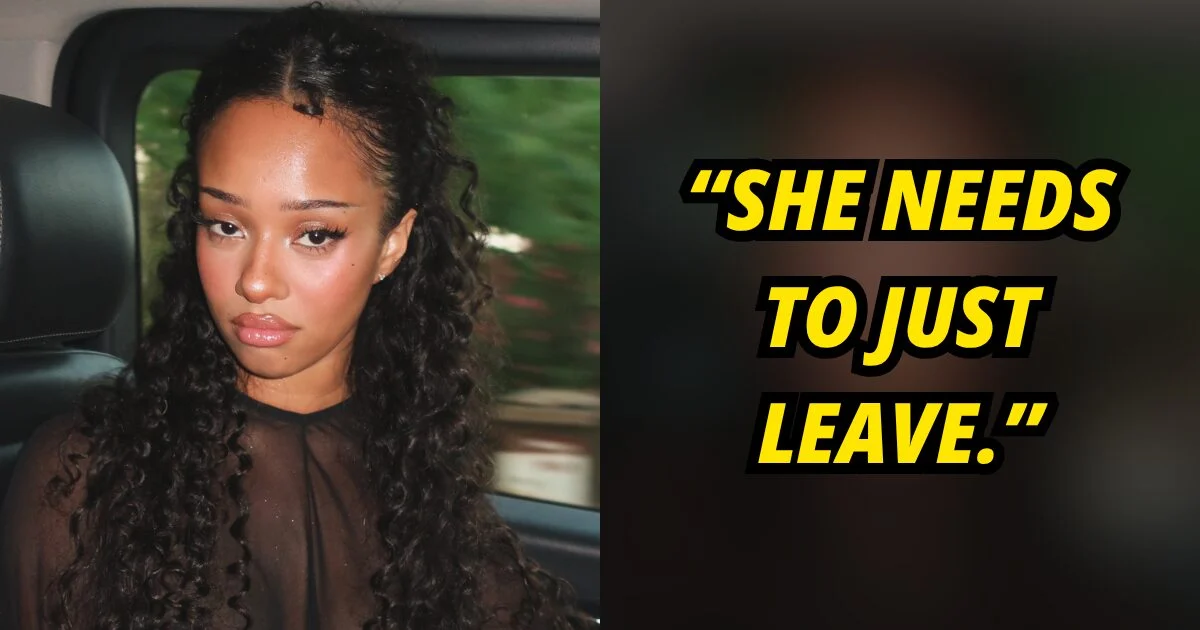
The Resurfacing of the J-Hope Misidentification Incident
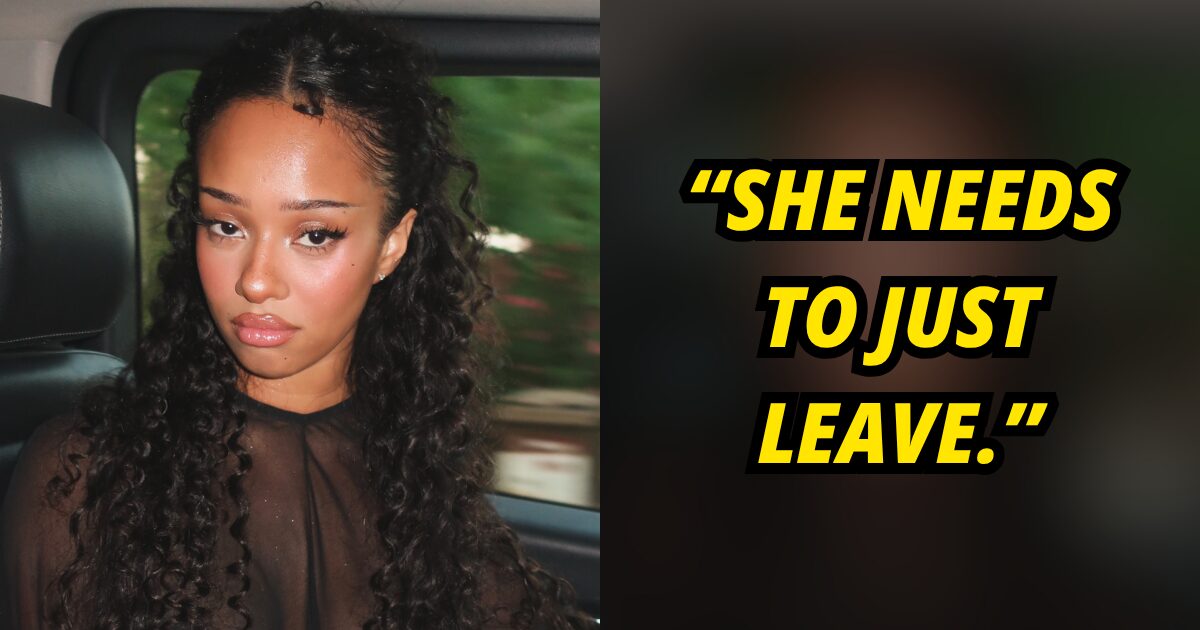
The primary catalyst for the current wave of criticism stems from a video clip that recently began recirculating across platforms such as X (formerly Twitter) and TikTok. In the footage, Manon is seen discussing an encounter she had within the HYBE headquarters. During the live stream, she recounts an instance where she mistook a person she encountered for J-Hope, a member of the globally renowned group BTS. Manon appeared to find the mistake humorous, laughing as she shared the anecdote with her viewers.
However, a significant portion of the K-pop community did not share in the levity. Critics argue that the incident plays directly into the harmful "monolith" stereotype—the reductive and racist trope that all East Asian individuals look alike. Given that Manon is signed under HYBE, the same parent company as BTS, and has spent considerable time within the professional environment of the South Korean music industry, netizens expressed disappointment that she would casually joke about a misidentification rooted in such a sensitive stereotype. The backlash was further intensified by the fact that J-Hope is one of the most recognizable figures in global music, leading some to question whether the mistake was a genuine lapse in facial recognition or a symptom of a deeper lack of cultural awareness.
Controversy Surrounding Instagram Highlight Curation
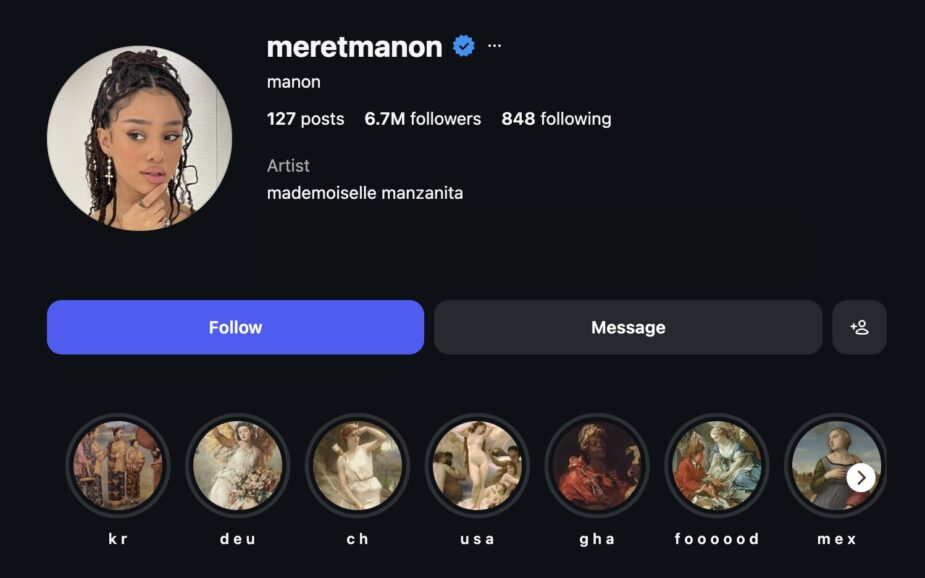
Compounding the misidentification issue is a separate allegation regarding Manon’s Instagram account. Netizens have pointed to the "highlights" section of her profile, which serves as a digital archive of her travels and professional experiences in various countries. Each highlight is represented by a cover image featuring a classical or traditional painting intended to reflect the aesthetic or cultural essence of the location.
The controversy specifically centers on the highlight labeled "KR," representing South Korea. Instead of featuring a work by a Korean artist or a depiction of Korean culture, the cover image used is a painting titled "That Luang Festival of Luang Prabang" by the artist Sompaseuth Chounlamany. The That Luang Festival is a sacred Buddhist celebration and a cornerstone of Laotian national identity, held annually in Vientiane and Luang Prabang, Laos.
The choice to use a Laotian cultural symbol to represent South Korea has led to accusations that Manon views Asian cultures as interchangeable. In the eyes of many critics, this choice reinforces the "Asian monolith" narrative, suggesting a lack of effort to distinguish between the distinct histories, traditions, and artistic heritages of different Asian nations. For a member of a group marketed as a "global" entity, such a perceived oversight is being treated by some as a significant failure in cultural literacy.
Defense and Counter-Arguments: The "Aesthetic" Justification
While the criticism has been vocal, a substantial number of fans and neutral observers have come to Manon’s defense. Those supporting the idol argue that her Instagram curation is driven by a specific visual "aesthetic" rather than a rigorous attempt at geographical or cultural accuracy. To support this claim, fans pointed to other highlights on her profile that also feature mismatched artwork.
For instance, Manon’s highlight for Mexico reportedly features a painting by Raphael, a master of the Italian Renaissance, while the highlight for the United States uses a work by the French academic painter William-Adolphe Bouguereau. Supporters argue that since Manon has applied this inconsistent logic to Western and Latin American countries as well, the use of a Laotian painting for Korea was likely a mistake based on visual preference rather than a targeted act of racial insensitivity.
"It is quite obvious she is going for a specific art-history aesthetic," one fan noted on social media. "If she is using Italian art for Mexico and French art for the U.S., it shows that she isn’t picking the art based on the country’s origin, but on how the painting looks on her feed. It might be a bit careless, but calling it racism feels like a stretch."
Background: The Formation of KATSEYE and "The Debut: Dream Academy"
To understand the intensity of the reaction, it is necessary to look at the unique origins of KATSEYE. The group was formed through the reality competition show The Debut: Dream Academy, a high-stakes collaboration between the South Korean powerhouse HYBE and the American label Geffen Records. The project aimed to create a truly global girl group, selecting members from thousands of applicants worldwide to represent a diverse range of nationalities and backgrounds.

Manon, who is of Swiss and Ghanaian descent, was a fan favorite throughout the competition due to her striking visuals and vocal potential. However, her journey was not without friction. During the airing of the Netflix documentary Pop Star Academy: KATSEYE, which chronicled the group’s formation, it was revealed that Manon faced internal criticism from both staff and fellow contestants regarding her work ethic and attendance during the training period.
These past tensions have made Manon a polarizing figure within the fandom. For some, the current allegations of cultural insensitivity are seen as a continuation of a pattern of perceived unprofessionalism. For others, she is a victim of hyper-scrutiny, with every move being analyzed more harshly than those of her peers.
Timeline of Recent Events
The current controversy follows a specific timeline of events that led to the resurfacing of the old clips:
- Late 2023: KATSEYE’s final lineup is confirmed, including Manon, Sophia, Lara, Daniela, Megan, and Yoonchae.
- Early 2024: The group begins intensive preparations for their debut, including the filming of documentary content and music videos.
- June 2024: Reports circulate regarding a brief hiatus or reduced visibility for Manon, leading to speculation among fans.
- July 14, 2024: Official channels confirm Manon’s participation in the group’s latest project, signaling her full return to activities.
- July 15-16, 2024: In response to the announcement, detractors began sharing the J-Hope misidentification clip and screenshots of her Instagram highlights, leading to the current viral discourse.
Broader Implications for Global K-Pop Branding
The situation involving Manon highlights a broader challenge facing the "Global K-pop" model. As companies like HYBE attempt to export the K-pop training system to international talent, they encounter a complex intersection of cultural expectations.
In South Korea, idols are expected to adhere to strict standards of public conduct, which includes a high level of awareness regarding national sentiments and cultural nuances. Conversely, Western "global" stars often operate with more individualistic branding, where social media aesthetics often take precedence over traditional protocols.
When these two worlds collide, the margin for error is slim. For KATSEYE, a group that markets itself on the strength of its diversity, cultural sensitivity is not just a matter of public relations—it is a core part of their brand identity. Critics argue that if the group is to represent a "global" bridge, its members must demonstrate a deeper understanding of the cultures they inhabit and represent, particularly the Korean culture that provides the foundation for their industry.
Official Responses and Future Outlook
As of the time of writing, neither HYBE nor Geffen Records has issued an official statement regarding the specific allegations against Manon. The labels have historically been selective in responding to social media controversies, often choosing to focus on upcoming content releases rather than engaging with online discourse.
However, the "enraged" response from a segment of the fandom suggests that the issue may not dissipate quickly. For Manon and KATSEYE, the coming months will be a critical period for reputation management. As the group moves toward further global promotions, the focus will likely shift to how the members navigate their roles as cultural ambassadors.
The debate surrounding Manon serves as a cautionary tale for the modern music industry. In an era where digital footprints are permanent and cultural boundaries are constantly being negotiated, the role of a "global idol" requires a delicate balance of artistic expression and social responsibility. Whether this controversy remains a temporary hurdle or becomes a defining narrative for Manon’s career will depend largely on her future actions and the group’s ability to foster a genuine connection with their diverse, international audience.

