
 By Reynand Wu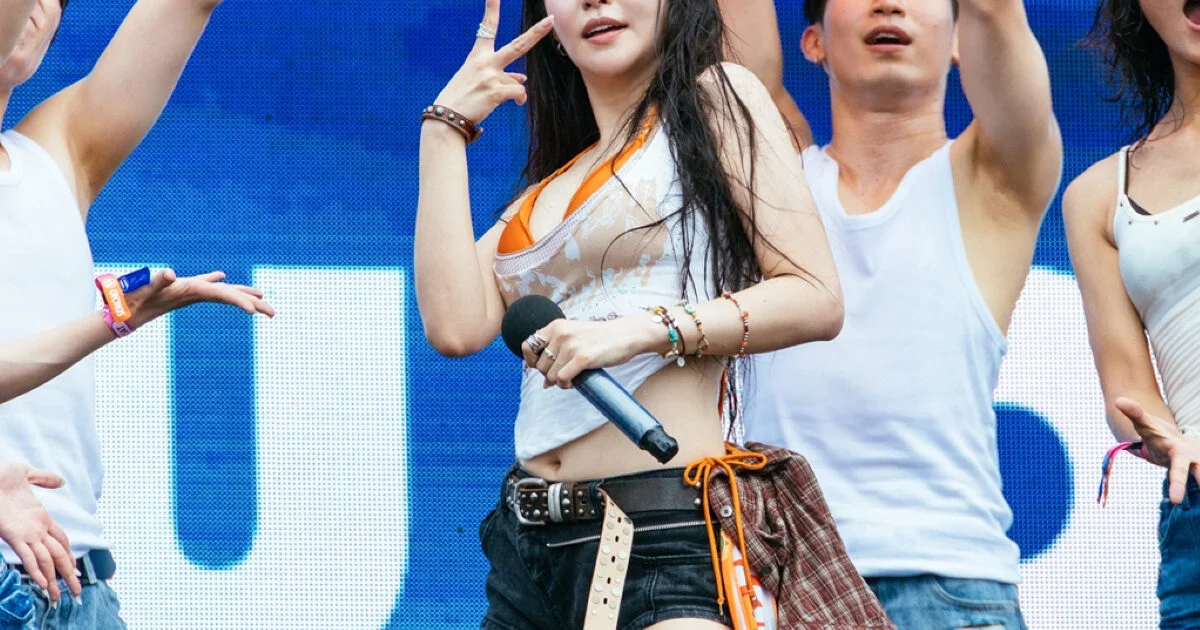
The landscape of the South Korean music industry is often defined by its high-stakes transitions, particularly when established idols venture away from the security of a group to forge a path as soloists. This transition was placed under a microscopic lens on August 22nd, when Nam Yujeong, formerly a prominent member of the girl group BBGIRLS (originally known as Brave Girls), made her highly anticipated solo debut on the Waterbomb festival stage. Held at the Hanwha Resort Seorak Sorano in Sokcho, Gangwon Province, the performance was intended to be a celebratory introduction to her new chapter. However, the event has instead sparked a significant debate regarding the expectations placed on solo artists and the challenges of rebranding after years of group success.
The Context of Waterbomb Sokcho 2026
Waterbomb has evolved from a niche summer festival into a premier cultural phenomenon in South Korea, known for its unique blend of live music and massive water fights. For K-pop idols, the festival has become a strategic platform for rebranding or launching solo careers. A successful Waterbomb appearance can result in viral moments that propel an artist to new heights of domestic and international fame, as seen with previous "Waterbomb Goddesses" like Kwon Eunbi.
The Sokcho leg of the 2026 tour was expected to be a highlight of the summer season, drawing thousands of fans to the coastal region of Gangwon Province. Nam Yujeong’s inclusion in the lineup was viewed by industry insiders as a pivotal move. Having officially departed from BBGIRLS in April 2024, this was her first major public appearance as a standalone act. The pressure was high to deliver a performance that not only retained her existing fanbase but also established her individual artistic identity.
Performance Overview and Artistic Choices
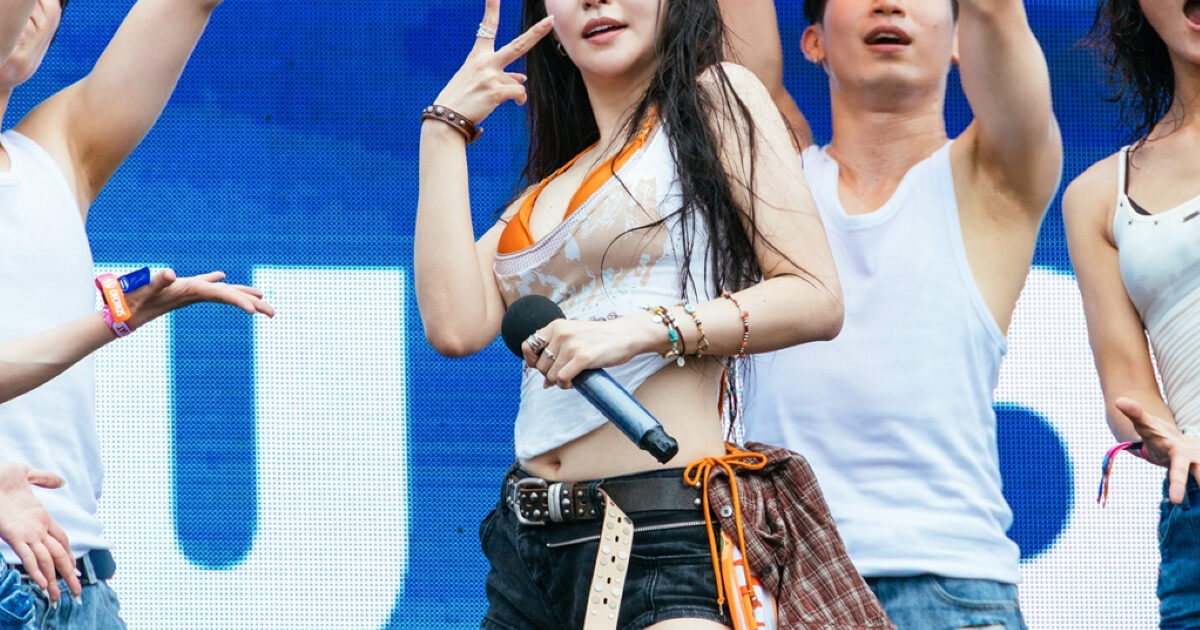
Nam Yujeong took the stage with her characteristic "Squirtle-like" smile, a trademark that helped her gain immense popularity during the 2021 "Rollin’" resurgence. Her styling for the event was described as bold and festive, consisting of a sleeveless top and short shorts, fitting the high-energy, summer-themed atmosphere of the festival.
However, the primary point of contention arose from her setlist. Rather than debuting original material, Yujeong opted for a selection of remake songs. Her repertoire for the afternoon included:
- "I Really Like You" – Originally by the girl group Jewelry.
- "Prince of the Sea" – A summer staple originally performed by comedian and singer Park Myung Soo.
- "Invitation" – The iconic 1998 hit by Uhm Jung Hwa, known for its sultry and sophisticated concept.
The performance of "Invitation" featured a surprise appearance by BTOB’s Lee Minhyuk (also known as Huta). Minhyuk, who has established himself as a frequent and popular guest at Waterbomb events due to his charismatic stage presence and fitness-oriented aesthetic, provided a rap feature and joined Yujeong for the choreography. While the live audience in Sokcho reportedly responded with enthusiasm to the familiar hits and the surprise guest, the digital reception told a different story.
A Timeline of Transition: From Brave Girls to Soloist
To understand the weight of the public’s reaction, one must look at the trajectory of Nam Yujeong’s career. She debuted as a member of the second generation of Brave Girls in 2016. For years, the group struggled with low visibility, coming close to disbandment several times. Their fortunes changed overnight in early 2021 when a fan-made compilation video of their 2017 track "Rollin’" went viral, leading to a "reverse run" on the charts that is now legendary in K-pop history.
Following the success of "Rollin’" and subsequent hits like "Chi Mat Ba Ram," the group faced contractual changes. In 2023, the members moved to Warner Music Korea and rebranded as BBGIRLS. However, in April 2024, it was announced that Nam Yujeong would be leaving the group and the agency to pursue solo activities. Her appearance at Waterbomb Sokcho 2026 was the first concrete realization of this solo path, coming roughly four months after her official departure from the group.
Analyzing the Public’s "Cold Reaction"
Once footage of the performance began circulating on social media platforms and Korean community forums, the feedback was sharply divided. The criticism generally fell into three categories: song choice, technical execution, and "solo readiness."
The Absence of Originality
The most prominent critique centered on the lack of original music. In the K-pop industry, a "solo debut" is traditionally marked by the release of a new single that defines the artist’s specific sound and direction. By performing only remakes, some netizens argued that Yujeong failed to establish what her solo identity actually is. Comments like "Does she not have any of her own songs?" and "I expected a unique style since she’s going solo" reflected a sense of disappointment among fans who were looking for a fresh artistic statement.
Performance Quality and Vocal Stability
Technical critiques were also prevalent. Some viewers suggested that the performance lacked the polish expected of a veteran idol with nearly a decade of experience. Concerns were raised regarding her vocal stability during the live set and the sharpness of her choreography. Critics noted that in a group setting, individual shortcomings can often be masked by the collective energy and talent of the members, but on a solo stage, every minor error is magnified. "She looked awkward, perhaps due to insufficient practice," one commenter noted, while others suggested that she "shined more when she was part of a group."
Comparison to Group Success
There is a psychological element to the public’s reaction. Because Yujeong was a central figure in the "Brave Girls miracle," the public has a deeply ingrained image of her as part of that unit. Moving away from a beloved brand is a precarious move. For some, the Waterbomb performance served as a reminder of the synergy she once had with her former members, leading to unfavorable comparisons between her current solo endeavors and her past group achievements.
Supportive Voices and the "Live Experience" Factor
Despite the wave of online criticism, a significant portion of the audience and online community defended the artist. Supporters pointed out that the atmosphere at a festival like Waterbomb is vastly different from a televised music show. At such events, the priority is often "crowd-pleasing" and "vibe" over the promotion of new, unknown tracks.
Fans who were present at Hanwha Resort Seorak Sorano reported that the live reaction was overwhelmingly positive. They argued that "Prince of the Sea" and "I Really Like You" are perfect "sing-along" songs for a summer water festival, designed to keep the energy high among a diverse crowd. Furthermore, many expressed joy at seeing Yujeong back on stage after her hiatus following the BBGIRLS departure. "It was nice to see her trademark smile again," wrote one supporter, emphasizing that this performance was likely a "warm-up" for future activities rather than a definitive career statement.
Broader Implications for Solo Idols in the Modern Era
The reaction to Nam Yujeong’s performance highlights a growing trend in the K-pop industry: the "high barrier to entry" for soloists. In the current market, soloists are expected to possess not only vocal and dance proficiency but also a distinct "concept" that differentiates them from the saturated field of idol groups.
Furthermore, the reliance on remake songs is a double-edged sword. While remakes offer a sense of nostalgia and guaranteed familiarity, they can also hinder an artist’s ability to be seen as a serious individual creator. For Yujeong, the choice of "Invitation"—a song synonymous with Uhm Jung Hwa’s legendary status—was particularly risky, as it invited direct comparisons to one of the most charismatic performers in Korean history.
From a management perspective, the decision to debut on a festival stage rather than through a traditional album release may have been a strategic choice to gauge public interest. However, the resulting feedback suggests that the public’s appetite for "originality" currently outweighs their desire for "familiarity" when it comes to established stars entering a new phase of their careers.
Future Outlook
As Nam Yujeong continues her solo journey, the feedback from Waterbomb Sokcho 2026 will likely serve as a crucial data point for her and her team. The transition from a group member to a solo artist is rarely a linear path to success. It requires a recalibration of image, sound, and stage presence.
While the "cold reaction" from some sectors of the internet may seem discouraging, it also indicates a high level of public interest. The fact that her performance generated such a vibrant discussion proves that she remains a figure of significance in the industry. Moving forward, the focus will likely shift to her first official solo release. Whether she can translate her "Waterbomb" experience into a successful, original discography will determine the longevity of her solo career.
For now, Nam Yujeong remains a symbol of the "reverse run" era, an artist who has experienced the highest peaks of the industry and is now navigating the complex, often unforgiving waters of solo stardom. Her next moves will be watched closely by both critics and fans alike, as she seeks to prove that her "trademark smile" is backed by the individual artistry required to stand alone on the stage.

