
 By Nila Kartika Wati
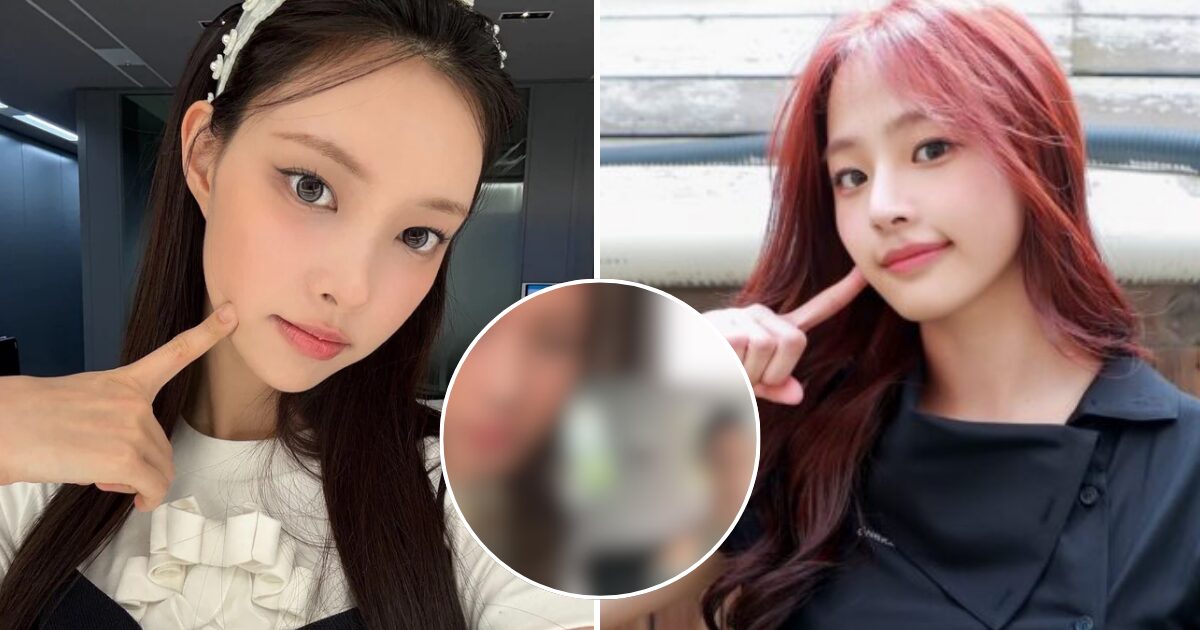
A recent social media surge has reignited the contentious debate surrounding alleged plagiarism in the K-pop industry, specifically drawing focus to the emerging girl group ILLIT and established powerhouse NewJeans. The catalyst for this latest flare-up was the viral circulation of images featuring ILLIT’s Yunah and NewJeans’ Minji wearing identical outfits and striking similar poses, fueling existing tensions amid an ongoing high-stakes corporate dispute between their respective labels, BELIFT LAB and ADOR. The incident has sharply divided online communities, with some netizens decrying it as further evidence of imitation, while others swiftly moved to defend ILLIT, citing the timeline of the photos and broader industry practices.
The Spark: Identical Outfits and Poses Fueling Accusations
The controversy erupted when comparison photos, juxtaposing Minji of NewJeans and Yunah of ILLIT, began circulating widely across platforms like X (formerly Twitter). In these images, both idols were seen donning what appeared to be the exact same casual yet stylish ensemble: a distinctive top paired with complementary bottoms. Adding to the perceived similarities, both idols were depicted striking comparable poses, leading many to interpret this as a deliberate act of copying.
For a segment of the K-pop fandom, particularly those aligned with NewJeans, these photos served as potent "proof" supporting existing allegations that ILLIT’s styling, concepts, and overall branding bear an uncanny resemblance to NewJeans. The visual evidence of identical attire, amplified by the similar poses, struck a nerve, transforming what might otherwise be a minor fashion coincidence into a flashpoint for deeper-seated grievances. Social media users expressed frustration, with comments ranging from "this is just embarrassing" to "they’re just playing in our faces," underscoring the sentiment that the similarities were too pronounced to be accidental.
Contextualizing the Controversy: The Ongoing HYBE-ADOR Dispute
To fully grasp the intensity of the reaction, it is imperative to understand the intricate and highly public corporate battle currently unfolding between HYBE Corporation, the parent company of BELIFT LAB (ILLIT’s agency), and ADOR, the independent label responsible for NewJeans. This dispute, which escalated dramatically in April 2024, centers on allegations made by ADOR CEO Min Hee-jin, who is also the mastermind behind NewJeans’ concept and creative direction.
Min Hee-jin publicly accused HYBE and BELIFT LAB of plagiarizing NewJeans’ unique aesthetic, concept, and choreography for ILLIT’s debut. She asserted that ILLIT’s styling, music video direction, and even specific promotional elements bore striking similarities to NewJeans’ established brand identity, arguing that this constituted an unauthorized "copycat" strategy. Her claims were vehemently denied by BELIFT LAB and HYBE, who initiated legal proceedings against Min Hee-jin, alleging a breach of trust and an attempt to seize control of ADOR.
This corporate skirmish has created a highly charged atmosphere within the K-pop community, particularly among fans of both groups. Every perceived similarity, no matter how minor, is now viewed through the lens of this overarching dispute. The identical outfit worn by Yunah and Minji, therefore, did not emerge in a vacuum but rather landed directly in the middle of an already inflamed debate, instantly becoming another piece of "evidence" for those who believe ILLIT is intentionally mirroring NewJeans.
Netizen Reactions: A Divided Fandom and Historical Perspectives
The immediate aftermath of the photos’ circulation saw a significant split in public opinion, reflecting the polarized nature of the corporate feud.
-
Accusations of Plagiarism and Intentional Copying: A substantial portion of netizens, primarily NewJeans’ fanbase (Bunnies) and other observers, interpreted the matching outfits as yet another instance in a pattern of alleged imitation. They argued that the coincidence was too significant given the existing accusations from Min Hee-jin. Comments on social media platforms highlighted the perceived lack of originality and expressed disappointment, some even suggesting that ILLIT members were complicit or being "used by Belift." The cumulative effect of past allegations, combined with this new visual evidence, solidified their belief in a deliberate strategy to replicate NewJeans’ success.
-
Defenses and Counter-Arguments: The Timeline and Industry Norms: Conversely, a strong contingent of fans, particularly those supporting ILLIT (known as LIT), and neutral observers quickly came to Yunah’s defense. Their primary counter-argument revolved around the crucial detail that the photo of ILLIT’s Yunah was reportedly taken in 2023, well before ILLIT’s debut in March 2024, and potentially even before NewJeans’ Minji wore the specific outfit or achieved widespread recognition for that particular style. This timeline became a critical point, suggesting that any similarity was purely coincidental or that Minji might have worn the outfit after Yunah.
Furthermore, defenders pointed to the historical context of the K-pop industry, where idols frequently wear the same high-fashion or popular casual brands. It is common for stylists to source clothing from similar collections or trending items, leading to overlaps across different groups. In the past, such instances were often met with excitement or friendly comparisons, celebrating idols’ fashion choices rather than sparking accusations of plagiarism. Netizens reminiscing about earlier K-pop eras highlighted how common it was for idols to wear the same attire without generating controversy, suggesting that the current climate of animosity was unfairly scrutinizing ILLIT. "You would NEVER had survived back then," one user quipped, contrasting the current outrage with past industry norms. Another pointed out the perceived absurdity of "digging up a 2023 photo of Yunah to scream ‘plagiarism’ when ILLIT hadn’t even debuted yet."

The Timeline of the Photos: A Crucial Differentiating Factor
The precise chronology of when each photo was taken is a pivotal element in this debate. While Minji’s photo, shared on Weverse, appeared to be more recent, the image of Yunah was identified by some netizens as originating from 2023. If Yunah’s photo indeed predates Minji’s by a significant margin, or even if it predates ILLIT’s debut and the onset of the corporate dispute, it significantly weakens the argument for deliberate copying.
Stylists for K-pop idols often work with various brands and fashion houses, frequently borrowing or purchasing items from current collections. It is entirely plausible for two different stylists, working for different groups, to select the same popular or on-trend garment. Without concrete evidence of when each idol acquired or wore the outfit for the first time, and who wore it first, accusations of plagiarism based solely on identical clothing become more tenuous. The pre-debut date of Yunah’s photo, if verified, suggests that the outfit choice was made independently of any potential "copycat" strategy related to NewJeans’ established image.
The Broader Landscape of K-Pop Styling and Brand Partnerships
The K-pop industry is a global fashion influencer, with idols frequently showcasing high-end brands, streetwear, and trending styles. Stylists play a crucial role in crafting an idol’s image, and their choices are often influenced by current fashion trends, brand partnerships, and the availability of garments.
- Brand Endorsements and Sourcing: Many K-pop groups and individual idols have lucrative endorsement deals with fashion brands. Even without formal endorsements, stylists often borrow or are gifted items from designers for promotional activities, photoshoots, and stage performances. This practice can lead to a convergence of fashion choices across different groups, especially if a particular item or collection is highly popular or widely distributed.
- Trending Styles: Fashion, by its nature, is cyclical and trend-driven. Certain silhouettes, colors, or specific garments can become widely popular within a short period. It is not uncommon for multiple celebrities, both within K-pop and globally, to be seen wearing similar or identical pieces, simply because those items are "in vogue."
- The Role of Stylists: K-pop agencies employ dedicated styling teams who are constantly scouting for new looks. While they aim for uniqueness, practical constraints such as budget, availability, and the need to align with current fashion narratives can lead to similar selections across different groups. Attributing "plagiarism" solely to the idol wearing the outfit often overlooks the agency and decisions of the styling team.
Implications for ILLIT and NewJeans
The repeated emergence of such controversies carries significant implications for both groups involved and their respective agencies.

- For ILLIT: As a newly debuted group, ILLIT faces immense pressure to establish its unique identity. The ongoing plagiarism accusations, whether founded or not, cast a shadow over their debut and early career. Each new accusation, even one as seemingly innocuous as an outfit choice, contributes to a narrative that questions their originality. This can hinder their ability to fully connect with a broader audience who might be swayed by the negative perception, despite their talent and hard work. BELIFT LAB is constantly in a defensive position, needing to counter allegations that could damage their investment and the group’s potential.
- For NewJeans: While NewJeans is an established group with a strong global fanbase, the continuous need to defend their originality and unique concept can be draining. The controversy, while positioning them as the "original," also keeps them embroiled in a negative corporate narrative that distracts from their music and achievements. ADOR’s focus remains on asserting and protecting NewJeans’ creative intellectual property, which is crucial for their long-term brand value.
- For the Agencies (BELIFT LAB and ADOR/HYBE): The outfit controversy further escalates the corporate dispute, turning fan communities into proxies in a larger legal and public relations battle. It strains inter-company relationships within the broader HYBE ecosystem and diverts resources towards managing public perception and potential legal challenges rather than purely focusing on artist development. The financial and reputational stakes are incredibly high.
The Role of Social Media and Fandom Culture
Social media platforms have become indispensable tools for K-pop fandoms, enabling rapid information sharing, community building, and collective action. However, they also serve as breeding grounds for intense debate, speculation, and the rapid spread of both verified and unverified information.
- Amplification of Debates: Platforms like X allow comparison photos and arguments to go viral within minutes, reaching millions globally. This instant amplification means that even minor incidents can quickly escalate into major controversies, fueled by passionate fanbases.
- Fan-Generated Content and "Evidence": Fandoms are adept at creating their own "evidence" by meticulously comparing images, videos, and statements. While this can sometimes uncover genuine issues, it can also lead to confirmation bias, where every new piece of information is interpreted through the lens of pre-existing beliefs or loyalties.
- Toxic Fandom Behavior: The intensity of these debates can sometimes devolve into toxic behavior, including personal attacks on idols, agency staff, and other fans. This harms the overall K-pop community and creates an unhealthy environment online.
Looking Ahead: The Quest for Originality in K-Pop
The incident involving Yunah and Minji’s outfits is more than just a fashion coincidence; it is a symptom of deeper challenges within the highly competitive and rapidly evolving K-pop industry. The quest for originality, especially for new groups debuting under major labels, is increasingly difficult in a saturated market where trends are quickly adopted and adapted.
Agencies face the immense pressure to create unique concepts that resonate with audiences while simultaneously adhering to current market demands and visual aesthetics. This fine line often blurs, leading to inevitable overlaps. Moving forward, the industry might need to re-evaluate its approach to creative intellectual property, styling practices, and inter-company relations to foster a more collaborative and less contentious environment. Clearer guidelines on what constitutes "inspiration" versus "plagiarism," alongside more transparent communication from agencies, could help mitigate such controversies. Ultimately, while fans will continue to champion their favorite groups, a balanced perspective that considers all angles—from creative intent to industry norms—will be crucial for navigating the complex landscape of K-pop in the years to come.

