
 By Lina Hope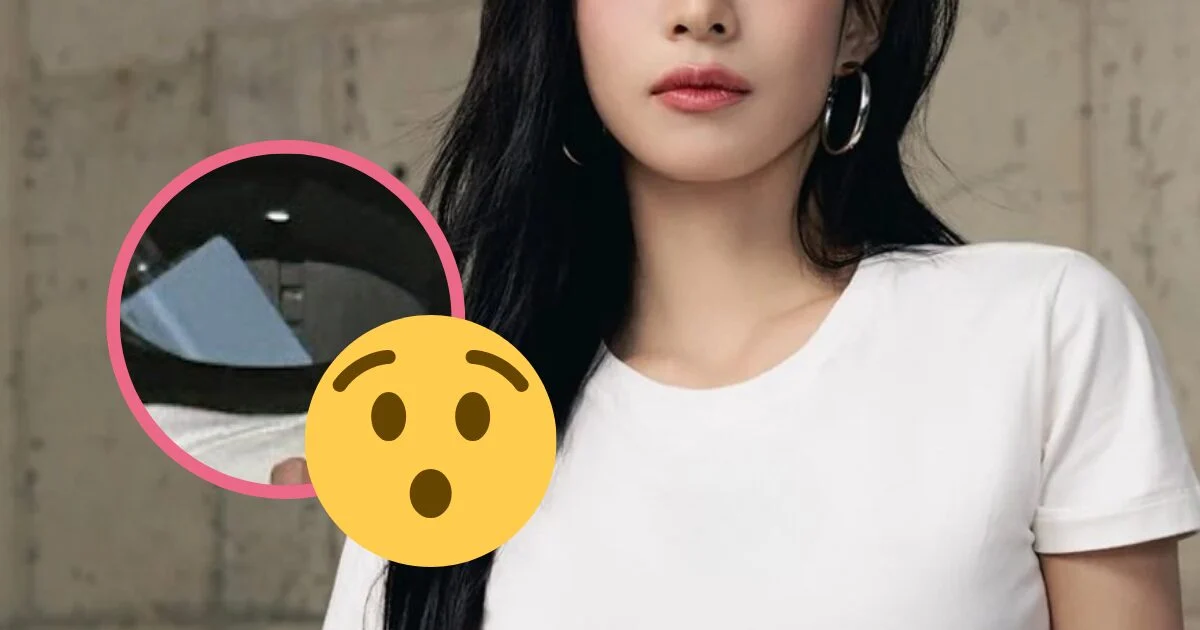
The landscape of K-Pop idol culture, meticulously crafted around images of perfection and aspirational purity, occasionally witnesses moments that challenge its established norms. One such instance, involving fromis_9 member Lee Chae-young (better known by her stage name Chaeyoung), initially sparked a minor public discussion in 2023 and has now resurfaced with an unexpected commercial twist in mid-2026. What began as a seemingly innocuous detail in a social media post has evolved into a unique case study in brand recognition and the shifting dynamics of idol authenticity.
The Initial Incident: A Glimpse into Private Life
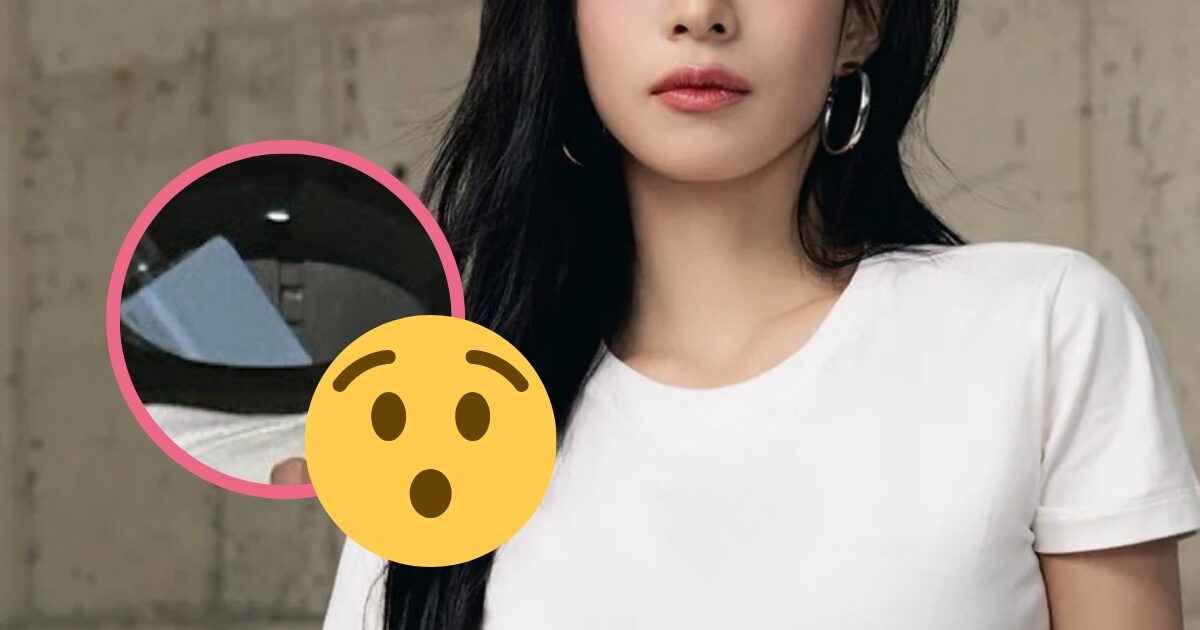
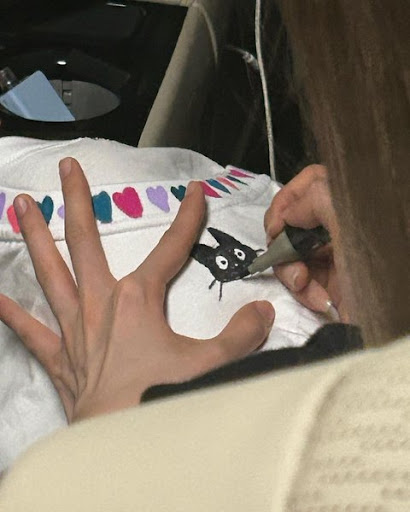
In 2023, Chaeyoung, a prominent member of the popular girl group fromis_9, found herself at the center of a mild "controversy" after an image she shared on her personal Instagram account garnered unforeseen attention. The photograph, depicting the idol in a casual, over-the-shoulder pose while engaged in doodling, inadvertently revealed what many eagle-eyed fans identified as an electronic cigarette, or vape, in the background. This subtle detail quickly became the focal point of online discussions across various K-Pop fan communities and social media platforms.
The swiftness with which the item was identified underscores the intense scrutiny under which K-Pop idols operate. Every public-facing aspect of their lives, from their fashion choices to the minutiae of their personal spaces depicted in photos, is subject to immediate and often exhaustive analysis by their dedicated fanbase and the wider public. For female idols, in particular, the industry has historically imposed stringent standards of conduct and image, often emphasizing innocence, wholesomeness, and adherence to conservative societal expectations. The presence of a vaping device, while legal for adults in South Korea, momentarily disrupted this carefully curated image, leading to a wave of online commentary.
Navigating K-Pop’s Strict Image Standards
The initial reaction to Chaeyoung’s photo in 2023 was multifaceted. While some expressed surprise or concern, a significant portion of the fanbase rallied in her defense. This supportive stance highlighted an evolving sentiment among K-Pop enthusiasts who increasingly advocate for idols’ right to personal privacy and adult autonomy. Arguments frequently surfaced emphasizing that idols, like any other adults, are entitled to make personal choices, provided they remain within legal boundaries. The contention that "idols are human too" and "they are adults capable of making their own decisions" resonated strongly, pushing back against the often-unrealistic expectations imposed by the industry.
This phenomenon is reflective of a broader shift in K-Pop fan culture, moving away from an unquestioning acceptance of the "perfect idol" narrative towards a demand for greater authenticity and respect for idols’ individual lives. Historically, agencies have exerted immense control over idols’ public personas, often implementing strict "no dating" or "no scandal" clauses in their contracts, and meticulously managing every aspect of their public image. Smoking, and by extension vaping, has traditionally been viewed as a habit that contradicts the clean-cut, youthful image often promoted for female idols, leading to disproportionately harsh public backlash compared to their male counterparts. However, Chaeyoung’s incident, with its predominantly defensive fan response, suggested a growing public tolerance for idols exhibiting more "real-life" behaviors.
Chronology of an Unforeseen Event
- Mid-2023: Lee Chae-young (Chaeyoung) of fromis9 posts an image on her personal Instagram account, @chaengrang, featuring herself doodling. An electronic cigarette is visible in the background, inadvertently captured in the frame.
- Immediate Aftermath (2023): Fans and netizens quickly identify the vaping device. Online forums and social media platforms become abuzz with discussions. K-Pop news outlets, including Koreaboo, report on the discovery, framing it as a minor "controversy."
- Fan Defense and Public Discourse (2023): A significant majority of fans express support for Chaeyoung, arguing that as an adult, she is permitted to vape. Discussions highlight the double standards often applied to female idols regarding personal habits. The "controversy" largely subsides without significant agency intervention or lasting negative impact on Chaeyoung’s career or fromis_9’s activities.
- Period of Normalization (2023-Mid-2026): The incident fades from active public memory, becoming a niche topic among long-term fans. Chaeyoung and fromis_9 continue with their scheduled activities, releases, and promotions, indicating that the event had minimal long-term repercussions.
- Mid-2026: It is announced that Chaeyoung and fellow fromis_9 member Lee Na-gyung (Nagyung) are scheduled to appear as guests on the popular variety talk show, The Trueman Show, hosted by comedian Lee Yong Jin.
- July 16, 2026: A preview for The Trueman Show episode featuring Chaeyoung and Nagyung is released. During the segment, Chaeyoung openly addresses the 2023 vaping incident, revealing a surprising new detail: the company manufacturing the electronic cigarette had repeatedly attempted to contact her after the photo gained attention.
The Unexpected Commercial Overture: Brand Interest

Chaeyoung’s revelation on The Trueman Show marked a significant turning point in the narrative of the 2023 incident. Her candid admission, "I posted a photo, and an e-cigarette happened to be in it. After that, the company that made that e-cigarette kept reaching out to me repeatedly," transformed a minor personal "scandal" into an intriguing case of unsolicited commercial interest. This unforeseen consequence highlights the immense, often unintentional, marketing power wielded by K-Pop idols.
For a vape company, the accidental appearance of their product in an idol’s social media post, even amidst a minor controversy, represents invaluable organic exposure. In the highly competitive world of brand endorsements in South Korea, securing a K-Pop idol as a spokesperson is a strategic move that can significantly boost brand visibility, credibility, and sales, particularly among younger demographics. While direct endorsements of vaping products by idols might be ethically complex or even prohibited under certain entertainment agency guidelines due to public health considerations, the company’s persistent outreach suggests a clear intent to leverage the unexpected spotlight. This could range from seeking an official endorsement deal to offering free products, or simply acknowledging the accidental promotion. The situation underscores how rapidly brand managers can identify and attempt to capitalize on unexpected visibility, turning a potential PR mishap for the idol into a marketing opportunity for the product.
Broader Implications: Idols, Authenticity, and Commercialism
Chaeyoung’s experience provides several insights into the evolving K-Pop industry and its intricate relationship with public image, fan culture, and commercial interests.
1. Shifting Idol Image and Authenticity: The casual and transparent manner in which Chaeyoung addressed the incident years later, coupled with her fans’ amused and supportive reactions, signals a potential shift towards greater authenticity in idol personas. In an era where fans increasingly value "realness" over manufactured perfection, an idol’s ability to openly discuss past "controversies" without fear of severe backlash can foster a deeper, more relatable connection with their audience. This incident, therefore, contributes to the ongoing conversation about the balance between an idol’s public image and their private life, suggesting a gradual relaxation of the traditionally rigid boundaries. The collective fan sentiment, often expressed with phrases like "they’re so real" or "no filter," indicates a desire for idols to be perceived as multifaceted individuals rather than solely as idealized figures.
2. The Power of Unintentional Product Placement: This case vividly demonstrates the potent influence of social media and the unintentional virality of content involving public figures. A single, candid photo shared on Instagram, intended for personal expression, inadvertently became a powerful, albeit unsanctioned, marketing tool. This phenomenon is not new, but its application in the K-Pop sphere, where brand image is paramount, offers a compelling example of how even a perceived negative can be transformed into a commercial advantage. Companies are constantly seeking novel ways to reach consumers, and an idol’s genuine, albeit accidental, use of a product can be far more impactful than a paid advertisement.
3. Agency Responses and Idol Autonomy: While Pledis Entertainment (fromis_9’s agency, a subsidiary of HYBE Corporation) did not issue a public statement regarding the 2023 incident, the lack of punitive action or public apology at the time suggests a pragmatic approach. Agencies are increasingly aware of the nuanced views of modern fanbases and may opt for a strategy of quiet observation rather than aggressive damage control for minor infractions. Chaeyoung’s subsequent revelation on a national broadcast indicates a degree of autonomy and comfort in discussing her personal experiences, implying that the agency likely approved of her candidness, perhaps seeing it as an opportunity to reinforce her authentic image. This contrasts sharply with past eras where idols were often forced into public apologies for far lesser perceived missteps.
4. The Business of Idols and Endorsements: The vape company’s persistent attempts to contact Chaeyoung highlight the intense competition for idol endorsements. K-Pop idols are cultural trendsetters, and their association with a brand can significantly influence consumer behavior, particularly among younger generations. While a direct endorsement deal for a vaping product might be complex due to regulatory and ethical considerations surrounding public health, the incident itself showcases the enormous commercial value inherent in an idol’s platform. It raises questions about how agencies might manage unexpected brand interest stemming from inadvertent product visibility, balancing commercial opportunities with brand image and contractual obligations.
5. Evolving Public Perception of Vaping: The incident also indirectly touches upon the public and regulatory landscape surrounding vaping in South Korea. While generally legal for adults, the social perception of e-cigarettes, especially when associated with public figures, can still be a contentious issue. The relatively mild backlash Chaeyoung faced, compared to potential reactions in other cultural contexts or for other types of "controversies," might suggest a gradual normalization of vaping as an adult choice in South Korean society, even if cautiousness still prevails for public figures.
In conclusion, Lee Chae-young’s vape incident, from its initial quiet "controversy" in 2023 to her candid revelation in 2026, serves as a fascinating microcosm of the dynamic K-Pop industry. It illustrates the enduring power of fan support, the relentless commercial interest spurred by idol visibility, and the slow but steady evolution towards greater authenticity and autonomy for K-Pop artists. What began as a mere background detail has, over time, become a notable anecdote, underscoring that in the hyper-connected world of K-Pop, even the most mundane elements of an idol’s life can yield unforeseen and significant results.

