
 By Pevita Pearce
Executive Summary: A New Era for Regional Athletics
On July 6, 2025, the Kanagawa Sports Association (KSA) officially announced a comprehensive restructuring of its regional development programs. The initiative, aimed at revitalizing youth engagement and streamlining the competitive pathway for aspiring athletes, marks a significant departure from traditional administrative models. By integrating advanced data analytics and fostering closer partnerships with local municipalities, the KSA is positioning itself as a central pillar in the prefecture’s long-term sports strategy.

The core of this transformation lies in the "Regional Athletic Excellence Project," a multi-tiered framework designed to identify and nurture talent across four key developmental categories. This announcement follows an extensive review of the previous fiscal year’s performance, during which the KSA identified a need for more agile, localized support systems to combat the declining interest in traditional organized sports among the youth population.

The Chronology of Reform: From Concept to Implementation
The transition to this new operational model did not occur in a vacuum. It is the culmination of a two-year planning phase that began in mid-2023.
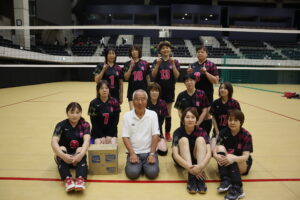
- Q3 2023: Initial surveys were conducted across schools in Kanagawa Prefecture to assess the barriers to entry for youth sports. Key findings included high costs, lack of localized infrastructure, and a disconnect between school-based extracurriculars and regional clubs.
- Q1 2024: The "KSA Revitalization Committee" was formed, bringing together athletic directors, educators, and local government officials to draft a new roadmap.
- January–March 2025: Pilot programs were tested in select municipalities, focusing on the "A, B, C, D" selection criteria for talent scouting.
- July 6, 2025: Formal public unveiling of the new structural framework, accompanied by the announcement of the 27 designated regions that will serve as the primary hubs for the new initiative.
Supporting Data: Understanding the Four Pillars of Excellence
The KSA has categorized its renewed focus into four distinct development streams, each tailored to specific athlete profiles and competitive requirements. This segmentation allows for more efficient resource allocation:

1. The "Ocean" Initiative (Stream A)
This segment focuses on endurance and aquatic disciplines. By partnering with coastal municipalities, the KSA aims to utilize Kanagawa’s geography to provide high-level training environments that were previously inaccessible to the average student. The "Ocean" stream is heavily subsidized to ensure that socioeconomic status is not a barrier to training.
2. The "SELECT" Program (Stream B)
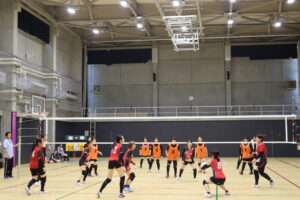
This is a merit-based selection stream. It targets high-performing individuals who demonstrate exceptional potential in ball sports and track-and-field. The KSA will provide these athletes with specialized coaching staff, mental conditioning experts, and advanced biometric tracking tools to monitor their growth over the next five years.
3. The "Kizuna" (Bond) Program (Stream C)
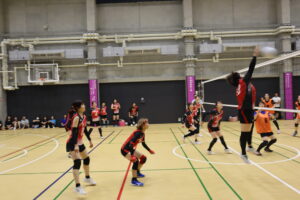
Unlike the elite-focused streams, the "Kizuna" program is designed to foster community engagement and long-term participation. It emphasizes the social and health benefits of athletics. The goal here is to increase the total number of registered youth participants by 15% by the end of 2027.
4. The "R.E.D" (Resilience, Effort, Development) Protocol (Stream D)
The R.E.D program focuses on injury prevention and long-term physical health. It provides a mandatory educational curriculum for coaches and parents regarding the physiological risks of early specialization. By prioritizing the "whole athlete," the KSA hopes to reduce the dropout rate typically seen during the transition from middle to high school.
Official Responses and Stakeholder Perspectives
During the press conference on July 6, the Chairperson of the Kanagawa Sports Association emphasized that this shift is not merely about winning medals, but about creating a sustainable culture of physical activity.
"We recognize that the landscape of youth sports is shifting," the Chairperson stated. "Our duty is to adapt. By decentralizing our operations and giving more power to local municipalities, we are ensuring that a child in a rural district has access to the same quality of training as a child in a major urban hub. This is about equity, health, and passion."
Local municipal leaders have largely welcomed the news. Many have already begun the process of allocating municipal budget funds to upgrade existing facilities to meet the new KSA standards. Educators, meanwhile, have praised the focus on the R.E.D. protocol, noting that students are increasingly suffering from "burnout" due to excessive competitive pressure.

Implications: A Sustainable Future for Kanagawa Athletics
The implications of this structural change are profound. By moving toward a data-driven, community-integrated model, the Kanagawa Sports Association is essentially "future-proofing" its athletic pipeline.
Socio-Economic Impact
The most immediate impact will be the reduction in out-of-pocket costs for families. By centralizing procurement for equipment and coaching certifications, the KSA can leverage economies of scale to keep participation fees low. This is expected to broaden the demographic reach of the association, bringing in families who were previously deterred by the prohibitive costs of competitive sports.
Technological Integration
A significant portion of the new budget will be dedicated to digital infrastructure. Athletes in the "SELECT" and "R.E.D" tracks will have access to a new mobile application that logs their performance data, nutrition, and recovery status. This data will be anonymized and analyzed by the KSA to refine training methods continuously, creating a feedback loop that evolves with the athletes.

Long-term Outlook
The ultimate test of these reforms will be the participation numbers in the 2027 and 2028 academic cycles. If the KSA succeeds in its goal of reversing the downward trend in youth participation, it may serve as a blueprint for other prefectures across Japan.
The KSA’s message to the public is clear: athletics should be a lifelong pursuit, not a fleeting phase. Through the combination of the Ocean, SELECT, Kizuna, and R.E.D programs, the association is building a system that values the individual as much as the outcome.
As the calendar turns toward the end of the year, the KSA has pledged to release quarterly reports on the progress of each of the 27 designated regions. These reports will be made public, ensuring full transparency in how taxpayer money and administrative resources are being utilized to foster the next generation of Kanagawa’s athletes.

Conclusion
The announcement on July 6, 2025, represents a bold step forward. In an era where digital distractions and academic pressures often crowd out physical activity, the Kanagawa Sports Association is fighting back with a sophisticated, inclusive, and highly organized strategy. Whether through the specialized training of the SELECT track or the community-building focus of the Kizuna program, the KSA is ensuring that the spirit of competition—and the joy of movement—remains a vibrant part of life in the region.
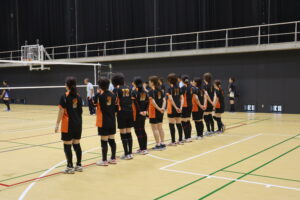
For the youth of Kanagawa, the future of sport has never looked more structured, more accessible, and more promising. As the new programs begin their rollout, the eyes of the nation will be on this prefecture to see if this model can truly deliver on its ambitious promises.
 Layla Zulfa
  Muslim
  Jia Lissa
