
 By Raul Delapena Setiawan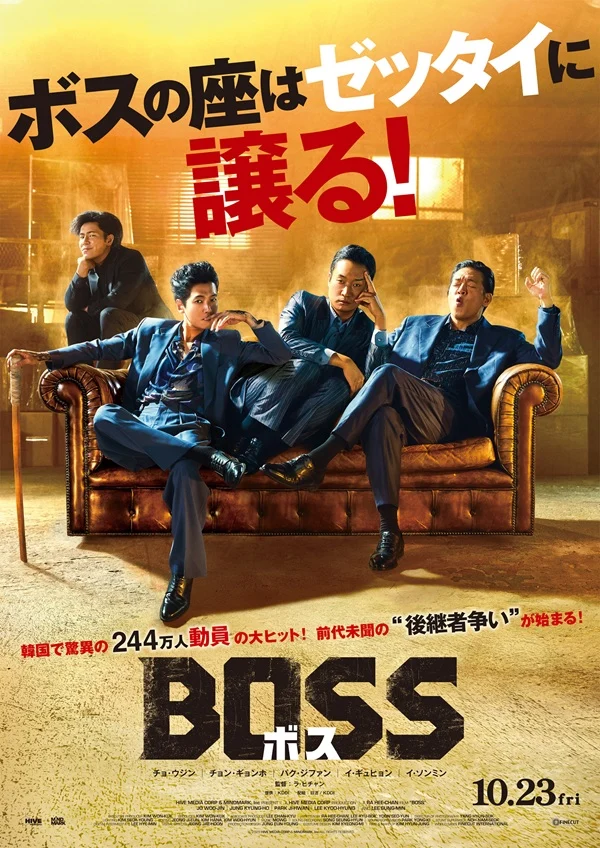
Introduction: A New Paradigm in Action Cinema
The global cinematic landscape is set for a seismic shift in late 2026 with the release of the highly anticipated action thriller, BOSS. Produced by HIVE MEDIA CORP and MINDMARK, Inc., the film represents a massive collaborative effort, featuring an ensemble cast of 244 actors and an ambitious production scale that has already garnered significant attention from international distributors. Scheduled for a theatrical release in Japan on October 23, 2026, through TOHO, BOSS is being hailed not merely as a motion picture, but as a landmark event in contemporary filmmaking.
The project, which has been shrouded in secrecy throughout its development, is poised to redefine the "blockbuster" genre. With a narrative scope that pushes the boundaries of traditional storytelling and a production team that includes some of the most influential names in the industry, BOSS is set to become the standard-bearer for high-concept action cinema in the coming years.
Main Facts: The Anatomy of a Blockbuster
At its core, BOSS is an exploration of power, hierarchy, and the moral complexities inherent in leadership. The film centers on the complex dynamics between a group of individuals navigating a high-stakes environment where every decision could result in total institutional collapse.
- Official BOSS
- Production Companies: HIVE MEDIA CORP & MINDMARK, Inc.
- Japanese Distributor: TOHO
- Release Date: October 23, 2026 (Friday)
- Format: 98 minutes, 5.1 channel surround sound
- Scale: Over 244 cast members, marking one of the largest ensembles in modern action cinema.
The film distinguishes itself by avoiding the standard tropes of the genre. Instead of relying solely on spectacle, BOSS prioritizes the psychological tension between its primary characters. The screenplay, developed over several years, focuses on the "what if" scenarios of corporate and societal control, grounded in a reality that feels uncomfortably plausible.
Chronology: From Concept to Screen
The journey of BOSS from a simple premise to a major motion picture has been a long and meticulous process.
2025: The Foundation
Early 2025 marked the solidification of the core creative team. Producers recognized early on that a film of this magnitude required a unique approach to casting. Rather than relying on a single star, the production opted for a "symphony of talent," selecting actors based on their ability to embody specific, nuanced archetypes rather than just their box office appeal.
Mid-2025: Principal Photography
Production commenced under strict confidentiality. The filming process was broken into several phases to accommodate the massive cast and complex logistical requirements. Filming took place across multiple international locations, ensuring that the visual aesthetic of the film would be as expansive as its narrative.
Late 2025 – Early 2026: Post-Production and Refinement
The editing process for BOSS was characterized by a focus on pacing. With a runtime of 98 minutes, the film aims for maximum impact, ensuring that every frame serves the narrative trajectory. The sound design team, tasked with creating the 5.1 surround experience, focused on creating an immersive environment that mirrors the claustrophobic tension of the film’s central conflict.
October 2026: The Premiere
The final product is now locked, with marketing campaigns ramping up across major global markets. The October 23 release date was chosen strategically to maximize impact in the Japanese market, following a series of regional previews that have already generated significant positive word-of-mouth.
Supporting Data: The Power of the Ensemble
One of the most remarkable aspects of BOSS is its approach to character hierarchy. The script is structured to provide each of the 244 actors with a distinct role, however brief, within the machinery of the story.
The film is divided into tiers of influence:
- The Architect Tier: The primary decision-makers whose actions drive the plot.
- The Enforcer Tier: Those tasked with executing the vision of the architects, often at great personal cost.
- The Observer Tier: A collective group that provides the audience with a grounded perspective on the unfolding chaos.
Data from the production office suggests that the inclusion of such a large cast was intentional. By populating the world of BOSS with so many moving parts, the directors aimed to show that a "Boss" is only as powerful as the infrastructure they control. This structural choice has been praised by industry analysts as a bold risk that sets the film apart from standard Hollywood action movies.
Official Responses and Industry Reception
The reaction from those involved in the production has been one of tempered excitement. Representatives from HIVE MEDIA CORP have emphasized that BOSS is designed to be an experience that warrants multiple viewings.
"We didn’t want to make a film that you watch once and forget," said a spokesperson for the production team. "We wanted to create a puzzle. Every time you watch BOSS, you notice a new detail, a new connection, or a new character whose perspective changes the entire meaning of the scene."
Critics who have been granted early access to the film’s trailer and promotional materials have noted the technical precision of the cinematography. The collaboration with TOHO for the Japanese release is seen as a major seal of approval, given the distributor’s history of backing culturally significant, high-quality cinema.
Implications: Changing the Genre Landscape
The release of BOSS carries significant implications for the future of the action-thriller genre.
1. The Death of the Solo-Hero Narrative
For decades, the action genre has been dominated by the "lone wolf" protagonist. BOSS challenges this by centering its entire narrative on collective responsibility and the burdens of power. By removing the traditional "hero" figure, the film forces the audience to engage with the ethical dilemmas of the antagonists and the systems they uphold.
2. A Shift Toward "Dense" Cinema
In an era of streaming, where content is often consumed in the background, BOSS demands total attention. Its 98-minute runtime is a direct response to the "bloated blockbuster" trend. The film’s producers believe that by condensing the story into a high-intensity, tightly edited format, they can increase the re-watch value and cultural impact.
3. International Collaboration
The partnership between Korean production houses and Japanese distribution channels serves as a blueprint for future regional collaborations. By pooling resources and talent, BOSS demonstrates that Asian cinema is increasingly capable of producing global, high-budget hits that can compete on the world stage without sacrificing artistic integrity.
Conclusion: Why You Should Watch
As October 23 approaches, the hype surrounding BOSS continues to grow. It is not merely a film about power; it is a film about the cost of power. Whether through its staggering cast size, its precise 98-minute structure, or its haunting exploration of human hierarchy, BOSS is positioned to be the defining cinematic experience of 2026.
Audiences are encouraged to look beyond the surface-level action. As the promotional material suggests, the true strength of the film lies in the "symphony" of its cast and the complexity of its narrative web. For those seeking a film that challenges the mind as much as it thrills the senses, BOSS is an essential addition to the 2026 viewing calendar.
Production Details Recap:
- Original BOSS
- Genre: Action/Thriller
- Distributor: TOHO
- Official Site: boss-movie.jp
- Release: October 23, 2026
Mark your calendars. The hierarchy is about to shift, and you will not want to miss the fallout.



 Basiran
  Siti Muinah
  Neng Nana
