 By Suro Senen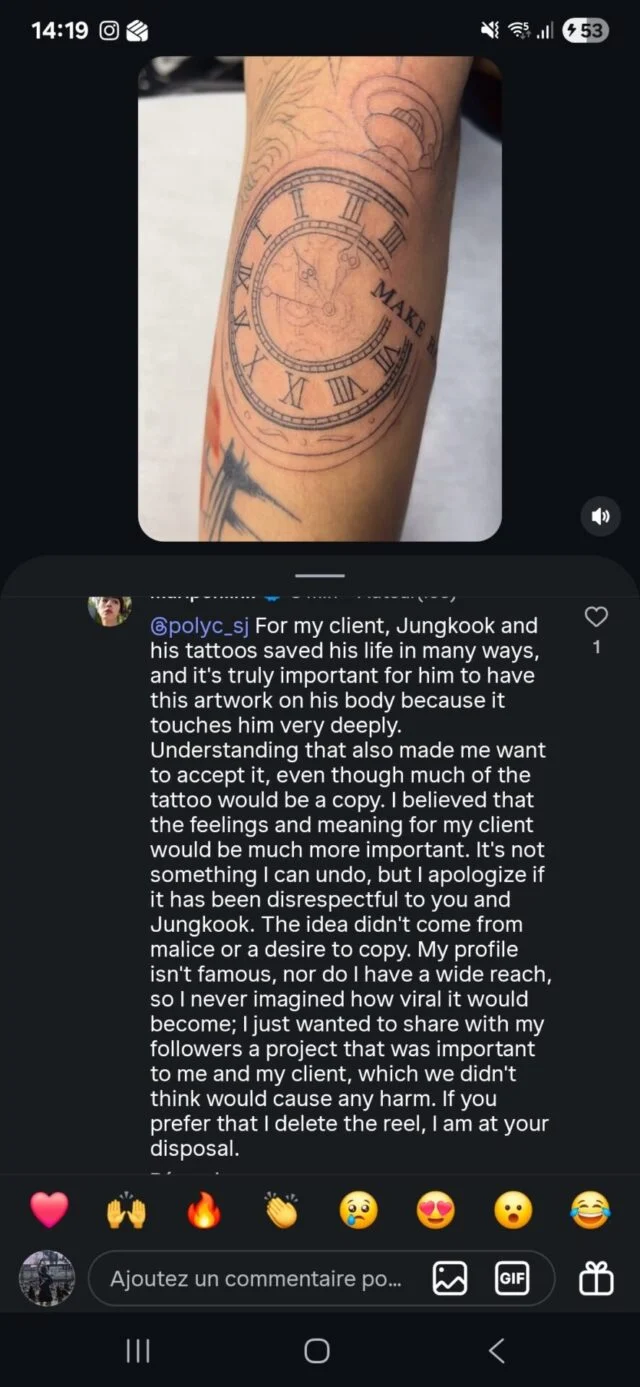
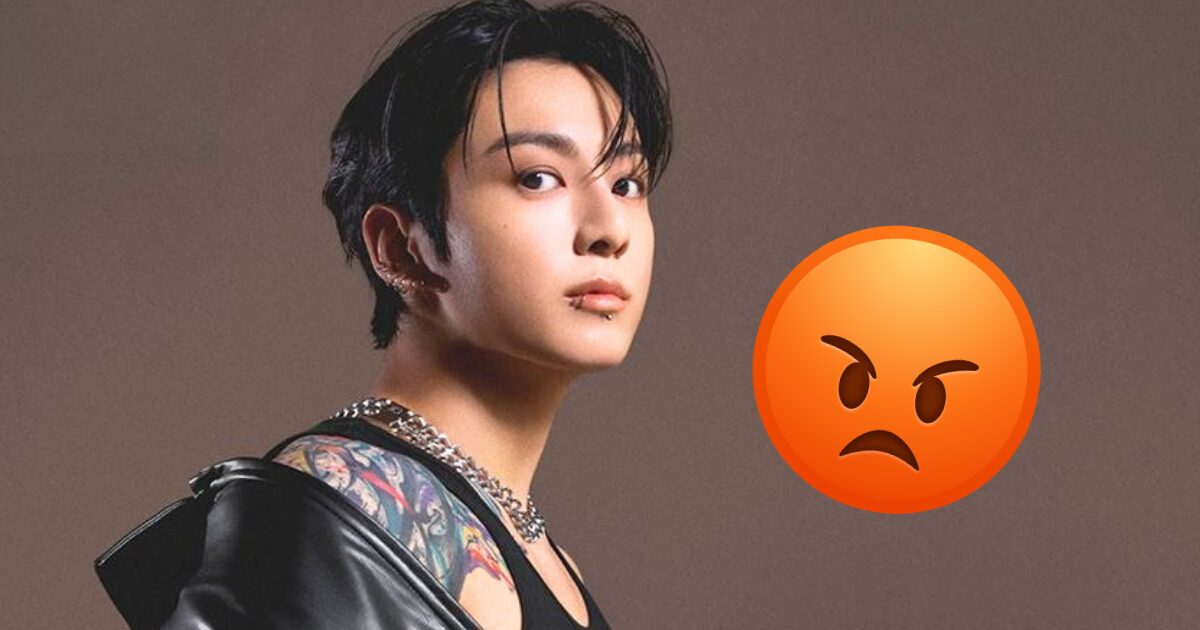
Among the seven members of the globally acclaimed K-Pop sensation BTS, Jeon Jungkook, widely known simply as Jungkook, holds the distinction of having the most prominent and extensive collection of tattoos. His body art, particularly his iconic right arm sleeve, has become a significant part of his public persona, embodying personal narratives, tributes to his bandmates and fanbase, and artistic expression. This deeply personal canvas recently became the focal point of a heated controversy when a tattoo artist publicly displayed work on a client that bore an undeniable resemblance to Jungkook’s unique designs, sparking a robust debate on intellectual property, artistic integrity, and the intricate dynamics of fan culture.
Jungkook’s Tattoo Journey: A Canvas of Personal and Collective Identity
Jungkook’s journey into the world of body art began publicly around 2019, marking a notable evolution in his visual presentation. Initially, his tattoos were smaller, discrete pieces, gradually expanding into a comprehensive and meticulously designed full sleeve on his right arm. This transformation was not merely an aesthetic choice but a profound declaration of identity, laden with symbolism deeply resonant with his life, career, and connection to his fans, collectively known as ARMY.
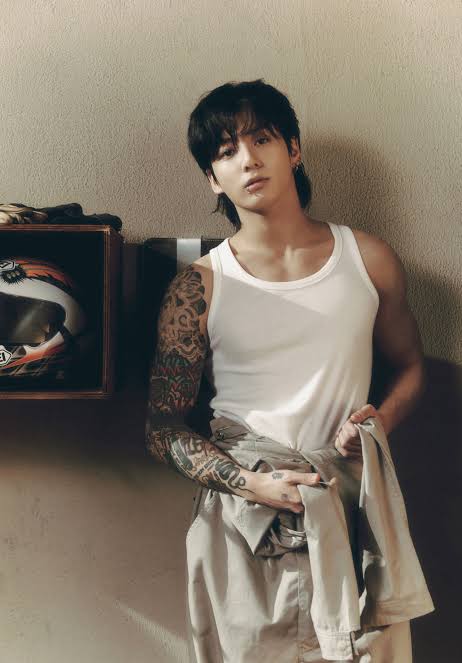
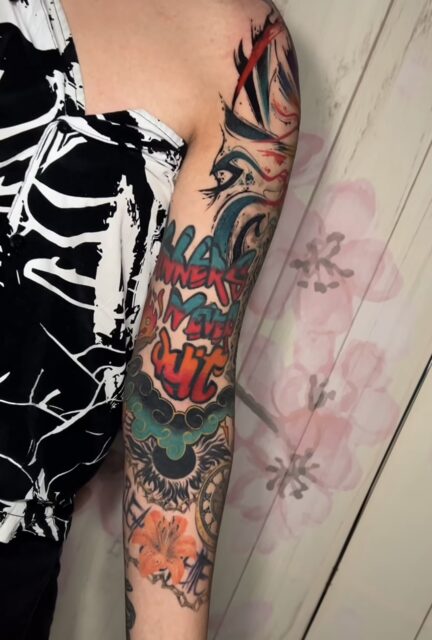
His initial pieces included the word "ARMY" emblazoned across his knuckles, a direct and unequivocal homage to his fanbase. This was often accompanied by other significant symbols like the "0613" for BTS’s debut date (June 13th, 2013), a microphone, and the "Bulletproof" flower, referencing the group’s Korean name, Bangtan Sonyeondan, meaning "Bulletproof Boy Scouts." These early designs laid the groundwork for a narrative etched in ink, celebrating the foundational pillars of his existence as an idol. As his collection grew, it incorporated a tapestry of images and phrases, each piece reportedly holding a specific meaning. For instance, the tiger lily, his birth flower, alongside a clock signifying his birth time, added layers of personal significance. Other elements, such as a hand making the "rock on" gesture, a variety of eyes, and intricate patterns, contributed to the sleeve’s complex visual appeal. He also famously integrated the phrase "Rather be dead than cool," a personal motto, and elements reminiscent of "The Most Beautiful Moment in Life" era, a significant period in BTS’s discography.
The decision by a prominent idol like Jungkook to embrace tattoos was particularly noteworthy within the context of South Korean society. Historically, tattoos in South Korea have carried a stigma, often associated with organized crime or rebellion, leading to strict regulations against their public display, especially on television and in mainstream media. While public perception has gradually shifted, particularly among younger generations, idols frequently face challenges, often requiring them to cover their tattoos during broadcasts. Jungkook’s open embrace of his extensive body art, despite these societal norms and industry pressures, underscored his commitment to authentic self-expression and perhaps contributed to a broader cultural shift regarding tattoos in South Korea. The evolution of his sleeve, including reported alterations and cover-ups over the years, further highlighted the dynamic and personal nature of his body art, suggesting a continuous journey of self-discovery and artistic refinement. These changes, whether for personal reasons, artistic evolution, or to accommodate industry requirements, only deepened the narrative embedded in his skin.
The Replication Incident: A Detailed Account of Controversy
The recent controversy erupted when a tattoo artist, whose identity was not widely disclosed but operates publicly, shared a video showcasing their work on a client. The video quickly circulated online, drawing immediate attention from ARMY and the broader K-Pop community. The designs featured on the client’s arm were strikingly, almost identically, similar to Jungkook’s well-known full sleeve. From the placement of specific symbols to the overall composition and artistic style, the replication was undeniable, prompting a wave of shock and condemnation.
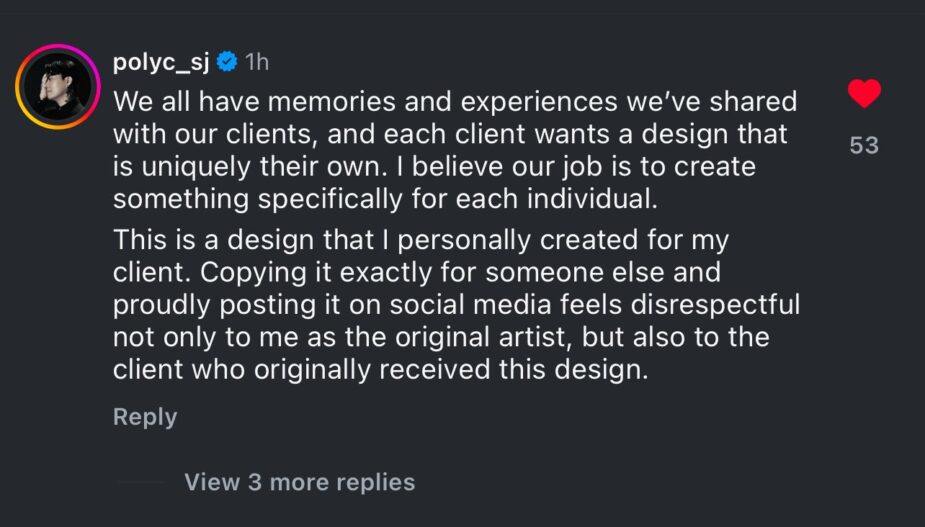
The incident gained further traction when PolyC, a renowned tattoo artist who has publicly confirmed his involvement in some of Jungkook’s significant tattoo reworkings and additions, commented on the viral post. PolyC expressed his profound feelings of "disrespect" regarding the blatant copying. His statement, coming directly from an artist intimately involved in crafting Jungkook’s personal artwork, lent significant weight to the criticism, highlighting the perceived violation of artistic originality and personal boundaries.
In response to the mounting criticism, the copying artist issued a defense, asserting that their client was "deeply impacted by Jungkook," leading to the decision to get the identical tattoos. The artist suggested that critics should view the situation from "another perspective," implying that the client’s admiration and personal connection to Jungkook justified the replication. This explanation, however, failed to quell the burgeoning outrage; instead, it ignited further debate and intensified the criticism.
Reactions and Public Discourse: The Ethics of Imitation
The copying artist’s defense, rather than mitigating the backlash, catalyzed a more profound discussion on social media platforms, particularly X (formerly Twitter). Fans and observers swiftly rejected the justification, arguing that while admiration for a celebrity is natural, direct replication of deeply personal and custom artwork crosses a line into appropriation and disrespect.
Several key arguments emerged from the public discourse:
- Violation of Personal Expression: Many argued that Jungkook’s tattoos are not merely decorative but are imbued with deeply personal meanings, representing his journey, struggles, and triumphs. To copy them verbatim, even out of admiration, was seen as a superficial appropriation of his personal narrative without understanding or experiencing the underlying significance.
- Artistic Originality and Integrity: The incident raised serious questions about the ethics of copying another artist’s unique design. Tattoo artists, like any other creative professionals, invest their skill, time, and creativity into developing original concepts. The direct replication of such work undermines the artistic integrity of both the original artist (PolyC and others who worked on Jungkook’s sleeve) and the client whose unique expression is being mimicked.
- The "Saving My Life" Trope: The copying artist’s claim that the client was "deeply impacted" by Jungkook and that his tattoos "saved their life" was met with skepticism and derision. Many users on X labeled this as a "manipulation tactic" or an insufficient justification for direct imitation. User Niki (@_kthvgirl) remarked, "The ‘save my life’ has become a manipulation tactic. It’s not meaningful anymore." Similarly, MJ (@mj_alwayss) questioned, "The concept of a celebrity tattoo saving your life that you go ahead and copy all his tattoos, all personal to him," highlighting the perceived absurdity of the justification. Seren (@seren_0613) expressed similar sentiments, questioning the logic of such an extreme claim to justify copying. Critics emphasized that while an idol’s music or persona can indeed provide solace and inspiration, this does not grant permission to appropriate their physical attributes or personal artwork.
- Distinction Between Inspiration and Imitation: A common thread in the debate was the clear distinction between being inspired by a celebrity’s style and directly copying it. Admiration can lead to incorporating similar elements or themes into one’s own unique design, but a near-identical reproduction crosses the boundary into unoriginality and disrespect for the source material and its creator.
Broader Implications: Copyright, Artistic Integrity, and Fan Culture
The controversy surrounding Jungkook’s copied tattoos extends beyond a single incident, touching upon several broader implications within the realms of intellectual property, artistic integrity, and the evolving nature of fan culture.
1. Intellectual Property and Tattoo Art:
The legal landscape surrounding tattoo copyright is complex and often ambiguous. In many jurisdictions, original tattoo designs are indeed considered copyrighted works, belonging to the tattoo artist who created them. However, enforcing these rights can be challenging, particularly when a design is replicated on another person’s body. The client who commissions the tattoo typically owns the physical tattoo on their skin, but the intellectual property of the design itself often remains with the artist. The replication of Jungkook’s sleeve raises questions about whether PolyC, as one of the contributing artists, could pursue legal action for copyright infringement. While direct legal action is rare in such cases, the ethical breach is clear. The incident highlights the need for clearer understanding and respect for intellectual property rights within the tattooing industry and among clients.
2. Artistic Integrity and Professional Ethics:
For tattoo artists, their work is a deeply personal expression of their skill and creativity. Custom designs, like those on Jungkook, are often the result of extensive collaboration between the artist and the client, tailored to individual stories and preferences. The act of directly copying such a bespoke piece is widely considered unethical within the professional tattooing community. It not only disrespects the original artist’s unique vision but also devalues the craft by turning original art into a reproducible commodity. This incident serves as a stark reminder of the unspoken rules and professional courtesies that govern the artistic world, emphasizing the importance of originality and respect for fellow creators.
3. The Boundaries of Fan Culture and Parasocial Relationships:
The controversy also shines a light on the complex and sometimes blurred lines within modern fan culture. The concept of a "parasocial relationship," where fans develop one-sided emotional attachments to celebrities, is amplified in the digital age. While this can foster communities and provide immense emotional support for fans, it can also lead to behaviors that cross boundaries. The copying of Jungkook’s tattoos, justified by the client’s "deep impact," exemplifies how admiration can sometimes manifest as appropriation, where elements of a celebrity’s identity are adopted as one’s own, sometimes without full consideration of the ethical implications or the celebrity’s personal space. This incident prompts a necessary conversation about the extent of celebrity influence and the importance of maintaining personal identity and respecting the boundaries of others, even those admired deeply.
4. Celebrity Influence and Market Trends:
Celebrities, particularly global icons like Jungkook, undeniably wield immense influence over trends in fashion, music, and even personal aesthetics. While this influence can be positive, inspiring creative expression and cultural exchange, it also carries the risk of leading to uncritical imitation. The incident underscores the power of celebrity in shaping personal choices, raising questions about the responsibility of both celebrities and fans in navigating this dynamic. It also highlights a potential market for replication, where some clients might actively seek to emulate their idols, and some artists might be willing to fulfill such requests, irrespective of ethical considerations.
In conclusion, the debate surrounding the replication of BTS Jungkook’s distinctive tattoos is more than just a passing controversy; it is a multifaceted discussion that brings to the forefront critical issues concerning artistic ownership, the ethics of copying in creative fields, and the nuanced dynamics of fan-celebrity relationships in the digital era. As the lines between inspiration and imitation continue to blur in an increasingly interconnected world, this incident serves as a poignant case study, urging greater discernment and respect for originality, personal expression, and the creative labor of artists.

