
 By Siti Muinah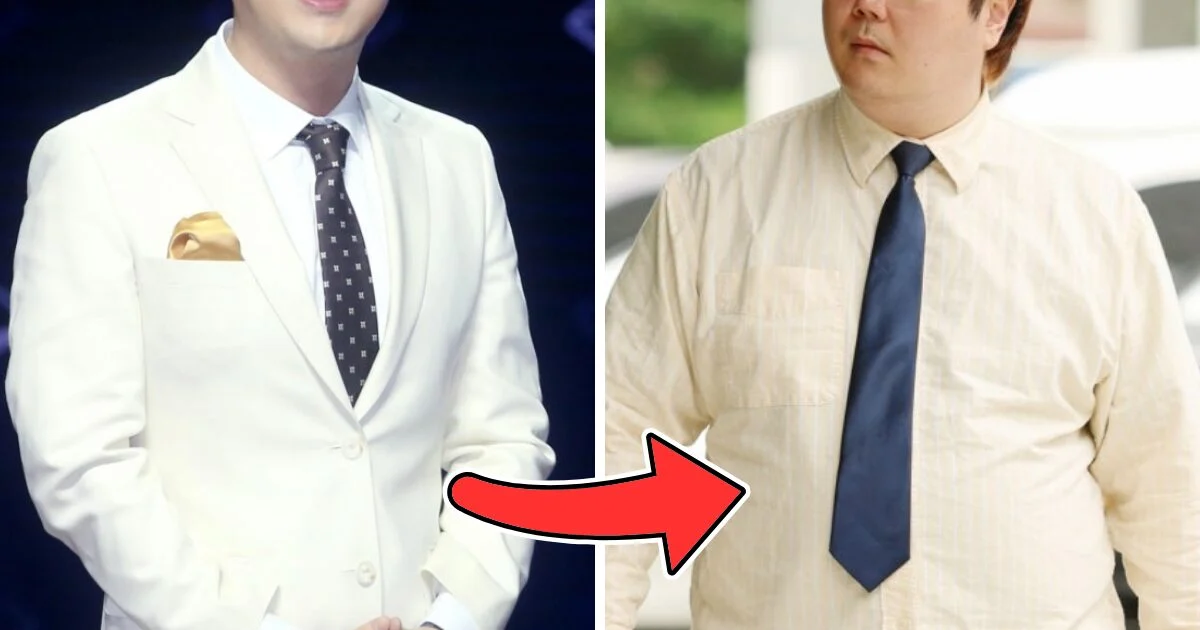
The South Korean entertainment industry was left in a state of shock this week as Yoo Jae Hwan, a once-prolific composer and television personality, appeared before the Seoul Southern District Court for his appeal trial. The appearance, marked by a startling physical transformation, has ignited intense public discourse regarding the intersection of celebrity status, legal accountability, and the visible toll of prolonged controversy. Yoo, who rose to prominence for his affable persona and musical talent, now finds himself at the center of a complex legal battle that has effectively dismantled his career and public image.
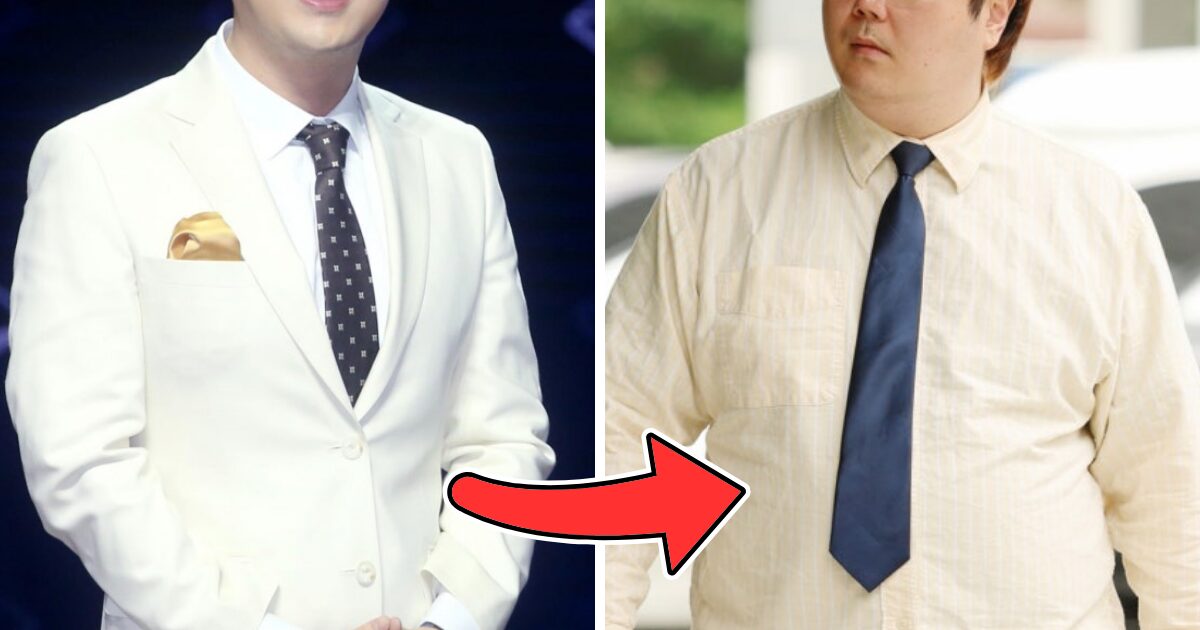
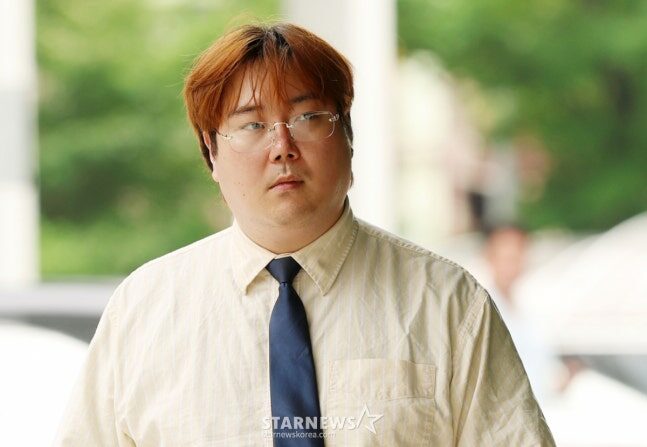
On July 16, the Seoul Southern District Court held the sentencing hearing for Yoo’s appeal against his conviction for indecent assault. While the legal proceedings were the primary focus of the day, it was Yoo’s physical appearance that dominated headlines. Dressed in a manner that starkly contrasted with his former "idol-like" image, Yoo arrived at the courthouse sporting dyed orange-blonde hair and glasses. Most notably, observers pointed out a significant and rapid weight gain, a development that rendered him nearly unrecognizable to those who followed his dramatic 30-kilogram weight loss journey just a few years prior.
The Court’s Ruling and the Specifics of the Conviction
The appellate court’s decision was swift and decisive. After reviewing the evidence and the arguments presented by both the prosecution and the defense, the court rejected Yoo’s appeal. In doing so, the judiciary upheld the original ruling, which found the composer guilty of indecent assault. The sentence includes a fine of 5.00 million KRW (approximately $3,380 USD) and a mandatory 40-hour completion of a sexual violence treatment program.
The case dates back to an incident involving an acquaintance where Yoo was accused of inappropriate physical contact. Under South Korean law, indecent assault is a serious offense that carries not only criminal penalties but significant social stigma, particularly for public figures. The court’s decision to uphold the verdict suggests that the victim’s testimony was deemed consistent and credible, despite the defense’s attempts to characterize the interactions as consensual or harmless.
A History of Physical Transformation and Public Perception
To understand the public’s reaction to Yoo Jae Hwan’s current state, one must look back at his history with body image and the media. Yoo first gained national fame as a producer on the popular variety show Infinite Challenge, where he worked closely with comedian Park Myung-soo. At that time, he was known for his rounder features and a self-deprecating, humble attitude that endeared him to millions.
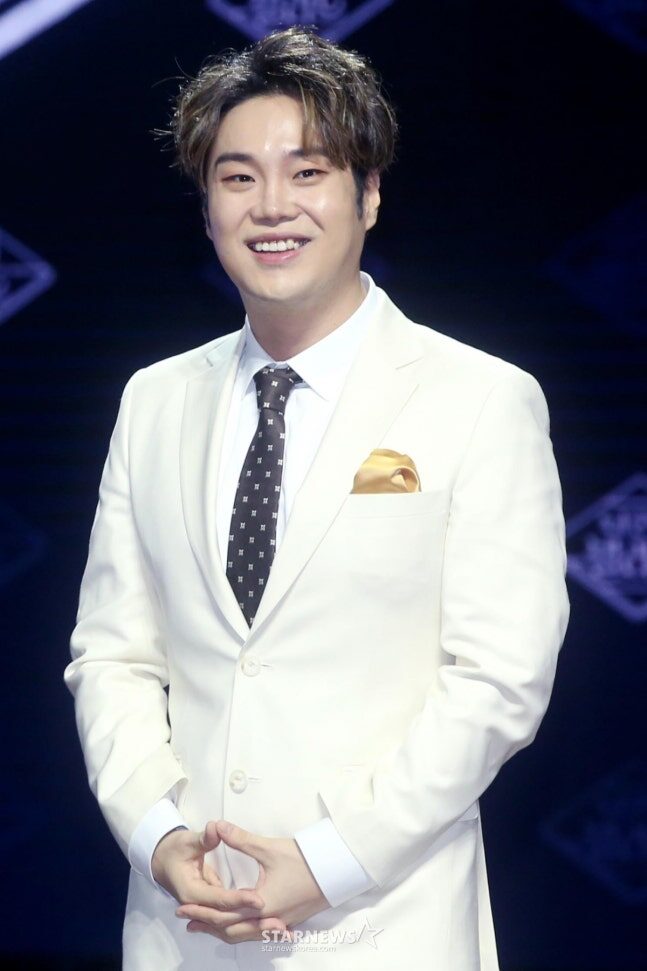
However, in 2019, Yoo underwent a radical transformation that became a major news story in its own right. Through a rigorous and highly publicized dieting program, he lost over 30 kilograms (approximately 70 pounds). The results were so dramatic that he was frequently compared to K-pop idols, and he used his new platform to discuss the pressures of the Korean entertainment industry regarding weight and aesthetics. His weight loss was framed as a story of self-improvement and "rebirth," leading to a surge in endorsement deals and television appearances.
The recent reversal of this physical state—appearing even heavier than his original debut weight—has been interpreted by some as a physical manifestation of the psychological and professional stress he has endured since the onset of his legal troubles. In South Korea’s image-conscious society, such a drastic change is often scrutinized as a reflection of an individual’s internal state or a lack of self-discipline, though others argue it is a natural reaction to the severe depression and anxiety often associated with high-profile criminal trials.
The Defense’s Argument: A Claim of Unfair Treatment
Despite the court’s ruling, Yoo Jae Hwan has remained steadfast in his innocence. Following the hearing, he addressed the gathered media, providing a detailed rebuttal of the allegations. His defense hinges on the timeline of events on the night of the alleged incident and his own status as a recognizable celebrity.

"The victim claims that I touched them, but they were the one who suggested going to a karaoke room first," Yoo stated to reporters outside the court. "We sang together for about an hour and a half there, and I understand they testified that nothing happened at the time. This contradicts their current claims."
Yoo further argued that his public visibility at the time of the incident would have made it impossible for him to engage in misconduct without immediate consequence. "At the time, I was active in the entertainment industry, so people around me would recognize me when I was outside. It doesn’t make sense that I would have done something like that. When we parted ways, I only greeted them and gave them a high five. There was no physical contact like the victim claims."
The composer concluded his statement with a plea for public understanding and an announcement of his intent to escalate the legal battle. "I’m really unfairly treated. Will I be able to continue my activities? I plan to take this all the way to the Supreme Court and continue fighting until the end."
The Compounding Scandals: Fraud and Misconduct Allegations
The indecent assault conviction is not the only shadow looming over Yoo Jae Hwan’s career. In early 2024, his reputation suffered a near-fatal blow when he was accused of a massive song-production scam. Numerous individuals came forward alleging that Yoo had accepted millions of won in fees to compose or produce music for them, only to stop communicating or provide sub-par work that did not meet the agreed-upon standards.
Reports indicated that the total amount involved in the alleged fraud reached over 100 million KRW. The backlash was exacerbated by the timing; the allegations surfaced shortly after Yoo had announced his engagement, leading to a wave of public vitriol. While the fraud allegations and the indecent assault case are separate legal matters, they have converged in the public consciousness to create a narrative of a fall from grace. The "kind and talented" persona Yoo had cultivated for a decade was replaced by a narrative of manipulation and criminal behavior.
Analysis of the Broader Implications
The case of Yoo Jae Hwan serves as a stark case study in the volatility of celebrity in the digital age. In South Korea, where the "moral standards" for entertainers are exceptionally high, a conviction for a sexual offense is often a permanent career-ender. The legal system’s requirement for sex offender treatment programs serves as a formal acknowledgement of the crime, but the "court of public opinion" often delivers a much harsher sentence: total social and professional ostracization.
Furthermore, the focus on Yoo’s physical appearance highlights a persistent trend in media reporting where the bodies of the accused are dissected as much as their crimes. The "unrecognizable" nature of his current state serves as a visual metaphor for the destruction of his former life. For the victims of such crimes, however, the focus on the perpetrator’s appearance can be a distraction from the core issues of justice and restitution.
Chronology of the Yoo Jae Hwan Controversy
- 2015: Yoo Jae Hwan gains popularity on Infinite Challenge as a producer and songwriter.
- 2019: Yoo undergoes a dramatic 30kg weight loss, becoming a symbol of successful dieting and self-reinvention.
- Late 2023 – Early 2024: Multiple victims come forward alleging that Yoo scammed them out of production fees for songs that were never delivered.
- April 2024: Yoo announces his marriage, which is immediately overshadowed by a wave of harassment and fraud allegations.
- June 2024: Amidst mounting legal pressure, Yoo is hospitalized following an apparent suicide attempt and the posting of a farewell message on social media.
- July 16, 2024: The Seoul Southern District Court upholds the conviction for indecent assault during the appeal trial.
- Present: Yoo announces his intention to appeal the case to the Supreme Court of Korea.
Future Outlook and Legal Path
As Yoo Jae Hwan prepares to take his case to the Supreme Court, the likelihood of a reversal remains slim. In the South Korean legal system, the Supreme Court primarily reviews whether the lower courts applied the law correctly rather than re-evaluating the factual evidence of the case. Unless a significant procedural error is identified, the current verdict is likely to stand.
The financial and social repercussions for Yoo are already total. His music has been largely scrubbed from broadcast playlists, and his presence on variety shows has been edited out or halted entirely. The transition from a beloved "genius composer" to a convicted offender and a symbol of controversy is a cautionary tale for the industry.
While Yoo maintains that he has been "unfairly treated," the legal consensus and the physical evidence of his decline suggest a man who has been overwhelmed by the consequences of his actions. Whether he can ever find a path to redemption—either through the legal system or through public forgiveness—remains highly doubtful in a climate that increasingly demands accountability and transparency from its stars. For now, the image of a changed, unrecognizable Yoo Jae Hwan stands as a haunting testament to the speed at which a high-flying career can plummet into the depths of legal and personal ruin.

