
 By Dwi Wanna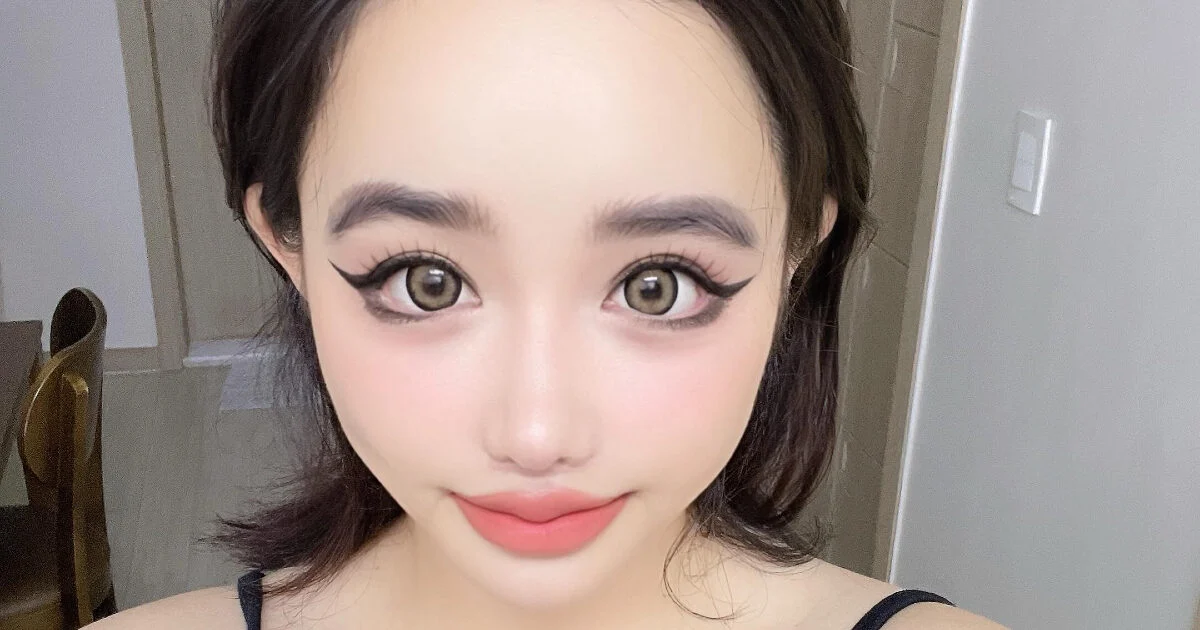
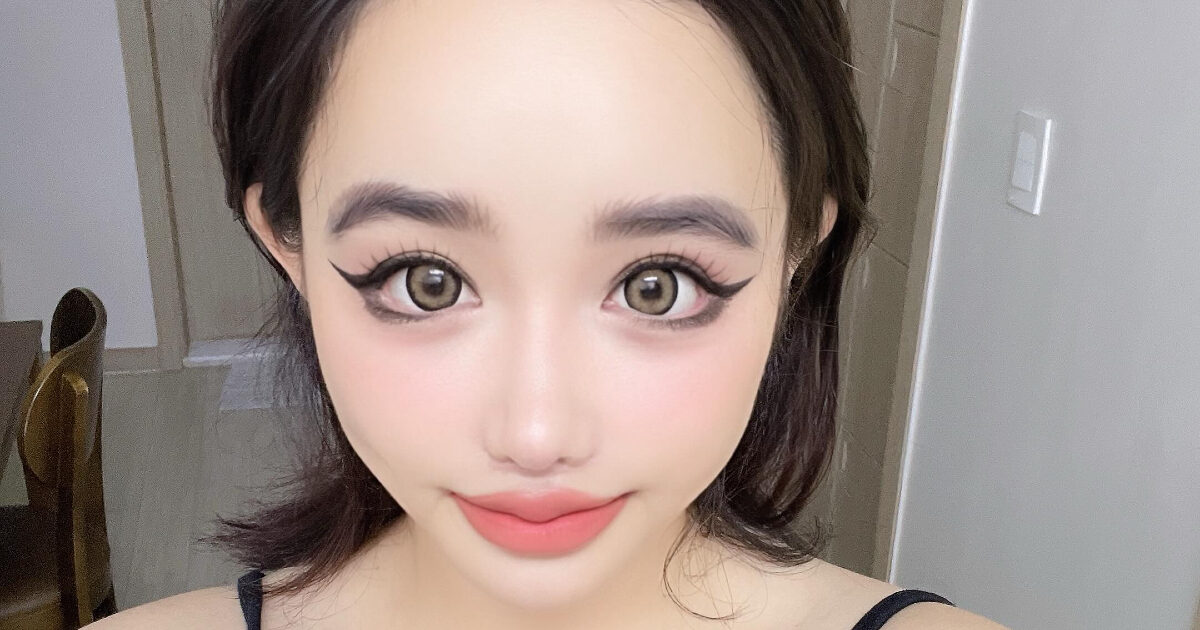
A recent fancam video capturing a performance by Park Bom, a prominent member of the iconic K-pop girl group 2NE1, has unexpectedly ignited a fervent and widespread debate across online platforms, reigniting discussions about celebrity appearance, public scrutiny, and mental well-being in the entertainment industry. The video, which resurfaced and gained significant traction, depicts the artist delivering a powerful vocal performance in a leather mini-dress, a style reminiscent of her distinctive stage presence.
The Genesis of the Viral Moment
The performance at the heart of this online maelstrom originally took place last year during the highly anticipated halftime show of a friendly football match between England’s Tottenham Hotspur and Newcastle United. The high-profile exhibition game, held at the majestic Seoul World Cup Stadium, drew considerable attention, not only from sports enthusiasts but also from K-pop fans eager to see local talent perform. At the time of the event, Park Bom’s appearance was met with enthusiastic cheers from the live audience, who praised her stable live vocals and radiant, relaxed smile, affirming her enduring stage charisma. Her ability to command such a large venue with her signature vocal delivery, a blend of power and unique timbre, was widely celebrated by those present and initial viewers of clips from the event. The halftime slot, typically reserved for high-impact entertainment, served as a potent reminder of Park Bom’s continued relevance and vocal prowess years after 2NE1’s peak.
However, the recent re-highlighting of this particular fancam video has taken a dramatically different turn. Fancams, a ubiquitous element of K-pop culture, are fan-recorded videos focusing on individual members during group performances. They often provide intimate, unfiltered glimpses of idols, sometimes leading to viral moments, both positive and negative. In this instance, the resurfaced footage has become a focal point for intense scrutiny, primarily concerning perceived changes in Park Bom’s physical appearance.
The Bifurcated Online Discourse: Criticism and Support
As the video circulated anew, a significant segment of netizens expressed profound concern and regret regarding what they perceived as alterations to Park Bom’s facial features. The critical comments poured in, reflecting a deep-seated public obsession with idol aesthetics and a perceived right to comment on them. Common criticisms included statements such as, "She shouldn’t have had under-eye surgery," "It looks too much," "Is she obsessed with having big eyes?" and "She looks like she’s having trouble moving." Other remarks escalated the level of concern, with users questioning, "Is there no one around to stop her?" "I’m scared something serious might happen," "Too much is as bad as too little," "Really heartbreaking," and "It looks even scarier in person." These comments underscore a persistent societal pressure on female idols to maintain a specific, often unattainable, standard of beauty, and a collective sense of ownership over their public image. The tone of many critical comments veered from concern to outright judgment, highlighting the often-harsh realities of online commentary in the K-pop sphere.
Conversely, a powerful wave of unwavering support emerged from Park Bom’s dedicated fanbase, known as Blackjacks (a nod to 2NE1’s fandom name), and other sympathetic netizens. These warm voices vehemently defended the artist, emphasizing her undeniable talent and advocating for her well-being. Supporters countered the criticisms with messages such as, "Her vocals remain unmatched," "Don’t pay attention to the malicious comments, hope you stay healthy and active," "Her voice is truly a treasure," "Don’t let stress get to you," "It’s heartbreaking to see her struggle," and "There is no right answer in life." These expressions of enthusiastic support highlight the strong emotional bond between K-pop idols and their fans, who often rally to protect their artists from what they perceive as unfair or malicious attacks. The dichotomy of these reactions paints a stark picture of the polarized online environment, where artists are simultaneously celebrated and subjected to intense, often personal, criticism.
Park Bom’s Enduring Legacy and Public Persona
Park Bom, born Park Bom Lee, first rose to international prominence as the main vocalist of 2NE1, one of K-pop’s most groundbreaking and influential girl groups formed by YG Entertainment in 2009. Alongside CL, Sandara Park, and Minzy, 2NE1 carved a unique niche with their fierce, edgy concepts, powerful vocals, and genre-bending music, challenging conventional notions of femininity in K-pop. Their hits like "I Am The Best," "Fire," and "Lonely" garnered them a massive global following and cemented their status as pioneers, paving the way for future generations of girl groups. Park Bom’s distinctive, soulful voice was a cornerstone of 2NE1’s sound, instantly recognizable and widely praised for its emotional depth and power.
Following 2NE1’s disbandment in 2016, a move that deeply saddened fans worldwide, Park Bom embarked on a solo career. Her return to the music scene in 2019 with the single "Spring" was met with eager anticipation, demonstrating her continued artistic drive. However, her journey as a solo artist has been punctuated by various challenges, including intermittent hiatuses and ongoing public scrutiny, often related to her health and appearance. Her resilience in the face of these obstacles has become a defining characteristic of her public narrative.
A History of Scrutiny: Past Controversies and Health Battles
The current debate surrounding Park Bom’s appearance is not an isolated incident but rather the latest chapter in a long history of public scrutiny that has shadowed her career. One of the most significant and defining controversies dates back to 2014, when media reports resurfaced allegations from 2010 concerning her use of amphetamines. While it was widely reported and later clarified by YG Entertainment that the medication was prescribed by a U.S. doctor for treatment of ADHD (Attention Deficit Hyperactivity Disorder) and depression, conditions for which amphetamines are legally prescribed in the U.S. but not in South Korea, the incident cast a long shadow. Despite legal clearances and explanations, the "drug scandal" profoundly impacted her public image, leading to a prolonged hiatus from activities and contributing to the immense pressure she has faced throughout her career. This incident highlights the strict societal norms and unforgiving public discourse surrounding drug-related matters in South Korea, even when medical necessity is involved.
Beyond this major incident, Park Bom has faced several other public challenges. She has previously suspended activities due to health issues, a common occurrence for idols struggling with the immense pressures of the industry. Her social media activity has also occasionally drawn unintended attention. Reports in the past have cited instances where she made ambiguous remarks or mentions, such as an unexplained reference to actor Lee Min Ho, which left fans and media bewildered. More notably, there have been reports of her expressing grievances or making pointed remarks targeting former agency staff, reflecting potential unresolved issues or dissatisfaction stemming from her past professional relationships. The original article also confusingly linked her to "allegations related to a fellow member Sandara Park’s drug use." It is crucial to clarify that the widely reported "drug drama" impacting 2NE1, and potentially straining relationships with members like Sandara Park, was centered around Park Bom’s amphetamine incident, not any allegations made by Park Bom against Sandara Park. This clarification is vital for an accurate historical account of 2NE1’s challenges. These past events collectively contribute to the narrative of an artist who has consistently navigated a complex public sphere, often under intense scrutiny and judgment.
The K-Pop Industry’s Unforgiving Lens
The debate surrounding Park Bom’s fancam serves as a microcosm of the broader issues prevalent within the K-pop industry and its global fandom. Idols, particularly female idols, are subjected to an almost unprecedented level of public examination regarding their appearance, weight, and any perceived cosmetic enhancements. There is an unspoken, yet powerfully enforced, expectation for them to maintain a youthful, flawless aesthetic, often creating immense psychological pressure. Any deviation from these perceived norms, or even visible signs of aging or health struggles, can trigger a torrent of public commentary, as evidenced by Park Bom’s situation.
Cultural critics and industry observers frequently point out the double standards applied to female artists, who are often judged more harshly on their looks than their male counterparts. This relentless focus on physical appearance can have severe implications for idols’ mental health, contributing to anxiety, depression, and eating disorders. The constant feedback loop from social media, where comments can quickly escalate into widespread criticism or even bullying, exacerbates these challenges. While fans often advocate for body positivity and mental health awareness, the collective weight of public opinion, especially when fueled by anonymity, can be crushing.
Recent Artistic Endeavors: "Letter" and Creative Autonomy
Amidst these ongoing challenges and the resurfacing debate, Park Bom continues to pursue her artistic passion. On the 10th of last month, she captured headlines by releasing her self-composed song titled "Letter." The release itself was accompanied by an unusual statement from the artist, where she claimed, "Someone keeps hacking and trying to take my song, so I’m uploading it in advance." This unexpected disclosure further highlighted the unique and sometimes perplexing circumstances that have characterized parts of her recent career, suggesting potential vulnerabilities or ongoing issues with digital security. Despite the surrounding drama, the release of "Letter" underscored her persistent dedication to music and her desire to connect with her audience through her art, showcasing her continued creative output even as she navigates personal and professional hurdles.
Implications and The Road Ahead
The unexpected debate triggered by Park Bom’s fancam carries several significant implications. Firstly, it underscores the enduring power of fan culture and social media in shaping public narratives around celebrities. A single video clip can quickly transform into a platform for wide-ranging discussions, both supportive and critical, influencing public perception and potentially impacting an artist’s career trajectory. Secondly, it reignites crucial conversations about the ethics of public commentary on an individual’s appearance, particularly for those in the public eye who are constantly under scrutiny. The line between genuine concern and invasive judgment often blurs in online discourse.
For Park Bom, this incident is a poignant reminder of the relentless public gaze she faces. Her journey, marked by immense talent, groundbreaking contributions to K-pop, and significant personal challenges, continues to unfold under the bright, often unforgiving, spotlight of public opinion. While the debate highlights the critical aspects of online culture, it also showcases the profound loyalty of her fanbase, who remain steadfast in their support for her well-being and artistic endeavors. As the K-pop industry evolves, and with it, the nature of fan-idol interaction, incidents like these serve as crucial case studies in the ongoing discourse about celebrity privacy, mental health, and the complex relationship between artists and their audience in the digital age. The path forward for Park Bom, like many artists who have weathered intense public storms, will likely involve continued resilience, artistic expression, and the unwavering support of those who cherish her unique voice and spirit.

