
 By rifanmuazin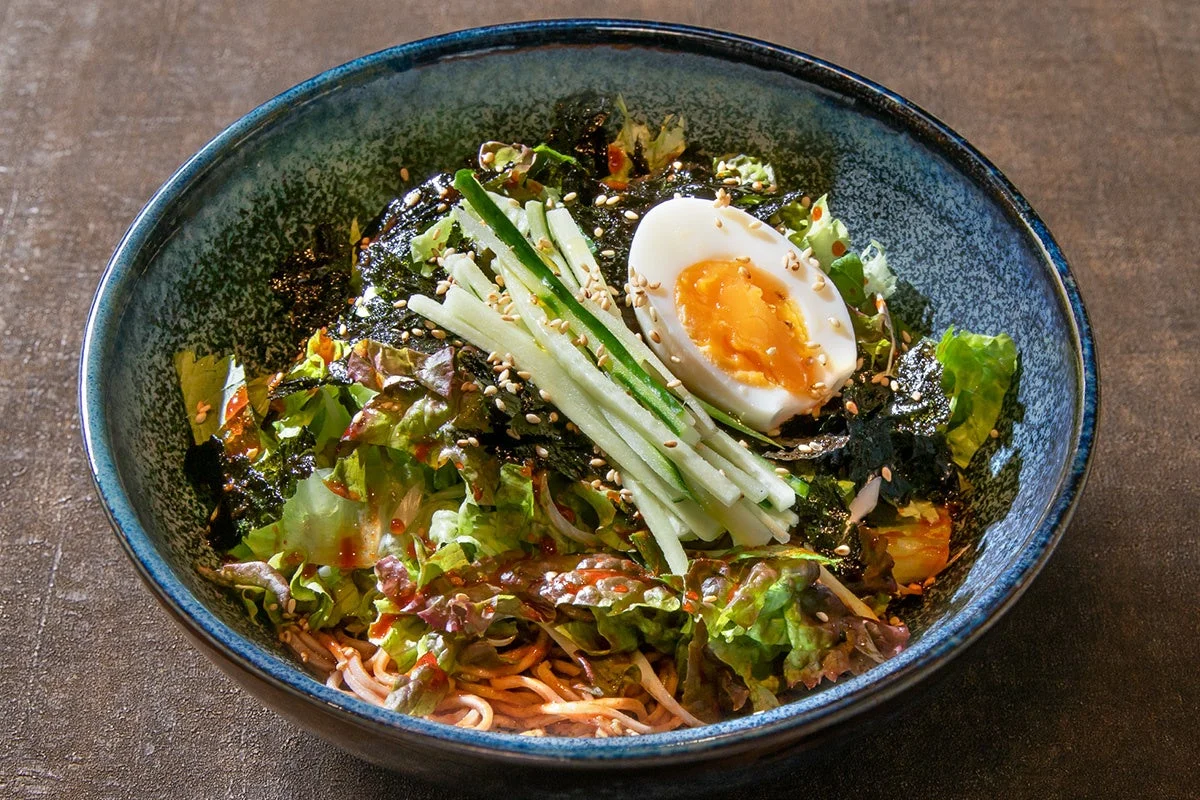
The gastronomic landscape of Kichijoji—a district renowned for its eclectic mix of traditional charm and modern urban convenience—has just reached a new level of sophistication. The highly anticipated "Marugoto-Takumi" buffet has officially launched, marking a significant evolution in the neighborhood’s dining culture. By blending the casual, accessible nature of a Yokocho (alleyway) dining experience with the high-quality, curated precision of an artisan kitchen, the new buffet is poised to redefine how locals and visitors alike engage with Japanese and international cuisine.
The Essence of the "Marugoto-Takumi" Concept
At the core of this new venture is a philosophy of total immersion—hence the name "Marugoto" (meaning "the whole thing" or "everything"). The "Takumi" (artisan) designation reflects the establishment’s commitment to high-level culinary craftsmanship, even within a buffet setting. Unlike traditional all-you-can-eat venues that prioritize quantity over quality, the Kichijoji Yokocho team has invested heavily in sourcing premium ingredients and employing skilled chefs to prepare dishes à la minute.
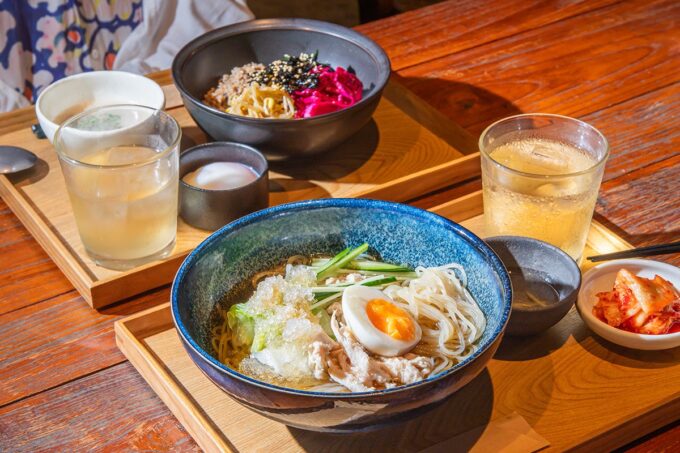
The concept is simple yet ambitious: to offer a wide-ranging, high-quality menu that allows diners to sample the very best of regional Japanese flavors, all within a vibrant, communal atmosphere. The venue, which officially opened its doors to the public in late June, is designed to be a centerpiece of the local nightlife, providing a space where the warmth of a traditional Japanese tavern meets the convenience of a modern culinary showcase.
A Chronology of the Launch
The road to the opening of the "Marugoto-Takumi" buffet was characterized by meticulous planning and a phased rollout designed to ensure the highest standards of service.
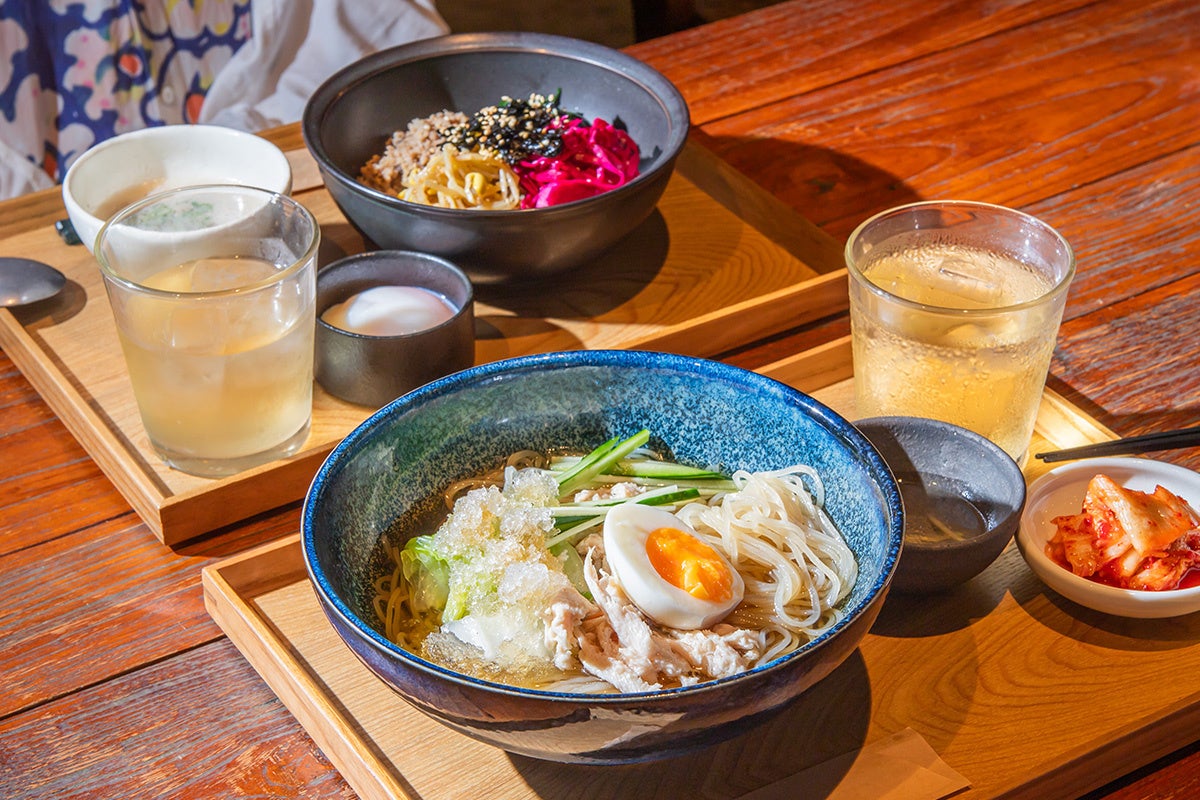
- June 30: The official soft opening commenced. During this period, the management invited select community members and local influencers to experience the service, allowing for fine-tuning of the flow and menu composition.
- July 1: The grand opening was held, welcoming the general public. From this date forward, the restaurant began its full-scale operation, introducing the complete range of its signature "Takumi" dishes.
Since the opening, the restaurant has experienced a surge in popularity, with weekend reservations filling up weeks in advance—a testament to the high demand for high-end dining experiences that remain accessible to the average patron.
Supporting Data: The Menu and Pricing Structure
The success of the "Marugoto-Takumi" experience lies in its transparent and diverse pricing model, which caters to different dining preferences. The menu is tiered, allowing patrons to choose the depth of their culinary exploration.
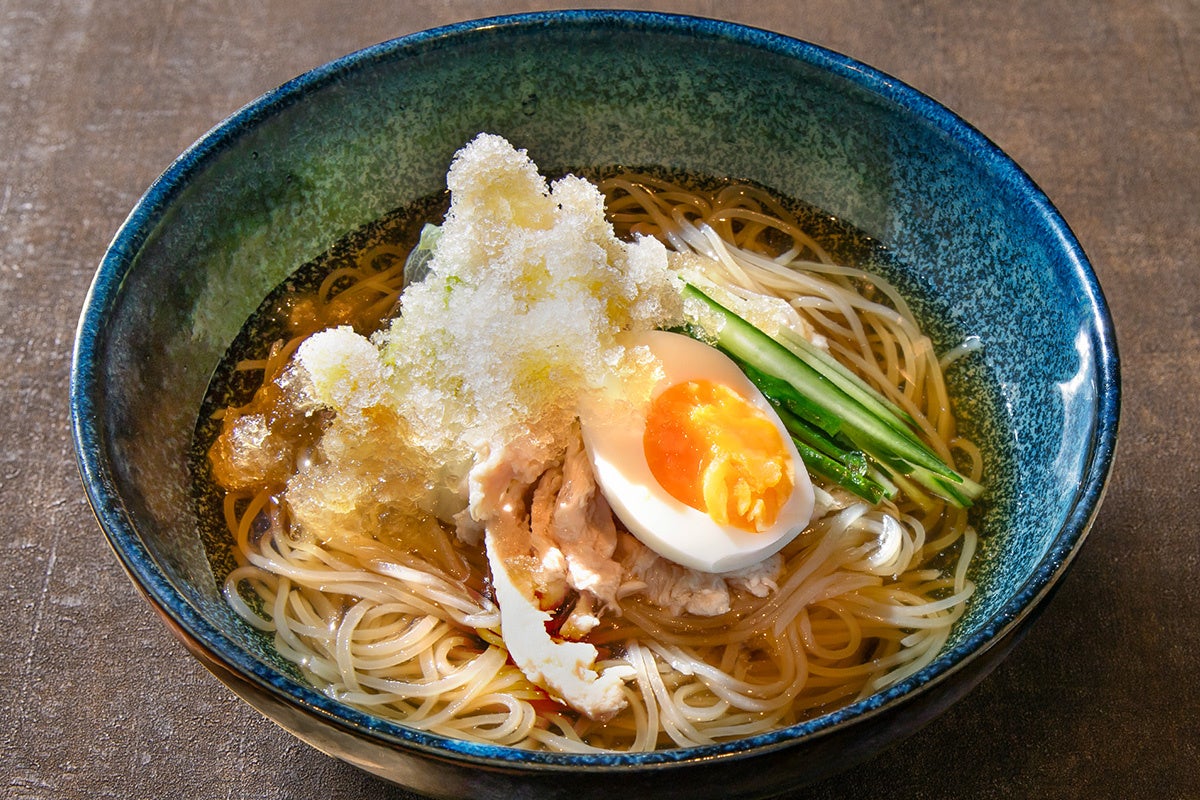
Tiered Pricing Breakdown (All prices in JPY)
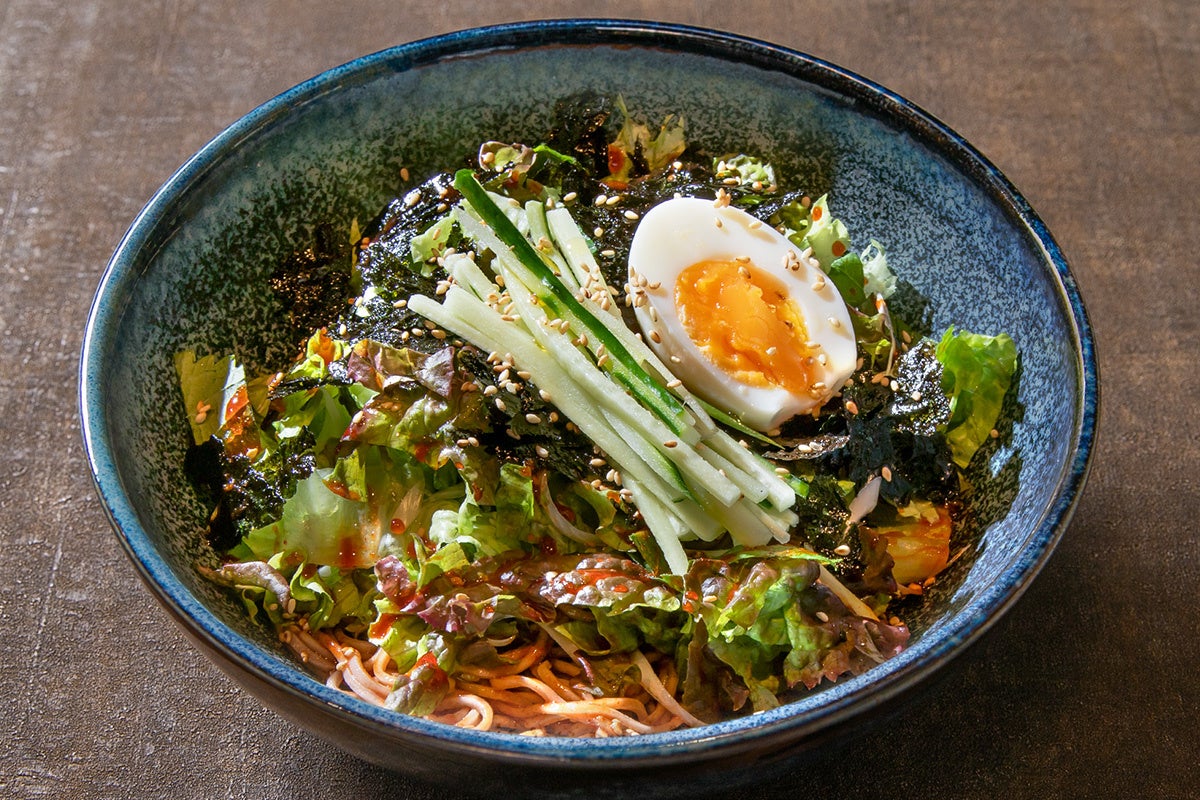
- Standard Kichijoji Yokocho Course: 1,320 yen
- Designed for those looking for a balanced, representative selection of the buffet’s staples.
- Specialty Course: 1,430 yen
- Includes additional seasonal delicacies and a broader range of premium appetizers.
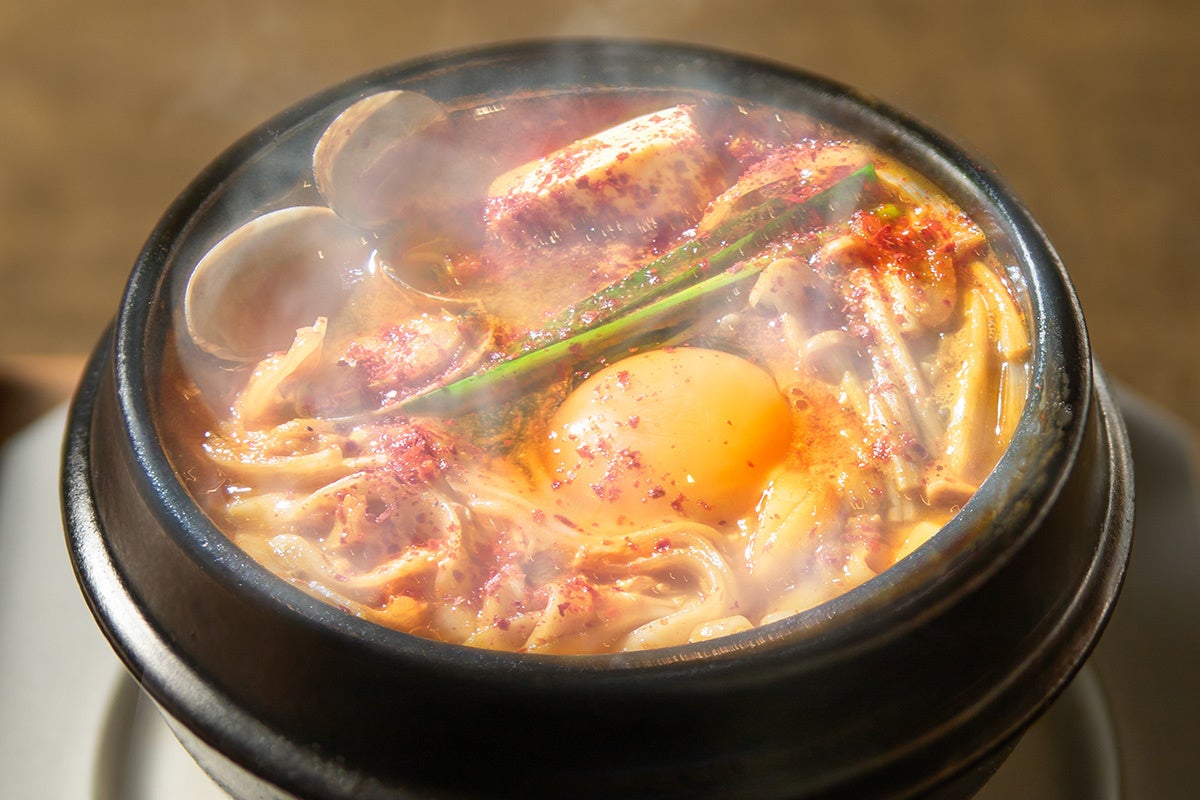
- Artisan Selection Course: 1,540 yen
- Focuses on signature, labor-intensive dishes crafted by the head chef.
- Chef’s Seasonal Showcase: 1,485 yen
- A rotating menu that highlights the freshest ingredients sourced from local farms and markets on that specific day.
These price points are intentionally set to remain competitive within the Kichijoji market, ensuring that the "luxury" of the artisan experience remains accessible to a broad demographic, from students and office workers to culinary enthusiasts from across Tokyo.
Official Perspectives: The Philosophy Behind the Plate
During a press briefing held at the venue, the management team expressed their vision for the buffet. "We wanted to break the stigma surrounding the word ‘buffet,’" said a representative from the establishment. "Often, the word implies a sacrifice in quality. We have gone to great lengths to ensure that every dish—from our hand-rolled sushi to our slow-simmered stews—retains the character and depth of a meal prepared in a high-end, independent restaurant."
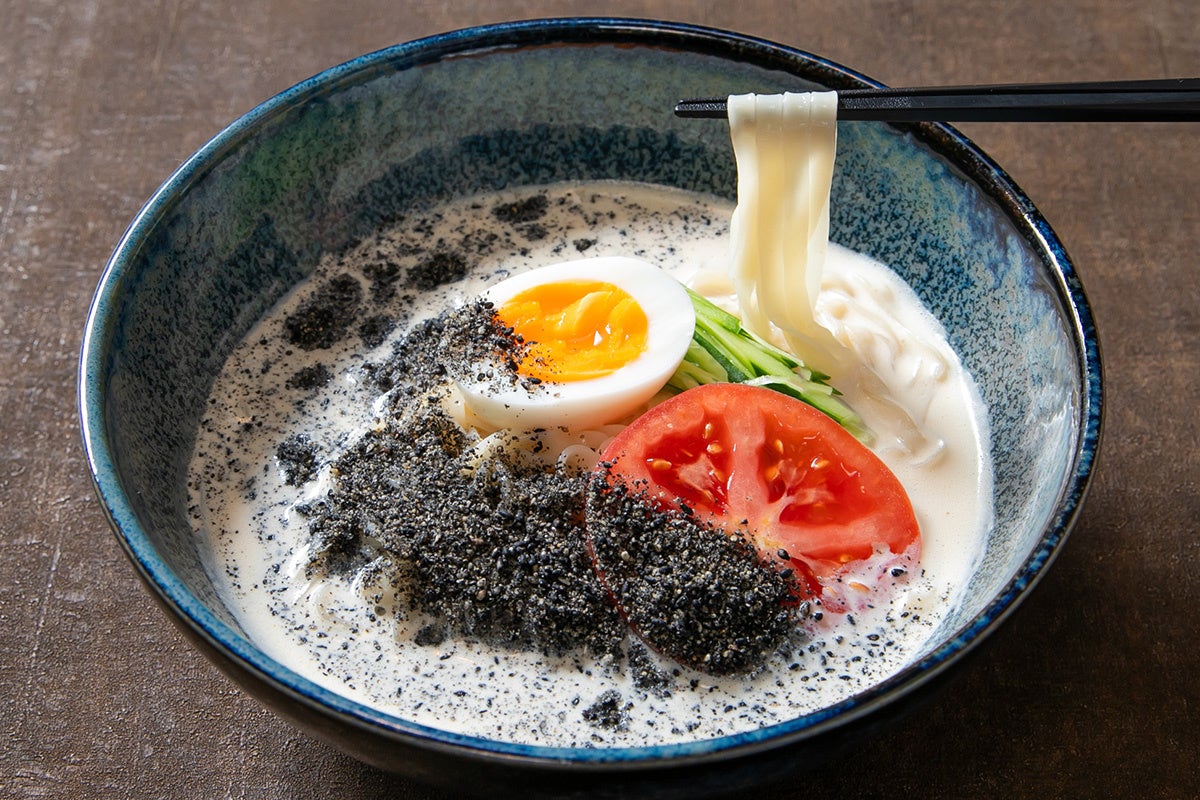
The management emphasized that the "Takumi" aspect is not merely a marketing label but a commitment to the "artisan" spirit. Every staff member is trained to maintain the integrity of the ingredients, and the open-kitchen layout serves as a transparent display of this commitment. By allowing diners to see the chefs at work, the restaurant builds a bridge of trust between the creator and the consumer.
Furthermore, the restaurant has integrated a "farm-to-table" ethos, with a significant portion of their produce sourced from local growers. This not only supports the regional economy but also ensures that the seasonal shifts in the menu are authentic and flavor-forward.
Implications for the Kichijoji Culinary Scene
The introduction of the "Marugoto-Takumi" buffet is expected to have a ripple effect on the local food scene. Kichijoji has long been a hub for independent, hole-in-the-wall eateries. The arrival of a large-scale, high-quality buffet provides a new alternative for groups, families, and corporate events that previously struggled to find venues that could accommodate their numbers without sacrificing the quality of the meal.
A Catalyst for Neighborhood Growth
The project is also seen as a revitalization effort for the immediate surrounding area. By drawing foot traffic into the Yokocho district, the restaurant serves as an anchor, encouraging visitors to explore neighboring shops, bars, and cultural landmarks. The management has expressed a desire to host community-focused events, such as seasonal food festivals and artisan workshops, further cementing the venue as a cornerstone of the neighborhood.
Quality Over Quantity
Perhaps the most significant implication of this launch is the potential shift in consumer expectations. If "Marugoto-Takumi" succeeds in maintaining its high standards, it may challenge other buffet operators in Tokyo to re-evaluate their own service models. The trend toward "curated, artisanal, all-you-can-eat" is one that prioritizes the diner’s experience, waste reduction, and the elevation of individual ingredients.
Looking Forward: Sustainability and Innovation
Looking toward the future, the team behind Kichijoji Yokocho is focused on technological integration and waste reduction. They have already implemented an advanced digital reservation system, which is crucial for managing the high volume of interest. Furthermore, they are exploring ways to minimize food waste through intelligent portion control and real-time inventory management, ensuring that their high-quality ingredients are utilized as efficiently as possible.
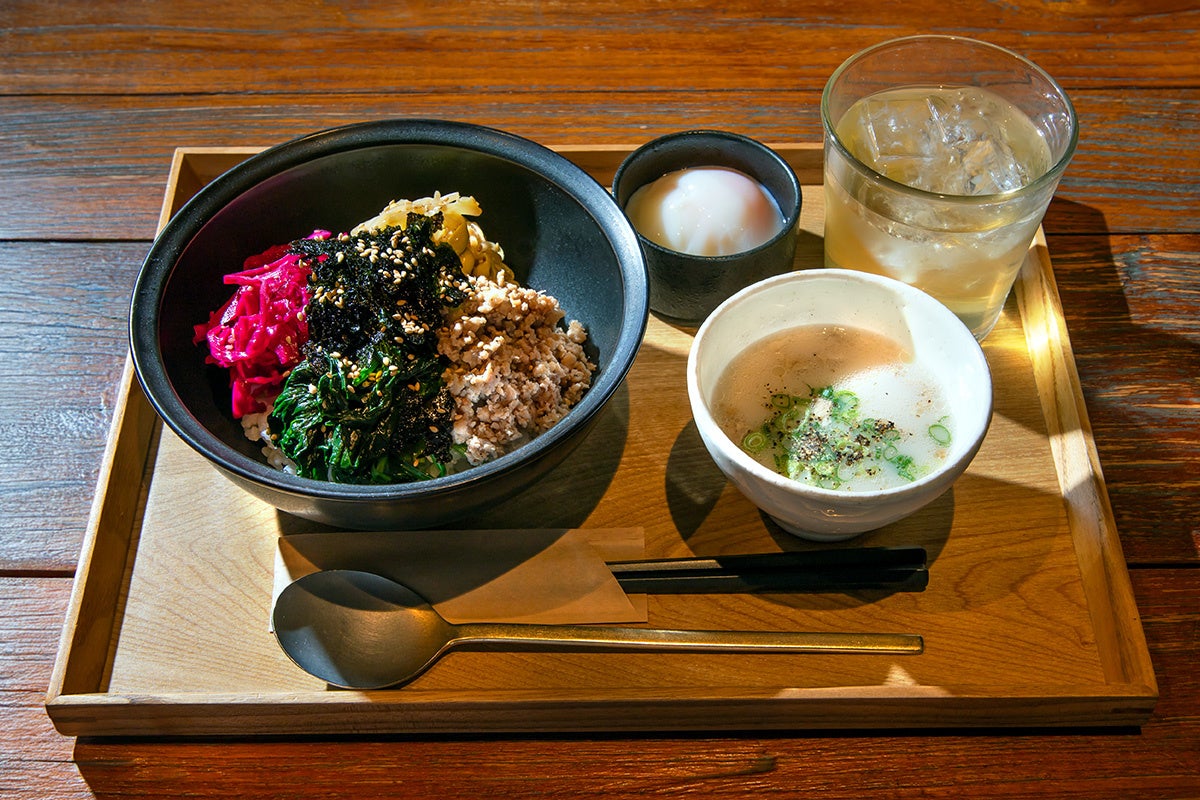
The restaurant is also committed to ongoing staff development, with plans to invite guest chefs for limited-time residencies. These collaborations will introduce new regional techniques to the buffet, keeping the menu fresh and exciting for returning patrons.
Conclusion
The "Marugoto-Takumi" buffet is more than just a place to eat; it is a manifestation of the modern Japanese dining experience—a blend of efficiency, community, and uncompromising quality. For those looking to experience the best of Kichijoji’s vibrant spirit in a single sitting, this new venture offers a compelling, delicious, and deeply satisfying invitation.
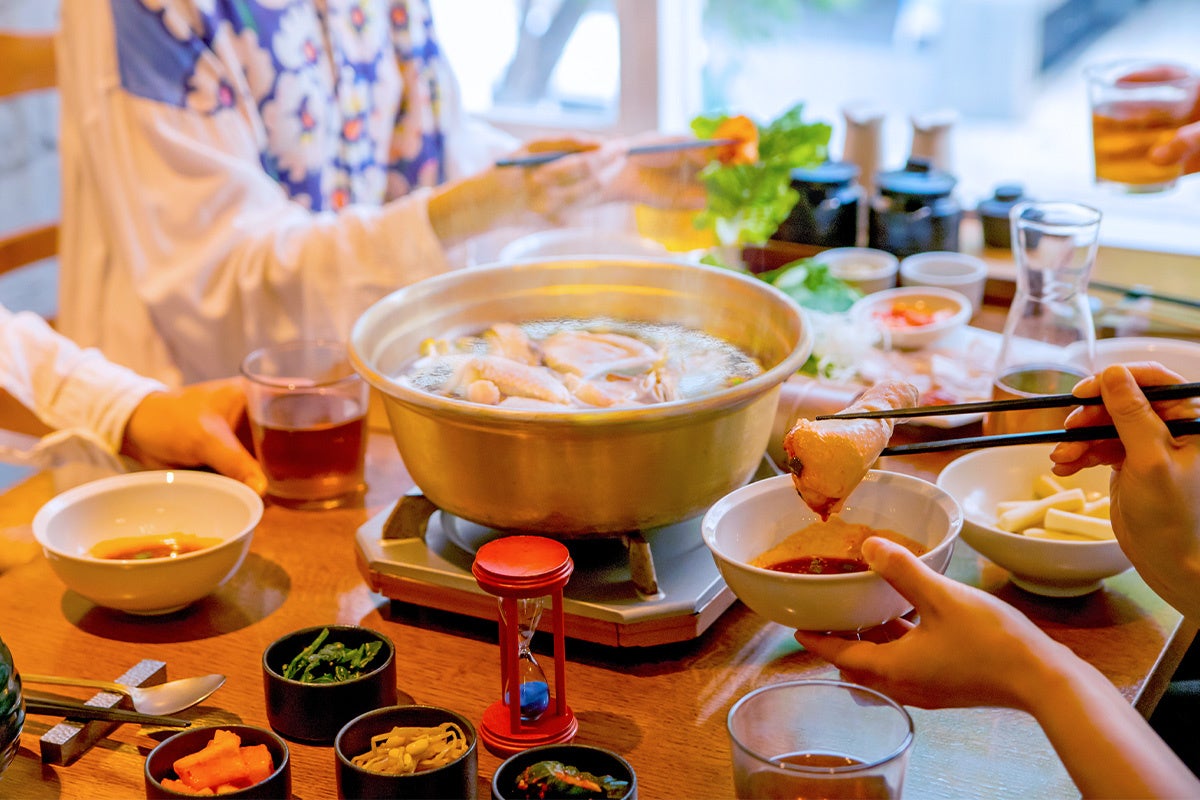
Whether you are a long-time resident of the area or a visitor looking to immerse yourself in the local culture, the doors at Kichijoji Yokocho are open. With its thoughtful menu, accessible pricing, and dedication to the artisan craft, it is a development that promises to enrich the culinary narrative of Tokyo for years to come.
For more information on reservations or to view the current seasonal menu, guests are encouraged to visit the official Kichijoji Yokocho booking portal.

 Evan Lee Salim
  Reynand Wu
  Nana Wu
