
 By Laily UPN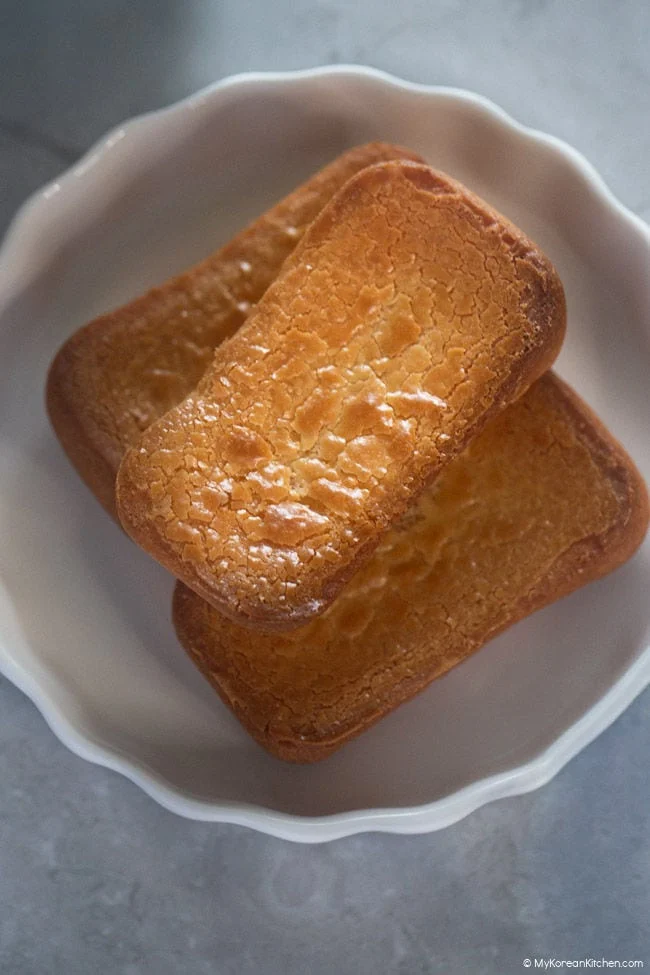
In the vibrant landscape of contemporary Korean confectionery, a new contender has emerged that bridges the gap between traditional heritage and modern bakery aesthetics. Known as "Butter Tteok," this baked rice cake has captivated the palates of both local food enthusiasts and international gourmands. With its signature golden, biscuit-like crust and a soft, resiliently chewy center, the treat has transcended its niche origins to become a staple in upscale rice cake boutiques and artisanal bakeries across Seoul and beyond.
Main Facts: Deconstructing the Butter Tteok
At its core, Butter Tteok represents a bold departure from the standard preparation methods of traditional Korean tteok (rice cakes). While historical varieties are almost exclusively steamed—relying on the gentle infusion of water vapor to gelatinize glutinous rice—this modern iteration embraces the high-heat environment of a conventional oven.
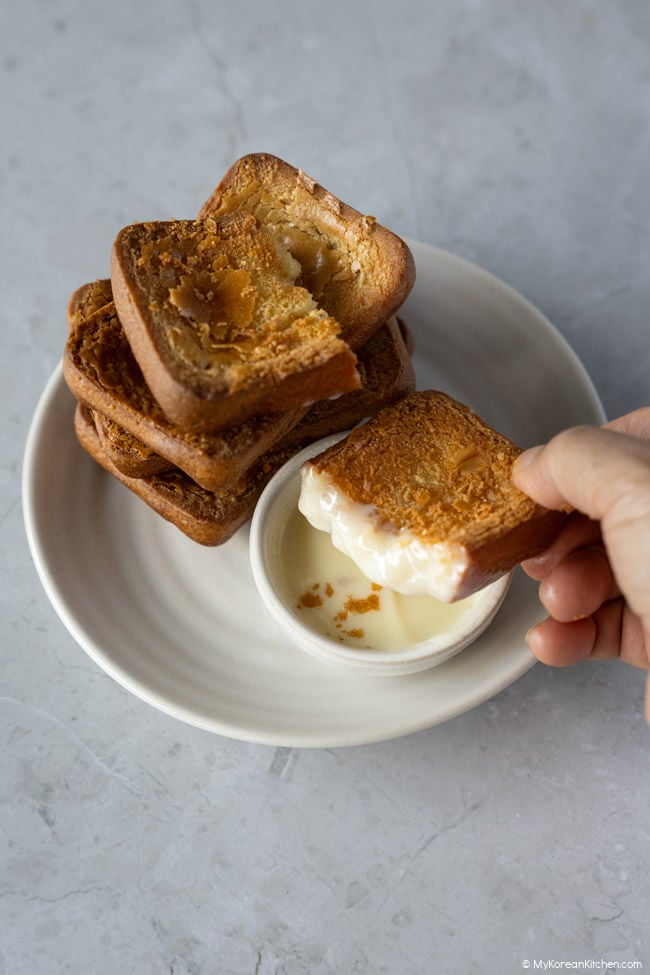
The fundamental composition includes a blend of glutinous rice flour, high-quality butter, milk, and eggs. This specific combination creates a Maillard reaction on the surface of the cake, yielding a fragrant, golden-brown exterior. The interior, however, retains the quintessential elasticity expected of glutinous rice, providing a texture that is simultaneously dense and bouncy. Unlike traditional injeolmi, which is often coated in bean powder, Butter Tteok relies on the richness of dairy to provide its primary flavor profile, placing it firmly in the category of a "fusion bakery-style" dessert.
Chronology: From Origins to Modern Mainstream
The lineage of Butter Tteok is a fascinating case study in culinary migration. Culinary historians and food researchers have noted that the concept of a "baked rice cake" shares significant DNA with various East Asian flour-based confections. While current trends have solidified in South Korea, documentation suggests that similar butter-enriched rice cakes likely trace their lineage back to Shanghai, where fusion pastry techniques have long experimented with blending traditional starch-based textures with Western-style fats.
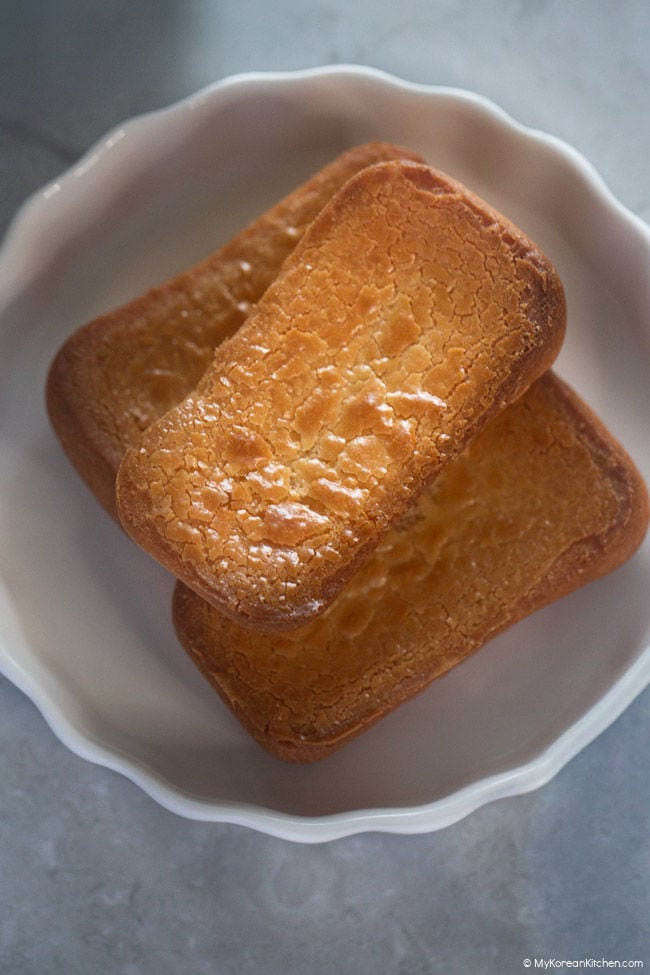
In the early 2020s, as Korean "dessert cafe" culture began to prioritize aesthetic, bite-sized, and "Instagrammable" treats, the Butter Tteok underwent a transformation. Small-batch producers and boutique rice cake shops began refining the ratios to achieve the "perfect bite": a crust that cracks slightly under pressure, giving way to a warm, soft center. By 2025, it had transitioned from a localized novelty to a standardized offering in professional baking circles, fueled by social media documentation and the increasing accessibility of high-quality glutinous rice flour.
Supporting Data: The Mechanics of the Perfect Bake
Achieving the specific sensory experience of Butter Tteok is not merely a matter of mixing ingredients; it is a exercise in material science. Recent test-kitchen data highlights several variables that dictate the final product’s quality:
The Role of Thermal Conductance
Experimental baking trials have demonstrated a marked difference between silicone and metal bakeware. Metal pans, particularly those with higher thermal conductivity, facilitate a rapid initial heat transfer. This is essential for creating the crisp, biscuit-like edges that characterize high-end versions of the treat. Conversely, silicone molds, while convenient for removal, often insulate the batter, resulting in a uniformly soft texture that lacks the contrast between the crust and the center.
The Importance of the "Resting" Phase
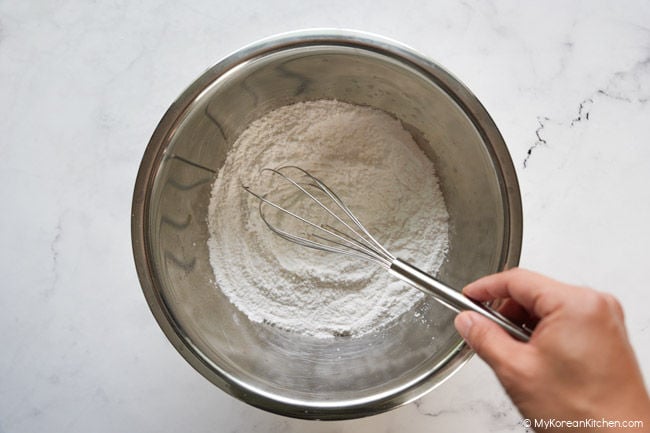
The temporal aspect of this recipe is perhaps its most critical, yet overlooked, variable. Immediately upon exiting the oven, the starch structure within the cake is highly unstable. Data suggests that a minimum cooling period of 15 minutes is required for the internal crumb to set. Professional bakers note that the flavor profile—specifically the interplay between the sweetness of condensed milk and the salinity of the butter—is significantly more pronounced after a two-hour rest. This period allows the moisture to redistribute, creating a cohesive, "chewy" mouthfeel that is the gold standard for the product.
Official Perspectives and Expert Culinary Insights
Top pastry chefs and food consultants emphasize that the success of Butter Tteok lies in the quality of the glutinous rice flour used. Because the texture is defined by the starch’s ability to retain water and maintain elasticity, the particle size and purity of the flour are paramount.
"When we look at the evolution of modern Korean snacks, we are seeing a move toward textures that provide satisfaction through resistance," says one lead researcher in the field of Korean food studies. "The Butter Tteok hits this mark perfectly. It isn’t just about the flavor—which is undeniably indulgent—it’s about the physical experience of chewing, which is deeply embedded in the Korean culinary identity."
Furthermore, industry experts warn against the temptation to over-refrigerate the product. Because of the high starch content, refrigeration causes retrogradation—the process by which starch molecules recrystallize, leading to a hard, brittle texture. Instead, they advocate for the "freeze-and-reheat" model, which preserves the structural integrity of the cake while allowing consumers to enjoy the "freshly baked" experience on demand.
Implications: The Future of Traditional Confectionery
The proliferation of Butter Tteok has sparked a broader conversation regarding the evolution of tteok as a medium. By adopting Western baking techniques, the Korean confectionery industry is effectively expanding its market reach to younger generations who might otherwise perceive traditional rice cakes as "old-fashioned" or exclusively celebratory.
The implications for the industry are significant:
- Global Accessibility: Unlike traditional steamed cakes, which can be difficult to ship or store, the baked nature of Butter Tteok makes it a prime candidate for wider distribution and commercialization in international markets.
- Economic Diversification: By positioning these treats as premium bakery items, shop owners can command higher price points compared to traditional bulk-sold rice cakes.
- Culinary Innovation: This trend invites further experimentation. We are already seeing variations incorporating flavors such as matcha, Earl Grey, and black sesame, suggesting that the "Butter Tteok" base is merely a canvas for further innovation.
As the industry continues to refine these methods, the distinction between a "bakery" and a "rice cake shop" will likely continue to blur. Butter Tteok serves as a testament to the resilience of traditional ingredients when paired with contemporary techniques, ensuring that the legacy of glutinous rice continues to thrive in an increasingly globalized palate. Whether enjoyed with a cup of morning coffee or as an afternoon indulgence with tea, this humble yet sophisticated treat has firmly cemented its place in the modern pantheon of Korean sweets.
 Raul Delapena Setiawan
  Asep Darmawan
  Nana Wu
