
 By Suro Senen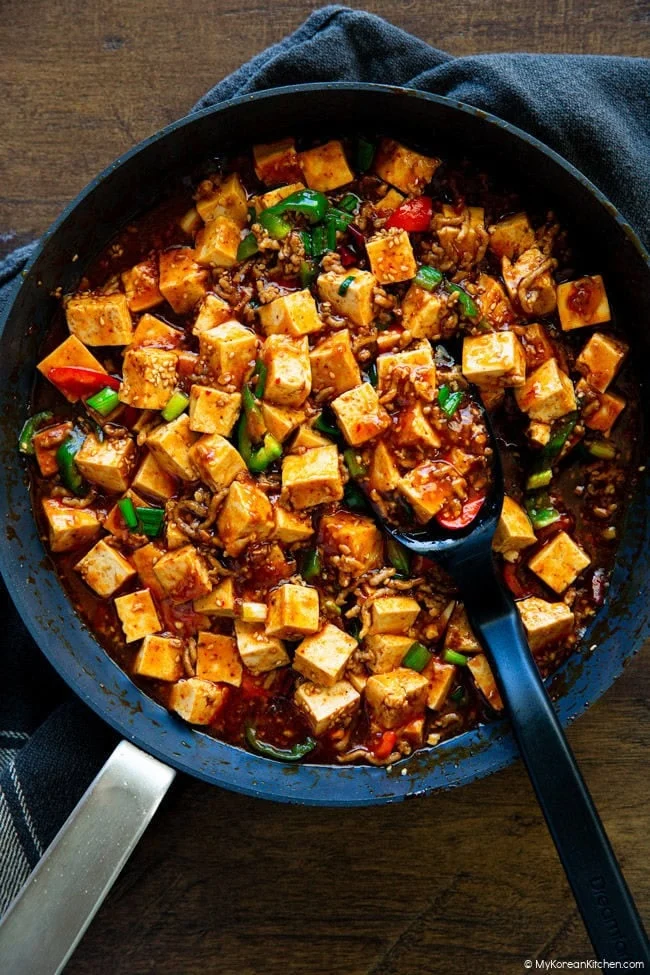
In the vast landscape of East Asian comfort food, few dishes command as much respect as the legendary Sichuan Mapo Tofu. Defined by its fiery, tongue-numbing profile and silken texture, it has long been a staple of global culinary culture. However, a new wave of home-style experimentation is currently breathing fresh life into this classic. Culinary enthusiasts are increasingly turning toward a “Korean-style” adaptation—a version that retains the soulful, tender essence of the original while pivoting toward the deep, complex umami profiles characteristic of the Korean pantry.
This Korean-inspired take is more than a simple variation; it is a thoughtful recalibration of flavors. By integrating traditional Korean staples—namely ssamjang, gochugaru, and a foundation of anchovy-based stock—this dish moves away from the aggressive heat of Sichuan peppercorns and toward a savory, rounded, and deeply comforting experience that feels right at home on a modern dinner table.
The Core Philosophy: Why This Fusion Works
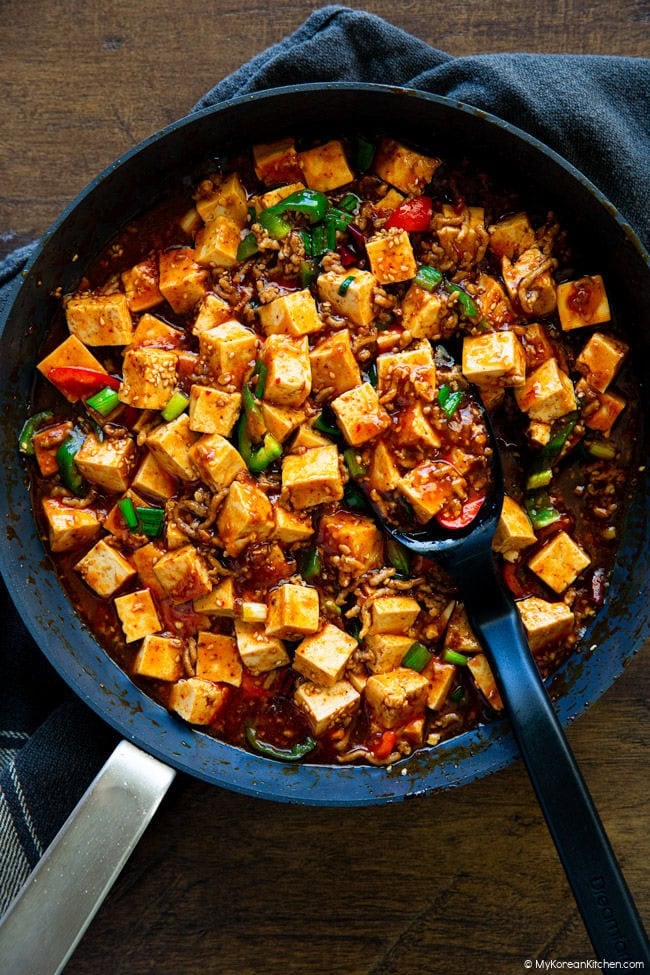
At the heart of this transformation lies a fundamental shift in the flavor architecture of the dish. While traditional Mapo Tofu is defined by ma (numbing) and la (spicy) sensations, this Korean-style iteration focuses on gim-chil-mat—a layered, savory depth.
The Power of Umami Layering
The primary distinction in this recipe is the use of Korean anchovy stock and high-quality anchovy fish sauce. In Korean culinary tradition, anchovy stock (typically made from dried anchovies and kombu) is the "golden base" for countless soups and stews. When applied to the sauce for Mapo Tofu, it provides a saline, oceanic backbone that supports the pork without overwhelming it. Unlike the flat saltiness of soy sauce alone, this stock introduces a sophisticated, slow-building umami that lingers on the palate.
The Role of Ssamjang
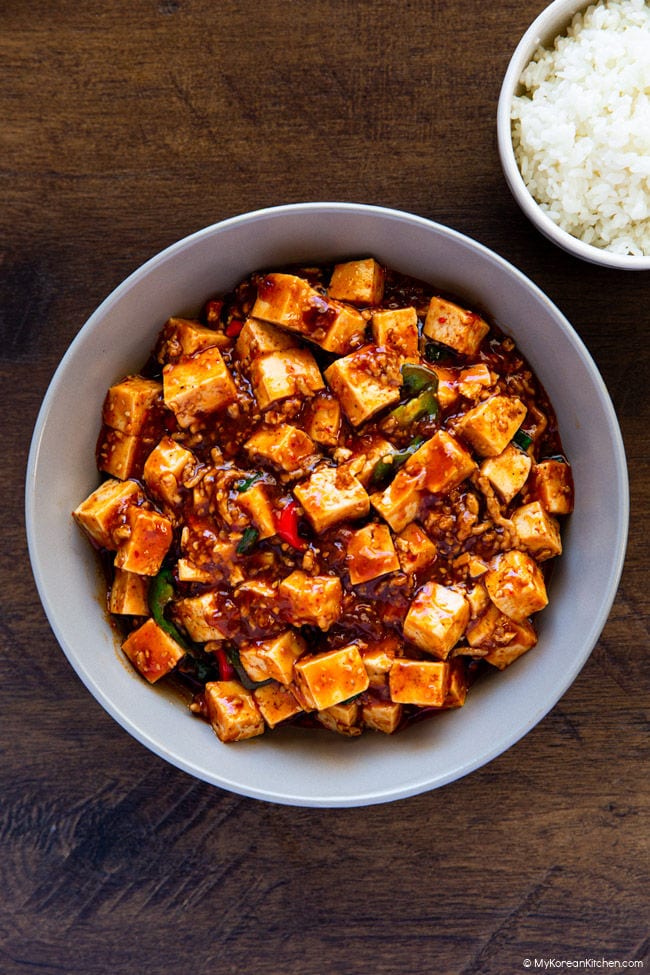
Perhaps the most transformative ingredient in this rendition is ssamjang. This thick, spicy soybean paste is a staple in Korean barbecue culture, prized for its balance of sweetness, nuttiness, and fermentation. By incorporating it into the sauce, the dish gains a hearty texture and a subtle, earthy undertone that makes the meal feel significantly more "substantial." It acts as a bridge between the spicy chili oil and the delicate, neutral flavor of the tofu.
Chronology: From Concept to Table
The development of this dish follows a meticulous process designed to maximize flavor extraction at every stage.
Phase 1: The Foundation of Spice
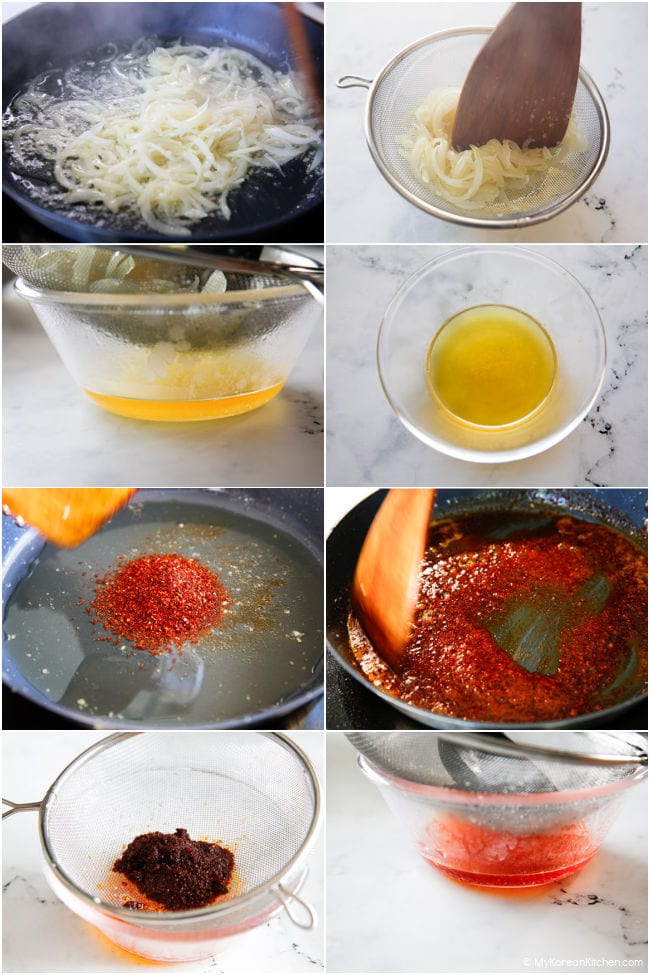
The process begins with the creation of a custom Korean chili oil. Unlike store-bought versions that can often taste one-dimensional, a homemade infusion using fresh onions, garlic, and high-quality gochugaru (Korean red chili flakes) ensures the oil is fragrant and vibrant. The onion and garlic are sautéed until golden to infuse the fat with aromatic sweetness, after which the chili flakes are added. This two-step infusion is critical; it creates an oil that is both smoky and deeply spicy.
Phase 2: The Blanching Technique
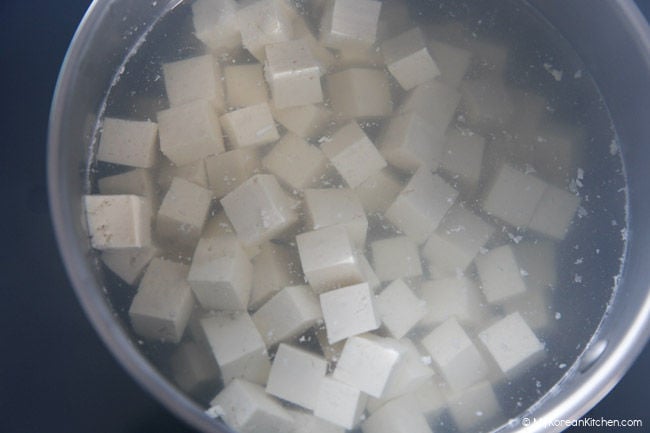
A common oversight in casual tofu preparation is skipping the blanching step. In this recipe, the tofu is briefly boiled in salted water for approximately one minute. This is not merely a method for warming the tofu; it is a structural necessity. Blanching firms the exterior of the tofu cubes, preventing them from disintegrating into mush when folded into the heavy sauce later in the cooking process.
Phase 3: The Searing of the Pork
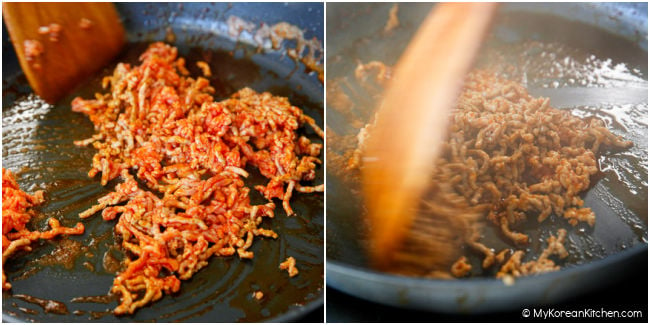
Once the oil is set, the minced pork is introduced. Using the prepared chili oil as the cooking fat ensures that the meat is seasoned from the very first second of contact with the heat. The pork is browned until it achieves a crisp texture, providing a necessary textural contrast to the soft, pillowy tofu.
Phase 4: Integration and Thickening
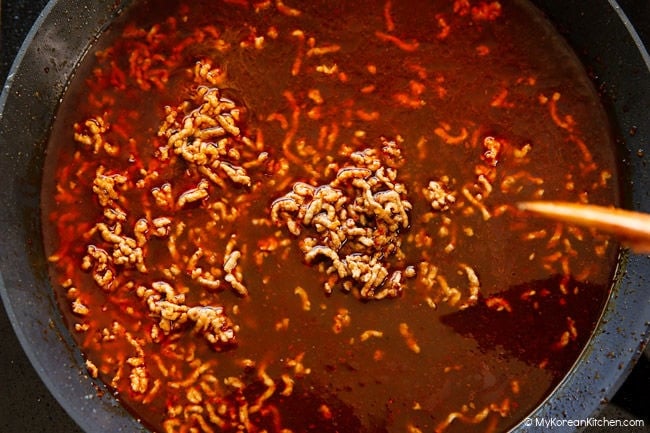
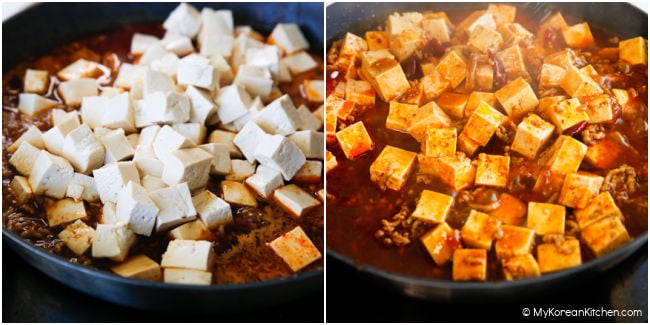
The sauce—a marriage of the anchovy stock, ssamjang, and aromatics—is poured over the pork and allowed to reduce. This concentration of liquid is essential for ensuring that the final dish is not watery. Finally, a starch slurry is introduced. This final touch transforms the sauce from a thin liquid into a glossy, velvety glaze that clings to every cube of tofu, ensuring that every bite is as flavorful as the first.
Supporting Data and Nutritional Context
While "comfort food" is often associated with indulgence, this dish offers a surprisingly balanced nutritional profile. Based on a standard serving size of four, the dish provides a robust amount of protein, largely sourced from both the tofu and the ground pork.
| Nutritional Metric | Approximate Value (Per Serving) |
|---|---|
| Calories | 394 kcal |
| Protein | 9g |
| Total Carbohydrates | 26g |
| Total Fat | 29g |
| Fiber | 4g |
| Sodium | 1,761mg |
Note: Nutritional information is based on an estimated calculation and may vary depending on the specific brands of ssamjang and fish sauce used.
The high sodium content is typical of fermented-paste-based sauces; however, the inclusion of dietary fiber from the soy content and the nutrient density of the aromatic vegetables help round out the meal. When served alongside a portion of steamed white rice, it forms a complete, energy-dense meal that sustains the body and satisfies the appetite.
Culinary Perspectives and Expert Notes
To achieve the best results, home cooks should consider the following professional tips derived from the kitchen:
- Tofu Selection: While the recipe utilizes firm tofu for structural integrity, those seeking a more authentic, "melt-in-your-mouth" experience can substitute silken or soft tofu. However, if using softer varieties, the folding process must be extremely delicate to prevent the dish from becoming a "tofu scramble."
- The Stock Variable: While Korean anchovy stock is the recommended base, it is not an absolute requirement for a delicious result. If time is short, a high-quality chicken or vegetable stock can serve as a substitute, though the final flavor will lean more towards a traditional Chinese profile rather than the intended Korean-fusion depth.
- Storage Dynamics: Unlike many dishes that are best served immediately, this Mapo Tofu is famously improved by time. The proteins in the sauce continue to break down and meld with the tofu during refrigeration. Leftovers stored in an airtight container for up to three days often exhibit a more harmonious flavor profile than when served fresh off the stove.
Implications for Modern Home Cooking
The rise of recipes like this Korean-style Mapo Tofu reflects a broader shift in how we approach global cuisine. We are moving away from rigid definitions of "authenticity" and toward a more fluid, ingredient-led approach to cooking.
By taking a dish as iconic as Mapo Tofu and applying the logic of the Korean pantry, we create a dialogue between two of the world’s most sophisticated culinary traditions. This dish proves that the "cozy, home-style" approach—prioritizing the comfort of the diner and the accessibility of the ingredients—is a valid and exciting way to explore global flavors.
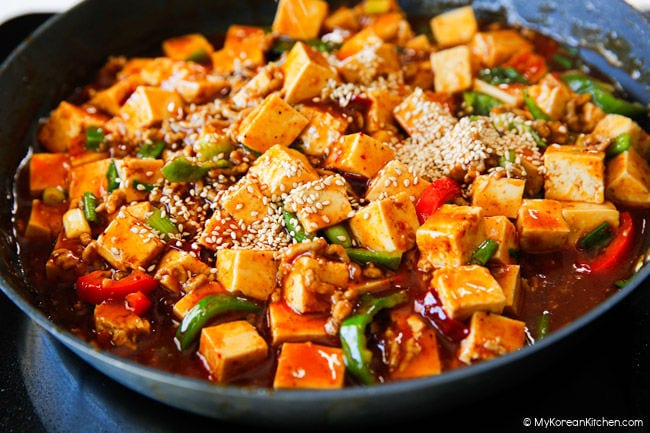
Whether you are a seasoned cook looking to experiment with new umami combinations or a novice seeking a reliable, satisfying weeknight meal, this recipe serves as a reminder that cooking is, above all, an act of adaptation. The result is a dish that is deeply personal, undeniably comforting, and a testament to the endless possibilities of culinary fusion.
Final Thoughts for the Home Chef
If you find yourself inspired by this recipe, consider sharing your results. Tagging culinary communities or your own social networks—such as @MyKoreanKitchen—is a great way to participate in the ongoing evolution of these recipes. Every kitchen provides a different environment, and every cook brings their own palate to the stove. Your version of this Mapo Tofu, perhaps adjusted for your preferred spice level or protein preference, is the next chapter in this dish’s history.
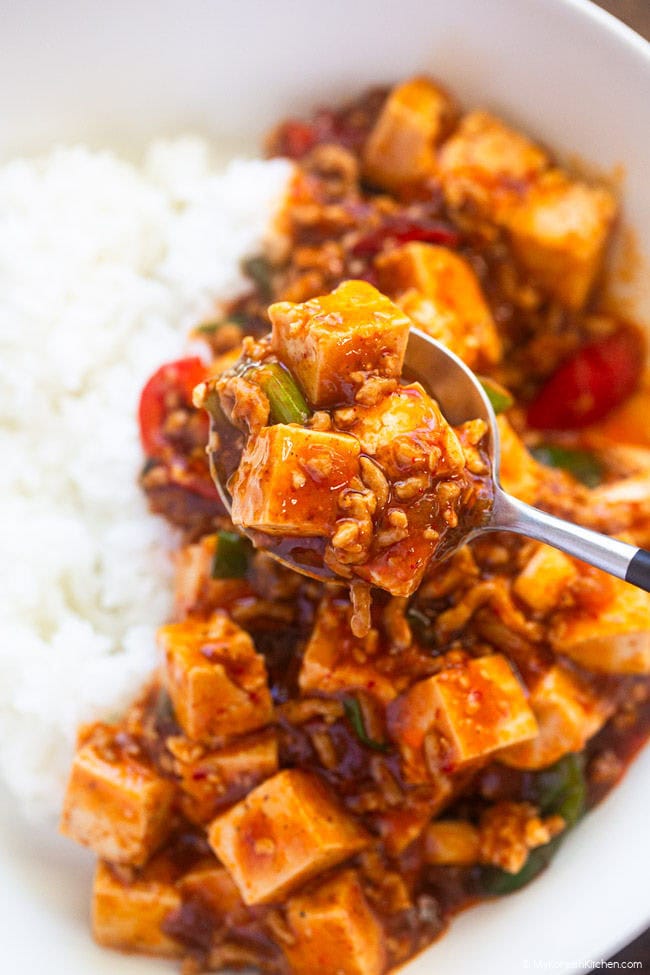
As we continue to navigate a globalized food culture, the ability to blend the best of different worlds—the Sichuan technique of the mapo, the Korean heart of the ssamjang—is what keeps home cooking vibrant, relevant, and above all, delicious.
 Raul Delapena Setiawan
  Asep Darmawan
  Nana Wu
