
 By Lina Hope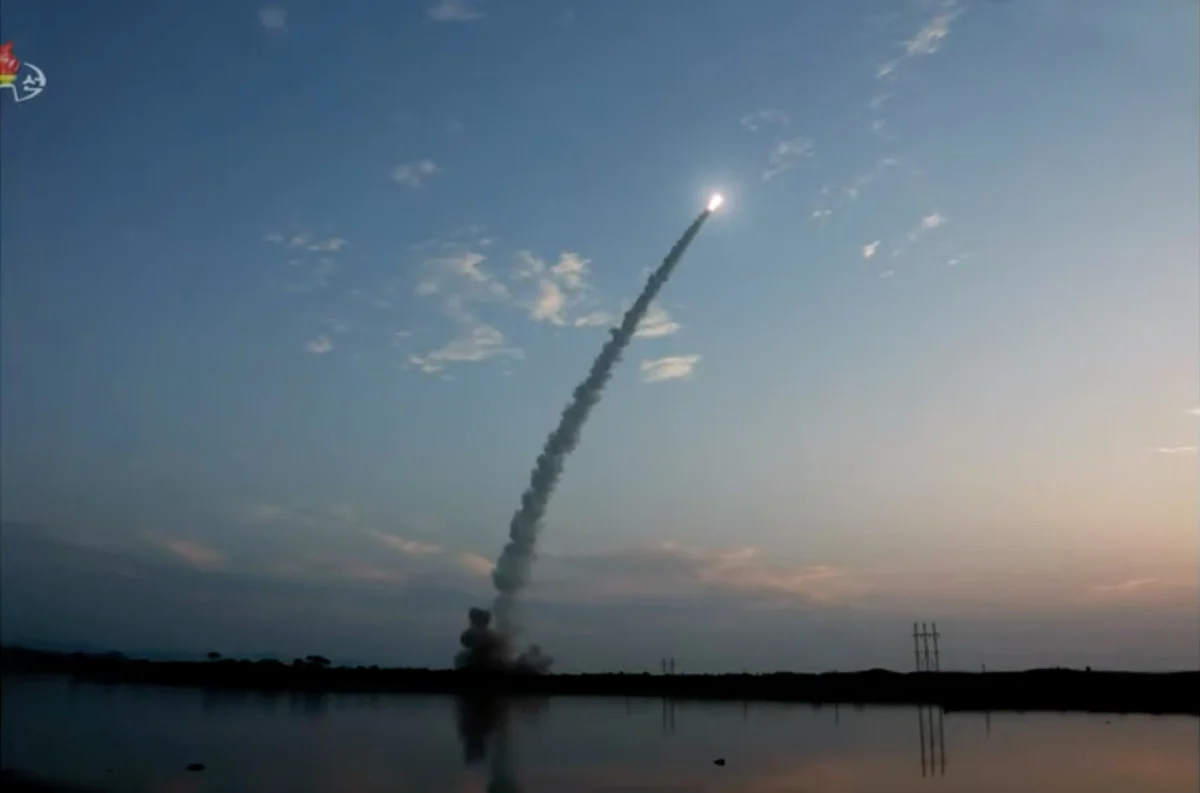
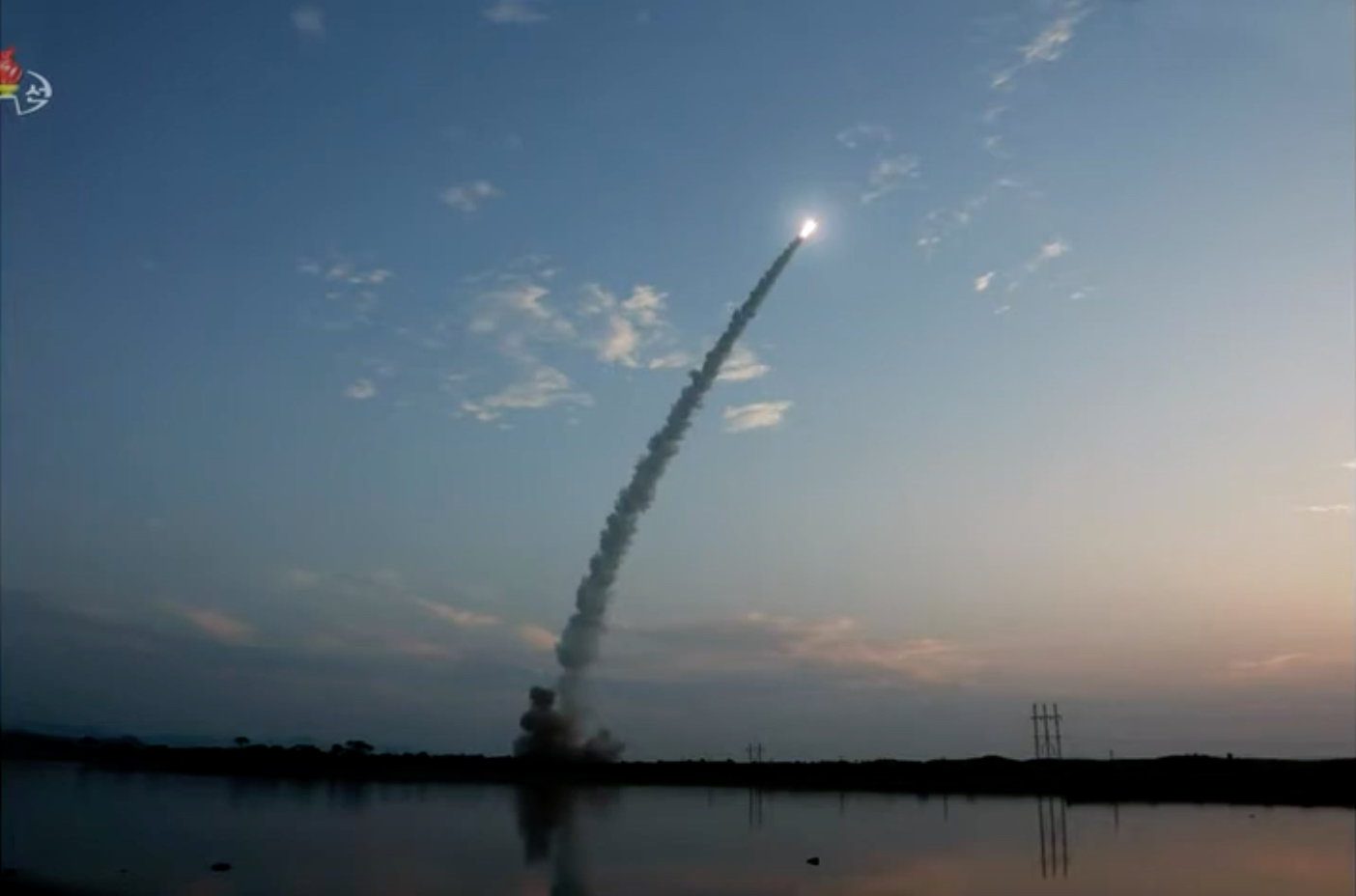
SEOUL — North Korea has broken a five-month hiatus in its short-range ballistic missile (SRBM) program, conducting a new launch toward the East Sea late Thursday. The move marks a return to provocative military posturing that has defined the Korean Peninsula’s security landscape for the better part of the last decade.
According to South Korea’s Joint Chiefs of Staff (JCS), the missile was fired from the vicinity of Wonsan at approximately 5:00 p.m. local time. The launch, while currently under detailed analysis by intelligence agencies in Seoul and Washington, serves as a stark reminder of the persistent nature of the Democratic People’s Republic of Korea’s (DPRK) weapons development program.
The Incident: Facts on the Ground
The JCS confirmed that the projectile traveled toward the waters between the Korean Peninsula and Japan. While the specific trajectory, range, and altitude of the missile have not been fully disclosed, South Korean officials emphasized that the military is maintaining a "firm ROK-U.S. combined defense posture."
"At around 5 p.m., our military detected a short-range ballistic missile launched from the Wonsan area of North Korea toward the East Sea," the JCS stated in a briefing to the press. The choice of Wonsan—a key logistical and military hub on North Korea’s east coast—is significant. It has historically served as a primary testing ground for the North’s tactical weapon systems, including the KN-23 and KN-24 short-range ballistic missiles, which are designed for mobility and rapid deployment.
South Korea’s military has since bolstered its surveillance and reconnaissance capabilities, working in lockstep with U.S. Indo-Pacific Command to ensure no further escalatory actions go undetected.
Chronology: A Pattern of Periodic Provocation
To understand the significance of this latest launch, one must look at the timeline of North Korea’s military activities. This event follows a notable five-month period of relative quiet regarding SRBM testing.
- Mid-2024: North Korea conducted a massive demonstration of force, firing approximately 10 short-range ballistic missiles in a single event. This display was widely interpreted as a tactical exercise aimed at demonstrating the North’s ability to overwhelm regional missile defense systems.
- Late 2024: The DPRK shifted its focus toward other strategic objectives, including satellite reconnaissance attempts and, more notably, the deepening of its military-technical cooperation with the Russian Federation.
- January 2025: The current launch serves as the first major SRBM provocation of the new year, effectively ending the multi-month lull and signaling a return to the "testing-as-usual" status quo.
The "five-month gap" should not be mistaken for a slowdown in weapons development. Instead, analysts suggest that the DPRK has been using this time to integrate lessons learned from previous tests, potentially refining the solid-fuel propulsion systems that make these missiles difficult to track and intercept.
Supporting Data: The Evolution of the SRBM Arsenal
The DPRK’s short-range arsenal has evolved from rudimentary Scud-based derivatives to sophisticated, highly maneuverable platforms. The most concerning of these, the KN-23, is often compared to Russia’s Iskander-M missile.
Key Characteristics of Modern DPRK SRBMs:
- Solid-Fuel Propulsion: Unlike older liquid-fueled missiles that require lengthy, detectable fueling procedures before launch, solid-fuel missiles can be fired on short notice, significantly reducing the "launch window" for South Korean and U.S. surveillance assets.
- Pull-up Maneuvers: The missiles exhibit "depressed trajectories" and the ability to perform mid-flight maneuvers. This capability is specifically designed to evade the Terminal High Altitude Area Defense (THAAD) and Patriot missile defense systems currently deployed in South Korea.
- Mobility: The use of Transporter-Erector-Launchers (TELs) allows the North to move missiles through its mountainous terrain, hiding them in tunnels or reinforced bunkers until the exact moment of ignition.
By launching these weapons, Pyongyang is not only testing hardware; it is testing the reaction times and detection capabilities of the ROK-U.S. alliance.
Official Responses and Strategic Posture
South Korea’s Stance
The South Korean government, under the administration of President Yoon Suk-yeol, has maintained a "peace through strength" approach. In the wake of the latest launch, the Presidential Office convened an emergency security meeting. The consensus remains that the ROK military must maintain an "overwhelming response capability" to deter any further North Korean aggression.
The U.S. Perspective
The United States has reiterated its "ironclad" commitment to the defense of the Republic of Korea. A spokesperson for the U.S. State Department noted that while Washington remains open to dialogue, such launches are "in violation of multiple UN Security Council resolutions and pose a threat to the region and the international community."
International Implications
The launch comes at a time of heightened global tension. With the ongoing war in Ukraine and the deepening alignment between Moscow and Pyongyang, there is growing concern that North Korea is receiving Russian expertise in exchange for providing artillery shells and ballistic missiles for use in the European theater. This makes every test in North Korea a potential data-gathering exercise for broader geopolitical conflicts.
Implications: Why This Matters Now
The resumption of SRBM testing carries several profound implications for the security architecture of Northeast Asia.
1. Undermining Regional Stability
Every missile launch creates a "security dilemma." As North Korea improves its strike capabilities, South Korea and Japan feel compelled to expand their own missile defense shields and offensive "counter-strike" capabilities. This arms race cycle makes the prospect of accidental escalation increasingly likely.
2. The "Normalization" of Provocation
Perhaps the most concerning aspect is the normalization of these tests. When missile launches occur with frequency, the global community’s "outrage fatigue" sets in. Pyongyang is counting on this desensitization to continue its development programs without facing additional, meaningful sanctions or diplomatic isolation.
3. Technological Integration
Intelligence analysts are currently looking for signs that this latest launch involved new guidance systems or warhead technologies. If the DPRK is successfully integrating tactical nuclear warheads onto these SRBMs, the security calculus changes from a conventional military threat to an existential one for the South.
4. The Diplomatic Void
There is currently no viable diplomatic track between Washington and Pyongyang. The DPRK has effectively ignored U.S. calls for "unconditional dialogue," opting instead to leverage its nuclear and missile programs as a bargaining chip for a future in which it is recognized as a de facto nuclear state.
Conclusion: The Road Ahead
As the sun sets over the East Sea, the debris of Thursday’s launch serves as a stark reminder that the Korean Peninsula remains one of the world’s most volatile flashpoints. The return to SRBM testing indicates that Kim Jong Un’s regime remains committed to its long-term objective of achieving a credible, survivable nuclear deterrent.
For the international community, the challenge is twofold: preventing an immediate tactical miscalculation while simultaneously addressing the structural causes of the North’s defiance. As South Korea and the United States continue their analysis of the launch data, the region remains on edge, waiting to see if this is a singular event or the beginning of a renewed cycle of pressure and provocation.
Moving forward, the ROK-U.S. alliance will likely increase the frequency of joint military exercises in the coming weeks, a move that will inevitably draw further condemnation from Pyongyang. In this high-stakes game of brinkmanship, the only certainty is that the quiet that preceded this launch was never truly a sign of peace, but merely a pause in a much larger, ongoing conflict.


 Ammar Sabilarrohman
  Pevita Pearce
  Nana Wu
