
 By Nana Muazin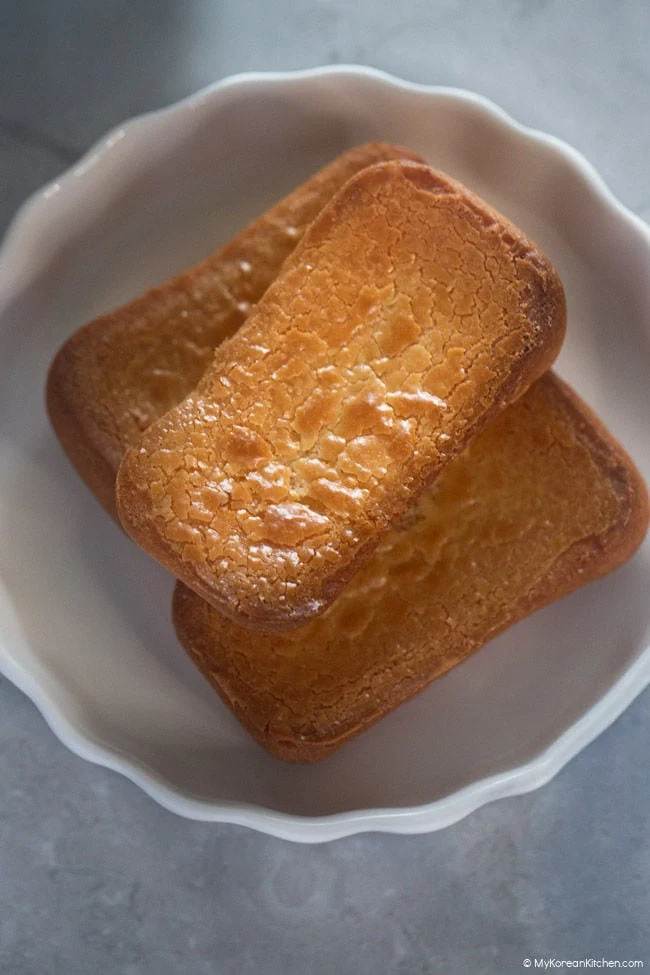
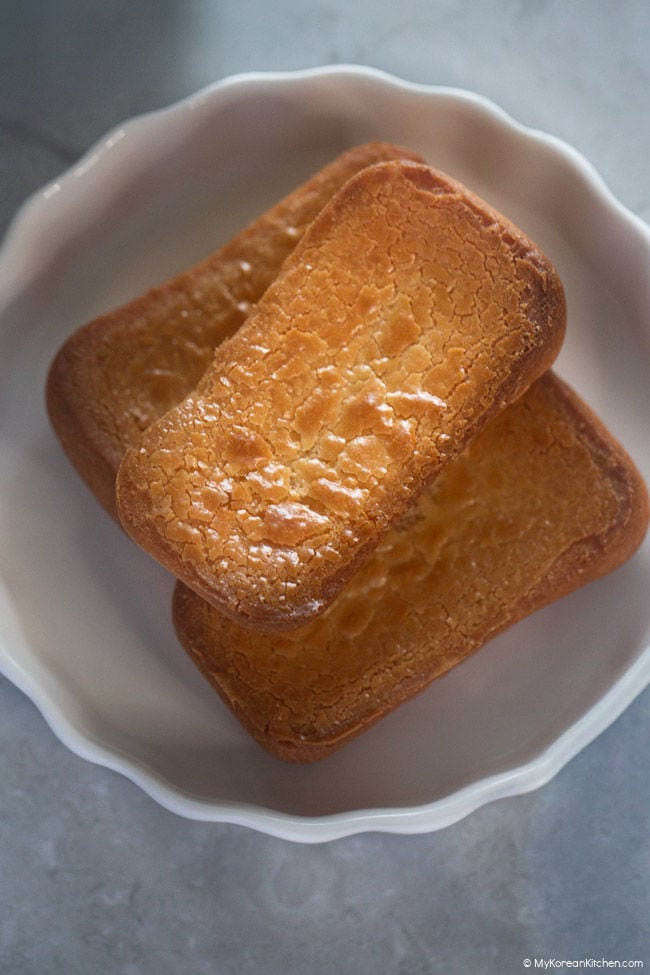
In the vibrant landscape of contemporary Korean desserts, few items have captured the collective imagination—and appetite—of both traditionalists and modern foodies quite like "Butter Tteok." Bridging the gap between the centuries-old tradition of Korean rice cake craft and the refined techniques of global patisserie, this hybrid treat has rapidly migrated from niche boutique bakeries to the home kitchens of culinary enthusiasts worldwide. With its signature golden, biscuit-like crust and a soft, yielding, glutinous center, Butter Tteok represents a fascinating evolution in Asian baking, proving that innovation is often found where heritage meets modern indulgence.
Main Facts: Defining the Butter Tteok Phenomenon
Butter Tteok is a sophisticated departure from the tteok (rice cake) most are familiar with. While traditional Korean rice cakes are typically steamed—relying on the elasticity of glutinous rice flour combined with water or bean paste—Butter Tteok is baked. This process fundamentally alters the molecular structure and sensory profile of the dish.
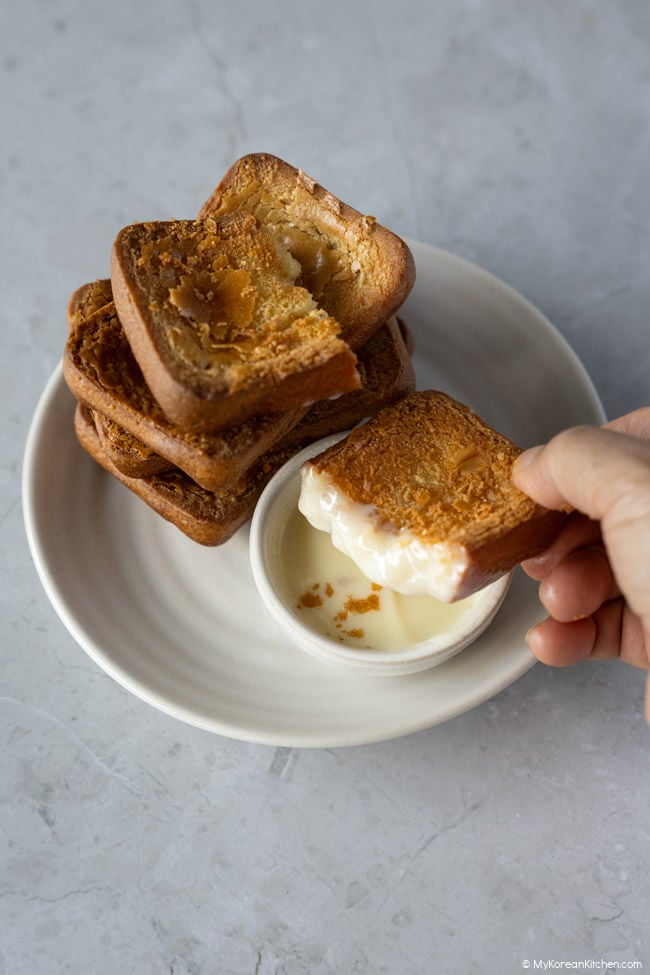
The primary ingredients include premium glutinous rice flour (often referred to as chapssal-garu), rich unsalted butter, milk, eggs, and a touch of sugar. The addition of eggs and butter elevates the dish from a humble snack to a decadent, cake-like experience. The result is a texture that balances the legendary chewiness of mochi with the aromatic, buttery notes of a French financier or a high-end butter cookie.
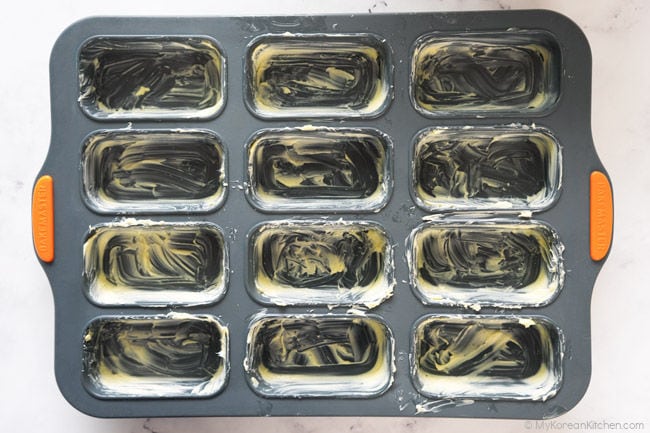
Unlike its steamed counterparts, which are best consumed within hours to prevent hardening, Butter Tteok is engineered for longevity and texture retention. It is typically baked in mini loaf pans or square molds to ensure an even, caramelized exterior. The nutritional profile, while indulgence-focused, remains grounded in the properties of rice flour, making it a gluten-free-friendly alternative to wheat-based baked goods, provided the source of the rice flour is certified.
Chronology: From Shanghai Origins to Korean Mainstream
The lineage of the Butter Tteok is a testament to the fluid nature of modern food culture. Culinary historians and food researchers point to a migration of technique rather than a single point of origin. While the modern iteration is undoubtedly a staple of current Korean bakery trends, its foundational roots are widely believed to have been established in the bustling urban kitchens of Shanghai.
In the mid-2010s, "butter rice cakes" began appearing in specialized Asian bakeries, particularly in metropolitan areas with high levels of cross-cultural culinary exchange. The concept was simple yet revolutionary: treat glutinous rice flour with the fats and aeration techniques used in Western baking.
By the early 2020s, the trend saw a massive surge in South Korea. Seoul’s burgeoning café culture, which prioritizes "Instagrammable" aesthetics and fusion flavors, embraced the treat. It was quickly refined by Korean pastry chefs who replaced generic fats with high-quality cultured butter and experimented with the density of the crumb. By 2026, the treat had moved beyond specialized shops, becoming a home-baking sensation popularized by influential food bloggers and social media platforms, culminating in the standardized, perfected recipe that is widely shared today.
Supporting Data: The Science of the "Perfect" Bite
The success of a great Butter Tteok lies in the precise management of temperatures and resting times. Through extensive kitchen testing, researchers and culinary developers have established several key metrics for success:
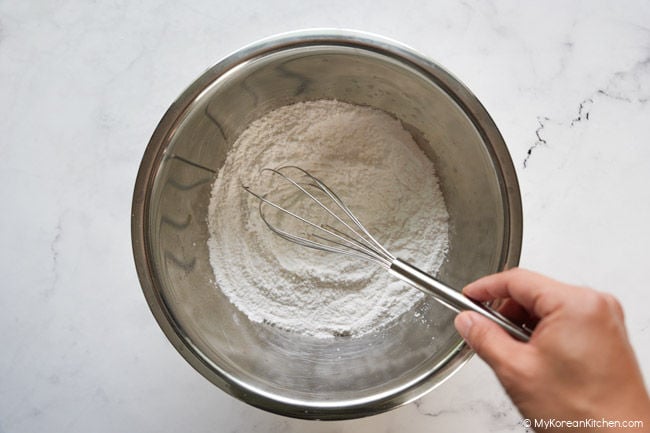
- The Maillard Reaction: The golden crust, which acts as the primary sensory contrast to the chewy center, is achieved by baking at temperatures between 170°C and 190°C. This promotes the Maillard reaction—the chemical reaction between amino acids and reducing sugars—which gives the exterior its distinctive nutty aroma and toasted color.
- The Role of Fats: The butter-to-flour ratio is critical. Too much butter results in a greasy, unstable structure, while too little removes the signature "buttery" profile. The standard benchmark uses a ratio that ensures the fat coats the rice starch particles, preventing them from becoming overly dense or gummy during the baking process.
- Resting Periods: Data confirms that the cooling process is not merely a safety measure but a functional requirement. Rice starch undergoes "retrogradation" as it cools, where the starch molecules re-align. Allowing the cake to rest for a minimum of 15 minutes—ideally up to 2 hours—ensures that the interior achieves the desired cohesive, "bouncy" chewiness that defines a high-quality tteok.
Official Perspectives and Expert Culinary Commentary
Culinary experts, particularly those specializing in the fusion of East-Asian and Western techniques, view Butter Tteok as a "gateway" dessert. By taking the intimidating texture of traditional tteok and wrapping it in the familiar, comforting flavors of butter and vanilla, chefs have effectively demystified Korean rice cakes for an international audience.
"The beauty of this recipe," says one prominent food consultant, "is that it doesn’t try to be something it isn’t. It doesn’t claim to be a traditional songpyeon or injeolmi. It acknowledges its status as a modern bakery creation, utilizing the best of both worlds. The use of the metal pan is a crucial recommendation; the conductivity of the metal provides that essential heat shock to the edges, creating the crisp barrier that makes the soft interior feel even softer by comparison."
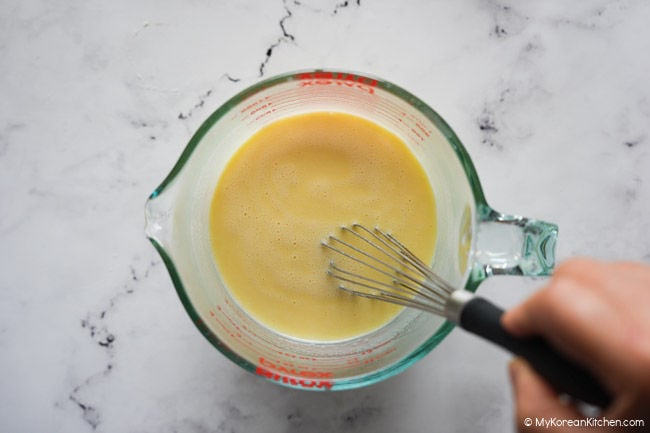
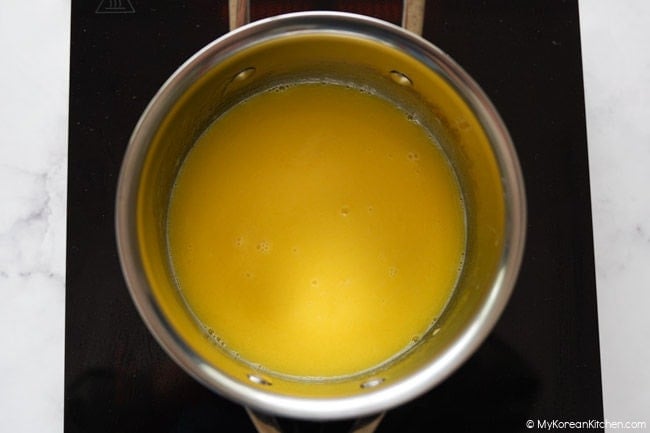
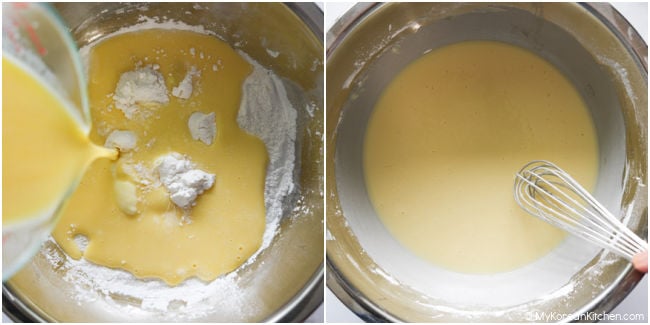
Professional bakers emphasize the importance of the "batter phase." Because the base is a liquid-heavy mixture of rice flour and dairy, whisking techniques are paramount to ensure the fats are fully emulsified. Failure to properly incorporate the butter and milk can lead to a separated, oily product that lacks the professional finish expected of the dish.
Implications: The Future of Hybrid Confectionery
The rise of Butter Tteok has significant implications for the future of the global dessert market. It signals a move away from rigid culinary categories, suggesting that consumers are increasingly seeking "texture-forward" foods that offer complex sensory experiences.
1. The Globalization of Glutinous Rice Flour:
As recipes like Butter Tteok grow in popularity, the demand for high-quality glutinous rice flour is rising. This is providing new market opportunities for agricultural sectors that specialize in high-amylopectin rice varieties, which are essential for the unique texture of these cakes.
2. The Shift Toward "Fusion-Bakery":
Butter Tteok serves as a blueprint for future culinary inventions. By applying Western baking methods (like baking in loaf pans, using vanilla extract, and incorporating egg-based leavening) to traditional Asian starch bases, chefs can create a virtually infinite variety of snacks. We are already seeing variations of this trend, such as matcha-infused, black sesame, and even savory bacon-and-chive versions of the butter rice cake.
3. Sustainability and Home Baking:
The longevity of the Butter Tteok—its ability to be frozen and reheated in an air fryer without significant degradation—aligns with current consumer trends toward reducing food waste. The "reheat-and-serve" convenience makes it a viable candidate for the pre-packaged snack market, potentially moving from boutique bakeries to supermarket shelves.
Conclusion: A Modern Classic in the Making
Butter Tteok is more than just a passing trend; it is a delicious intersection of culinary history. By marrying the ancestral love for chewy, resilient textures with the indulgent, aromatic profile of Western butter-based baking, it satisfies a modern palate that craves both familiarity and novelty.
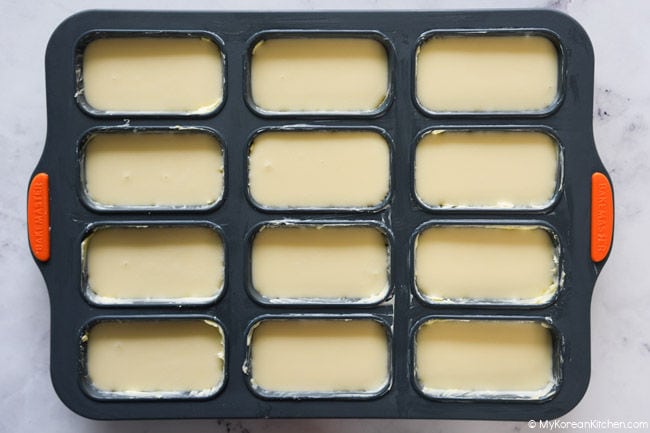
Whether enjoyed freshly baked, with its crisp edges and warm, yielding center, or reheated from the freezer as a quick mid-day indulgence, the Butter Tteok offers a unique experience that is difficult to replicate with traditional cakes. As it continues to evolve, one thing is certain: this golden, chewy delight has earned its place on the global dessert stage, proving that sometimes, the most exciting culinary discoveries are found when we simply start by combining the things we love most.
 Raul Delapena Setiawan
  Asep Darmawan
  Nana Wu
