
 By Suro Senen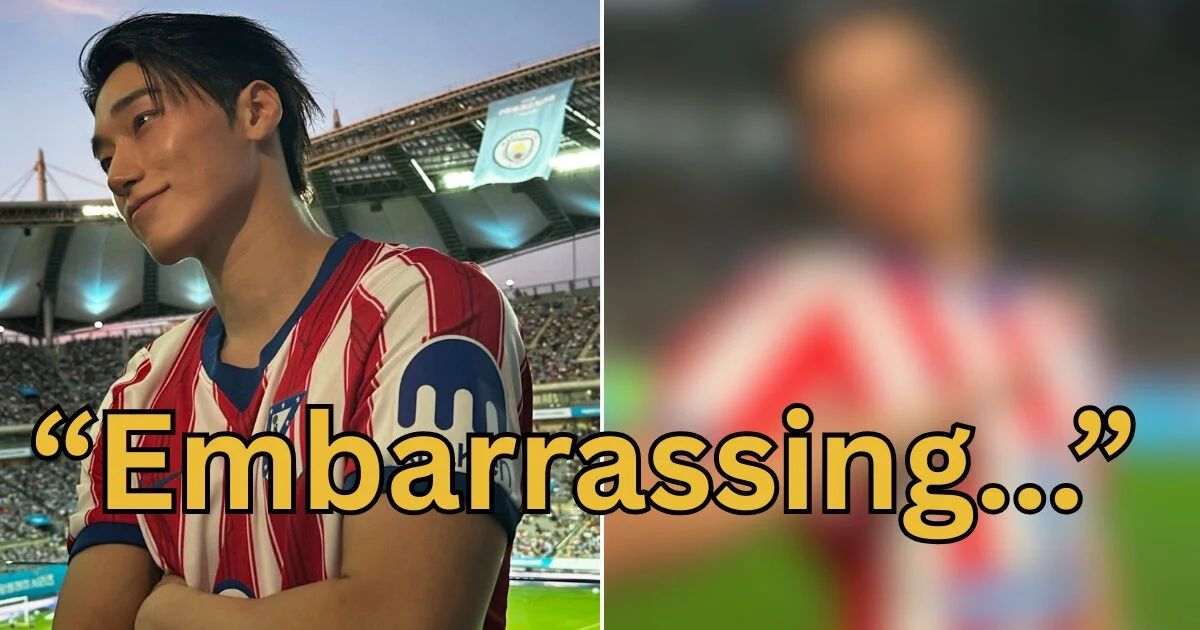
The recent ceremonial appearance of Choi San, a prominent member of the globally recognized K-pop group ATEEZ, at a high-profile friendly soccer match in Seoul has unexpectedly ignited a firestorm of "brutal criticism" across various online platforms. The incident, which occurred on August 9, 2026, during the pre-season exhibition game between English Premier League giant Manchester City and Spanish La Liga contender Atlético Madrid, saw San participate in the ceremonial kick-off. While intended as a moment of cross-cultural fanfare and a nod to K-pop’s immense global reach, the event quickly spiraled into a contentious debate among both dedicated K-pop enthusiasts and traditional soccer fans, highlighting the intricate challenges of celebrity integration into diverse public spheres.
The High-Stakes Friendly: Manchester City vs. Atlético Madrid in Seoul
The friendly match featuring Manchester City and Atlético Madrid was more than just a pre-season warm-up; it was a significant event in the global football calendar, strategically organized to tap into the burgeoning Asian football market. Both clubs boast massive international fan bases, and their presence in Seoul underscored the growing trend of top European teams engaging with supporters in key regions outside of Europe. Such tours are meticulously planned, involving extensive marketing campaigns, fan meet-and-greets, and local celebrity appearances designed to maximize visibility and commercial impact. For a K-pop idol like San to be invited to participate in the ceremonial kick-off was, in theory, a testament to his and ATEEZ’s significant cultural influence and market appeal in South Korea and beyond. These events are often seen as bridging cultural gaps, introducing new audiences to both the sport and the music genre.
San’s Rising Profile and ATEEZ’s Global Trajectory
Choi San, known for his powerful stage presence and distinctive vocal delivery, is a core member of ATEEZ, a group that has rapidly ascended in the global K-pop landscape since their debut. ATEEZ has cultivated a strong international following, particularly in North America and Europe, through their intricate lore, intense performances, and consistent musical output. At the time of this incident, San was particularly gaining traction for his "killing part" in the group’s song "BAD," a moment in their choreography that had gone viral across social media platforms. This specific viral moment had amplified his individual recognition, making him an ideal candidate for a high-visibility public appearance. His selection for the ceremonial kick-off was likely an attempt to leverage his current popularity and ATEEZ’s broad appeal to draw additional attention to the soccer match, aiming for a synergistic effect that would benefit both the clubs and the idol.
Chronology of the Event and Initial Reactions
The sequence of events unfolded rapidly. On the morning of August 9, 2026, ahead of the Manchester City vs. Atlético Madrid match held at the Seoul World Cup Stadium, ATEEZ’s San made his anticipated appearance. Donning a sports-appropriate attire, he participated in the ceremonial kick-off, a customary gesture at significant football matches. Footage of his performance, which reportedly incorporated elements of his viral "killing part" dance, was quickly shared online. Sports media outlets, including a prominent Manchester City fan account "City Xtra," initially posted clips of the event on social media platforms like X (formerly Twitter).
Within hours, these videos began to circulate widely. Initially, reactions were mixed, with many ATINYs (ATEEZ fans) expressing pride and excitement at San’s participation in such a high-profile international event. They celebrated his global recognition and the opportunity for ATEEZ to be represented on such a stage. However, a parallel wave of criticism also began to emerge almost immediately. Soccer fans, particularly those from a more traditionalist viewpoint, started to voice their displeasure. Concurrently, a segment of the broader K-pop community and general netizens joined the chorus of negativity, leading to a rapid escalation of the online discourse. The virality of the content was further fueled by the immediate and strong reactions from both sides. Although the original video clips were eventually removed due to copyright restrictions, they had already garnered substantial attention and sparked a wide-ranging debate that continued to resonate long after their deletion.
The Nature of the "Brutal Criticism": A Dual Front
The criticism leveled against San’s appearance originated from two distinct but overlapping demographics: traditionalist soccer fans and a faction of the general online public, including some K-pop observers.
From the Perspective of Traditional Soccer Fans:
Many soccer enthusiasts expressed strong disapproval, viewing San’s performance as an inappropriate intrusion of pop culture into the sanctity of a sporting event. Comments ranged from outright hostility ("Pls just go home") to lamentations about the state of modern football ("The game has never been more gone"). This segment of criticism often stems from a deeply ingrained cultural perception of football as a serious, traditional sport, where ceremonial aspects should align with established customs or be minimal. The integration of a K-pop dance, particularly one perceived as flamboyant or "cringe" by those unfamiliar with the genre, was seen as a commercialization or cheapening of the sport. There’s often a resistance to anything perceived as "superficial" or "non-sporting" overshadowing the athletic event itself. This sentiment is not unique to K-pop; similar backlashes have occurred when other pop stars, celebrities, or even elaborate half-time shows have been perceived as distracting from the core sporting experience.
From the Perspective of K-Pop Critics and General Netizens:
A significant portion of the backlash centered on the idea that K-pop idols "lose their aura" once they step outside their carefully constructed "K-pop bubble." This criticism suggests that idols, accustomed to highly choreographed performances, elaborate stage setups, and the controlled environment of music shows or concerts, struggle to maintain their charismatic appeal in more spontaneous or unfamiliar settings. One widely shared tweet articulated this, stating, "K-pop idols losing all their aura the moment they step outside their K-pop bubble and aren’t surrounded by a hundred backup dancers." This critique implies that the "aura" is an artificial construct, heavily reliant on specific production values rather than inherent charisma. The term "embarrassing" was frequently used, suggesting a perceived lack of grace or awkwardness in a non-performance context.
Furthermore, some critics drew broader conclusions about the global expansion of K-pop, with one tweet provocatively stating, "BTS made the worst mistake by making kpop groups accessible everywhere." This sentiment reflects a perceived saturation of K-pop in mainstream global culture, leading to a backlash from those who feel it has become too ubiquitous or has diluted its unique appeal. The "cringe" factor, a subjective but powerful online descriptor, was also widely applied, indicating a feeling of discomfort or second-hand embarrassment generated by San’s performance in this particular context. This highlights a generational and cultural divide in what is considered acceptable or engaging entertainment.

Supporting Data and Contextualizing Idol Appearances
The phenomenon of K-pop idols participating in major international events, including sports, fashion, and diplomatic engagements, is not new. It’s a calculated strategy by entertainment agencies to expand their artists’ global reach and solidify K-pop’s status as a worldwide cultural force.
- Successful Cross-Overs: BTS, for instance, has addressed the United Nations General Assembly multiple times, performed at various global music awards, and collaborated with numerous international brands, generally receiving widespread acclaim. BLACKPINK members are ambassadors for luxury fashion houses, frequently attending high-profile fashion weeks and representing their brands on a global stage. EXO’s Kai has been a global ambassador for Gucci, showcasing a seamless blend of fashion and music.
- Mixed Reactions: However, not all such ventures have been met with universal approval. Instances of idols or K-pop groups performing at foreign sporting events have sometimes drawn lukewarm or even negative responses from local audiences unfamiliar with the genre, or from traditionalists who find the style incongruous with the sporting event. These reactions often hinge on cultural differences in performance aesthetics and audience expectations. For example, some K-pop artists performing at U.S. sporting events have faced similar "cringe" or "out of place" criticisms, particularly if their performance style deviates significantly from what the typical local audience expects at such venues.
- Social Media Amplification: The immediate and widespread nature of the backlash against San underscores the power of social media in shaping public perception. Platforms like X allow for rapid dissemination of opinions, often leading to echo chambers where negative sentiments can quickly gain momentum and appear more prevalent than they might be in the broader population. The absence of immediate context or nuance in short-form posts can exacerbate misunderstandings and fuel intense polarization.
Inferred Statements and Stakeholder Perspectives
While no official statements from KQ Entertainment (ATEEZ’s agency), Manchester City, or Atlético Madrid directly addressing the "brutal criticism" were released, their likely stances can be inferred:
- KQ Entertainment: The agency would likely focus on the positive aspects of the appearance – the honor of the invitation, the opportunity for global exposure for San and ATEEZ, and the successful engagement with a new audience demographic. They would emphasize ATEEZ’s continued global growth and the importance of cross-cultural collaborations, carefully avoiding direct engagement with negative comments to prevent further amplification. Their strategy would typically involve highlighting fan support and future endeavors.
- Manchester City & Atlético Madrid: For the football clubs and event organizers, the primary objective of inviting a K-pop idol would have been to enhance the event’s appeal, particularly to the lucrative Asian market. They would likely view the appearance as a successful marketing initiative, measured by increased ticket sales, media attention, and engagement with local youth demographics. Any negative online chatter would likely be dismissed as a vocal minority or a natural byproduct of cross-cultural integration. Their focus would remain on the overall success of their pre-season tour and brand building.
- Event Promoters: The local promoters responsible for organizing the friendly match would also prioritize the event’s commercial success and positive local engagement. They would likely highlight the vibrant atmosphere created by the celebrity presence and the successful execution of the event, seeing San’s involvement as a value-add.
Broader Impact and Implications for Idol Image Management
The incident involving ATEEZ’s San offers several critical implications for the K-pop industry and celebrity management in the era of global expansion:
- Navigating Cross-Cultural Expectations: It highlights the delicate balance K-pop agencies must strike when positioning their artists in diverse cultural contexts. What is considered charismatic or entertaining in one cultural sphere (e.g., K-pop performance) may be perceived differently in another (e.g., traditional sports event). Understanding and adapting to these varying expectations is crucial for successful cross-over ventures.
- The "Aura" Debate: The concept of an idol’s "aura" becoming diminished outside the "K-pop bubble" is a recurring theme. This suggests a challenge in translating carefully cultivated stage personas into more casual or unexpected public appearances. Agencies may need to consider more tailored approaches, perhaps emphasizing natural charisma or adaptability over highly stylized performances in such contexts, or providing specific training for these types of appearances.
- Risk Assessment in Global Collaborations: While global collaborations offer immense benefits, they also carry inherent risks. Agencies must conduct thorough risk assessments, considering potential cultural clashes, the target audience of the collaborating entity, and the potential for online backlash. The ease with which "brutal criticism" can spread requires robust crisis management strategies.
- Fan Dynamics and Protection: Such incidents invariably galvanize dedicated fan bases, who often rally to defend their idols against perceived unfair criticism. This can lead to internal divisions within the broader online community, with dedicated fans clashing against general netizens or fans of other genres. Managing these fan dynamics and providing clear support for artists is vital for agencies.
- The Evolving Definition of "Global Idol": As K-pop continues its global ascent, the definition of a "global idol" is evolving. It’s no longer just about selling albums internationally but also about seamlessly integrating into various global cultural landscapes. This requires not only talent but also a high degree of cultural intelligence and adaptability from both the idols and their management.
Conclusion: A Microcosm of Global Cultural Exchange
ATEEZ San’s ceremonial kick-off at the Manchester City vs. Atlético Madrid match in Seoul stands as a microcosm of the complexities inherent in modern global cultural exchange. What was intended as a celebratory fusion of sports and pop culture quickly became a flashpoint for contrasting cultural expectations, online scrutiny, and the ongoing debate surrounding K-pop’s global accessibility. While the incident generated significant "brutal criticism," it also underscored the immense reach of K-pop and the increasingly interwoven nature of global entertainment industries. As K-pop idols continue to expand their presence across diverse international platforms, navigating these cultural nuances and managing public perception in the digital age will remain a critical challenge and a key determinant of their long-term global success. The event, despite the backlash, ultimately contributed to a wider discussion about the evolving role of celebrities in public life and the fluid boundaries of contemporary culture.

