
 By Raul Delapena Setiawan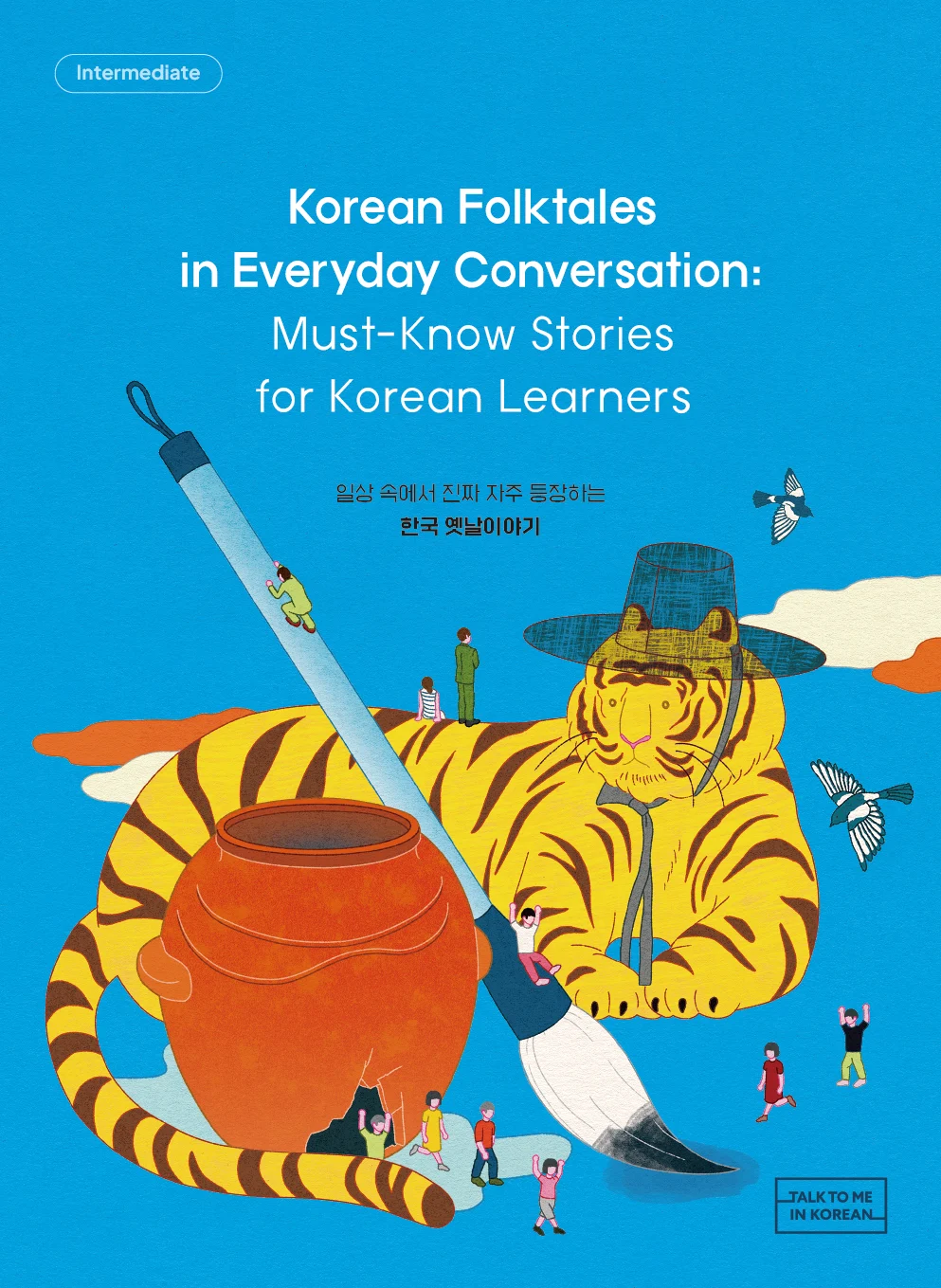
For over a decade and a half, the digital landscape of language education has been dominated by gamified apps and generic vocabulary drills. Yet, amidst the noise of high-speed, low-retention software, one platform has quietly revolutionized the way the world learns the Korean language: Talk To Me In Korean (TTMIK). With a foundation built on pedagogical rigor, cultural nuance, and a systematic approach to fluency, TTMIK has evolved from a niche project into a global powerhouse, serving over two million learners worldwide.
The Foundations of a Learning Revolution
Since its inception in 2009, Talk To Me In Korean has operated on a singular, unwavering philosophy: anyone can master the Korean language if provided with the right steps in the right order. In an era where many platforms promise fluency through "quick fixes," TTMIK has spent 16 years meticulously crafting a curriculum that prioritizes logical progression over instant gratification.
The core of the TTMIK methodology is its signature "four-step" lesson system. Every module is designed to shepherd the student through a comprehensive cognitive cycle: warming up, learning, speaking, and reviewing. This structure is intended to bridge the significant gap between passive understanding—knowing what a word means—and active communication—being able to use that word in a natural, spontaneous conversation. By stripping away the uncertainty of "what to do next," the platform provides a clear, actionable roadmap that prevents the burnout common in self-taught language journeys.
A Chronology of Growth: From 2009 to Today
The story of TTMIK is one of organic, community-driven development. It did not begin as a massive enterprise but as a direct response to the lack of structured, accessible resources for Korean learners at the time.
- 2009: TTMIK is founded, focusing on audio-based lessons that emphasize conversational Korean.
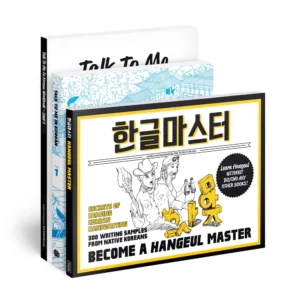
- 2010–2015: The platform begins to expand its physical footprint, publishing a series of textbooks that would eventually sell over one million copies worldwide. During this time, the digital infrastructure grows to include web and mobile integration.
- 2016–2020: As the global interest in Korean culture (the "Hallyu" wave) explodes, TTMIK scales its operations. The integration of a YouTube channel with over 2.1 million subscribers turns the platform into an interactive hub where learner questions directly shape the curriculum.
- 2021–Present: The transition to a tiered ecosystem—offering everything from independent study subscriptions to structured bootcamps—solidifies TTMIK’s position as a multifaceted educational institution rather than just a content library.
The Architecture of the Curriculum
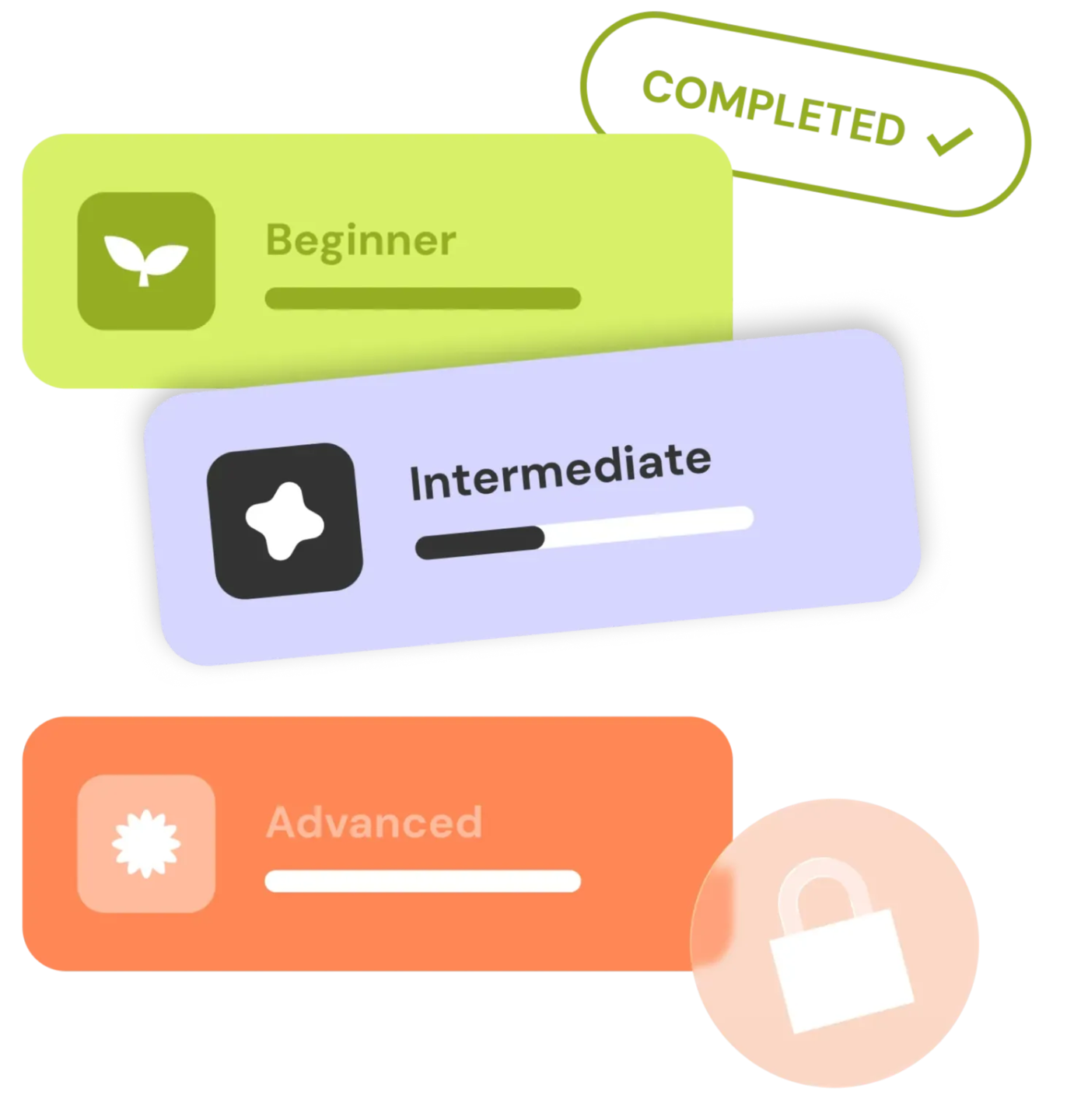
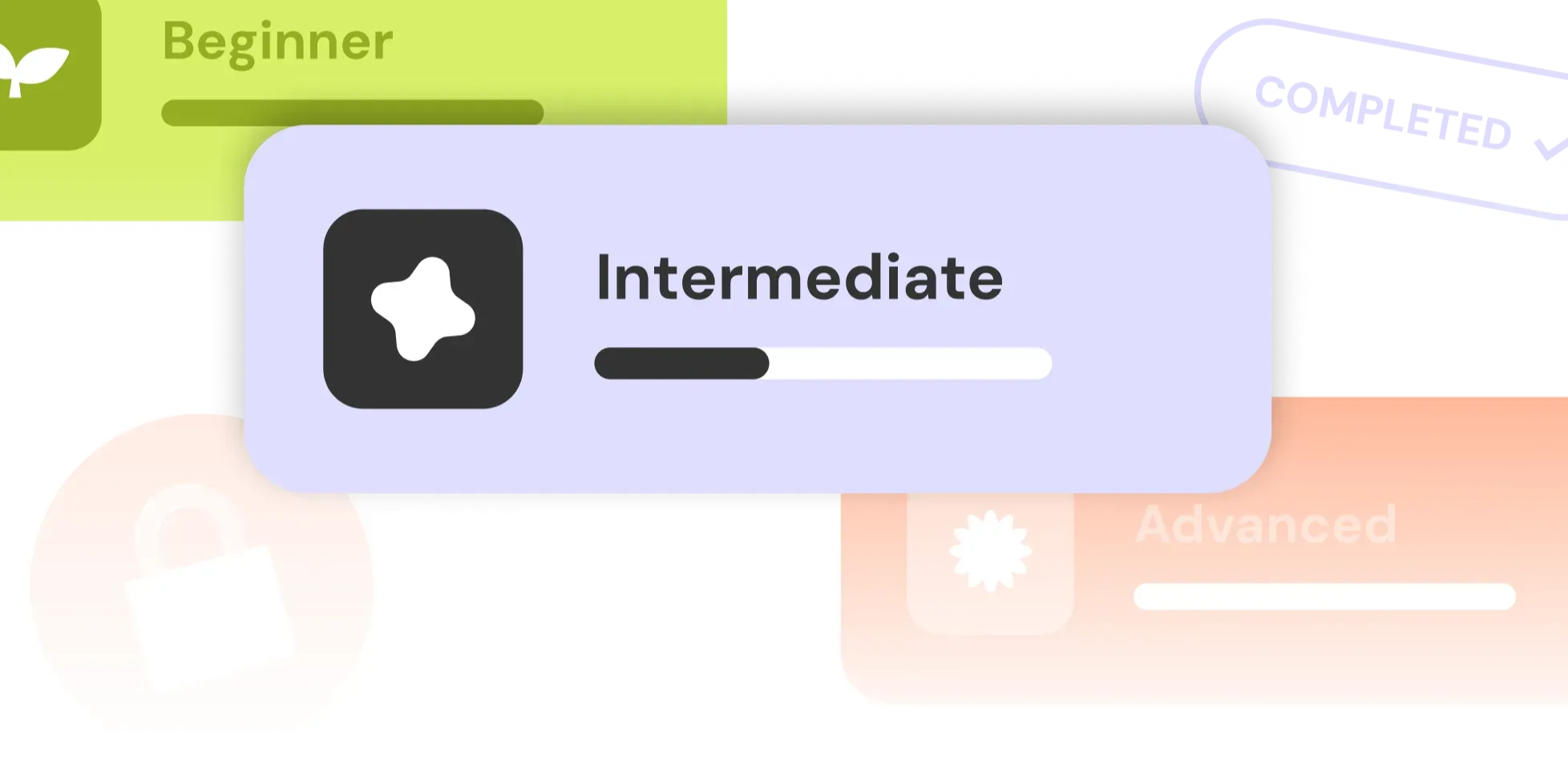
One of the most significant challenges for language learners is the "intermediate plateau." TTMIK addresses this through a highly segmented curriculum that guides users from their very first sentence to natural, native-level conversation.
The platform provides a 3-minute level test, a diagnostic tool that eliminates the guesswork often associated with starting a new language. For those who prefer a structured environment, the "Bootcamp" programs offer the necessary pressure to maintain accountability, while the "Community" aspect ensures that students never feel isolated in their efforts. This multifaceted approach recognizes a fundamental truth in education: different learners require different modalities of engagement.
Statistical Impact and Institutional Trust
The efficacy of the TTMIK system is best reflected in its data. With over 2,000,000 learners and 1,700+ structured lessons, the sheer volume of content is a testament to the platform’s commitment to quality. The publication of 48 books—all designed to supplement digital learning—highlights a hybrid approach that remains rare in the EdTech sector.
The trust earned by the brand is not merely a result of marketing but a byproduct of community engagement. The 2.1 million subscribers on their YouTube channel represent more than just an audience; they are a feedback loop. By analyzing the questions asked by this global community, the educators at TTMIK have been able to refine their lessons, ensuring that the content remains relevant to the evolving needs of students.
Supporting Data: Why Consistency Matters
To understand why TTMIK succeeds where other platforms fail, one must look at the retention rates associated with their structured approach. Traditional language apps often suffer from high churn, as users lose interest when the "game" aspect of the app ceases to provide genuine progress. In contrast, TTMIK’s focus on long-term comprehension and conversational ability fosters a more dedicated user base.
Learners like Sarah from Canada, who has been with the platform for eight months, or Aisha from Malaysia, who has been a consistent student for two years, represent the "real progress" narrative. These stories are not outliers; they are the result of a systematic methodology that treats language learning as a skill-building process rather than an entertainment-based activity.
Addressing the Learner’s Dilemma: FAQs and Clarifications
A major barrier for prospective students is the uncertainty of costs, scheduling, and prerequisites. TTMIK addresses these concerns with transparency:
- The Cost of Entry: All plans include full access to the entire lesson library, ensuring that learners aren’t "locked out" of advanced content behind paywalls.
- Trial Periods: The 7-day trial period is designed to allow users to sample the full breadth of the system, from the introductory audio lessons to the more intensive bootcamps.
- Flexibility: The "cancel anytime" policy reflects a confidence in the product; the platform relies on the quality of its lessons to retain subscribers rather than restrictive contracts.
The Implications for Future Language Learners
The success of Talk To Me In Korean carries significant implications for the future of online education. It suggests that in an increasingly fragmented digital world, there is still a massive appetite for depth, structure, and human-centric pedagogy.
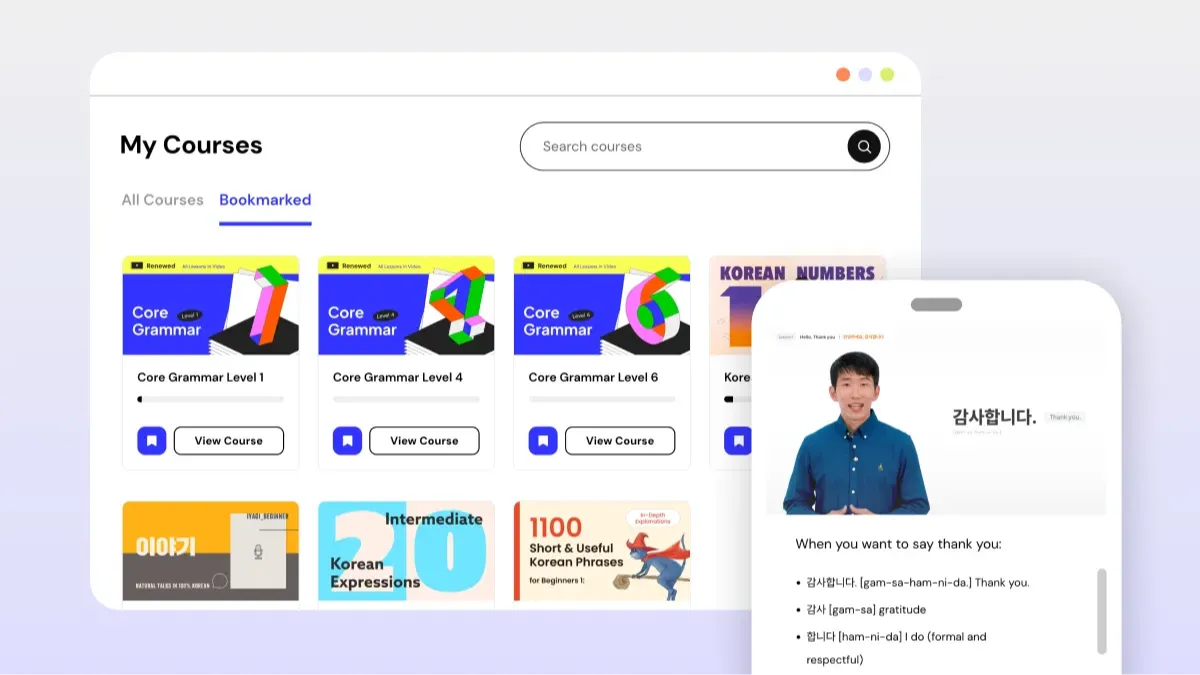
As we look toward the future, the integration of technology—such as web and mobile platforms—with traditional educational pillars like textbooks and live community interaction appears to be the gold standard. By refusing to compromise on the complexity of the Korean language, TTMIK has managed to make it accessible without making it "easy" in a way that sacrifices depth.
Conclusion: A Path Forward
For those standing at the threshold of learning Korean, the choices can be overwhelming. However, the path defined by Talk To Me In Korean offers a clear, proven alternative to the scattershot methods often found online. Whether you are a complete beginner intimidated by the Hangul alphabet or an intermediate learner struggling to make the leap into natural, fluent speech, the system provides a roadmap that is as reliable as it is effective.
Ultimately, the goal of TTMIK is not just to teach a student how to read or write, but to empower them to participate in the culture of Korea. Through 16 years of refinement, the platform has proven that when you combine a clear process, a supportive community, and a deep respect for the language, the result is more than just academic success—it is the opening of a new world of communication.
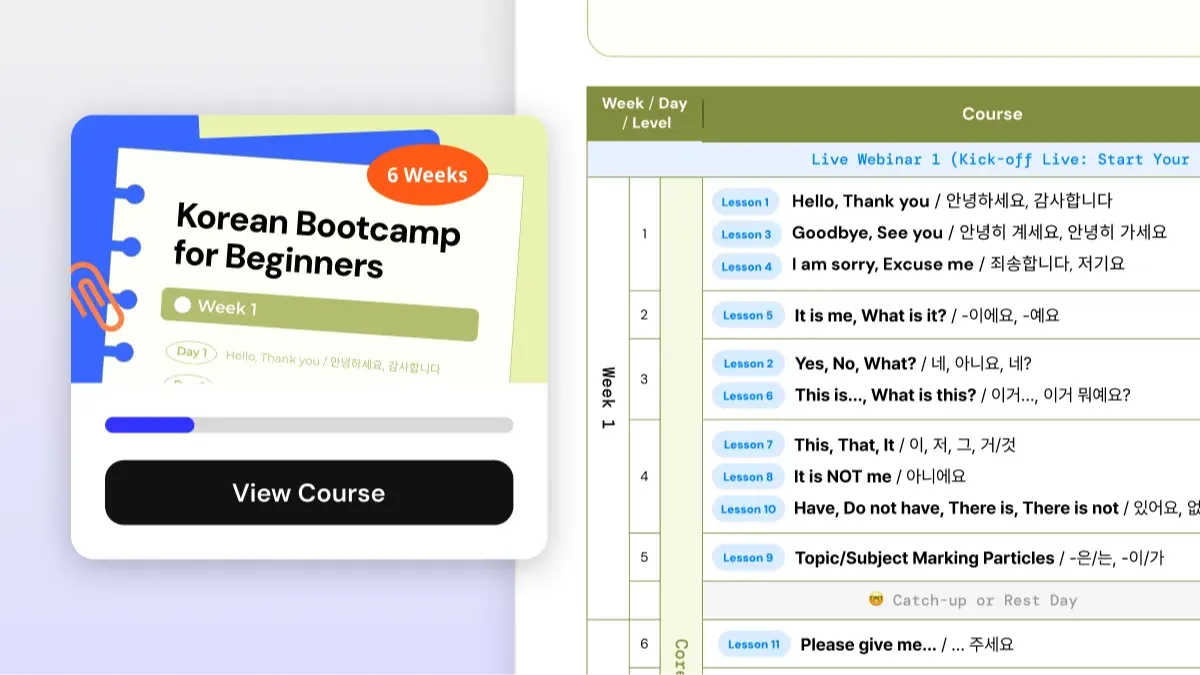
As the team at TTMIK often emphasizes, the first real conversation in Korean is likely much closer than the learner thinks. With the right tools and the right order, the journey toward fluency is not only possible; it is a structured, achievable reality. Those ready to begin can start with a single lesson, test their level, and experience a system that has fundamentally changed the way the world speaks Korean.
 Jia Lissa
  Asep Darmawan
  Layla Zulfa
