
 By Basiran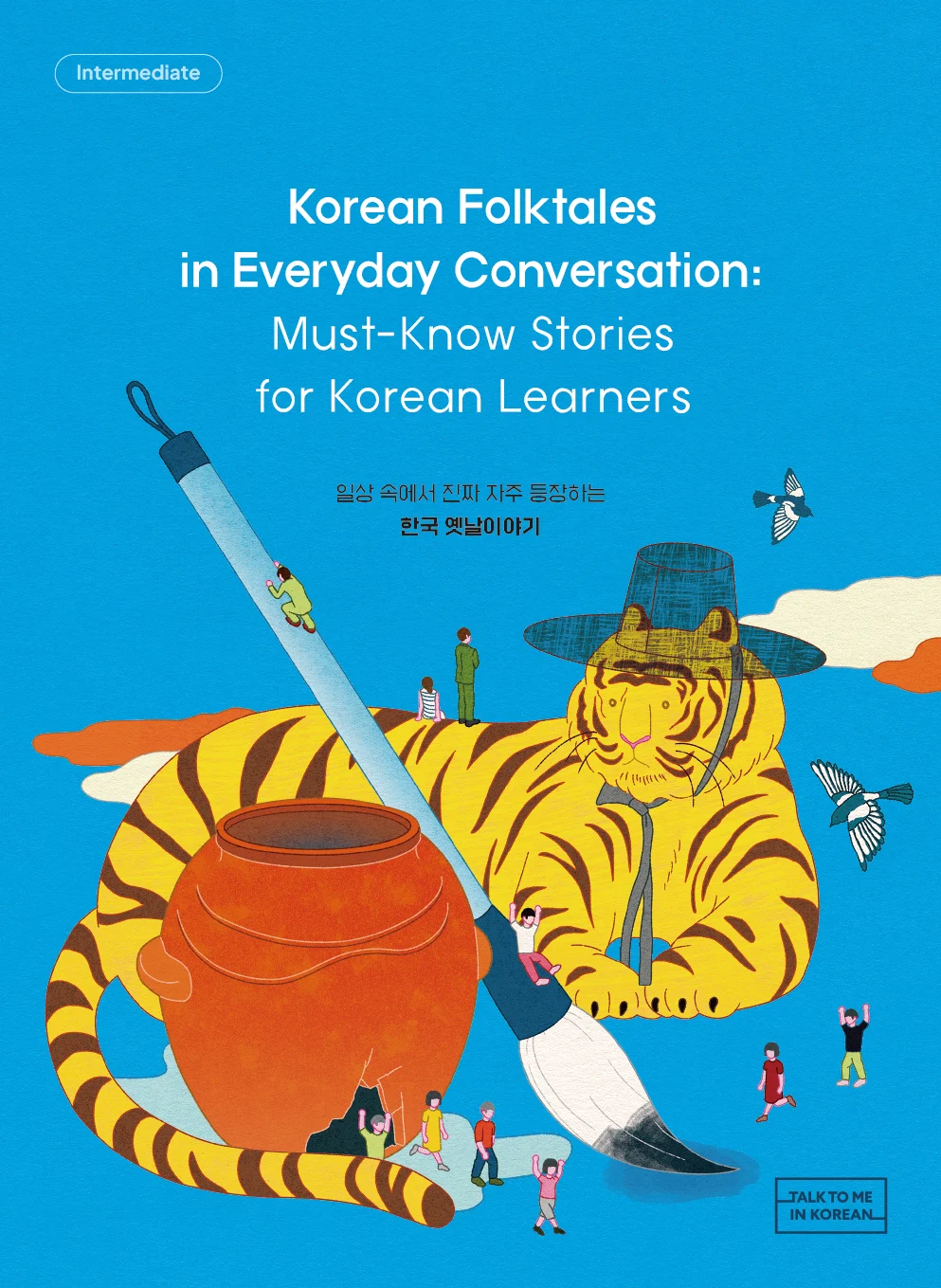
In the digital age, where language learning applications often prioritize gamification over grammatical substance, Talk To Me In Korean (TTMIK) has carved out a distinct, authoritative niche. Since its inception in 2009, the platform has evolved from a niche podcast for enthusiasts into a comprehensive educational ecosystem that has guided over two million learners through the complexities of the Korean language. By focusing on a structured, step-by-step pedagogical approach, TTMIK has bridged the gap between passive listening and active, conversational fluency.
The Genesis of a Movement: A Chronology of Growth
The story of Talk To Me In Korean began in 2009, at a time when the "Hallyu" (Korean Wave) was beginning its initial surge into global consciousness, yet accessible, high-quality learning resources were strikingly scarce. The founders recognized that while many people were interested in Korean culture, the actual mechanics of the language remained behind a wall of dense, academic textbooks.
2009–2012: The Podcasting Era
The early years of TTMIK were defined by the democratization of education. By launching a podcast-based curriculum, the team provided learners with portable, repeatable, and bite-sized lessons. This format allowed students to integrate language learning into their daily commutes and routines, fundamentally changing the accessibility of the Korean language.
2013–2018: Building the Curriculum
As the user base grew, the necessity for a more rigorous, structured curriculum became apparent. During this period, the team expanded its offerings to include textbooks, workbooks, and specialized courses. This was the era where TTMIK transitioned from a "supplemental resource" to a "primary learning system," codifying the progression from basic Hangul (the Korean alphabet) to complex syntactical structures.
2019–Present: The Digital Ecosystem
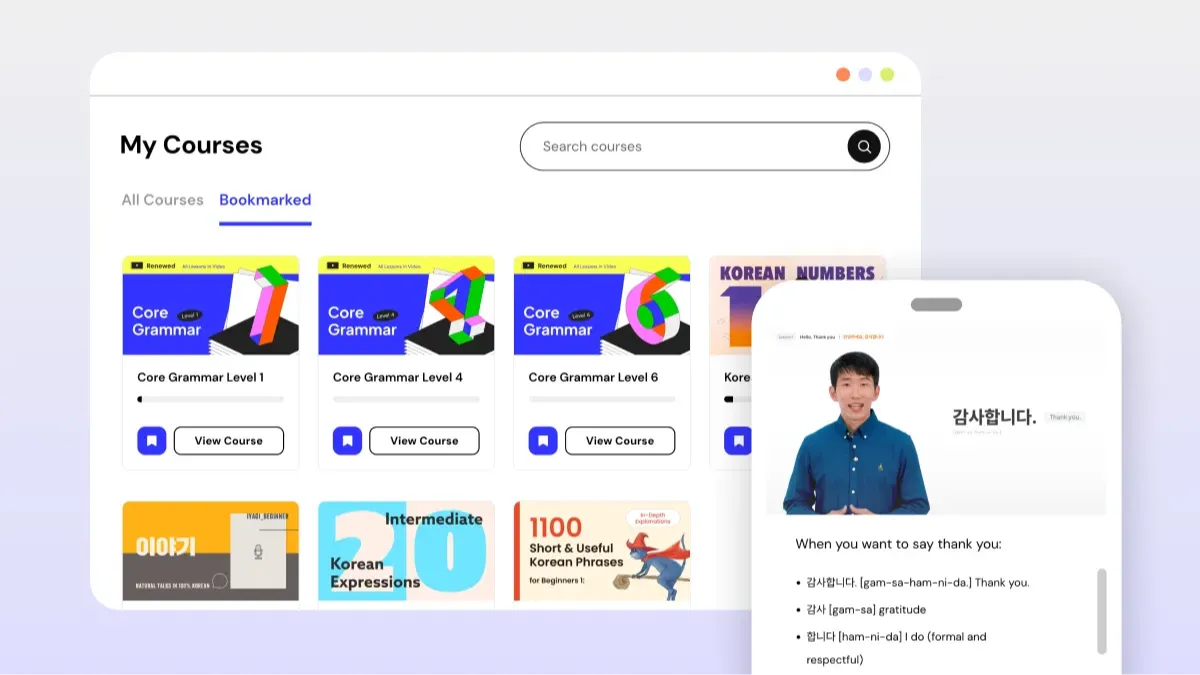
Today, TTMIK operates as a sophisticated digital platform. With over 1,700 structured lessons, mobile and web integration, and a thriving global community, it has moved beyond simple audio lessons. The current model emphasizes a holistic approach, blending independent study with community-driven accountability and high-intensity "Bootcamp" programs.
The Pedagogy of Progression: The TTMIK Lesson System
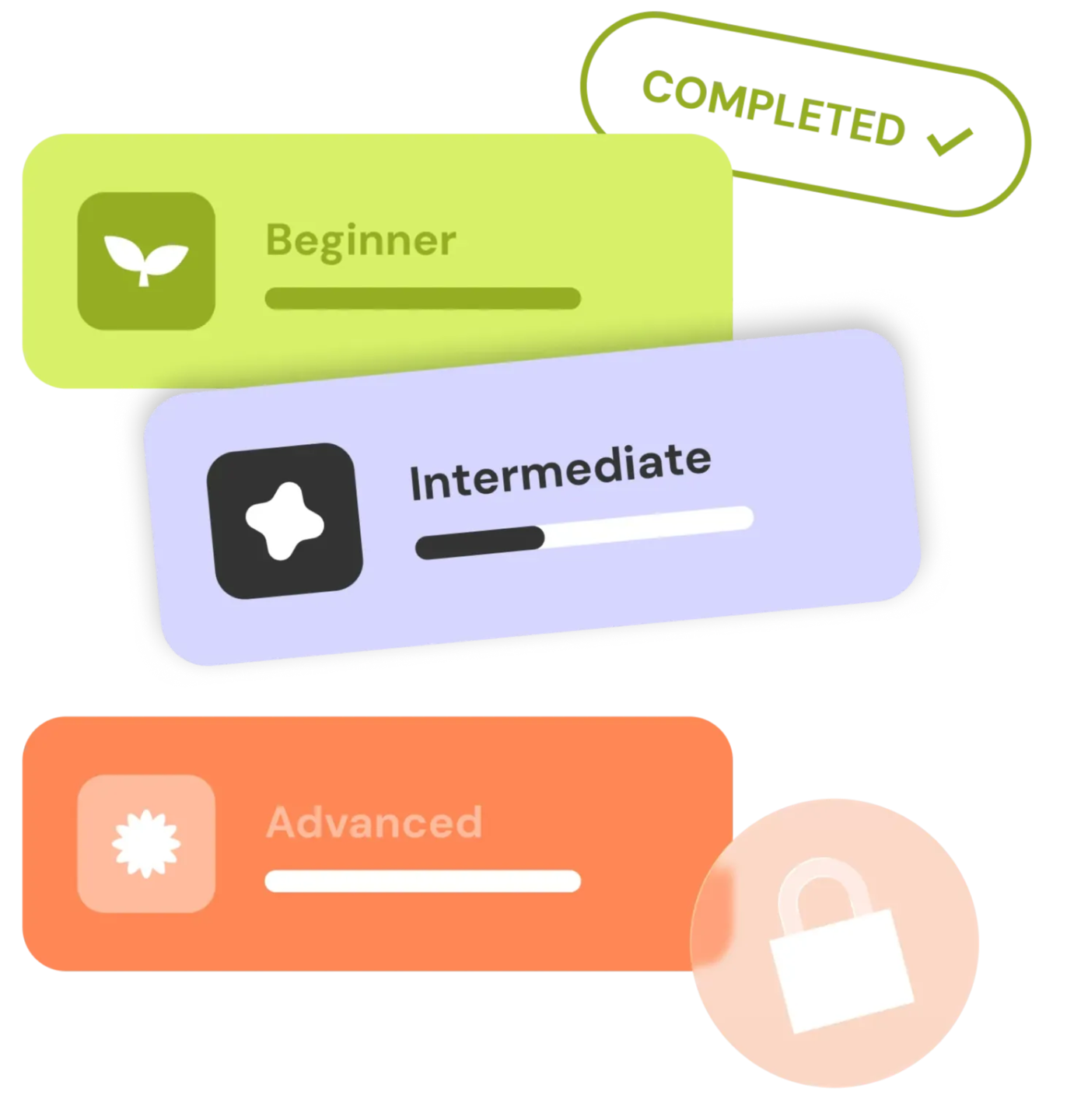
At the heart of the TTMIK methodology is the philosophy that "anyone can learn Korean with the right steps, in the right order." Many learners falter not due to a lack of talent, but due to a lack of structure.
The Four-Step Learning Framework
TTMIK’s success is anchored in a proprietary four-step lesson architecture designed to move knowledge from the short-term memory to long-term practical application:
- Warming Up: Contextualizing the lesson within the learner’s existing knowledge base.
- Learning: Introducing the core concept—whether it be grammar, vocabulary, or honorifics—in a clear, conversational manner.
- Speaking: A critical step often missing in other apps, requiring the learner to vocalize the material immediately.
- Reviewing: Utilizing repetition and exercises to solidify retention.
This cycle ensures that understanding a concept—which is passive—is transformed into the ability to use that concept, which is active. By providing this roadmap, the platform eliminates the "what do I do next?" paralysis that often causes beginners to quit.
Supporting Data: By the Numbers
The efficacy of the TTMIK model is reflected in its longitudinal growth and the scale of its impact. Over 16 years of operation, the platform has generated a vast footprint:
- Global Reach: Over 2,000,000 learners have utilized the platform to pursue their linguistic goals.
- Curriculum Depth: The library now boasts more than 1,700 structured, progressive lessons.
- Media Presence: A YouTube subscriber base of over 2.1 million has served as a real-time focus group, with audience questions and feedback directly shaping the evolution of the lesson plans.
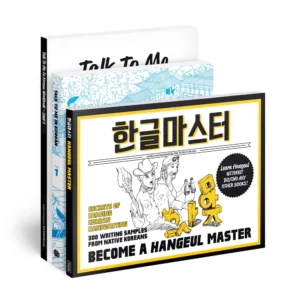
- Publishing Success: The brand has successfully transitioned to print, with 48 published books and over 1 million copies sold worldwide, proving that digital-first learners still value tactile, physical study materials.
A Multifaceted Approach to Fluency
Recognizing that no two learners are alike, TTMIK has diversified its offerings to cater to different psychological and logistical needs.
1. The Course Subscription
This is the foundational pillar of the platform. Designed for the self-starter, the subscription offers unlimited access to the entire repository of 1,700+ lessons. It is the most popular starting point, allowing students to learn at their own pace while adhering to a logical, cumulative order.
2. Bootcamp Programs
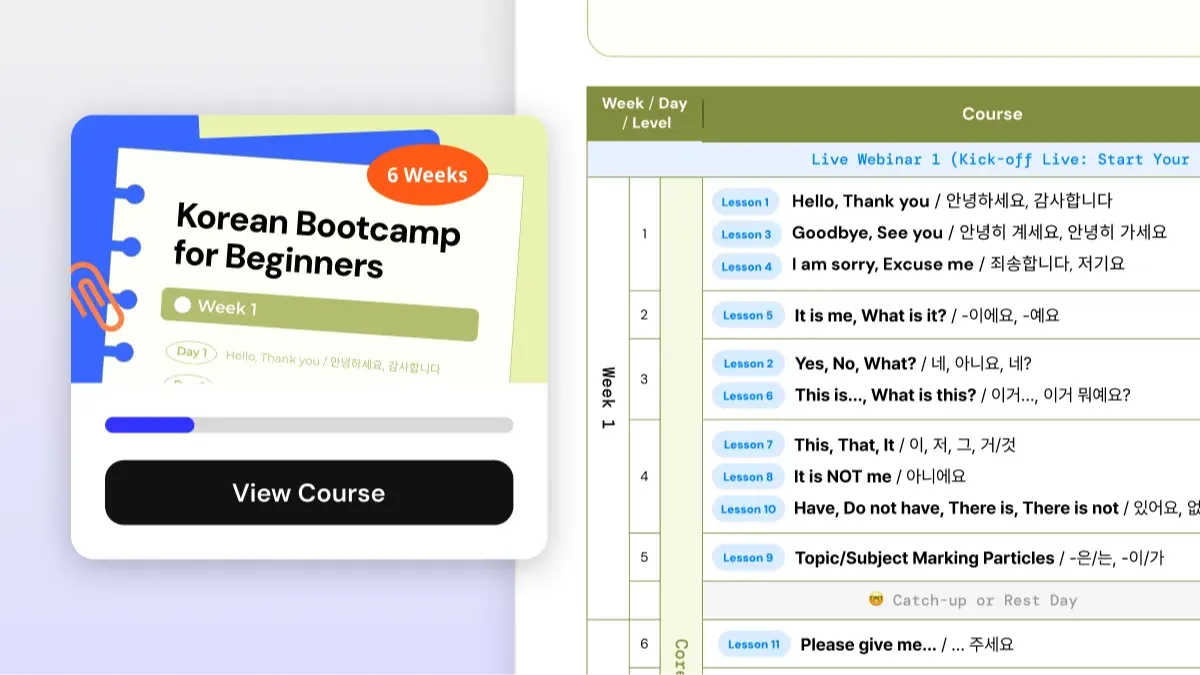
For those who struggle with the inherent loneliness of self-study, the "Bootcamp" model introduces a structured schedule. By imposing "the good kind of pressure," these programs force consistency. Participants benefit from strict deadlines, clear milestones, and a cohort of peers, which has been shown to significantly improve completion rates.
3. The Community Element
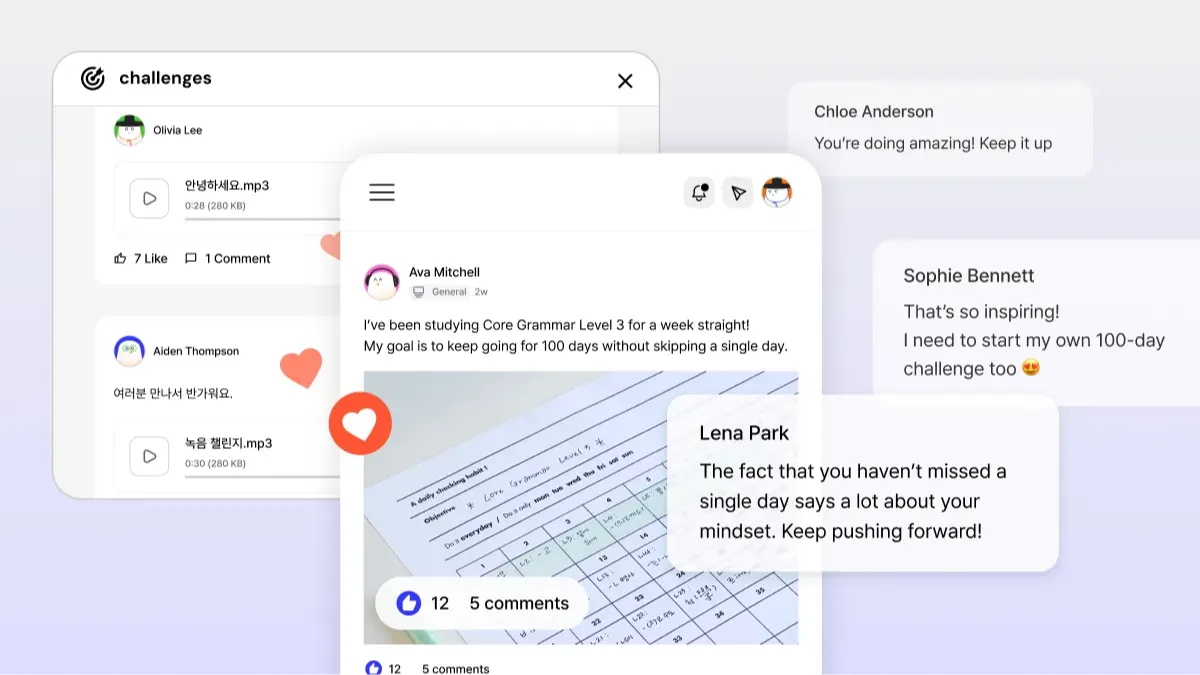
Language is inherently social. TTMIK’s community features allow learners to connect, ask questions, and share the frustrations and triumphs of the process. This social layer mitigates the isolation that typically leads to high dropout rates in language learning.
Addressing the Beginner’s Dilemma
One of the most significant barriers to entry is the anxiety of not knowing where to start. TTMIK addresses this through a diagnostic approach. They provide a 3-minute level test designed to place learners exactly where they need to be, preventing the "wasted time" of repeating material they already know or the discouragement of attempting material that is too advanced.
For those who prefer a birds-eye view, the platform provides a comprehensive "roadmap" PDF, allowing students to visualize their entire journey from the first sentence to natural, native-level conversation.
Implications for the Future of Language Learning
The success of Talk To Me In Korean carries broader implications for the language-learning industry. It highlights a shift away from the "gamified" models—which often prioritize streaks and points over deep grammatical understanding—toward a model of "structured autonomy."
As the world continues to grow more interconnected, the demand for high-quality, accessible language education will only increase. TTMIK’s model suggests that the future of education lies in hybrid ecosystems: platforms that provide the flexibility of digital apps while maintaining the academic integrity of a structured, multi-year curriculum.
Why Learners Trust the System
Trust in education is often built on longevity and transparency. By being in operation since 2009, TTMIK has survived the rise and fall of numerous "quick-fix" language apps. Their commitment to updating content, listening to their user base, and maintaining a clear, non-gimmicky approach has made them a "gold standard" for Korean learners.
Conclusion: Taking the First Step
The path to fluency is not a sprint; it is a cumulative process of small, consistent steps. Whether a learner is a complete beginner looking to decode the Hangul script, or an intermediate student struggling with honorifics, the TTMIK system offers a proven, scalable, and supportive framework.
By offering a 7-day trial and the option to test one’s level, the platform lowers the barrier to entry while respecting the learner’s time. For those serious about mastering Korean, the message is clear: the right steps, taken in the right order, turn the daunting prospect of a foreign language into a series of achievable, rewarding conversations. The question is no longer if one can learn Korean, but rather when they will choose to begin the journey.
 Jia Lissa
  Asep Darmawan
  Layla Zulfa
