
 By Asro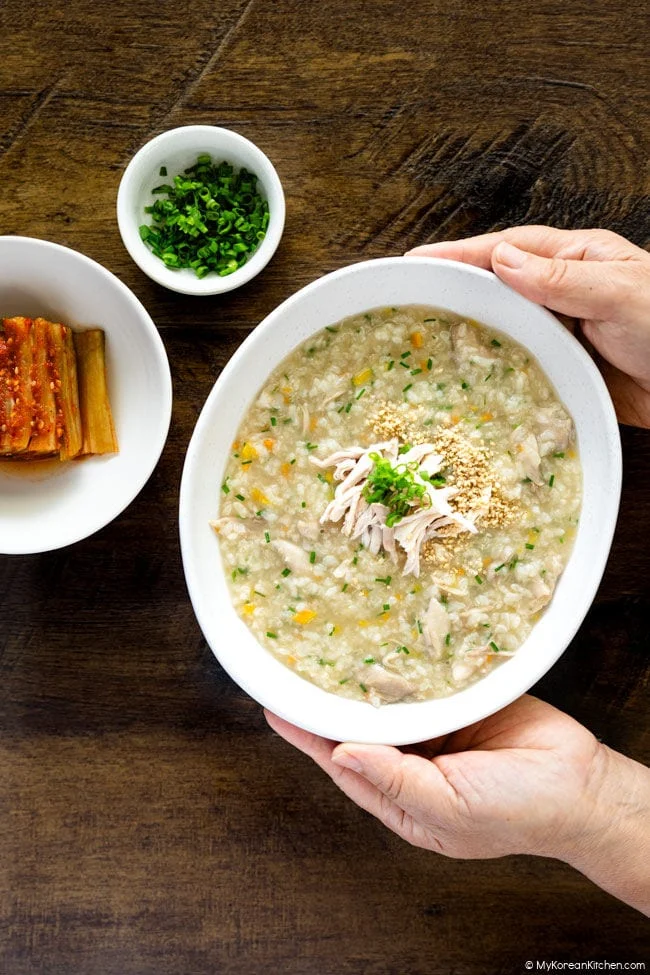
In the expansive landscape of Korean cuisine, few dishes command the same level of reverence as dakjuk. Often categorized simply as a chicken and rice porridge, this dish is far more than the sum of its parts. It is a cornerstone of Korean comfort food, a culinary embrace designed to restore, nourish, and provide warmth during life’s most vulnerable moments. Whether served to a loved one recovering from an illness or enjoyed as a restorative meal on a biting winter evening, dakjuk represents the intersection of traditional medicinal philosophy and home-style culinary craftsmanship.
Main Facts: The Essence of Dakjuk
The term dakjuk is derived from the Korean words "dak" (chicken) and "juk" (rice porridge). Unlike Western-style porridge, which can often be thin or utilitarian, dakjuk is a labor of love that requires patience and specific technique to achieve its signature velvety texture and deep, savory profile.
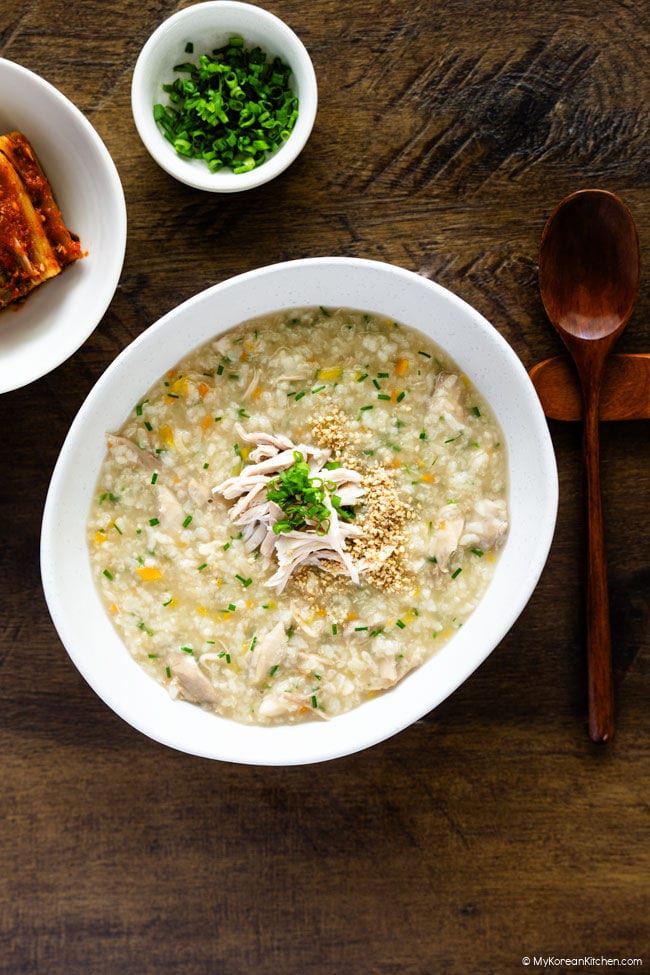
At its core, the dish relies on the slow extraction of flavor from chicken—typically bone-in cuts—and the gradual breakdown of glutinous and short-grain rice. The resulting bowl is a harmonious balance of tender protein, starch, and aromatic broth. While simple in its ingredient list, the dish is highly sensitive to the quality of the stock and the timing of the preparation, making it a masterclass in culinary patience.
Chronology: The Evolution of the Porridge
Historically, juk has been a vital part of the Korean diet for centuries. Historically, rice was a precious commodity, and the practice of cooking it into a porridge allowed households to stretch their grain supply further, ensuring that a small amount of rice could feed a larger family.
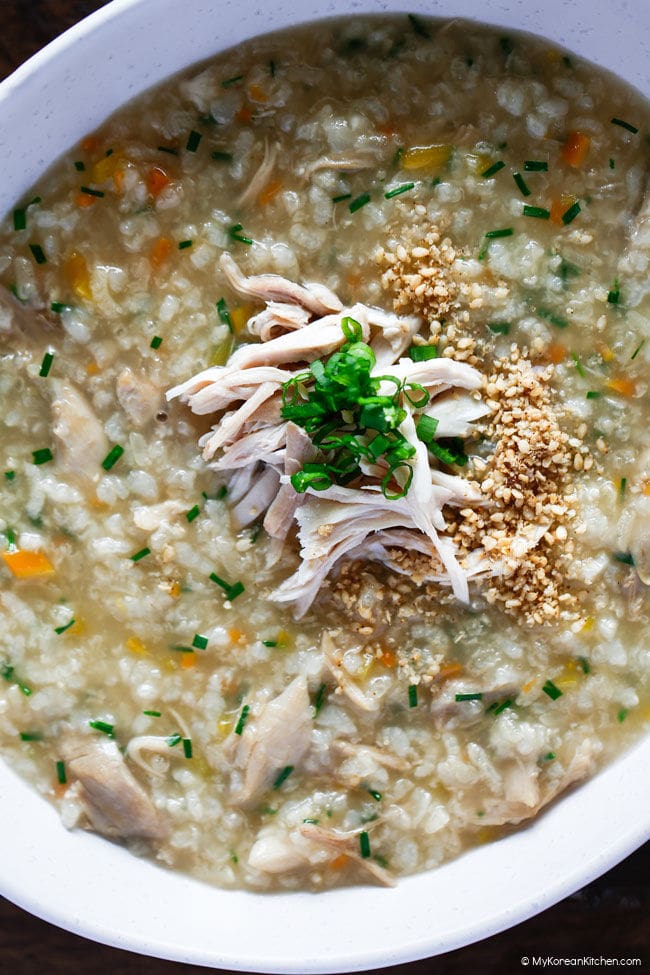
Over the generations, dakjuk evolved from a survival-based meal into a therapeutic one. By the mid-20th century, it became standardized as the go-to "sick-day" meal across South Korea. Modern iterations have refined the process, moving away from purely utilitarian preparation toward a more nuanced, flavor-forward approach. Today, chefs and home cooks alike emphasize the importance of the fond—the base flavors developed through the browning of rice in sesame oil and the prolonged simmering of chicken bones—to create a dish that satisfies the palate as much as it heals the body.
Culinary Methodology: A Precision Approach
The modern preparation of dakjuk is defined by a meticulous, multi-stage process that ensures both the chicken and the rice reach their peak texture.
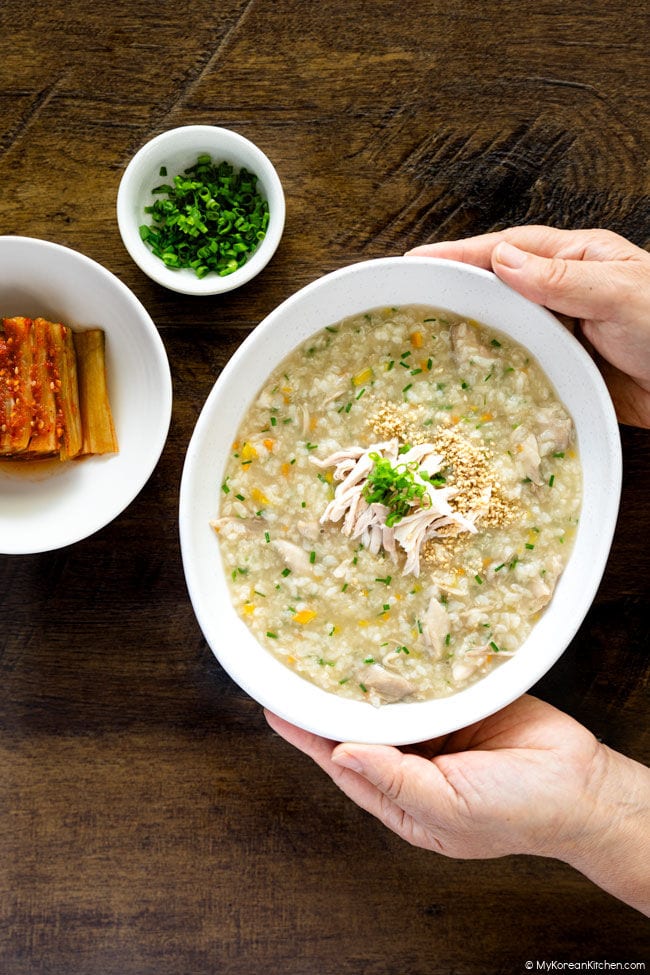
The Preparation of the Base
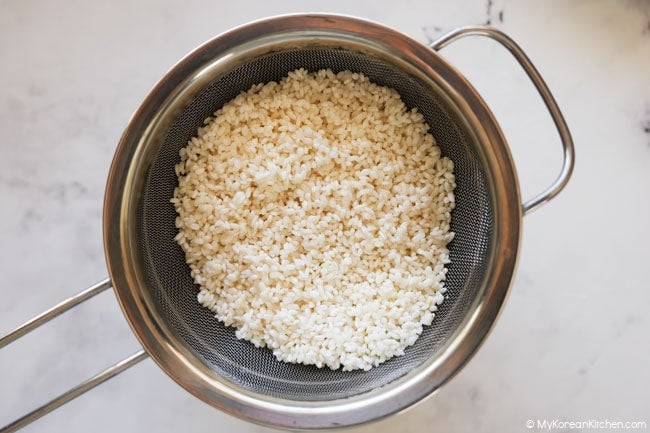
The process begins with the soaking of glutinous and regular rice. This step is critical; soaking the grains for at least one hour ensures they cook evenly and achieve that essential creamy consistency without becoming mushy or losing their structural integrity.
The Two-Stage Chicken Technique
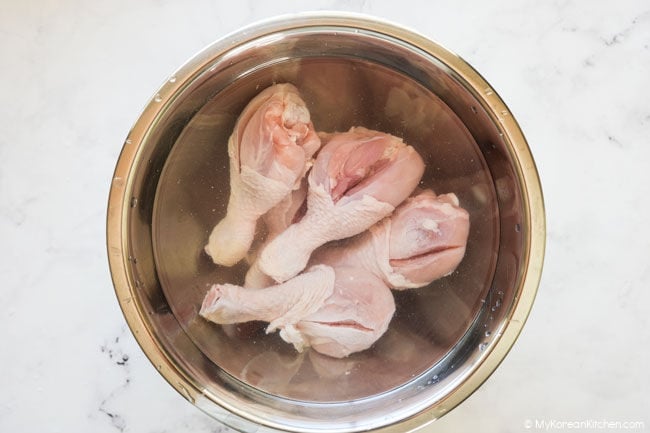
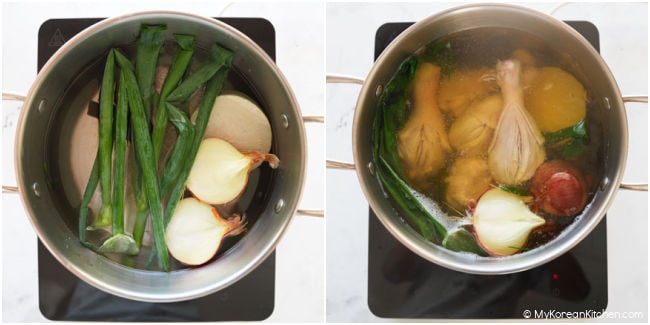
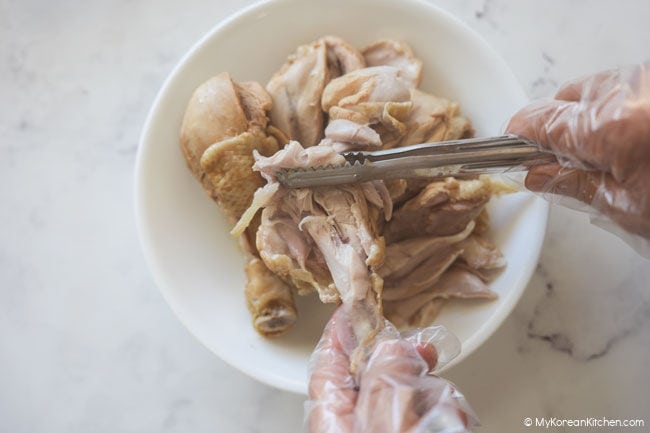
One of the defining characteristics of high-quality dakjuk is the handling of the chicken. A common mistake in less refined recipes is boiling the chicken until it loses its texture. To prevent this, the chicken is removed from the stock after an initial 20-minute simmer. This allows the meat to be shredded while it remains succulent. The bones, however, are returned to the pot to continue simmering. This secondary phase is where the "deeply savory" quality is born; the marrow and connective tissues break down, enriching the broth with collagen and minerals that define the porridge’s mouthfeel.
The Nutty Foundation
A hallmark of professional-grade dakjuk is the brief stir-frying of the drained, soaked rice in sesame oil. This process, known as sautéing the starch, does two things: it imparts a subtle, nutty aroma that permeates the entire dish, and it creates a protective barrier around the rice grains, ensuring they maintain a slight "bite" even after being submerged in liquid for an extended period.
Supporting Data and Nutritional Profile
While dakjuk is celebrated for its restorative properties, it is also a nutritionally balanced meal. A standard serving contains approximately 499 calories, with a protein content of 29 grams, making it an excellent source of sustained energy.
Nutritional Breakdown (Approximate per serving):
- Protein: 29g (derived from lean chicken breast/drumsticks)
- Carbohydrates: 48g (complex starches from the rice blend)
- Fat: 21g (primarily from heart-healthy sesame oil and natural chicken fats)
- Fiber: 4g
- Sodium: 704mg (adjustable based on the use of soup soy sauce and anchovy fish sauce)
The inclusion of garlic chives, carrots, and aromatics like radish and green onions provides a micronutrient boost, including essential Vitamins A and C, as well as iron and calcium, which are vital for immune support.
Expert Perspectives: Why Texture Matters
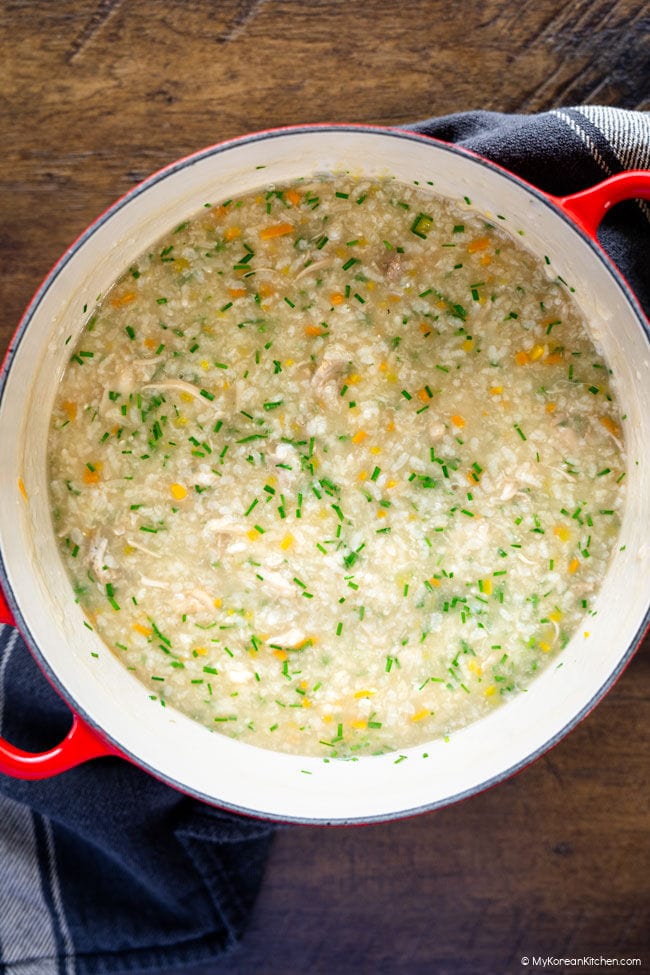
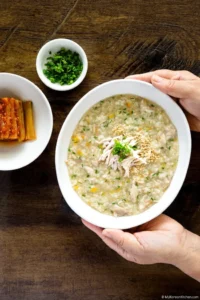
Culinary experts emphasize that the success of dakjuk lies in its consistency. The ideal porridge should be "loose"—it should flow slowly off a spoon rather than clumping like a heavy risotto.
"The porridge continues to evolve as it sits," notes one culinary researcher. "Because rice is a thirsty grain, dakjuk will thicken significantly as it cools. The secret to a perfect experience is keeping a reserve of warm chicken stock on hand. By stirring in a little extra stock before serving, you can return the porridge to that perfect, comforting consistency."
Implications: The Social and Emotional Power of Food
The existence of dakjuk as a cultural staple has profound implications for how food is viewed in Korea. It is rarely a dish cooked for a quick, solitary lunch; it is almost always prepared with the intention of care. Whether it is a mother preparing it for a child, or a partner making it for a spouse, the time-intensive nature of the recipe serves as a tangible expression of love and concern.
Furthermore, dakjuk is a testament to the Korean philosophy of "food as medicine." The ingredients are chosen not just for taste, but for their ability to settle the stomach and provide warmth. In a fast-paced, modern society, the act of standing over a pot for nearly an hour, skimming fat, shredding meat, and slowly stirring rice, acts as a meditative practice that prioritizes human connection over mere convenience.
Conclusion: A Timeless Classic
Dakjuk remains a vital component of the Korean culinary canon because it refuses to be rushed. It requires an understanding of the relationship between ingredients—how sesame oil transforms rice, how bones transform water into liquid gold, and how time transforms simple grains into a comforting, nourishing meal.
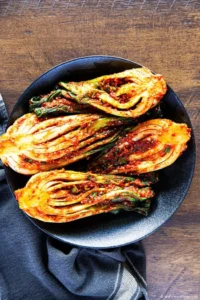
As you embark on your own dakjuk journey, remember that the recipe is a framework. The true success of the dish is found in the care you take during the simmering process and the intention you bring to the table. When served with a side of sharp, fermented kimchi or cold, refreshing dongchimi, it creates a balanced sensory experience that is as relevant today as it was centuries ago. For those seeking a meal that warms the soul as much as the body, there is simply no substitute for the humble, savory elegance of dakjuk.
 Raul Delapena Setiawan
  Asep Darmawan
  Nana Wu
