
 By Nana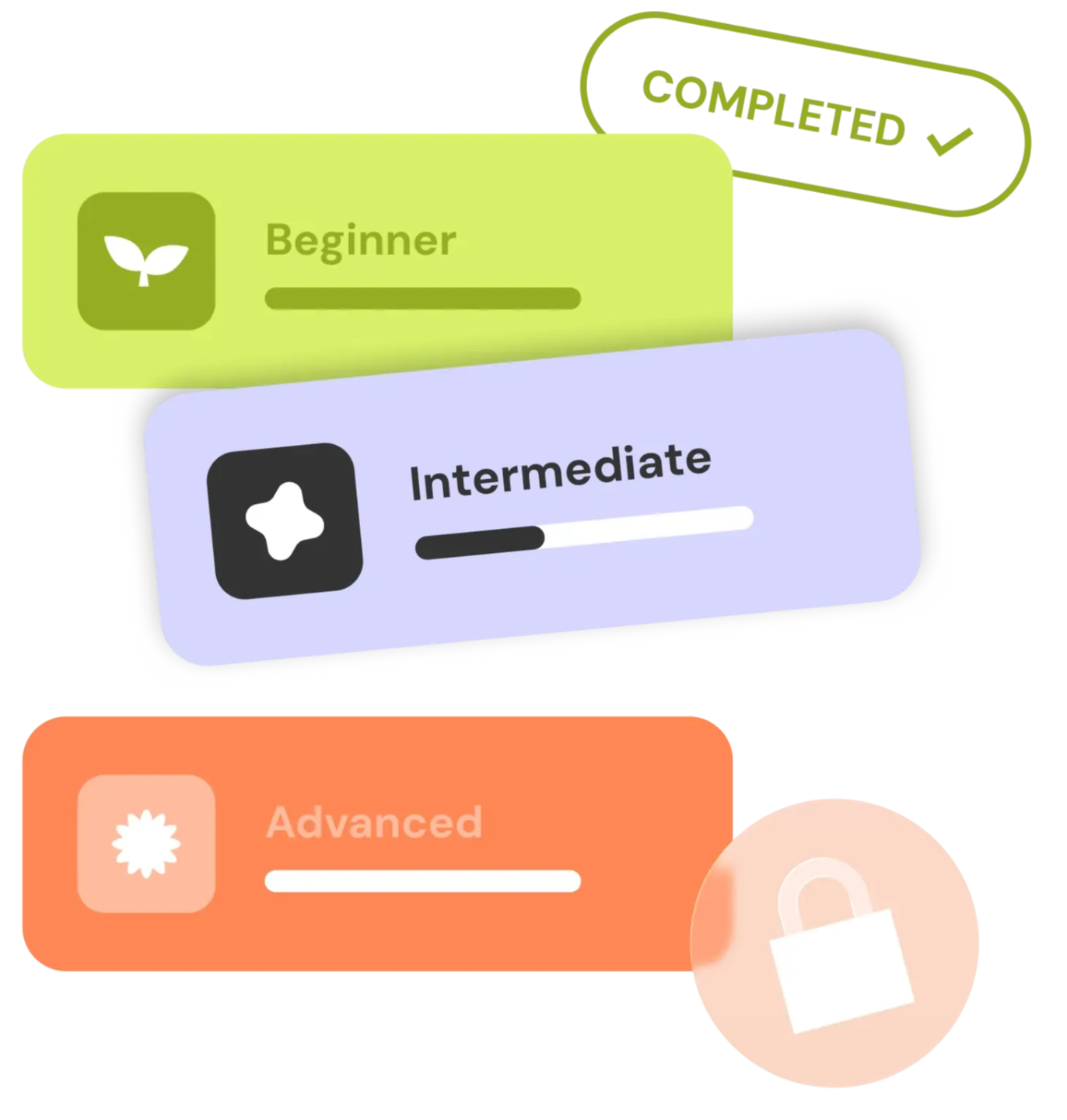
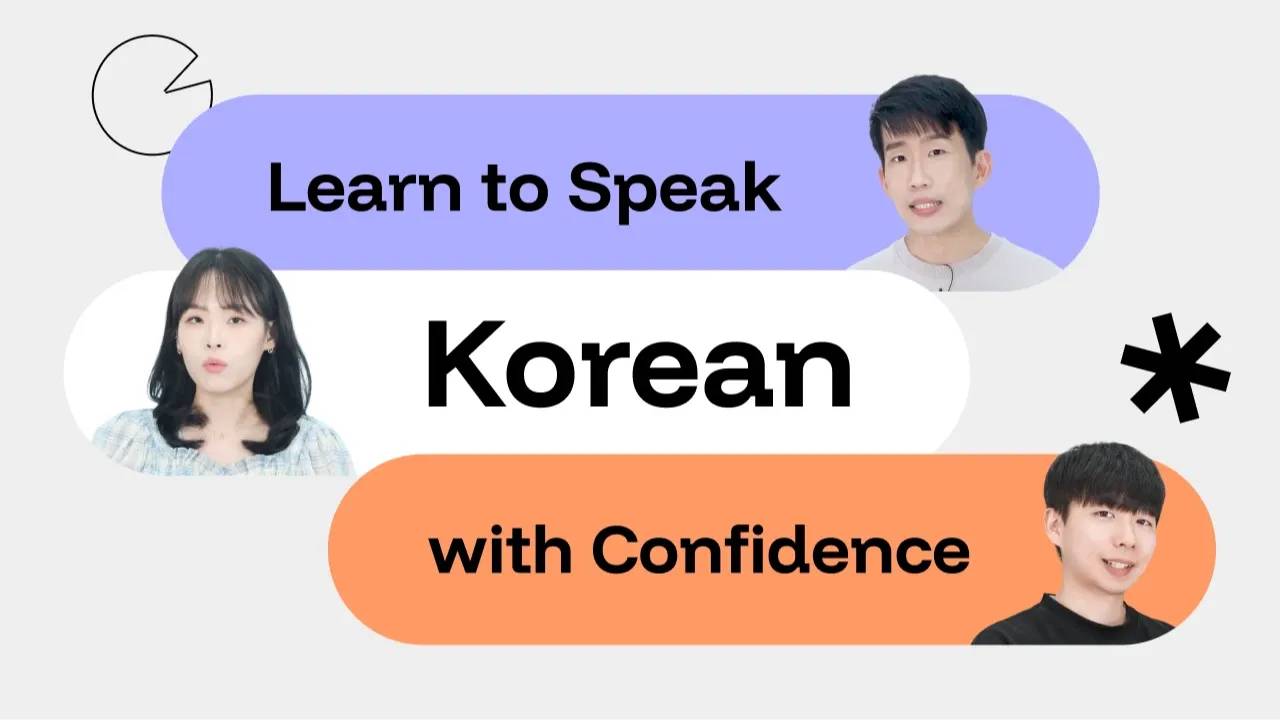
In the digital age, where language-learning applications often prioritize gamification over grammatical substance, Talk To Me In Korean (TTMIK) has emerged as a beacon for serious students of the Korean language. With over 16 years of experience and a user base exceeding two million learners worldwide, the platform has transcended the typical "app" experience, positioning itself as a comprehensive pedagogical ecosystem. By focusing on the structural logic of the Korean language, TTMIK has successfully bridged the gap between casual interest and functional fluency.
The Foundation: A Legacy Built on Clarity
Since its inception in 2009, Talk To Me In Korean has been defined by a simple, yet revolutionary, philosophy: anyone can master Korean if they follow the right steps in the right order. In an era where many learners felt overwhelmed by the complex syntax and honorifics inherent in the Korean language, TTMIK provided a roadmap.
The platform’s methodology is rooted in the belief that "understanding" a concept is vastly different from the ability to "utilize" it in real-time conversation. To address this, the team developed a signature four-step lesson system—warm-up, learn, speak, and review—designed to transition students from passive listening to active production. This systematic approach ensures that learners are not merely memorizing vocabulary lists, but are instead building a robust internal framework for the language.
A Chronology of Growth: 16 Years of Pedagogy
The journey of TTMIK began long before the current saturation of AI-driven language tools. It started as a grassroots initiative to demystify Korean for a burgeoning global audience, driven by the increasing cultural export of Korean media, music, and cinema.
- 2009–2012: The Formative Years. The platform established its core curriculum, focusing on audio-based lessons that allowed learners to mimic natural pronunciation and intonation.
- 2013–2018: Expansion and Diversification. Recognizing that learners have different needs, TTMIK expanded beyond its initial podcast-style lessons. They began publishing high-quality textbooks, which have since become the industry standard for self-learners. During this period, the brand surpassed one million learners and cemented its presence on YouTube, where they addressed specific, high-frequency learner questions.
- 2019–2024: The Digital Transformation. As the demand for structured learning grew, the company pivoted to a robust digital subscription model. This era saw the introduction of interactive courses, community-based learning, and specialized "bootcamp" programs designed to provide the accountability that solo learners often lack.
- Present Day: With over 1,700 structured lessons, 48 published books, and a massive international footprint, TTMIK has evolved from a niche podcast into a comprehensive educational institution that caters to learners of every level, from absolute beginners to advanced speakers.
Data-Driven Learning: The Metrics of Success
The effectiveness of the TTMIK method is best illustrated through its impressive operational data. The platform’s success is not accidental but the result of two million unique learner journeys.
Key Performance Indicators (KPIs)
- Content Depth: The library now boasts over 1,700 distinct, structured lessons. This is not a collection of random topics but a carefully sequenced progression built over more than a decade.
- Global Reach: Over two million learners have utilized the platform. This widespread adoption suggests that the pedagogical model is culturally agnostic and adaptable to various native languages.
- Community Engagement: With more than 2.1 million subscribers on their YouTube channel alone, the platform has created a feedback loop where the learners’ most pressing questions directly shape future curriculum updates.
- Physical Presence: The publication of 48 books, with over one million copies sold worldwide, serves as a testament to the fact that while digital learning is convenient, learners still value the tactile, structured nature of physical textbooks.
Official Perspective: The "Right Steps" Philosophy
In interviews, the architects behind TTMIK consistently emphasize that the greatest barrier to learning Korean is not the difficulty of the language, but the lack of a clear, sequential path.
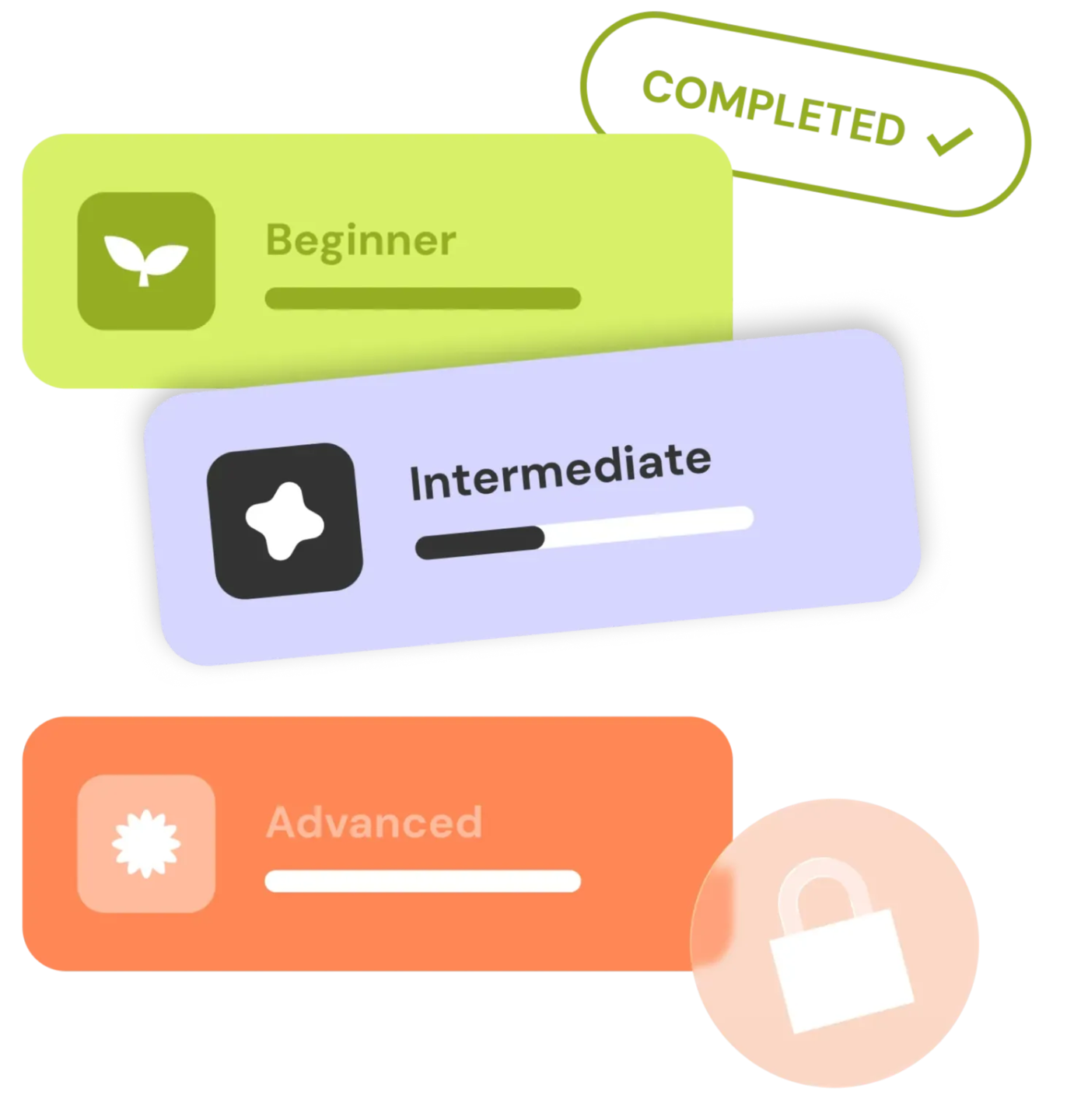
"The problem isn’t that Korean is too hard," a representative noted, "it is that most people approach it without a map." By offering a 3-minute level test, the platform eliminates the "guesswork" that often leads to learner burnout. Whether a student is a complete novice or an intermediate learner looking to bridge gaps in their knowledge, the curriculum provides a clear "next step."
This focus on the "next step" is central to their current strategy. Instead of leaving students to decide what to study next, the TTMIK system guides them through a process that balances the four core language skills: reading, writing, listening, and speaking. By removing the decision fatigue that plagues self-study, the platform allows the learner to focus entirely on acquisition.
The Ecosystem of Learning: Courses, Bootcamps, and Community
One of the most significant shifts in TTMIK’s recent history is the recognition that "one size does not fit all." The modern learner often requires a blend of autonomy and structure.
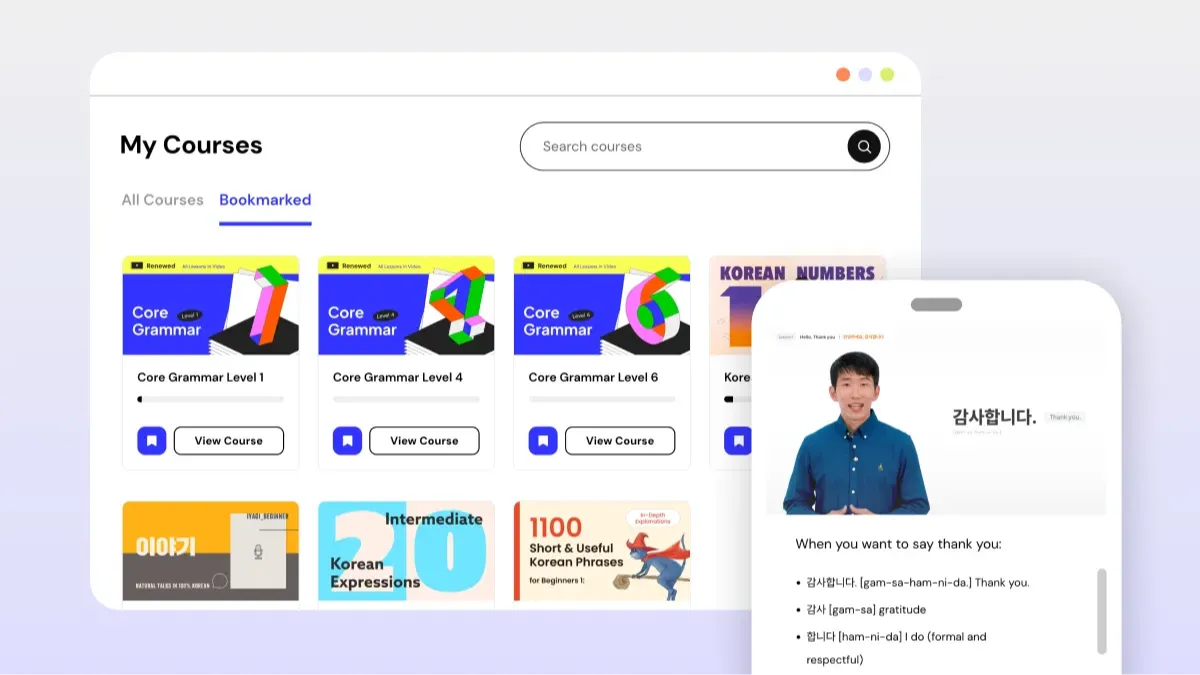
The Course Subscription
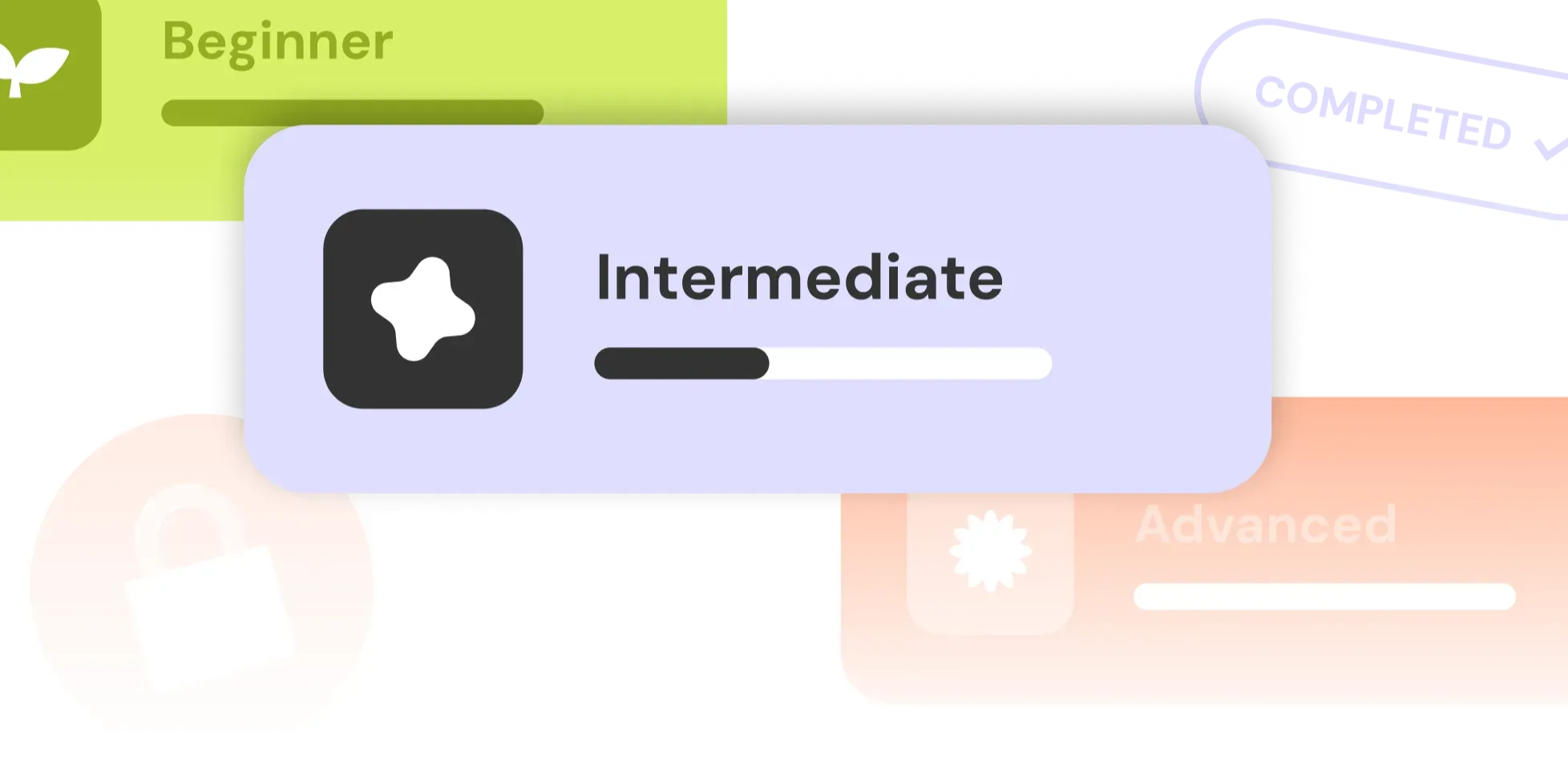
The foundational tier provides access to the entire 1,700-lesson library. It is designed for those who value flexibility, allowing students to learn at their own pace, on both web and mobile platforms.
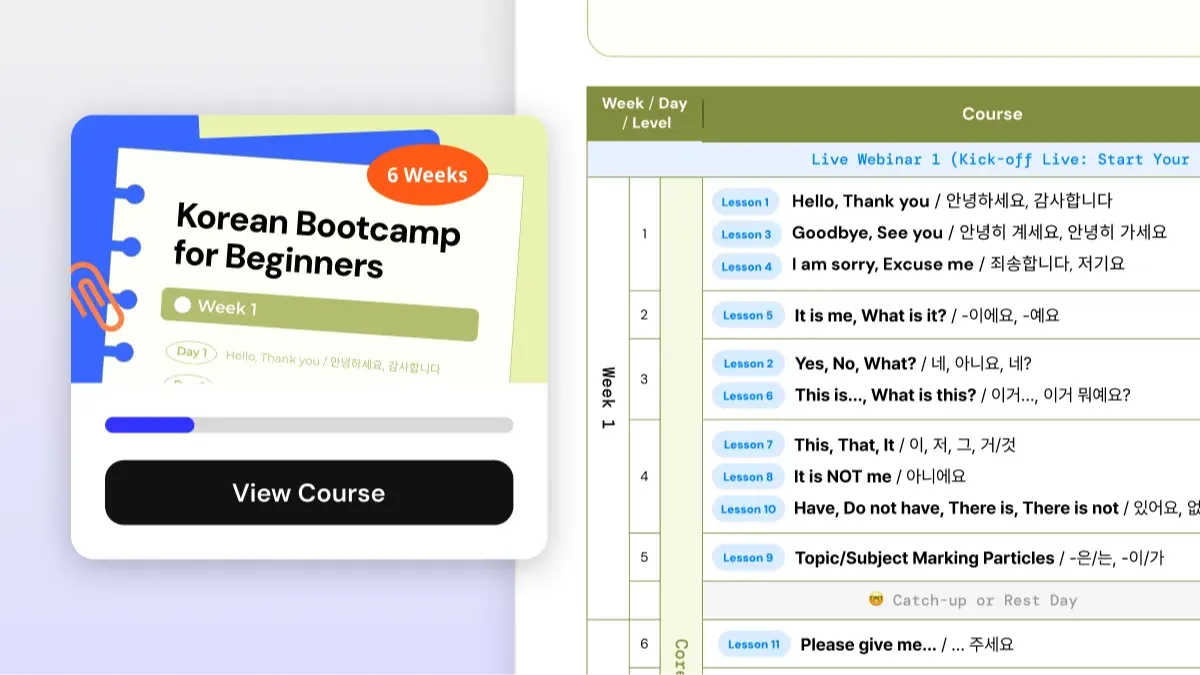
The Bootcamp Programs
For those who struggle with the "lonely" aspect of self-study, the bootcamp programs introduce a layer of professional oversight. These programs utilize a cohort-based structure, offering a schedule and a level of accountability that motivates students to maintain consistency—what the team calls "the good kind of pressure."
The Community Component
Recognizing that language is inherently social, the platform has invested heavily in community-building. Providing a space where learners can interact, ask questions, and share their progress creates a social support system that keeps retention rates high. As many students have reported, the realization that they are not alone in their struggle is often the tipping point for long-term success.
Implications for the Language Learning Industry
The success of Talk To Me In Korean carries significant implications for the broader EdTech industry. It proves that there is a high-value market for "deep learning" products. While the market is flooded with "flashcard-style" apps that emphasize quick, gamified rewards, TTMIK’s growth trajectory shows that a significant segment of the population is looking for more than just a dopamine hit. They are looking for genuine proficiency.
Furthermore, the integration of traditional physical publishing with digital courseware creates a "phygital" learning experience that caters to different cognitive preferences. By maintaining a high standard of editorial quality—honed over 16 years—the platform has successfully built a moat around its brand that is difficult for generic, algorithm-driven apps to cross.
Conclusion: Starting the Journey
As the platform looks toward the future, its mission remains remarkably consistent: to make the Korean language accessible through logic, structure, and community. For the prospective learner, the entry point is simple. Whether it is through a single free lesson, a placement test to determine one’s starting point, or a full subscription, the path to fluency is now more clearly marked than ever before.
In an age where everything is fleeting, Talk To Me In Korean stands as a testament to the value of a long-term, step-by-step approach to education. By focusing on the learner’s ultimate goal—the ability to hold a real, natural conversation in Korean—the platform continues to set the benchmark for what language learning can, and should, look like.
For those who have been hesitant to begin, or those who have been stuck in a plateau, the data is clear: the first real conversation in Korean is closer than one might think. The only remaining step is to start with the first lesson and see how it feels. After all, with 16 years of experience behind them, they have already done the heavy lifting of mapping the path—the only thing left is for the student to walk it.



 Jia Lissa
  Asep Darmawan
  Layla Zulfa
