
 By Lina Irawan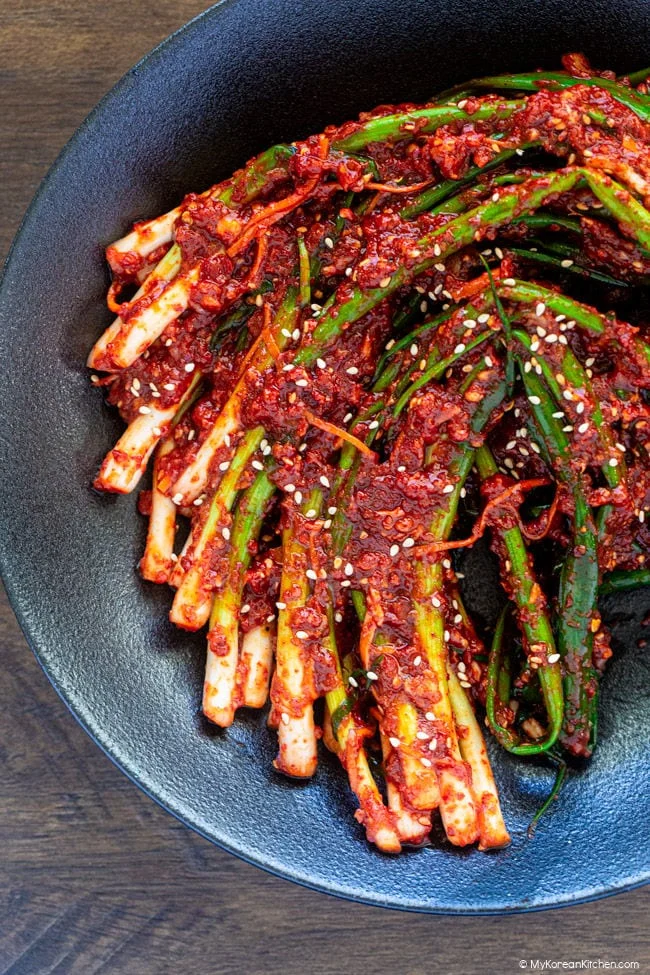
Pa kimchi, a vibrant and pungent variety of Korean kimchi, stands as a testament to the transformative power of fermentation. Unlike the ubiquity of napa cabbage kimchi, which often acts as a foundational staple, pa kimchi—made from fresh green onions or scallions—is a bold, unapologetic celebration of flavor. Characterized by its sharp, spicy, and deeply umami-rich profile, this dish has transitioned from a humble regional side dish to a culinary centerpiece favored by home cooks and gourmet chefs alike.
For many, the initial encounter with pa kimchi can be intense. The raw, assertive bite of green onions, softened and transformed by a robust seasoning paste, creates a sensory experience that is both complex and deeply satisfying. This article explores the nuances of crafting this traditional dish, the history behind its evolution, and the technical precision required to master its fermentation.
Main Facts: The Essence of Pa Kimchi
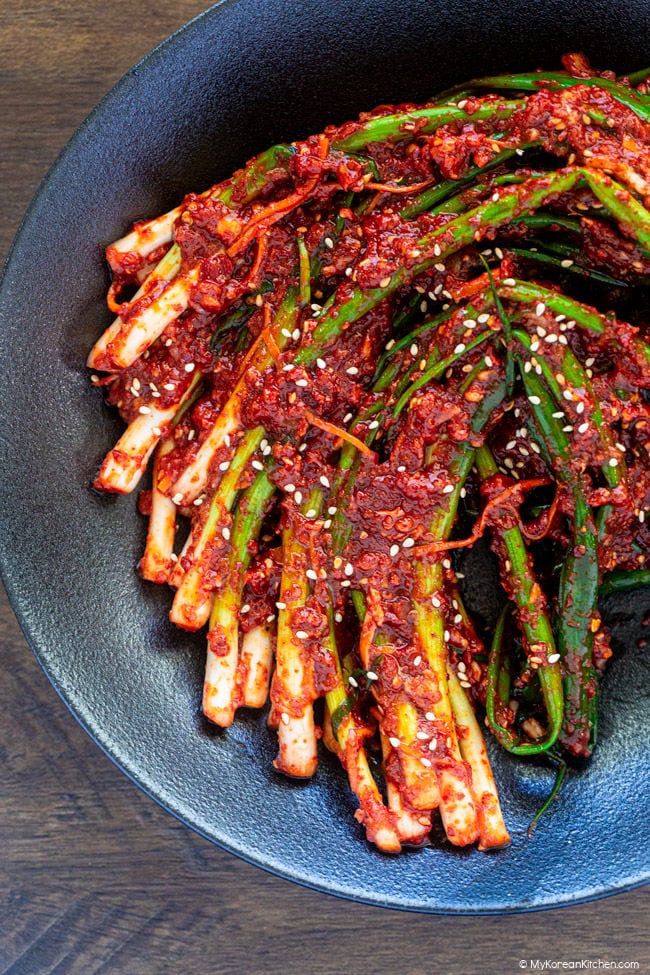
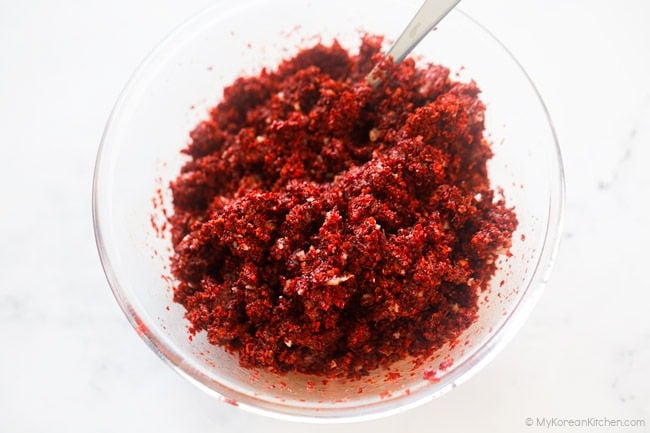
At its core, pa kimchi is a preservation technique. By coating tender green onions in a paste comprised of gochugaru (Korean chili flakes), fermented fish sauce, garlic, and aromatics, the fibrous vegetable undergoes a lactic acid fermentation process. This not only preserves the scallions but also mellows their natural sharpness, replacing it with a complex tang.
The primary ingredients include:
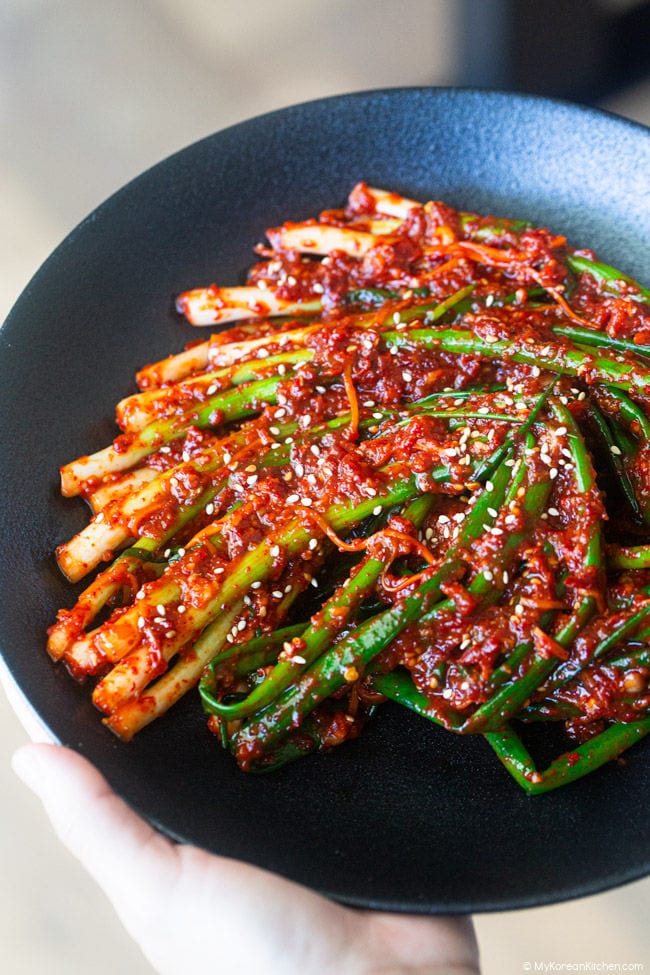
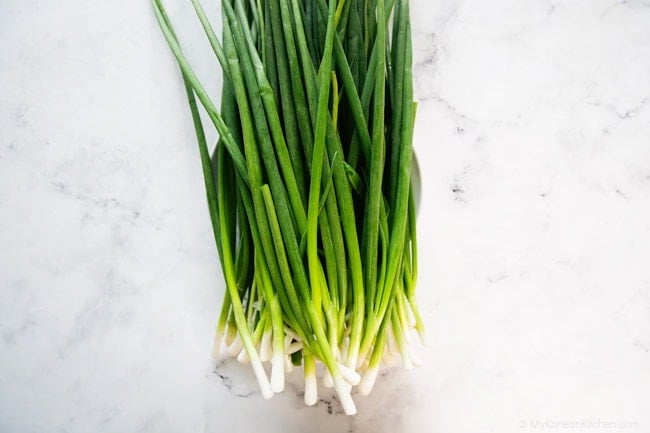
- Green Onions (Jjokpa/Silpa): The foundational element. Younger, thinner varieties are preferred for their tenderness and ability to absorb seasoning.
- Gochugaru: The source of the kimchi’s signature heat and vibrant red hue.
- Fermented Seafood: Typically anchovy fish sauce or saeujeot (salted fermented shrimp), which provides the essential depth of umami.
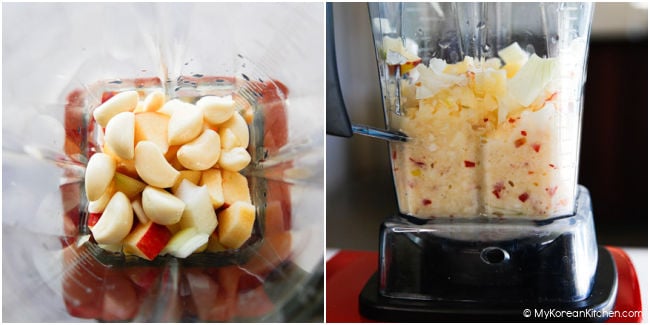
- Aromatic Base: A slurry of apple, onion, garlic, and ginger, which acts as the fuel for the beneficial bacteria responsible for fermentation.
- Flour Paste: A cooked mixture of flour and water that serves as a thickening agent, ensuring the seasoning adheres to the onions while providing a substrate for bacterial growth.
Chronology: From Regional Staple to Modern Table
The roots of pa kimchi are deeply embedded in the Jeolla province of South Korea—a region historically celebrated for its bold, well-seasoned culinary traditions. For generations, families living in these regions relied on the abundance of scallions to supplement their diet.
Initially, pa kimchi was not a universal favorite. Many younger generations, accustomed to the crunch of radish kimchi or the mildness of white kimchi, found the aromatic intensity of green onions overwhelming. However, a cultural shift occurred as the pairing of pa kimchi with heavy, savory foods—such as samgyeopsal (pork belly) and jajangmyeon (black bean noodles)—gained popularity.
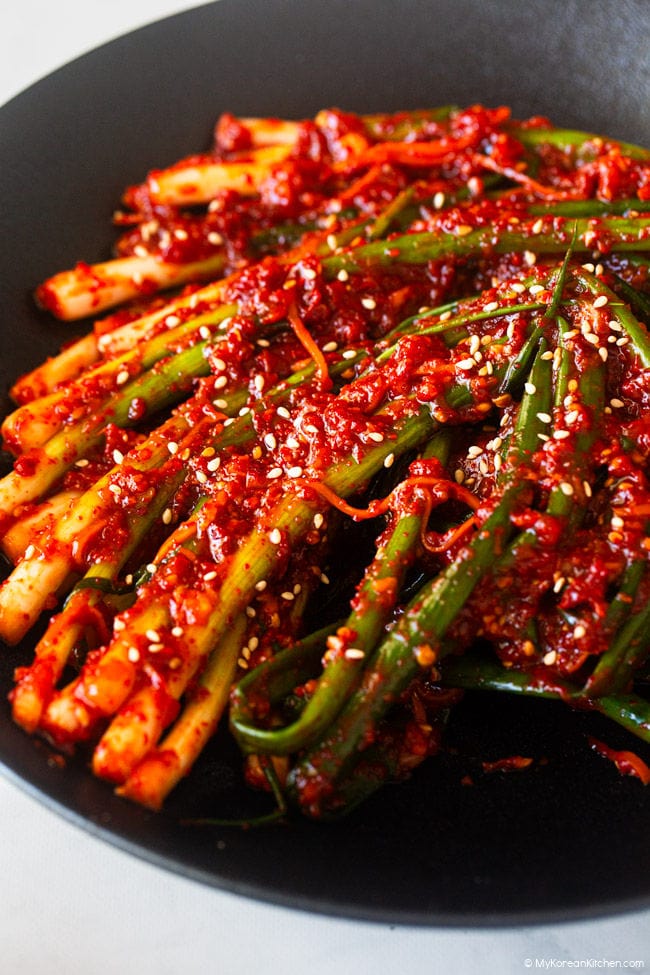
The acidity and sharp spice of the fermented green onions act as a palate cleanser, effectively cutting through the high fat content of pork belly. This culinary synergy propelled pa kimchi into the national spotlight, turning it from a niche regional preparation into a highly sought-after delicacy that, according to some aficionados, is only truly perfected by those who follow traditional family recipes.
Supporting Data: The Science of Fermentation
The success of a batch of pa kimchi relies on specific technical variables. Unlike cabbage, which is often brined for extended periods to draw out water, green onions require a more delicate approach.
The Pre-Seasoning Technique
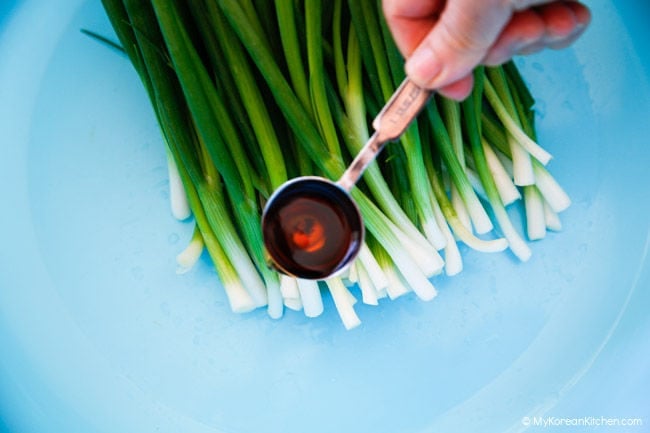
Instead of a heavy salt bath, modern practitioners utilize "pre-seasoning." By drizzling fish sauce over the white, fibrous parts of the green onions, the cook encourages the vegetable to absorb salinity and flavor from within. This method maintains the structural integrity of the scallion, preventing it from becoming overly limp or mushy.
The Role of the Flour Paste
The inclusion of a starch-based paste (made from flour and water) is a critical step. This paste provides a readily available source of carbohydrates for Lactobacillus bacteria. As these bacteria consume the starches, they produce lactic acid, which drops the pH of the mixture, inhibiting the growth of spoilage-causing organisms and creating the signature "tang" associated with well-aged kimchi.
Ingredient Interactions
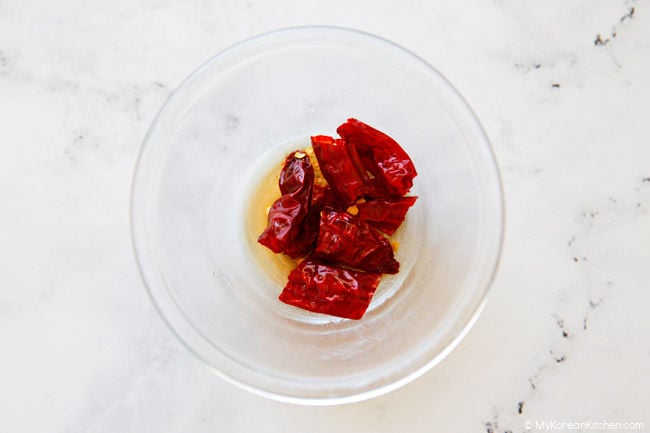
The choice of sweetener is also a subject of debate among experts. While corn syrup is often used for its gloss and viscosity, traditional Korean plum extract is preferred by purists. The acidity in the plum extract mimics the natural aging process, providing a fruity, balanced note that counteracts the potential bitterness of the chili and the saltiness of the fish sauce.
Official Perspectives and Expert Methodology
Expert practitioners emphasize that the handling of the green onions is where most novice cooks fail. Because scallions are delicate, they should never be "massaged" or "rubbed" like cabbage. Instead, the technique involves a gentle folding motion—lifting the onions and coating them in the seasoning paste. This prevents the bruising of the delicate cell walls, which would otherwise lead to a bitter, overly mushy final product.
Furthermore, the timing of the consumption is crucial. While pa kimchi is edible from day two, the flavor profile is dynamic. Experts note:
- Fresh (Days 1–3): Sharp, spicy, and crisp. Ideal for those who enjoy the raw essence of the onion.
- Developing (Days 4–10): The flavors begin to integrate; the umami from the fish sauce becomes more pronounced.
- Fully Fermented (2+ Weeks): The texture softens, and the tang becomes dominant. This stage is widely considered the peak for pairing with heavy noodle dishes or fatty meats.
Implications: The Future of Homemade Kimchi
The resurgence of pa kimchi reflects a broader movement toward home-based fermentation. As more individuals seek to understand the origins of their food and the benefits of probiotics, the act of making kimchi has moved from a chore to a celebrated hobby.
The implications for the home cook are clear: with a few high-quality ingredients and a commitment to the process, one can elevate a simple meal into a restaurant-quality experience. The ability to customize the heat level by choosing specific dried chilies—or adjusting the sweetness via plum extract—allows for a level of culinary personalization that store-bought versions cannot replicate.
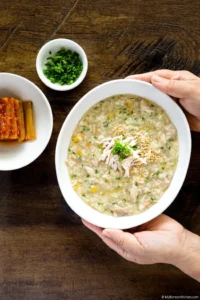
Moreover, the versatility of pa kimchi suggests it will remain a staple in modern kitchens. Whether used as a garnish for congee, a side for grilled proteins, or a bold addition to stir-fries, its role is solidified by its ability to balance and enhance the flavors of almost any dish.
Conclusion: Embracing the Bold
Pa kimchi is not merely a condiment; it is a labor of love that rewards patience. By moving past the initial hesitation caused by its bold aroma and embracing the nuanced, complex fermentation that follows, the cook gains access to a cornerstone of Korean culinary heritage. As you embark on your own journey with this recipe, remember that the secret lies in the quality of your scallions, the gentleness of your technique, and the time you allow for the flavors to harmonize. In the world of fermentation, time is the ultimate ingredient.

 Layla Zulfa
  Asro
Asro  Laily UPN
