
 By Layla Zulfa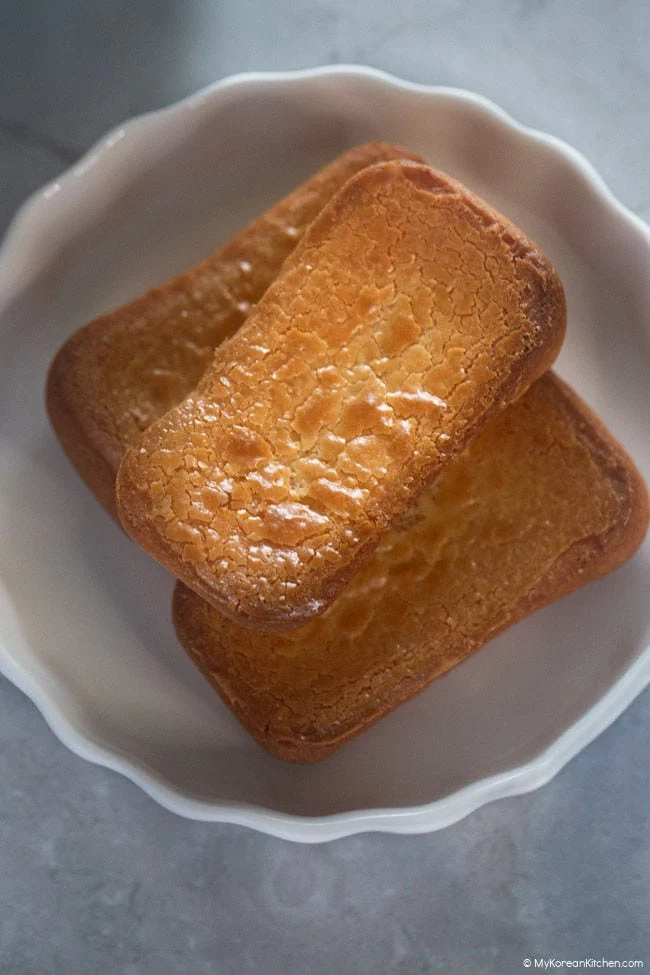
In the landscape of global gastronomy, few items bridge the gap between tradition and modern indulgence as effectively as the rice cake. While the classic Korean tteok—steamed, chewy, and often savory—has been a staple of the peninsula for centuries, a new wave of fusion innovation is taking center stage in bakeries from Seoul to Shanghai. Enter the "Butter Tteok," a decadent, baked evolution that is challenging the status quo of what a rice cake can be.
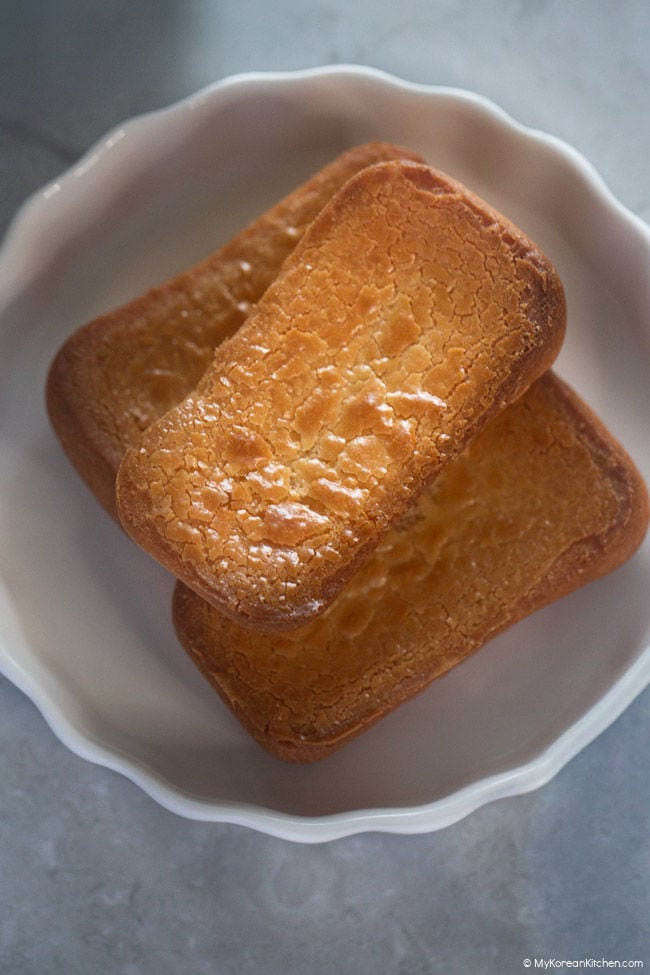
With its signature golden-brown exterior and a soft, resilient interior that leans into the indulgence of French-inspired pastry, this modern treat has moved beyond the specialty rice cake shop and into the mainstream spotlight. It is a confection that satisfies both the craving for a chewy texture and the desire for a buttery, baked dessert, making it the perfect companion for a midday espresso or a traditional tea service.
Main Facts: The Anatomy of a Modern Delight
Butter Tteok is essentially a hybrid pastry. Unlike traditional tteok, which is predominantly prepared through steam-based cooking methods to achieve a soft, gummy texture, Butter Tteok is baked. This distinction is critical; it transforms the humble rice flour base into something with the structure of a financier or a dense, chewy blondie.
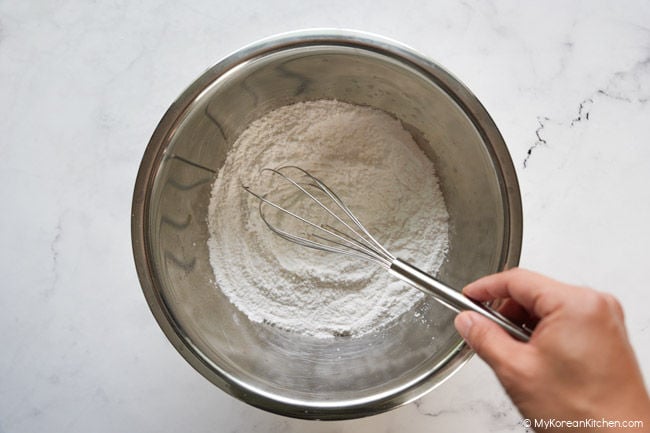
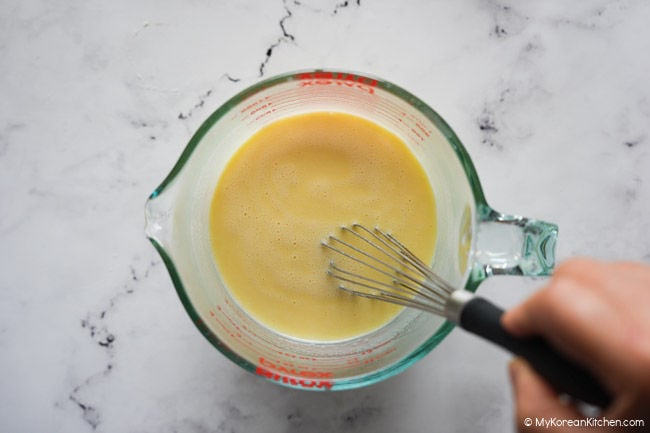
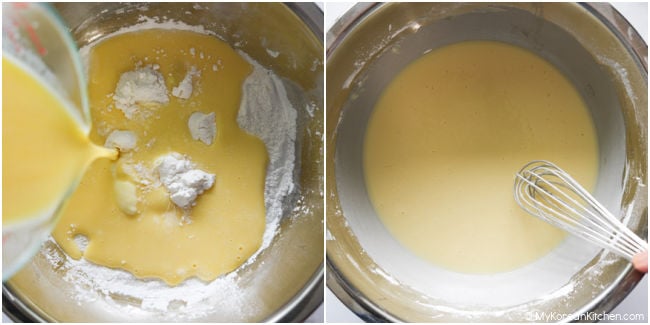
The primary ingredients include glutinous rice flour, which provides the characteristic chew, combined with high-quality butter, milk, and eggs to create a custard-like batter. When baked, the interaction between the fats and the high-starch rice flour creates a crisp, biscuit-like crust that crackles slightly upon the first bite, revealing a dense, elastic core that holds its shape while remaining tender.
Recent culinary shifts suggest that while the dish has found its current fame in Korean bakeries, its genetic roots are diverse. Culinary historians and food bloggers have noted parallels to "butter mochi," a popular dessert in Hawaii with Japanese roots, and similar baked rice cakes originating in Shanghai. This cross-cultural lineage highlights a growing trend of "Asian-fusion baking," where the textures inherent to Asian desserts—specifically the chewiness of glutinous rice—are being adapted to Western baking formats.
Chronology: From Regional Curiosity to Viral Sensation
The trajectory of the Butter Tteok is a fascinating study in modern food culture. While rice cakes have existed for thousands of years, the "baked" variation gained significant traction in the mid-2010s within the competitive environment of Seoul’s artisanal bakery scene.
- Early Development (2015–2018): Small, independent rice cake shops began experimenting with baking as a way to extend the shelf life of their products and appeal to a younger demographic. By incorporating butter and eggs, they created a product that tasted fresher for longer.
- The Shanghai Connection: Reports indicate that similar techniques were surfacing in East Asian urban hubs, where home bakers experimented with "Shanghai-style" baked rice cakes. These variations often leaned into the buttery profile that is now synonymous with the dish.
- The "Bakery-Style" Pivot (2020–2023): As social media platforms like Instagram and TikTok began to prioritize visually striking food, the Butter Tteok found its audience. The contrast between the golden-brown crust and the glossy, chewy interior became highly "Instagrammable."
- Global Expansion (2024–Present): Today, recipes are standardizing, and the dish has become a permanent fixture in Korean-American bakeries and home kitchens worldwide, moving from a niche experiment to a standard "cafe-style" offering.
Supporting Data: The Science of Texture and Flavor
To understand why Butter Tteok has achieved such widespread popularity, one must examine the specific chemistry at play. The "chew" is provided by the amylopectin content in the glutinous rice flour. Unlike wheat flour, which relies on gluten development for structure, rice flour relies on the starch gelatinization that occurs during the baking process.
The Role of the Pan
One of the most significant findings in modern testing is the impact of the baking vessel. In comparative tests:
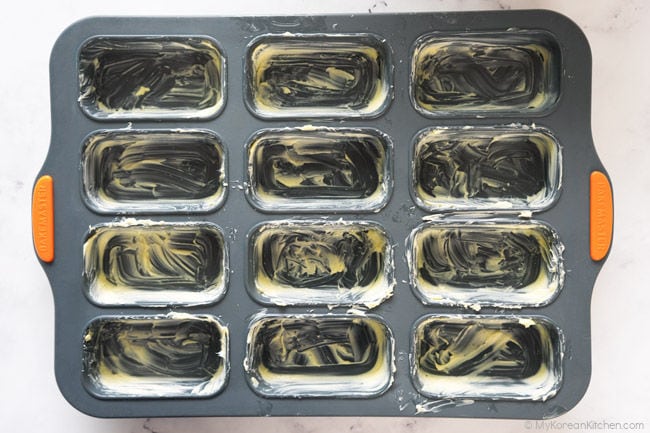
- Metal Pans: These conduct heat rapidly, creating a Maillard reaction on the surface of the rice cake. This results in the sought-after "biscuit-like" edge that provides a necessary textural contrast to the soft center.
- Silicone Pans: While these offer convenience for removal, they act as an insulator, often resulting in a uniform, softer texture throughout the cake. For purists seeking that specific "crust," metal is the industry standard.
The Resting Period
Data from professional bakers suggests that the resting phase—at least 15 to 20 minutes post-oven—is non-negotiable. During this time, the rice starch continues to set. Cutting into a Butter Tteok immediately after it leaves the oven results in a structure that feels underdone or "gummy." A two-hour rest allows the butter to emulsify properly within the starch matrix, creating a cohesive, satisfying mouthfeel that is neither too wet nor too dry.
Implications: The Future of Traditional Confectionery
The rise of the Butter Tteok carries significant implications for the future of traditional baking. It suggests that "fusion" is no longer just about blending flavors, but about blending cooking techniques.
Modernizing Heritage
The successful commercialization of this treat shows that younger generations are eager to consume traditional ingredients, provided they are packaged in a familiar, modern format. By using butter—a fat rarely found in traditional Korean tteok—bakers are signaling that they are comfortable departing from cultural orthodoxy to improve the culinary experience for a global palate.
Storage and Convenience
The Butter Tteok is also highly practical. Unlike traditional tteok, which often hardens or spoils within hours of being steamed, the high fat and sugar content of the baked version makes it shelf-stable for up to two days at room temperature. Furthermore, its ability to be frozen and then reheated—either in a conventional oven or an air fryer—makes it an ideal "meal-prep" dessert. The air-frying method, in particular, has revolutionized the home-consumption of this treat, allowing consumers to achieve a "fresh-from-the-oven" crispness in under five minutes.
Official Responses and Culinary Reception
Food critics and professional pastry chefs have largely embraced the Butter Tteok as a "gateway" dessert. It is accessible to those who may find the intense, sometimes fermented flavors of traditional tteok (like songpyeon or injeolmi) daunting, yet it retains the signature texture that makes rice-based desserts addictive.
Professional culinary communities emphasize the balance of ingredients. The use of sweetened condensed milk, while controversial to some purists, is widely regarded as the key to achieving the desired level of moisture without making the batter overly runny.
As one baker noted: "The beauty of the Butter Tteok is its resilience. It doesn’t require the delicate, high-pressure steaming environment of traditional cakes. It invites the home baker into the kitchen to experiment with a format that is forgiving, delicious, and deeply satisfying."
Conclusion: A Lasting Legacy
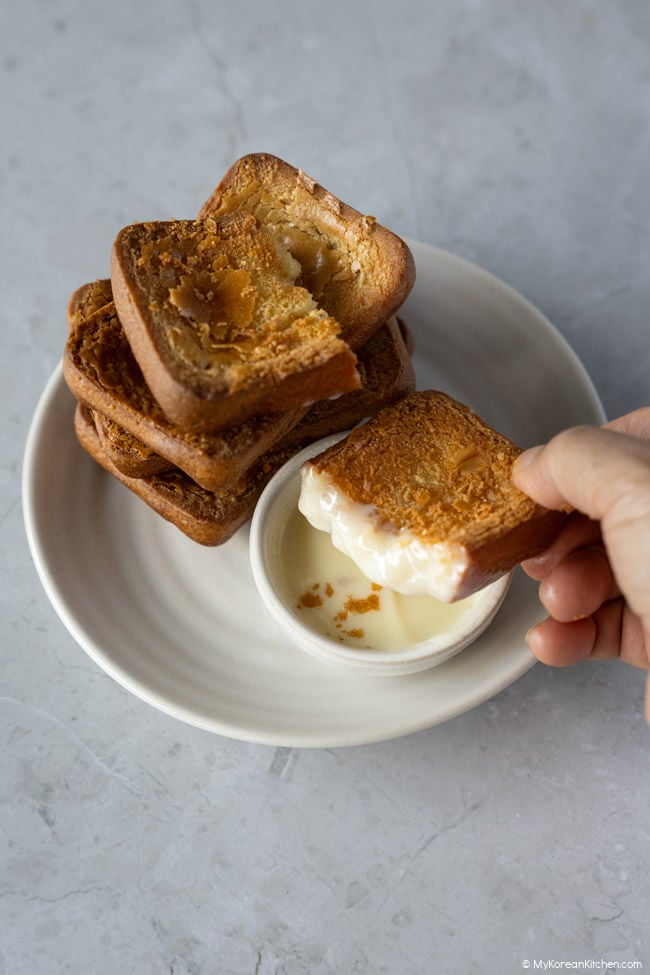
Whether it is served alongside a bitter Americano to balance its inherent sweetness or dipped into a small ramekin of condensed milk for an extra boost of indulgence, the Butter Tteok has secured its place in the modern dessert canon. It represents the successful evolution of traditional starch-based cooking, proving that when heritage meets innovation, the result is often something that transcends its origins to become a new global favorite. As more home cooks and professional bakeries adopt this recipe, one thing remains clear: the chewy, buttery, golden-crusted revolution is here to stay.
 Raul Delapena Setiawan
  Asep Darmawan
  Nana Wu
