
 By rifanmuazin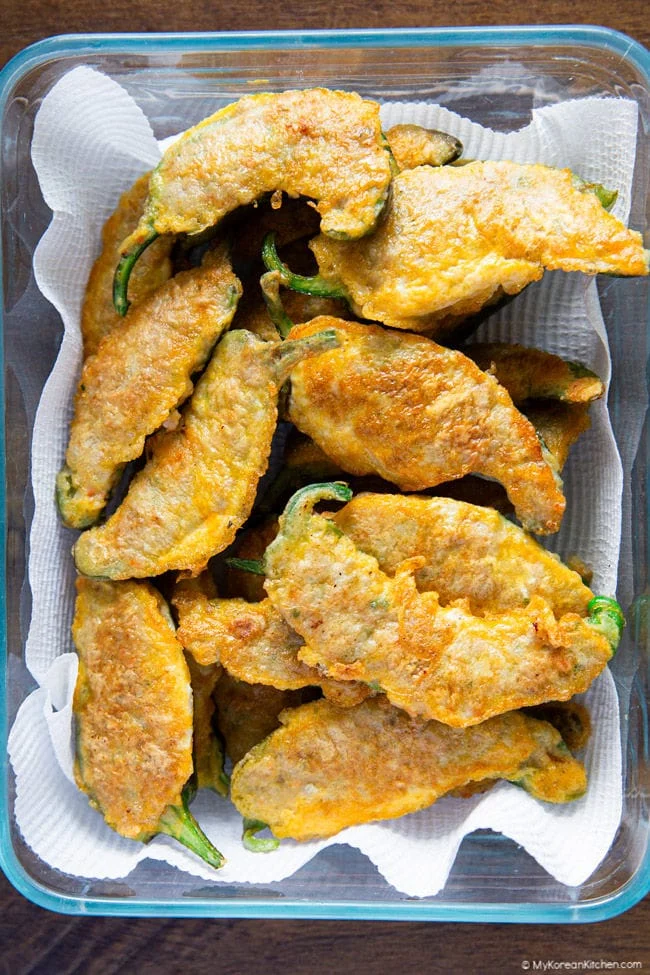
In the landscape of Korean cuisine, few dishes bridge the gap between humble home cooking and celebratory festive fare quite like gochujeon (고추전). These pan-fried, stuffed chili peppers—characterized by their golden, egg-washed exterior and succulent, seasoned meat filling—represent the quintessence of Korean comfort food. While they are a staple at grand family gatherings during major holidays, their versatility has secured them a permanent place in the everyday culinary repertoire of Korean households.
Main Facts: The Essence of Gochujeon
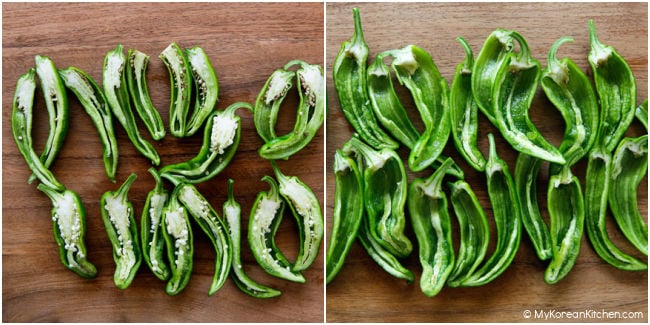
At its core, gochujeon is a study in texture and balance. The preparation involves halving fresh green chili peppers, de-seeding them, and stuffing them with a savory mixture of minced meat (typically a blend of pork and beef) and finely chopped aromatics like carrots, onions, and scallions. The peppers are then dusted with a light layer of flour, dipped into a beaten egg batter, and pan-fried until they reach a delicate, golden-brown hue.
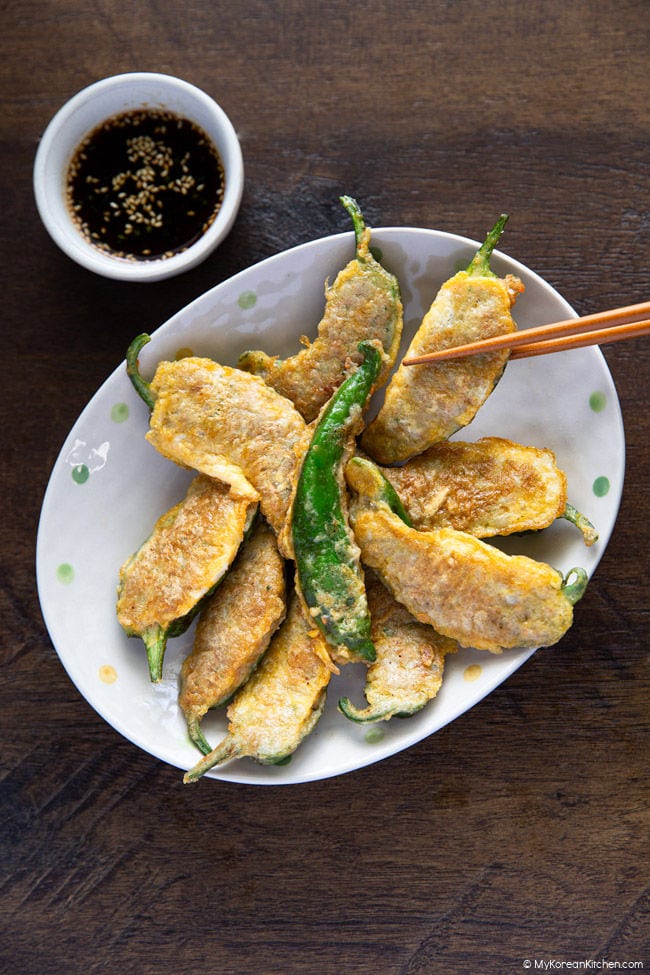
The dish is celebrated for its sensory appeal: the outer layer of the pepper provides a slight, snappy bite that gives way to the tender, flavorful meat interior. Unlike many other Korean dishes that rely heavily on the aggressive heat of gochujang (red chili paste) or gochugaru (red chili flakes), gochujeon is surprisingly mild. When cooked, the peppers lose their sharp raw bite, mellowing into a sweet, tender vessel that complements the savory richness of the meat. This makes the dish accessible to those who are typically sensitive to spicy foods, elevating it from a regional specialty to a crowd-pleasing delicacy.
Chronology: From Holiday Rituals to Daily Comfort
The history of jeon (pan-fried savory pancakes or fritters) is deeply rooted in the agrarian traditions of the Korean peninsula. Historically, gochujeon was a dish reserved for significant occasions, such as Chuseok (the harvest festival) and Seollal (Lunar New Year). These periods necessitated the preparation of elaborate feasts, and the time-intensive nature of hand-stuffing individual peppers made them a mark of devotion and hospitality.
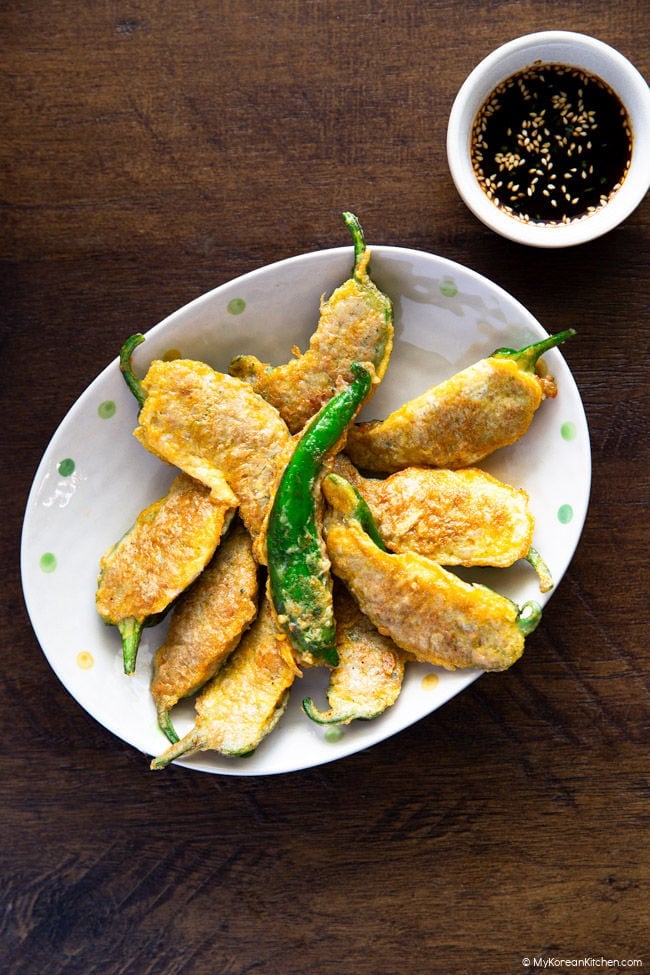
In the mid-20th century, the dish began to transition from a ceremonial offering to a household staple. As domestic kitchens modernized, the process became more efficient. Today, the preparation has evolved into a ritual of care. Families often spend hours together in the kitchen, processing dozens of peppers to ensure a steady supply for the holiday season. However, the modern cook has reclaimed gochujeon for weeknight dinners, utilizing shortcuts—such as pre-minced meat and ready-made pancake flour mixes—to enjoy this traditional flavor profile without the necessity of a festival calendar.
Supporting Data: The Anatomy of a Perfect Filling
The success of gochujeon lies in the structural integrity and flavor profile of the filling. Culinary experts note that the ratio of meat to vegetables is critical. A standard, high-quality filling utilizes a 50:50 blend of ground pork and beef. The pork provides the necessary fat content to keep the filling juicy, while the beef offers a robust, earthy depth.
Essential Components
- The Peppers: Traditionally, oi gochu or asak-i gochu (mild, sweet green chilies) are preferred for their size and sturdiness. If unavailable, common varieties like Anaheim or even shishito peppers can be substituted, though heat levels must be monitored.
- The Binding Agents: The inclusion of Korean pancake mix (buchim garu) is a modern innovation that replaces simple wheat flour. The leavening agents and seasonings within the mix help the filling achieve a "sticky" consistency, ensuring it remains bonded to the pepper during the high-heat searing process.
- The Egg Wash: A light coating of beaten egg is non-negotiable. It serves two purposes: it creates a protective barrier that seals in the juices of the meat, and it provides the characteristic golden color that signals the dish is cooked to perfection.
Official Culinary Perspectives and Techniques
Professional chefs and home cooks alike emphasize that the preparation of gochujeon is as much about technique as it is about ingredients. The "gentle cook" method is the industry standard. By utilizing medium-low heat, the cook ensures that the meat filling reaches a food-safe internal temperature without scorching the delicate egg exterior.
One of the most debated aspects of the recipe involves the treatment of the peppers. Experienced practitioners suggest holding the peppers in the hand while slicing rather than using a cutting board, which allows for better control and less bruising of the pepper flesh. Furthermore, patting the interior of the pepper dry with a paper towel is a critical step; excess moisture can lead to a soggy texture and cause the meat filling to slide out during the flipping process.
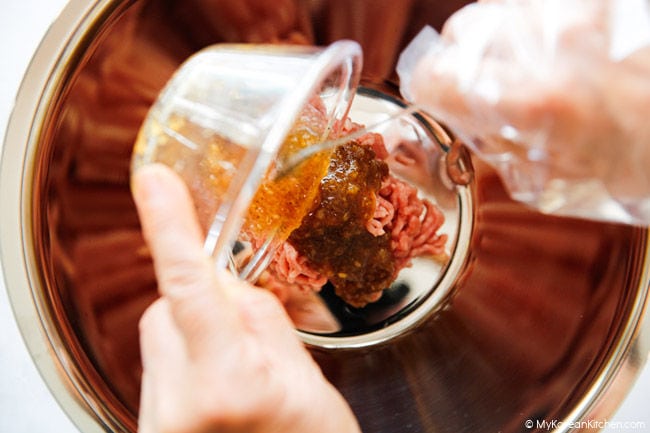
Implications: The Versatility of the Dish
The enduring popularity of gochujeon has significant implications for home food preservation and cultural adaptation. Unlike many fried foods that lose their appeal upon reheating, gochujeon is remarkably resilient. When stored properly in an airtight container, the dish remains viable for up to three days in the refrigerator. For long-term storage, it can be frozen for up to a month, provided that parchment paper is used to separate the layers and prevent the delicate egg coating from sticking.
Reheating techniques have also evolved to match modern appliances. While a traditional frying pan with a light coating of oil remains the gold standard for restoring crispness, the air fryer has emerged as a revolutionary tool for the home cook. A quick pass through an air fryer can effectively "re-crisp" the exterior, making it a viable option for a quick, high-protein snack.
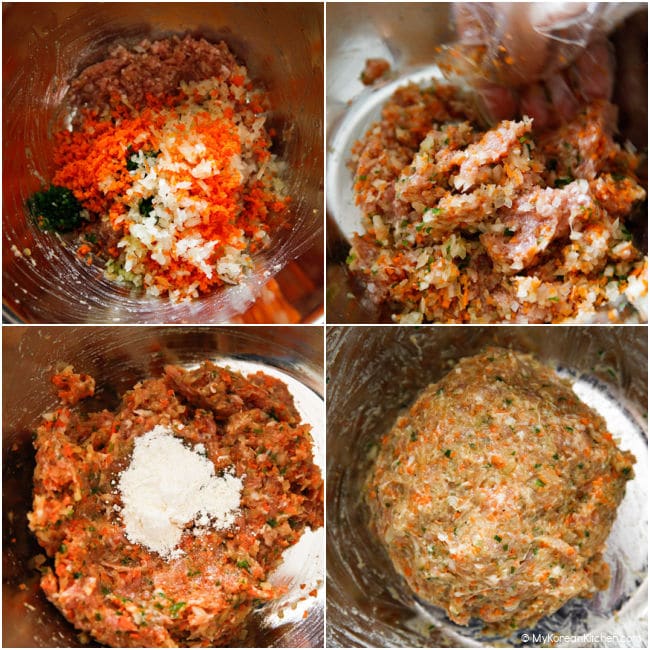
A Note on Customization
The adaptability of the filling is one of the dish’s greatest strengths. While the meat-heavy version is the most common, there is a strong movement toward including tofu. By replacing up to 50% of the meat with well-drained, mashed firm tofu, the filling becomes lighter and more nuanced, catering to those looking for a lower-calorie alternative without sacrificing the traditional texture.
Serving and Pairing: The Finishing Touch
No discussion of gochujeon is complete without acknowledging the role of the dipping sauce. While the meat is well-seasoned, the addition of a soy-based dipping sauce—typically composed of soy sauce, rice vinegar, a touch of sugar, and sometimes finely minced garlic or toasted sesame seeds—provides an acidic counterpoint to the richness of the fried egg and meat. This harmony of salty, sweet, and tangy elements is what keeps gochujeon at the forefront of the Korean culinary consciousness.
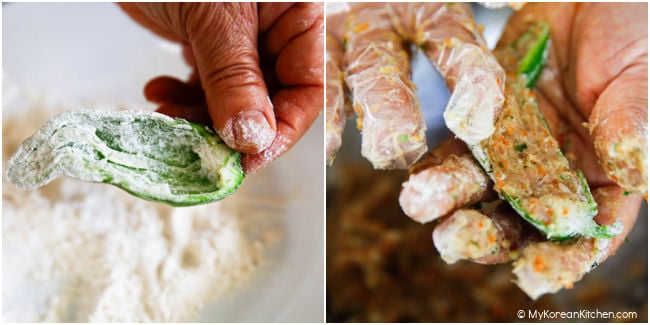
As global interest in Korean cuisine continues to surge, gochujeon serves as an excellent entry point for international home cooks. It is a dish that requires minimal specialized equipment, relies on widely available ingredients, and offers a profound reward for the effort invested. Whether served as an appetizer, a side dish, or a primary component of a holiday feast, the stuffed chili pepper remains a testament to the sophistication found within Korea’s simplest, most comforting culinary traditions.
Summary of Best Practices for Success
- Drying is Key: Always pat the inside of the peppers dry before filling to ensure a strong adhesion between the vegetable and the meat.
- Consistency: Aim for a "sticky" filling; the use of Korean pancake flour is recommended over plain flour to ensure the mixture holds together.
- Heat Control: Never rush the frying process. A lower heat setting is essential to ensure the meat is fully cooked through before the outer egg coating darkens too much.
- Presentation: Leaving the stems on the peppers provides a functional handle for flipping and creates an elegant, traditional aesthetic for serving.
By adhering to these principles, the home cook can replicate the professional-grade gochujeon found in the best Korean kitchens, bringing a slice of authentic Korean heritage to the dinner table.

 Layla Zulfa
  Asro
Asro  Laily UPN
