
 By Nana Wu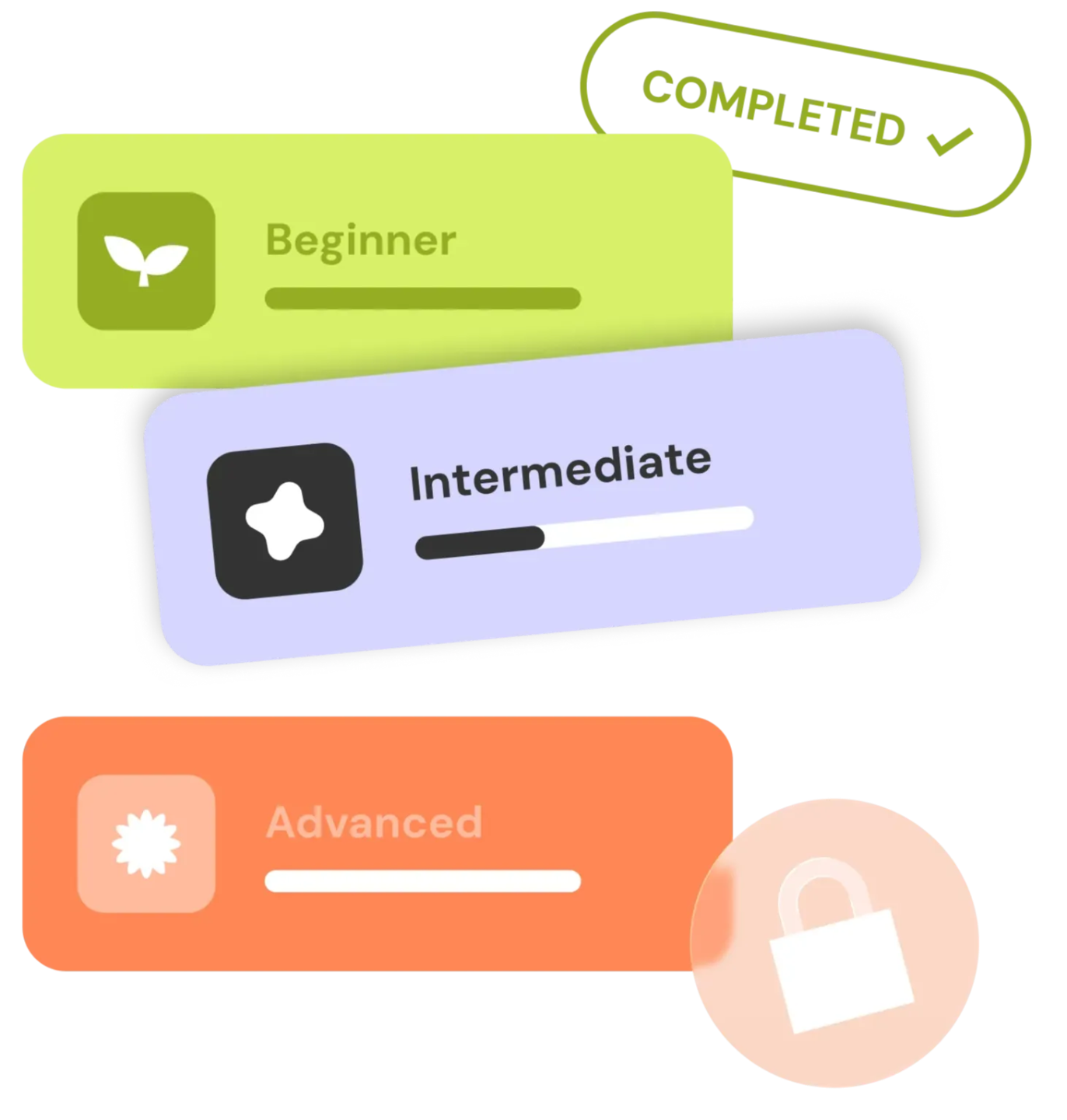
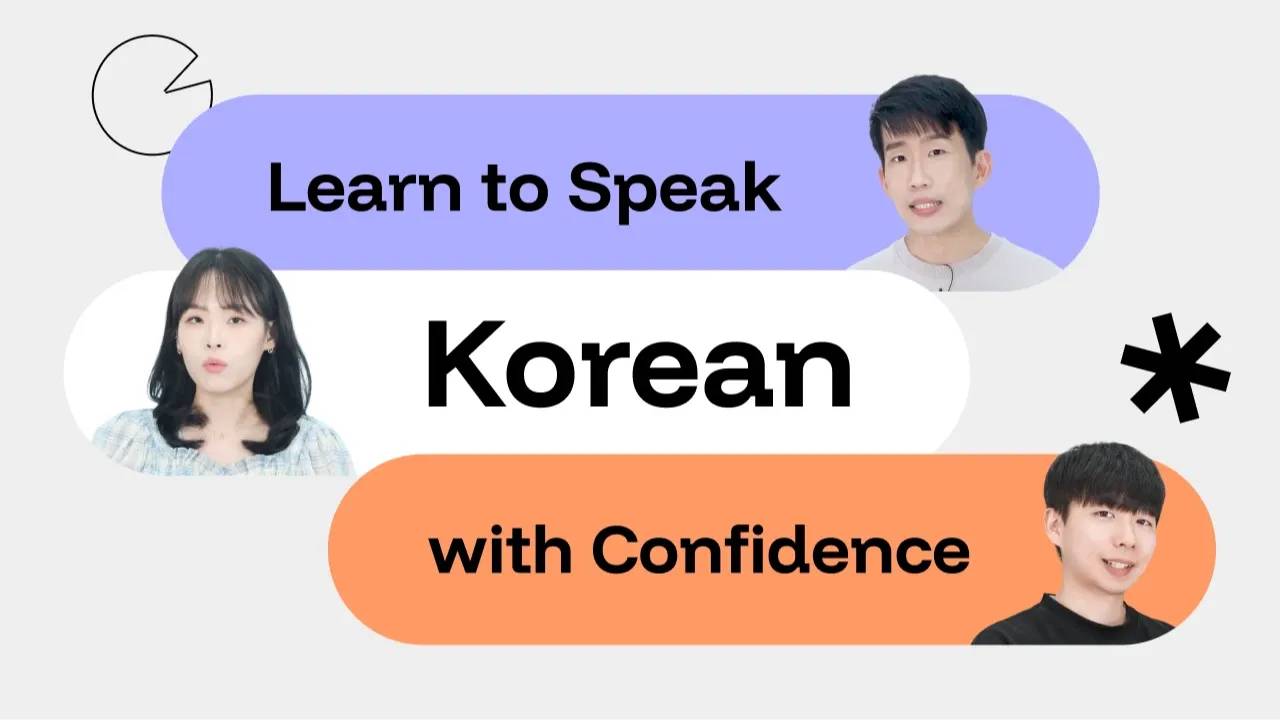
In an era where digital language learning platforms are ubiquitous, few have managed to sustain both pedagogical authority and a massive, loyal following for nearly two decades. Talk To Me In Korean (TTMIK), since its inception in 2009, has stood as a cornerstone of Korean language education, bridging the gap between casual interest and professional fluency. With over two million learners worldwide and a methodology refined through sixteen years of iterative development, TTMIK has transformed from a niche blog into a global educational powerhouse.
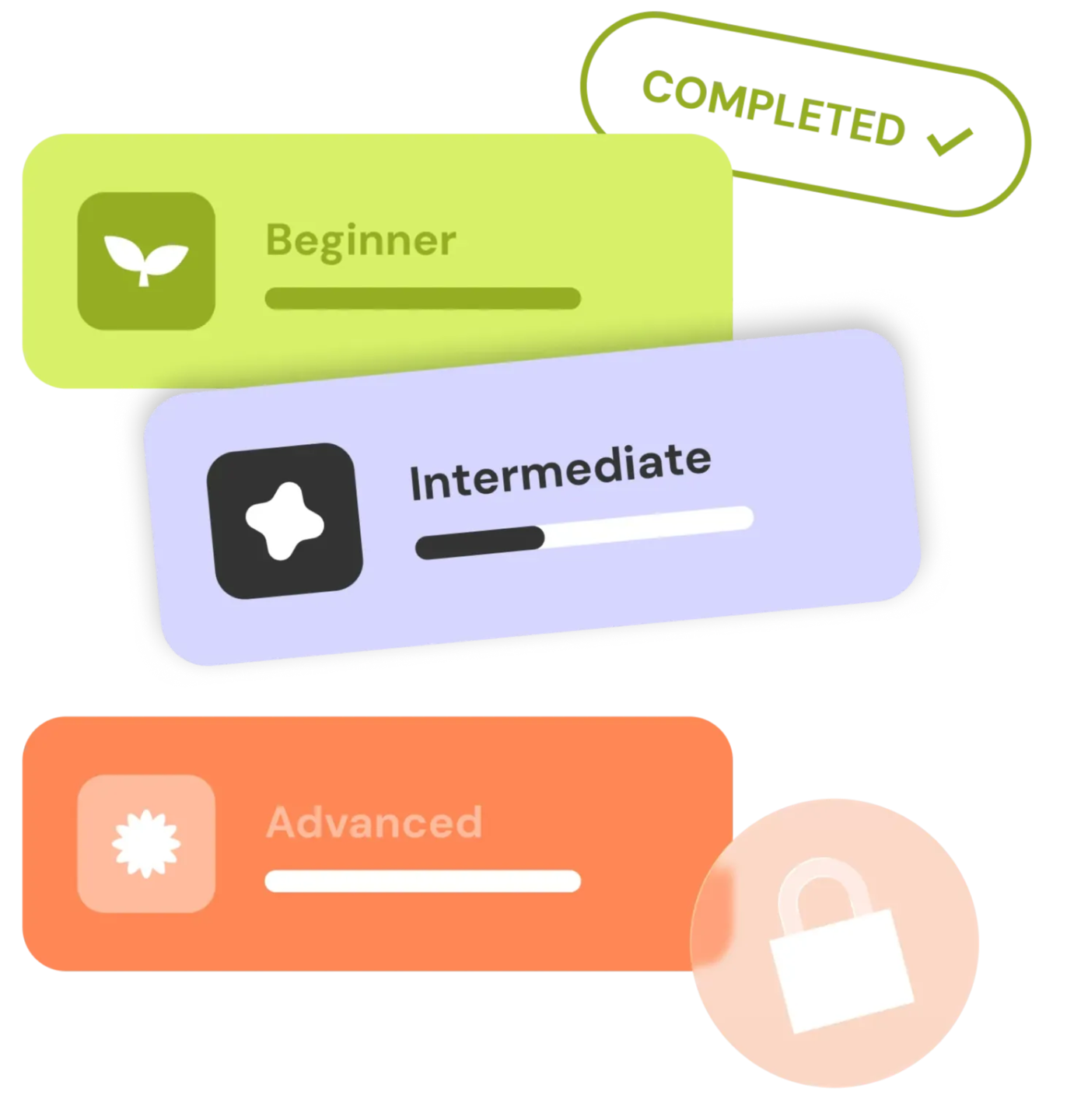
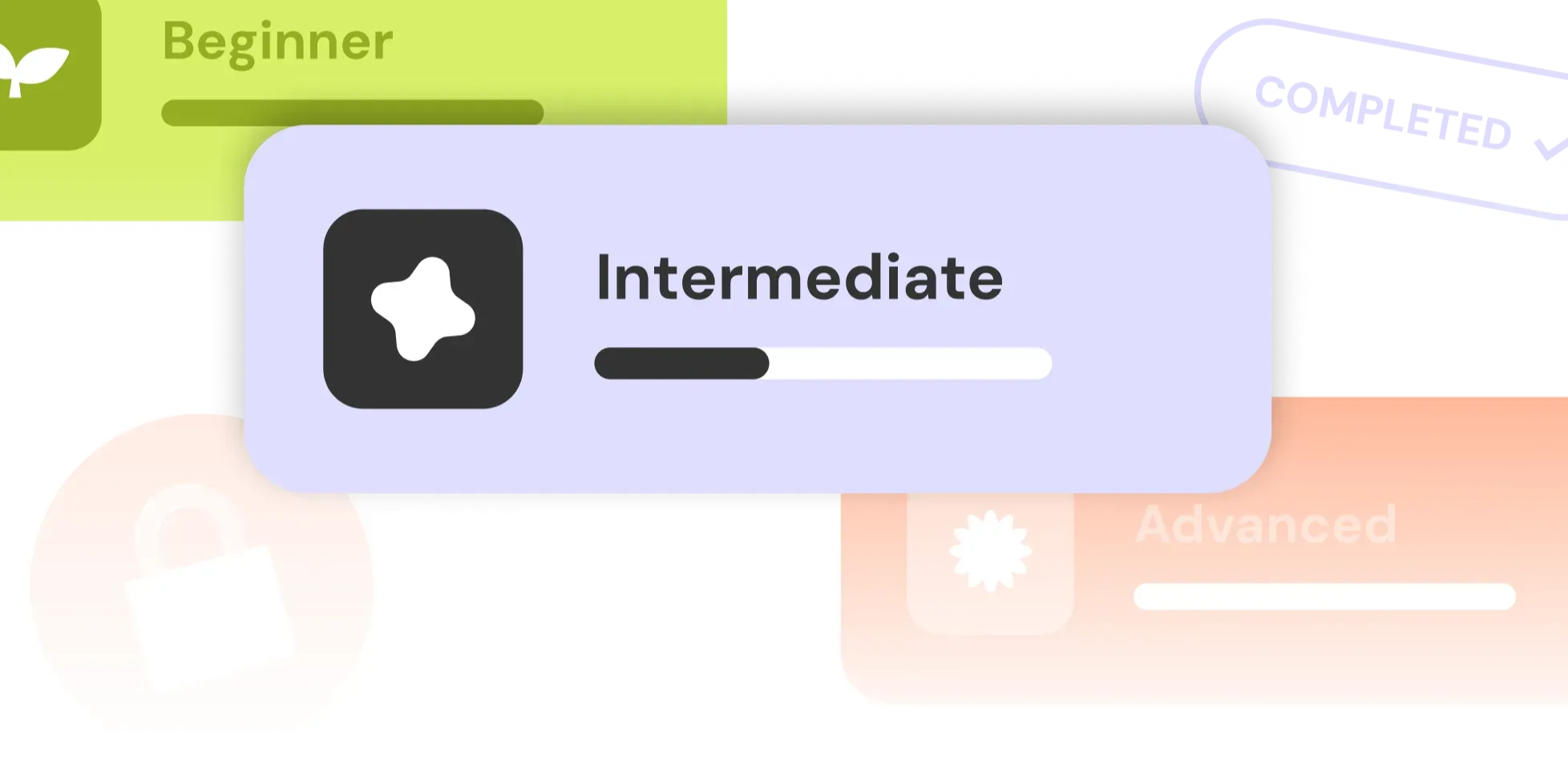
The secret to their longevity, according to the platform’s architects, is not just the content, but the sequence. By providing a structured, step-by-step roadmap, TTMIK has dismantled the intimidation factor often associated with learning Korean, proving that anyone can achieve proficiency if they follow the right process.
The Chronology of an Educational Movement
The story of Talk To Me In Korean began in 2009, long before the current global explosion of K-pop and K-drama reached its modern saturation point. At that time, high-quality, accessible resources for Korean learners were sparse. Most learners relied on outdated textbooks or sporadic, unorganized online forums.
2009–2014: The Formative Years
TTMIK launched with a simple, radical premise: to make Korean accessible to anyone with an internet connection. In these early years, the founders focused on the "audio-first" approach, creating bite-sized lessons that could be consumed during a commute or a coffee break. The feedback loop was immediate; by interacting with learners on their blog and early social channels, the team began to identify the common "stumbling blocks" that plagued students.
2015–2020: Scaling and Standardization
As the platform grew, so did the complexity of its offerings. The team moved beyond simple blog posts, curating a massive library of audio lessons, grammar guides, and workbooks. This period saw the publication of their core book series, which eventually sold over one million copies worldwide. They began to transition from a content provider to a comprehensive ecosystem, incorporating video tutorials and structured curriculum levels.
2021–Present: The Modern Digital Ecosystem
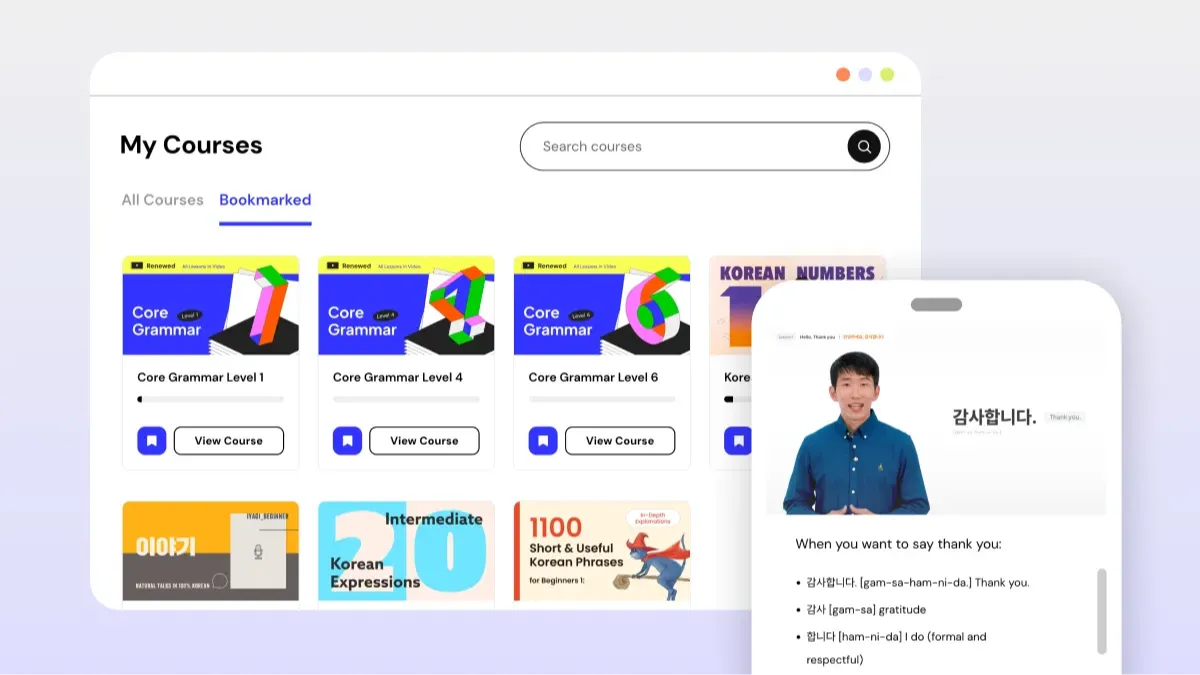
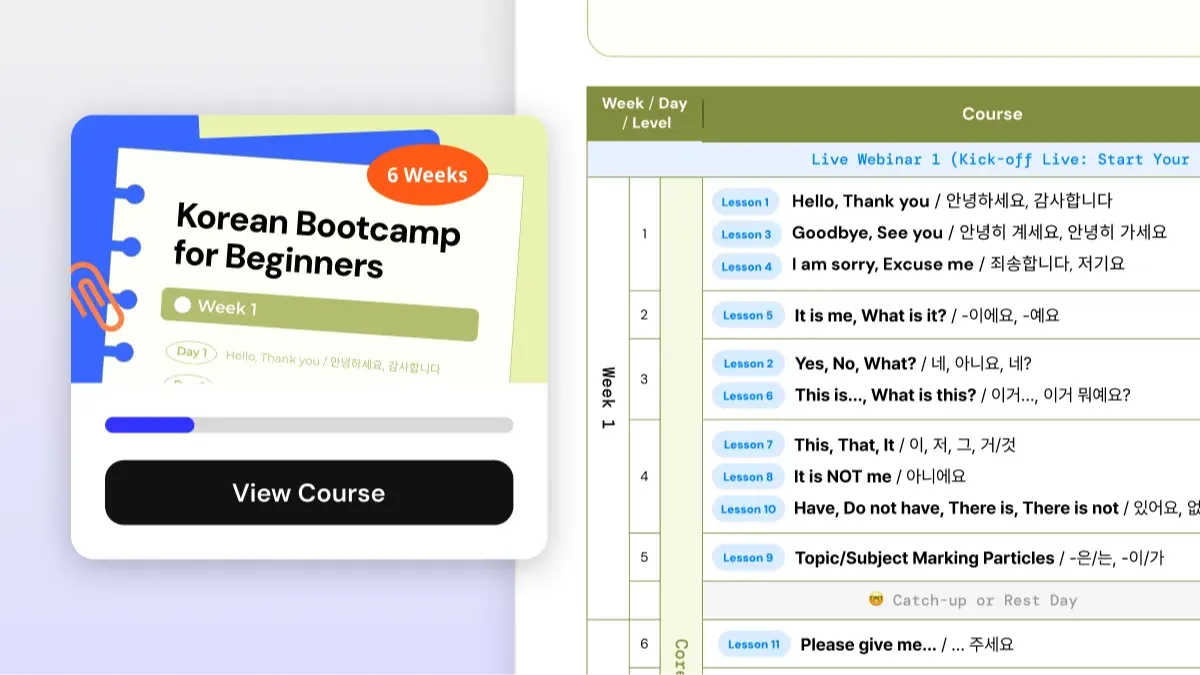
Today, TTMIK is a sophisticated digital learning environment. With over 1,700 lessons available on both web and mobile platforms, the system has evolved into a multi-tiered educational suite. They have integrated "Bootcamp" programs for students requiring accountability and a thriving online community for those seeking peer support. Their evolution reflects a move toward "blended learning"—combining self-paced study with structured, goal-oriented programs.
The TTMIK Methodology: The Four-Step System
What separates TTMIK from generic language apps is its commitment to the "Four-Step Lesson System." Many learners fall into the trap of passive learning—reading a grammar rule and believing they have "mastered" it. TTMIK addresses this by mandating a specific, four-phase engagement process for every lesson:
- Warm-up: Preparing the brain for the specific linguistic concept.
- Learning: Deep-dive into the grammar or vocabulary point with clear, relatable examples.
- Speaking: Active practice, ensuring the learner moves beyond passive recognition to vocal production.
- Reviewing: Consolidation of the material to ensure long-term retention.
By following this rigid yet intuitive structure, students avoid the "what do I do next?" paralysis. The platform removes the guesswork, allowing learners to focus entirely on the acquisition of the language rather than the navigation of the course material.
Supporting Data: By the Numbers
The success of Talk To Me In Korean is not merely anecdotal; it is backed by impressive metrics that demonstrate a sustained, high-level impact on the language-learning market:
- Two Million Learners: A global footprint that spans virtually every continent, with significant density in North America, Europe, and Southeast Asia.
- 1,700+ Structured Lessons: A massive, organized database of content that has been refined over 16 years of user feedback.
- 2.1 Million YouTube Subscribers: A massive audience whose direct engagement and questions have informed the creation of new curriculum modules.
- 48 Published Books: A physical publishing arm that has sold over one million copies, proving that physical learning materials still hold significant value in a digital world.
These figures illustrate that TTMIK has successfully navigated the transition from a web-based experiment to a multi-channel educational brand.
Customizing the Journey: From Solo Study to Community
One of the most critical realizations for the TTMIK team was that there is no "one size fits all" for language acquisition. To accommodate this, they have segmented their offerings into three distinct paths:
1. The Course Subscription
This is the entry point for most learners. It offers full access to the entire 1,700-lesson library. It is designed for the independent, self-motivated learner who prefers to study at their own pace, whether they are a complete beginner or an advanced speaker looking to polish their nuances.
2. Bootcamp Programs
For those who find the freedom of self-study to be a hindrance, the Bootcamp programs offer the "good kind of pressure." By providing a fixed schedule and strict deadlines, these programs simulate the rigor of a university-level language course, ensuring that students stay accountable and maintain their momentum.
3. The Community
Language is inherently social, yet many students attempt to learn in isolation. TTMIK’s community platform provides a space for learners to connect, ask questions, and practice with others. This social layer is crucial for maintaining morale during the "intermediate plateau"—a phase where many learners feel their progress has stalled.
Addressing the Learner’s Questions: Official Perspectives
In their recent outreach, the leadership at TTMIK has been transparent about the common anxieties new students face. The most frequent questions they receive include:
- "I am a complete beginner. Is this for me?" The platform’s response is a firm yes. By utilizing a "Level Test" (a 3-minute diagnostic tool), the platform ensures that no time is wasted on content that is either too easy or discouragingly difficult.
- "How does the cost structure work?" The platform emphasizes flexibility. They offer full access during a 7-day trial period, allowing users to experience the system before committing. The ability to cancel at any time via a few clicks is a core pillar of their user-centric philosophy.
- "What makes this more effective than other apps?" The answer lies in the "structured roadmap." While many gamified apps focus on rapid-fire, repetitive vocabulary drills, TTMIK focuses on grammatical understanding and conversational capability. The focus is on the application of the language, not just the recognition of it.
The Implications for Future Language Learners
The success of Talk To Me In Korean carries significant implications for the future of digital education. It demonstrates that learners are increasingly gravitating toward platforms that offer depth over gimmicks. As the digital landscape becomes more crowded with AI-generated content and short-form, low-retention apps, the demand for structured, expert-led, and community-supported curriculum is growing.
Furthermore, the longevity of TTMIK proves that language learning is not just about the technology—it is about the relationship between the educator and the student. By evolving alongside their audience, the platform has managed to remain relevant through nearly two decades of technological disruption.
For those considering starting their journey, the advice from the experts at TTMIK is simple: do not worry about the destination. Find your current level, take the first lesson, and see how it feels. Whether you are driven by an interest in Korean culture, professional necessity, or personal enrichment, the path to fluency is not a sprint, but a series of well-ordered steps. With the right roadmap, the first real conversation in Korean is closer than most learners realize.


 Jia Lissa
  Asep Darmawan
  Layla Zulfa
