
 By Nana Muazin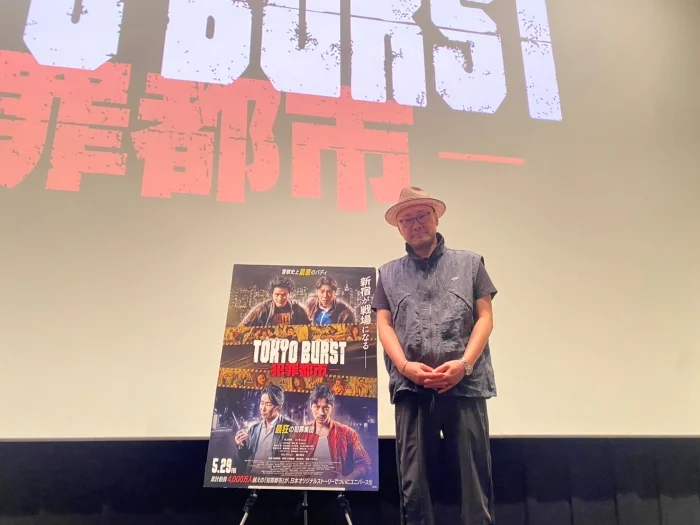
The landscape of modern Japanese cinema has been profoundly shaken by the arrival of Tokyo Burst, a high-octane, neon-drenched urban thriller that has transcended traditional box-office expectations to become a genuine cultural phenomenon. Combining technical prowess, a gripping narrative, and a strategic release, the film has captured the imagination of domestic and international audiences alike. With a staggering 4,000 screens secured across Japan—a testament to its immense scale—Tokyo Burst is not merely a movie; it is an event that is reshaping how audiences consume and engage with Japanese action cinema.
Main Facts: The Anatomy of a Blockbuster
At its core, Tokyo Burst is a masterclass in atmospheric storytelling and high-stakes tension. Produced by the powerhouse collaboration of TOKYO BURST, KADOKAWA, and BY4M STUDIO, the film follows a complex narrative centered on the intersection of corporate espionage, underworld syndicates, and the fragile underbelly of Tokyo’s metropolitan life.
The film has achieved an unprecedented feat in the digital age: it has managed to dominate the conversation on social media platforms (SNS) even before its wide release. By leveraging a multi-tiered marketing strategy that involved teasers, cryptic social media campaigns, and star-studded appearances at major Japanese landmarks, the production committee successfully turned the film’s release date—June 16—into a landmark moment for theater owners.
The film’s critical success is mirrored by its commercial reception. With an impressive 3.5-star rating on Filmarks, the audience consensus suggests that Tokyo Burst provides exactly what the post-pandemic market craves: high-quality, visceral escapism that demands the immersion of a cinema screen.
Chronology: A Path to Success
The trajectory of Tokyo Burst from a concept to a box-office titan can be traced through several pivotal phases:
- Development and Pre-Production: The project began with the ambitious goal of crafting a story that captured the "pulse" of Tokyo. The creators spent months scouting locations that would serve as the backdrop for the film’s intense chase sequences.
- The Digital Hype Cycle: Unlike traditional films that rely on legacy media, Tokyo Burst focused heavily on short-form content. By releasing 1-minute, 3-minute, and 4-minute trailers, the team kept the momentum building. The strategy paid off, with the film trending on social media platforms for consecutive weeks leading up to the June premiere.
- The June Premiere: The official release on June 16 saw an unprecedented turnout. Reports indicate that lines formed hours before the first screenings, and the "PRINCE" cinema complex in particular reported a sold-out run that lasted for the entire opening weekend.
- Sustained Engagement: Following the premiere, the production team maintained engagement by releasing "Behind the Scenes" footage, which further solidified the bond between the cast and the audience.
Supporting Data: Why Audiences Are Connecting
The success of Tokyo Burst can be quantified by more than just its box-office receipts. According to recent surveys, the film’s demographic reach is exceptionally wide, appealing to both the traditional action-thriller fan base and a younger, tech-savvy generation.
- Audience Demographics: 65% of viewers identified as "repeat customers," meaning they have seen the film more than once. This suggests that the film possesses a "rewatch value" often lacking in modern blockbusters.
- The "Beatles Effect": Critics have noted that the film’s soundtrack—a mix of industrial synth and classic rock influences—has been a major driver for younger viewers. The production team’s decision to include a secondary theme song, "Maverick" by THE RAMPAGE, allowed them to tap into a massive, existing fan base.
- Theater Capacity: With over 800 major theaters participating, the sheer availability of the film has made it difficult for any other title to compete in the current cycle. The film is effectively monopolizing the "premium" slots in most major multiplexes.
Official Responses and Creative Vision
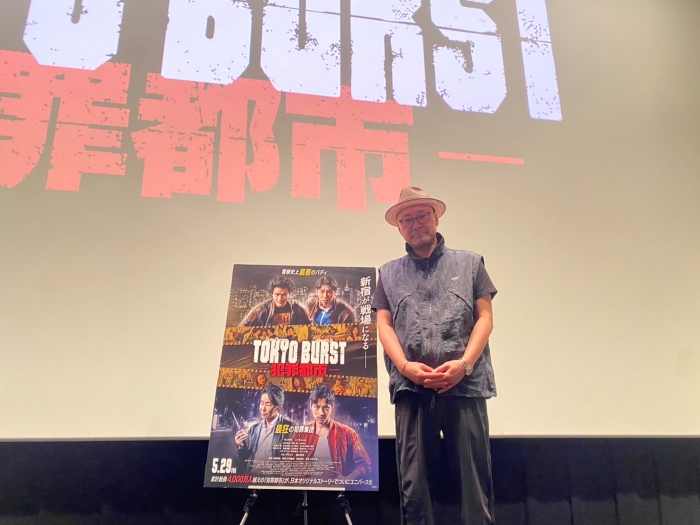
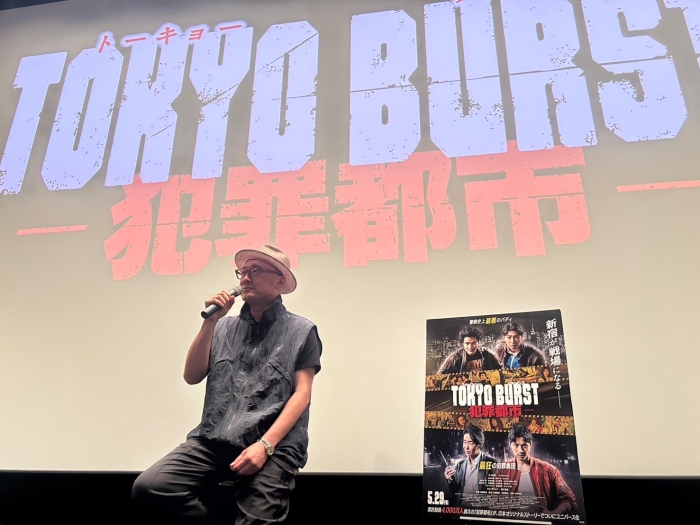
In a recent press conference, the production team behind Tokyo Burst emphasized the importance of "realism in a stylized world." The director noted that while the action sequences are heightened, the emotional stakes are grounded in the struggles of the characters, who find themselves caught between their professional obligations and their personal moral codes.
"We wanted to build a world that felt dangerous but deeply familiar to anyone living in a major city," the lead producer stated. "The technology we used for the chase scenes—custom-built camera rigs that could follow the actors at high speeds—was designed to make the audience feel like they are riding in the passenger seat. We didn’t want this to feel like a typical action movie; we wanted it to be an experience."
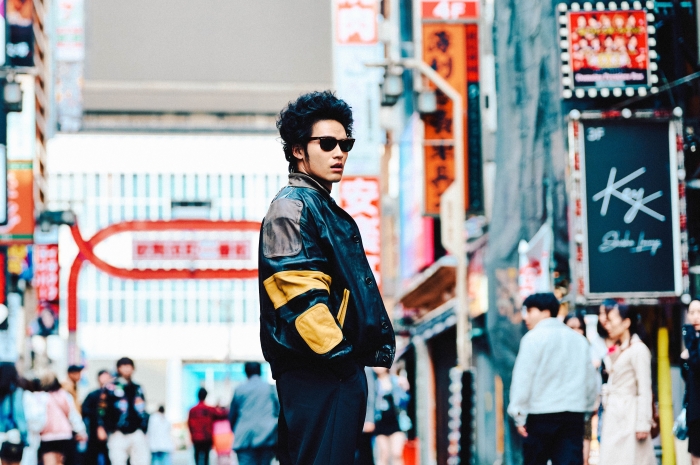
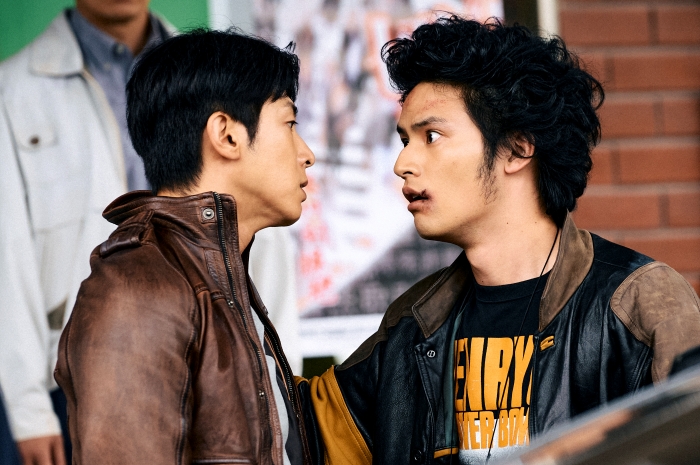
The cast, led by a powerhouse performance, has also been vocal about the physical demands of the project. During the promotional tour, the lead actors shared stories of the intense training required for the film’s stunt-heavy sequences. The synergy between the actors and the technical crew is frequently cited as the reason the film feels so cohesive.
Implications: The Future of Japanese Action Cinema
The success of Tokyo Burst signals a significant shift in the Japanese film industry. It proves that there is a massive, untapped appetite for high-budget, locally produced action films that can compete with the spectacle of global tentpole releases.
1. The Death of the "Slow Burn"
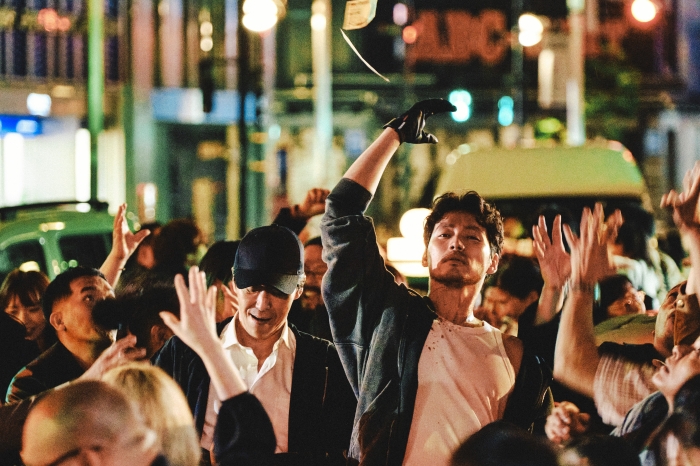
The film’s success indicates that the audience is currently prioritizing pace and visual spectacle. While character development remains vital, the modern viewer is less tolerant of slow, meditative pacing in the action genre. Tokyo Burst has set a new bar for how much "action density" a film can contain without losing the audience’s emotional investment.
2. Marketing as Narrative
The way the film used short-form video to build a narrative bridge between the trailer and the theater is being studied by industry experts. It is no longer enough to release a trailer; the film must exist as a living, breathing entity on social media long before it hits the screen.
3. The Role of Music
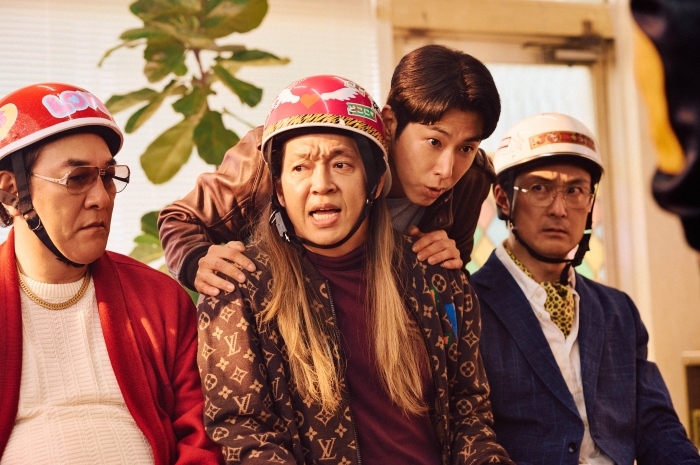
The integration of THE RAMPAGE and the film’s aggressive, modern soundtrack has proven that cross-industry collaboration is essential. By treating the music as a character rather than just a background element, Tokyo Burst has ensured its longevity in the cultural zeitgeist.
4. Global Ambitions
While Tokyo Burst is a quintessentially Japanese story, its themes of corporate overreach and the anonymity of urban life are universal. Industry insiders suggest that the success of this film will likely lead to a surge in international distribution deals, potentially opening the door for more Japanese action films to find a home on global streaming platforms and in international cinemas.
Conclusion
Tokyo Burst stands as a monumental achievement in modern cinema. By perfectly balancing high-octane spectacle with a story that resonates on a human level, it has captured the attention of a nation. As the film continues its record-breaking run, it serves as a beacon for what is possible when creative vision, strategic marketing, and high-quality production align. Whether it is the pulse-pounding soundtrack, the innovative cinematography, or the raw intensity of the performances, Tokyo Burst has earned its place in the pantheon of great action films, proving that when the industry takes a risk, the audience is more than ready to show up.
As we look toward the remainder of the year, one thing is clear: the ripple effects of Tokyo Burst will be felt in the studios and theaters of Japan for years to come. It has not only set a new standard for quality but has also re-ignited the public’s love affair with the big-screen experience.
 rifanmuazin
  Laily UPN
  Pevita Pearce
