
 By Ammar Sabilarrohman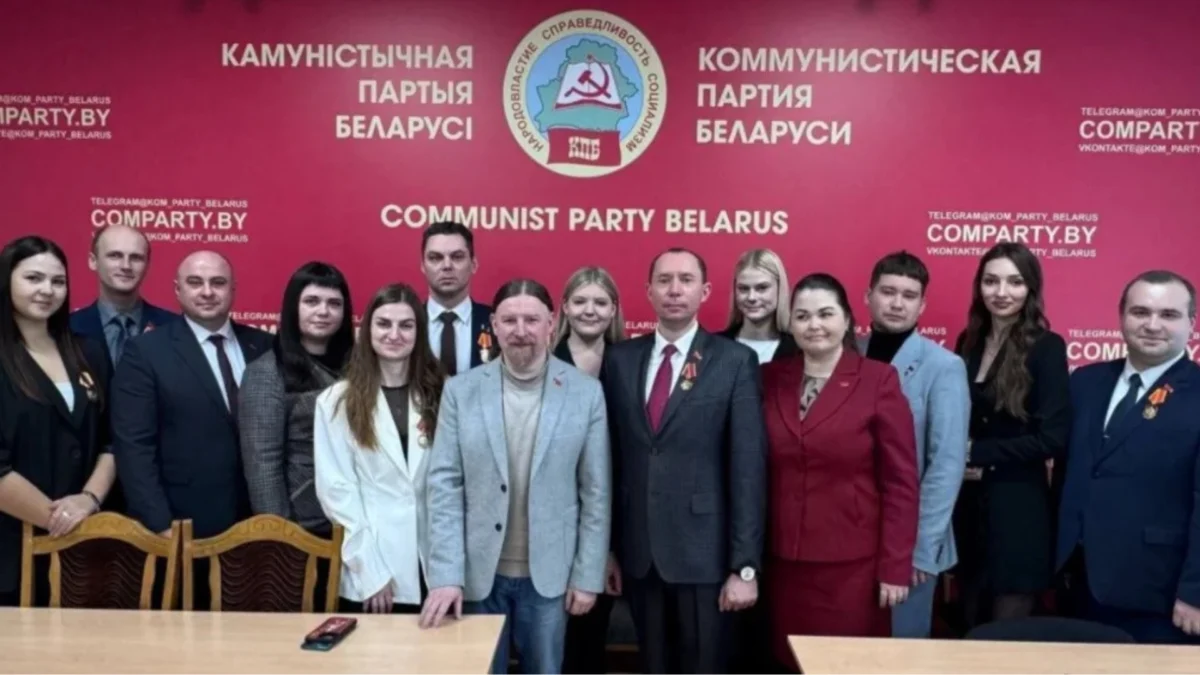
Introduction: A Strategic Alignment in the East
In a move that underscores the tightening geopolitical synchronization between isolated regimes, a delegation from the Communist Party of Belarus (CPB) arrived in Pyongyang this week, signaling a renewed commitment to ideological and political cooperation with the Democratic People’s Republic of Korea (DPRK). The visit, which culminated in the signing of a bilateral cooperation agreement between the CPB and the Workers’ Party of Korea (WPK), saw Belarusian officials laud the North Korean state as a "model socialist society."
This diplomatic outreach, occurring against a backdrop of increasing international sanctions on both Minsk and Pyongyang, represents more than mere ideological solidarity. It signals an effort by the Belarusian political apparatus to align itself with North Korea’s unique brand of state-controlled economic and social management, suggesting that the CPB views the DPRK’s survivalist model as a blueprint for its own political longevity.
The Chronology of the Visit
The arrival of the Belarusian delegation in Pyongyang on Monday marked the beginning of a high-level engagement series designed to institutionalize party-to-party relations.
- Monday: The CPB delegation arrived in the North Korean capital, where they were greeted by high-ranking officials from the WPK International Department.
- Tuesday: The delegation engaged in initial working-level talks with An Hyon Min, the deputy director of the International Department of the Central Committee of the WPK. The discussions reportedly focused on the history of socialist movements and the challenges of maintaining ideological purity in the modern era.
- Wednesday: The delegation held a pivotal meeting with Kim Song Nam, the chief of the International Department and a prominent member of the WPK Politburo. It was during this session that the formal cooperation agreement was signed, effectively codifying a partnership that involves information sharing, joint ideological training, and mutual support on the international stage.
The CPB’s own media channels have been active in documenting the trip, showcasing the cordial reception given to the Belarusian representatives, which stands in stark contrast to the chilly diplomatic climate the DPRK experiences with the West.
Ideological Convergence: Why Pyongyang?
For the Communist Party of Belarus, the DPRK is not merely a diplomatic partner; it is a laboratory of socialist resilience. During the visit, the delegation expressed deep admiration for the North Korean system, specifically citing the WPK’s ability to maintain total social stability and national sovereignty despite decades of crushing international economic sanctions.
The "Model State" Narrative
The CPB officials argued that the DPRK has successfully preserved its "socialist achievements" while simultaneously developing a formidable national defense industry. This narrative is highly attractive to Minsk, which has faced its own share of European Union and U.S. sanctions following the 2020 election protests and its support for Russia’s military operations in Ukraine.
By framing North Korea as a "model," the CPB is attempting to shift the domestic discourse in Belarus. They are promoting the idea that the "Pyongyang path"—defined by centralized state control, isolation from Western financial systems, and a militarized national identity—is not a failure, but a tactical success that has allowed the state to remain independent from the influence of global capital.
Supporting Data and Contextual Analysis
To understand the significance of this visit, one must look at the broader pattern of deepening relations between the "Axis of Resistance" nations.
The Trade of Expertise and Resources
While the CPB is a political entity rather than a government agency, its influence within the Belarusian state structure is significant. Historically, such party-to-party visits serve as "back-channel" diplomacy. Experts note that these meetings often pave the way for formal state-level cooperation, ranging from agricultural exchanges to the potential circumvention of trade sanctions.
Economic Parallels
Both Belarus and North Korea share a reliance on a single, larger neighbor for economic survival—Russia for Belarus, and China/Russia for the DPRK. As Russia becomes increasingly isolated from Western markets, it has sought to integrate its allies into a "sanction-proof" economic bloc. The CPB’s visit to Pyongyang is a microcosm of this trend: small, isolated regimes seeking to pool their limited resources to maintain domestic control.

| Metric | Belarus (CPB Context) | North Korea (WPK Context) |
|---|---|---|
| Ideology | Modified Soviet Socialism | Juche (Self-Reliance) |
| Sanction Status | High (Western Sanctions) | Extreme (UN/Global Sanctions) |
| Primary Ally | Russian Federation | Russian Federation / China |
| Economic Model | State-Capitalism/Command | Command Economy |
Official Responses and Diplomatic Fallout
The international community has remained largely critical of these interactions. While the Belarusian government has not officially commented on the party-level visit, the optics have raised concerns in Brussels and Washington.
A spokesperson for a European policy think-tank noted, "The alignment of the CPB with the WPK is a clear signal that these regimes feel they have nothing to lose. By publicly endorsing the North Korean model, they are explicitly rejecting the democratic governance norms that the rest of the European continent upholds."
Conversely, the North Korean state media, specifically the Korean Central News Agency (KCNA), has framed the visit as a sign of the "invincibility of the socialist cause." The KCNA emphasized that the DPRK and Belarus stand "shoulder-to-shoulder" against "imperialist maneuvers to stifle the revolutionary spirit of the working class."
Strategic Implications: What Comes Next?
The visit holds significant implications for the future of diplomatic relations between the two nations and the wider global order.
1. Increased Information Warfare
The cooperation agreement likely includes provisions for the exchange of propaganda strategies. North Korea is widely considered a world leader in state-driven information control and the suppression of digital dissent. Minsk may look to Pyongyang for technical expertise on monitoring domestic internet traffic and managing state-sponsored media narratives.
2. A "Sanction-Busting" Network
The most tangible outcome of such visits is often the creation of illicit trade networks. By building personal and party-level relationships, individuals in the CPB can facilitate introductions between North Korean entities and Belarusian firms, potentially helping the DPRK bypass UN resolutions that prohibit the sale of certain dual-use technologies.
3. Diplomatic Legitimacy
For North Korea, every diplomatic visit is a victory in its campaign to normalize its presence on the world stage. By hosting European party officials, Pyongyang can claim that its isolation is a Western-imposed fiction, rather than a consequence of its own nuclear and human rights policies.
4. Domestic Policy Shifts in Minsk
The most immediate domestic risk is that the CPB’s praise of the North Korean model could signal a hardening of the Belarusian political environment. If the ruling authorities in Minsk begin to adopt the rhetoric or the specific administrative tactics of the WPK, it could lead to further erosion of civil liberties and a move toward an even more rigid, command-based political structure.
Conclusion: The Persistence of the Autocratic Bloc
The visit of the Communist Party of Belarus to Pyongyang serves as a stark reminder that the post-Cold War dream of a universal democratic transition has faced a formidable, and often creative, counter-movement. By embracing the DPRK, the Belarusian communists are not just revisiting the past; they are attempting to construct a future where sovereignty is defined by isolation, and stability is purchased at the cost of total conformity.
As the international community grapples with the fallout of the ongoing conflict in Eastern Europe and the persistent nuclear threat from the Korean Peninsula, the strengthening ties between Minsk and Pyongyang suggest that the world is becoming increasingly divided into two distinct camps: those who look toward liberal integration, and those who seek refuge in the bunker-style politics of their ideological kin. For the citizens of Belarus, this shift toward the "Pyongyang model" may prove to be the most consequential development of the coming decade.



 Nana Wu
  Layla Zulfa
