
 By Ali Ikhwan
In an era where convenience often clashes with the desire for authentic, high-quality culinary experiences, the Japanese D2C (Direct-to-Consumer) brand TAKUNABE has announced a significant strategic shift. The company is set to launch a comprehensive initiative aimed at revitalizing the traditional "Nabe" (hot pot) culture in Japanese households. By blending modern logistics with ancestral recipes, TAKUNABE intends to transition the hot pot from a casual meal to a premium, curated home-dining experience.
The campaign, titled "The Evolution of Home-Cooked Hot Pot," is scheduled to officially commence on July 7, 2026, at 8:00 PM JST. This move comes at a critical time when Japan’s food sector is grappling with demographic shifts, changing lifestyle patterns, and an increasing demand for personalized, high-end home consumption.
Main Facts: A Strategic Pivot Toward Premiumization
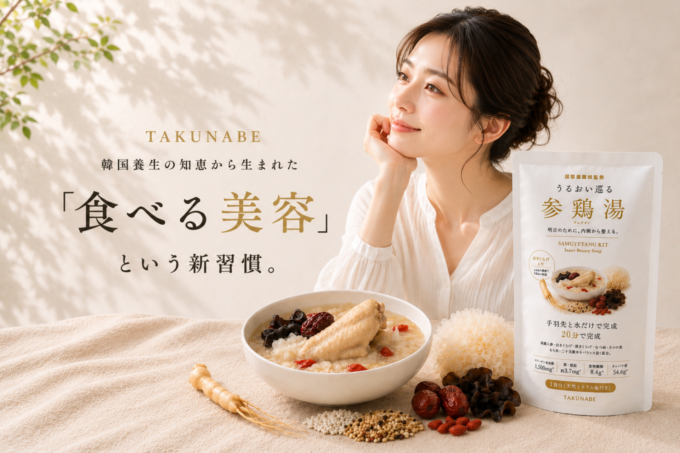
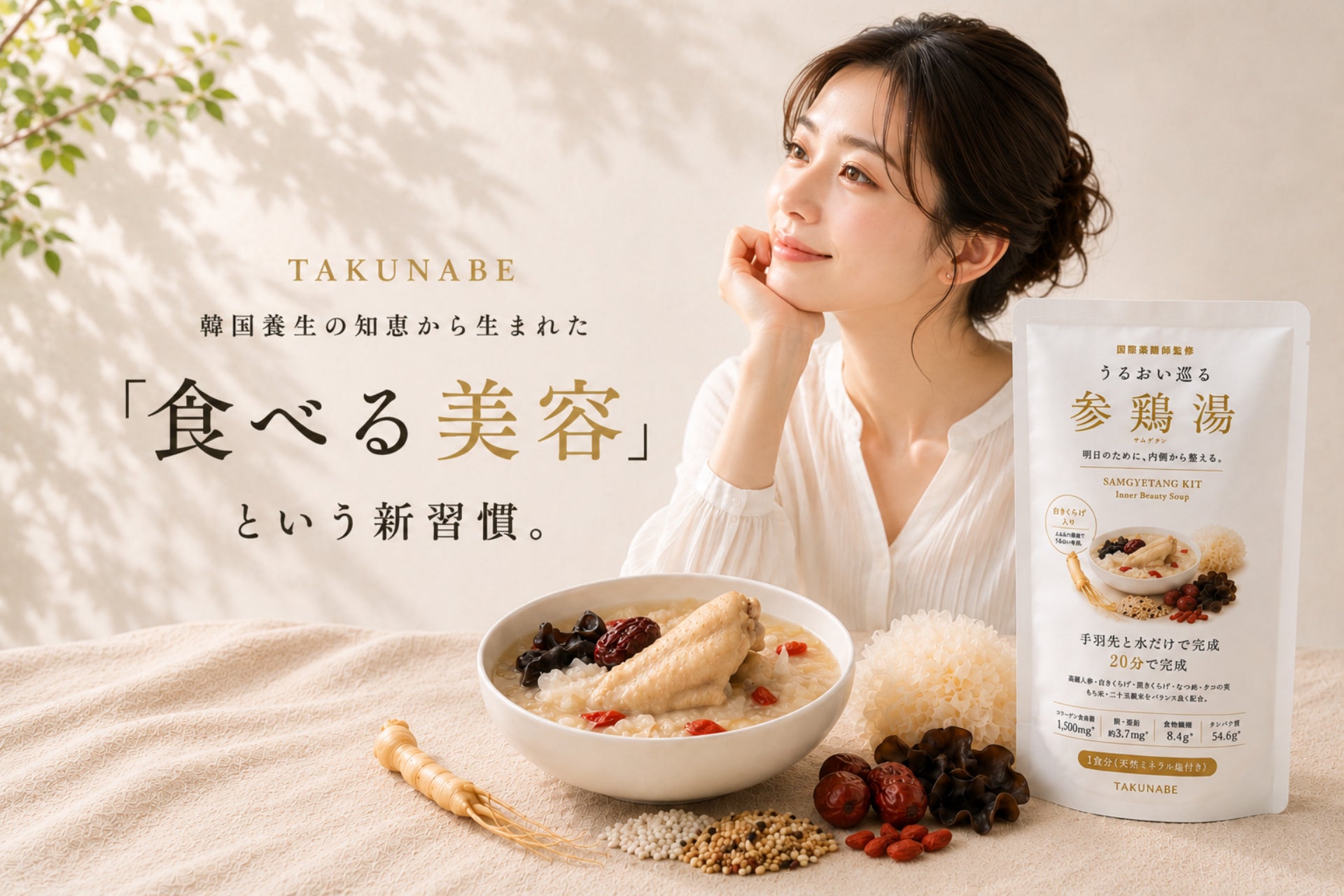
TAKUNABE has established itself as a leader in the D2C space, but this latest announcement marks a departure from standard retail. The core of their strategy involves a deep-dive into the "art of the soup base." By partnering with eight renowned regional specialty restaurants across Japan, TAKUNABE is curating a line of authentic, restaurant-grade soup stocks that allow home cooks to replicate the complex, umami-rich flavors of professional establishments without the need for hours of preparation.
The initiative is built on three pillars:
- Authenticity: Sourcing ingredients directly from regional producers to ensure traceability and quality.
- Accessibility: Utilizing a robust digital infrastructure to deliver these specialized bases to any household in Japan within 20 hours of order processing.
- Cultural Integration: Positioning the hot pot as a central social event that fosters familial and communal bonding, moving away from the "convenience-first" mentality that has dominated the industry in recent years.
Chronology: The Journey to a New Standard
The roadmap for this initiative began nearly two years ago, following internal data analysis that showed a decline in traditional "Nabe" consumption among younger demographics.
- Early 2024: Market research phase identifying the "authenticity gap"—the disconnect between the desire for high-end hot pot and the time required to prepare it.
- Late 2024: Initiation of partnerships with regional masters of Nabe cuisine.
- Q1 2026: Finalization of the logistical framework, ensuring cold-chain integrity from restaurant kitchen to customer doorstep.
- July 7, 2026 (Launch Date): Public unveiling of the platform, featuring the inaugural "Eight Masters" collection.
The decision to launch on the 7th of July is symbolic, aligning with the Tanabata festival, a time traditionally associated with gatherings and wishes, further underscoring the brand’s focus on the social aspect of dining.
Supporting Data: Understanding the Market Shift
The landscape of Japanese home dining is undergoing a seismic shift. According to recent surveys by Fuji Keizai and the Ministry of Health, Labour and Welfare’s Health Japan 21 initiative, there is a clear trend toward "home-based luxury."
Data from Google Trends indicates a 30% increase in search queries related to "premium soup bases" and "authentic regional Nabe" over the past 12 months. This is contrasted by a steady decline in interest regarding "instant, mass-produced hot pot seasoning." Consumers are no longer satisfied with generic, high-sodium packets; they are seeking out the stories, ingredients, and craftsmanship behind their food.
Furthermore, economic reports from Yano Research suggest that the D2C food sector in Japan is expected to grow by 15% annually through 2030, driven largely by middle-to-high-income households that prioritize convenience without sacrificing health or quality. TAKUNABE’s strategy perfectly mirrors these findings by bridging the gap between restaurant-quality dining and the comfort of the home environment.
Official Responses and Strategic Partnerships
TAKUNABE’s leadership has been vocal about the importance of these partnerships. "Our goal is not just to sell a product, but to preserve a culinary legacy," stated a spokesperson for the company. "By working with these eight iconic regional restaurants, we are essentially digitizing the wisdom of the masters. We want the person in Tokyo to be able to taste the exact, nuanced flavor profile of a Nabe restaurant in Hokkaido or Kyushu, delivered fresh and ready to be finished in their own kitchen."
The partnerships involve a rigorous vetting process. Each participating restaurant has had to adhere to strict quality control standards, ensuring that their proprietary soup bases remain consistent during the transition from a restaurant stove to a sealed, transportable format. In return, TAKUNABE provides these smaller, traditional establishments with a national platform and digital marketing infrastructure they otherwise would not have access to.
Implications: The Future of Home-Cooked Hot Pot
The implications of this initiative extend far beyond the kitchen. By revitalizing Nabe culture, TAKUNABE is influencing broader social habits.

1. Promoting Communal Dining
Hot pot is, by definition, a communal activity. In a post-pandemic world where social isolation has become a public health concern, the revival of the "shared pot" experience is being marketed as a remedy. The company’s marketing materials emphasize the "table as a stage" for conversation, aiming to re-center the family dinner as the primary social unit.
2. Supporting Regional Economies
The decision to source ingredients from eight distinct regions serves as a boost to rural agriculture and local fisheries. By highlighting the origins of the ingredients, TAKUNABE is creating a value-added narrative that appeals to ethically conscious consumers who want to know where their food comes from and who benefits from their purchase.
3. Sustainability and Waste Reduction
TAKUNABE has also committed to a "Zero-Waste Packaging" initiative for this launch. All containers are fully recyclable, and the portion sizes are calculated based on household data to minimize food waste—a growing concern in the Japanese food industry.
4. Technological Integration
The 20-hour delivery guarantee is a technical marvel in the Japanese logistics sector. By utilizing AI-driven demand forecasting, TAKUNABE can predict order surges and pre-position inventory at regional distribution hubs, ensuring that the freshness of the soup base is maintained.

Conclusion: A Culinary Renaissance
TAKUNABE is betting heavily that the future of the food industry lies in the intersection of tradition and technology. By "premiumizing" the home dining experience, they are not only solving a logistical challenge but also addressing a cultural longing for connection and quality.
As the industry watches, the launch on July 7, 2026, will likely serve as a litmus test for the D2C market in Japan. If successful, this model could become the gold standard for other traditional food sectors looking to modernize their distribution without losing the soul of their craft.
For the consumer, the takeaway is clear: the kitchen is no longer just a place to prepare fuel for the day. With the help of brands like TAKUNABE, it is being transformed into a culinary studio where the finest regional flavors of Japan can be brought to life, one pot at a time. The evolution of the Japanese home meal has begun, and it promises to be as rich and layered as the broth in a perfectly prepared Nabe.
 Evan Lee Salim
  Reynand Wu
