
 By Nana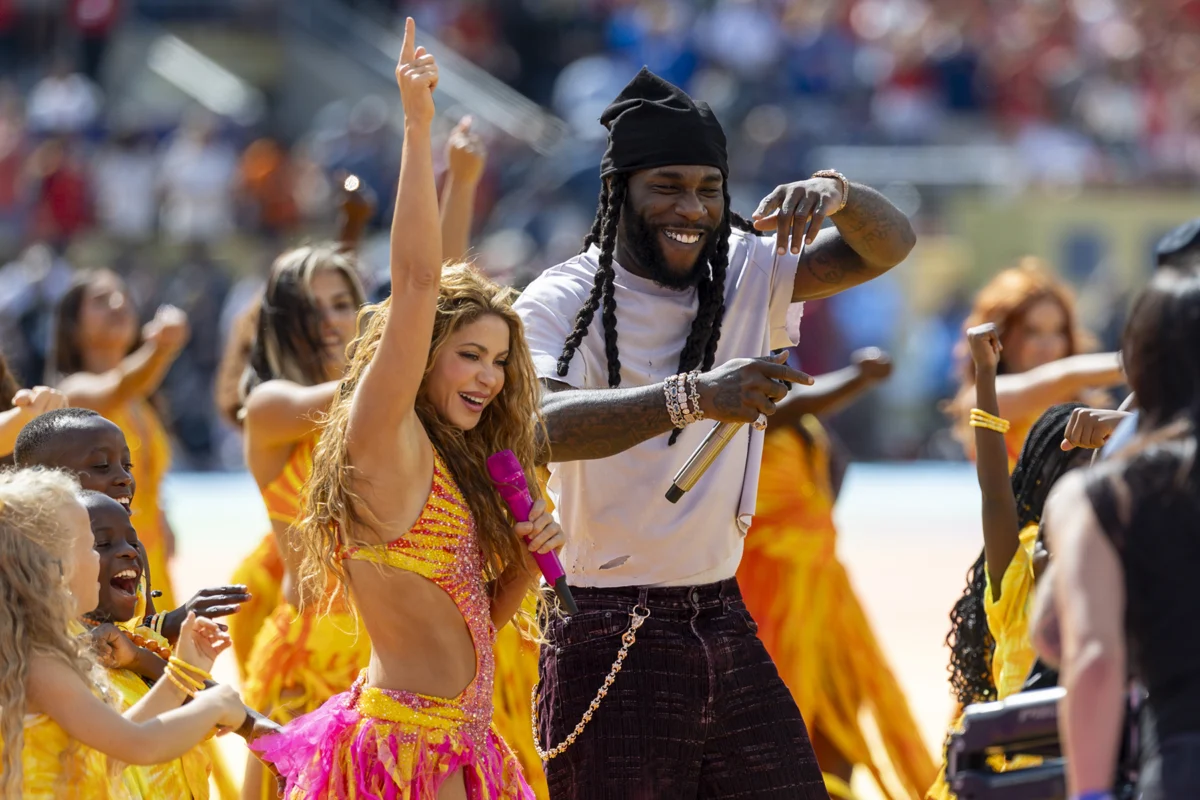
The music industry continues to witness the dynamic interplay between global events and digital consumption, with the recent World Cup serving as a significant catalyst for unexpected chart surges and sustained listener engagement. Billboard Pro’s "Trending Up" newsletter highlights several artists and tracks that have captured significant attention, demonstrating the power of live performances, viral social media moments, and strategic collaborations in shaping contemporary music trends.
World Cup Anthem "Dai Dai" Dominates Streaming Post-Final
Shakira and Burna Boy’s World Cup anthem, "Dai Dai," has defied expectations by continuing to achieve remarkable streaming numbers even after the conclusion of the tournament. The song, which served as a soundtrack to six weeks of global football fervor throughout June and July, experienced its most significant streaming day on Monday, July 20th, following the World Cup final. This surge underscores the enduring appeal of the track and the impact of its prominent halftime performance at the final held at MetLife Stadium in New Jersey, where Spain ultimately triumphed over Argentina.
According to data from Luminate, "Dai Dai" garnered nearly 2.2 million official on-demand U.S. streams on July 20th. This represents a substantial 65% increase compared to the 1.4 million streams recorded the day before the final and an impressive 84% jump from the 1.2 million streams on the day of its initial performance at the tournament’s opening ceremonies in June. These figures indicate that the song’s momentum has not only been sustained but amplified in the immediate aftermath of the event, suggesting a dual phenomenon: fans are either unwilling to let go of the anthem that has accompanied their recent months or are discovering it for the first time after tuning into the climactic final match.
The World Cup halftime show itself proved to be a fertile ground for musical exposure. Beyond "Dai Dai," other performances also saw notable upticks in streams. Justin Bieber’s "Everything Hallelujah" experienced a remarkable 161% increase, reaching 268,000 streams the day after the final, up from its pre-Cup performance figures. Similarly, BTS’s global hit "Dynamite" saw a 74% surge, accumulating 312,000 streams. However, "Dai Dai" has emerged as arguably the biggest musical beneficiary of the tournament, solidifying its position beyond the scope of a typical event-driven track.
The song’s commercial success is further evidenced by its performance on the Billboard charts. This week’s Hot 100 chart (dated July 18) saw "Dai Dai" reach a new peak of No. 42. While it narrowly missed the top 40, the strong post-tournament streaming gains suggest a high probability of it breaking into the top 40 in the upcoming chart week. The tracking week for the charts began just a couple of days before the tournament’s conclusion, meaning the full impact of the final weekend’s listening habits is yet to be reflected. The continued upward trajectory of "Dai Dai" suggests it is poised to remain a significant hit, extending its lifecycle well beyond the sporting event that birthed it.
The strategic timing of the halftime show, a first for the World Cup, provided an unprecedented platform for artists to connect with a massive global audience. The emotional resonance of Shakira’s performance, coupled with Burna Boy’s international appeal, created a potent combination that has translated directly into sustained commercial success. This highlights a growing trend of major sporting events becoming significant moments for music discovery and promotion, influencing not just immediate sales but long-term chart performance.
The Beatles’ "Hey Jude" Experiences a Resurgence Fueled by Football Fandom
In an echo of the Oasis-driven streaming momentum seen with Team England’s unofficial anthem, the legendary Beatles have also benefited from the football team’s World Cup campaign, albeit through a different, more personal connection. The iconic 1968 hit, "Hey Jude," has seen a significant revival in popularity, largely attributed to its adoption by English fans in honor of midfielder Jude Bellingham.
While the Beatles did not contribute an official song to the team’s victory celebrations, their timeless ballad became an unexpected anthem for the squad’s journey. Bellingham, who emerged as one of the tournament’s breakout stars, tying Norway’s Erling Haaland with seven goals for the third-highest tally, found his name chanted by adoring fans to the tune of "Hey Jude’s" signature outro. Videos capturing these in-stadium serenades, as well as Bellingham’s emotional reactions, garnered millions of views across social media platforms, further amplifying the song’s reach.
The impact of these fan-led tributes extended beyond stadium grounds and into the digital realm. Luminate data reveals that "Hey Jude" experienced a substantial surge in streaming during the final full week of the tournament. For the week ending July 9th, the song accumulated just under 1.5 million official on-demand U.S. streams. The following week, this number jumped by 53% to 2.3 million streams. This growth propelled "Hey Jude" to become the Beatles’ second-most-streamed song in the U.S. for that week, surpassed only by the perennial favorite "Here Comes the Sun."
This revival of "Hey Jude" is a testament to the enduring power of classic rock anthems and their ability to transcend generations and contexts. The personal connection forged between the song and a rising football star created a unique cultural moment, demonstrating how music can become deeply intertwined with shared experiences and collective emotion. The serendipitous use of the song, born from a fan-led initiative, highlights the organic ways in which music can gain new life and relevance in unexpected arenas. The enthusiastic embrace of "Hey Jude" by English fans serves as a poignant reminder of music’s capacity to unite and uplift, even in the face of sporting disappointment. The team’s third-place finish, while a bittersweet outcome, was still celebrated with a spirited 6-4 victory over France in the third-place game, providing ample opportunity for the "Hey Jude" singalongs to solidify their place in the tournament’s narrative.

Lil Baby’s "Dead Fresh," Produced by Pharrell, Signals a Chart Comeback
Atlanta rap superstar Lil Baby appears to be back on track with his latest single, "Dead Fresh," a collaboration with the legendary producer Pharrell Williams. Following the immense success of his 2020 album My Turn, which cemented his status as a commercial force in hip-hop, Lil Baby’s subsequent releases have seen diminishing returns. However, "Dead Fresh" has quickly emerged as a potential solo hit, marking a significant resurgence in his chart prospects.
The single, premiered by Williams at the Louis Vuitton menswear spring/summer 2027 show in Paris on June 23rd, represents a landmark collaboration, being Pharrell’s first official work with Lil Baby. The immediate positive reception to a snippet of the song was so potent that an unofficial version, circulating under the title "Fresh Baby," even topped the U.S. Shazam Charts. The official release of "Dead Fresh" was accompanied by a visually striking music video directed by Kid Art, showcasing themes of luxury, sports cars, and high fashion, aligning with the song’s opulent aesthetic.
"Dead Fresh" made a strong debut on July 17th, accumulating 1.98 million official on-demand U.S. streams on its release day, according to Luminate. The song maintained robust daily streaming figures, averaging around 1.3 million streams over the subsequent three days. In its initial four days of availability, "Dead Fresh" amassed an impressive 6.46 million on-demand U.S. streams, indicating significant listener engagement and a strong start to its chart run.
The song’s viral potential is further underscored by its widespread use on social media platforms. "Dead Fresh" is currently featured in over 377,000 TikTok posts and more than 12,000 Instagram Reels. The official music video has also garnered over 857,000 views on YouTube in less than a week. As of this writing, "Dead Fresh" has ascended to the top of the all-genre U.S. Apple Music Top Songs chart, a clear indicator of its broad appeal and current popularity.
The collaboration with Pharrell Williams, a titan of music production and artistry, brings a fresh sonic dimension to Lil Baby’s work. Pharrell’s distinctive production style, coupled with Lil Baby’s lyrical prowess and established fanbase, has created a potent combination. The strategic rollout, including the high-profile premiere at a fashion event, has generated considerable buzz and positioned "Dead Fresh" as a strong contender for "Song of the Summer" honors in 2026, a testament to its immediate impact and promising longevity. This release signifies a renewed creative direction for Lil Baby, potentially reigniting the commercial momentum that characterized the My Turn era.
Saucy Santana’s "Quiet on the Creek" Leverages Viral Meme for a Chart Comeback
Saucy Santana, known for his internet personality and previous success with the Latto-assisted track "Booty," is experiencing a potential chart resurgence with his new single, "Quiet on the Creek." The song’s ascent is a prime example of how viral moments on social media can be strategically capitalized upon to drive mainstream success.
Four years prior, "Booty" achieved significant traction, reaching No. 23 on the Rap Songs chart and earning a nomination for push performance of the year at the MTV Video Music Awards. Now, "Quiet on the Creek" is generating similar, if not greater, levels of buzz. The track originated from a viral TikTok live session where Santana recounted a childhood fishing memory with the memorable line, "And I used to go fishing when I was a lil gworl/ You gotta be real quiet on the creek."
This seemingly simple anecdote quickly transformed into a widespread social media meme. Users on platforms like TikTok and Instagram gravitated to the phrase for various reasons: some found humor in Santana, a gay man, referring to himself as a "little girl"; others playfully speculated about a deeper, hidden meaning behind "quiet on the creek"; and a significant portion embraced it as a contemporary idiom for "keeping it lowkey." This multifaceted appeal propelled the official "Quiet on the Creek" sound to an astonishing 1.5 million TikToks within just 10 days of Santana first teasing the song.
The song’s impact extends beyond TikTok, playing in over 30,000 Instagram Reels and its official YouTube audio version garnering over 715,000 views in under a week. According to Luminate, "Quiet on the Creek" debuted with 496,000 official on-demand U.S. streams on July 17th. Its daily streaming numbers remained robust, consistently exceeding 400,000 for the following three days. In its first four days of release, the single logged 1.77 million official on-demand U.S. streams, marking it as Santana’s best-performing single in years.
The viral momentum has been further amplified by celebrity endorsements. Prominent figures such as Lizzo, Ice Spice, Plaqueboymax, and Love Island USA star Serena Page have all incorporated the "Quiet on the Creek" sound into their own TikTok content, validating its widespread appeal and cultural relevance. This collective embrace by influential personalities suggests that the "Quiet on the Creek" phenomenon is far from over and is poised to continue its ascent.
Saucy Santana’s ability to translate a personal anecdote into a universally relatable meme, and subsequently into a commercially successful song, highlights the evolving landscape of music promotion. His strategic engagement with social media trends, combined with his distinctive artistic persona, has positioned him for a significant comeback. The success of "Quiet on the Creek" underscores the power of organic virality and its potential to propel artists back into the spotlight, demonstrating a modern pathway to chart success that bypasses traditional gatekeepers. The song’s infectious hook and meme-friendly nature have created a potent cultural moment, solidifying Santana’s presence in the contemporary music conversation.

