
 By Basiran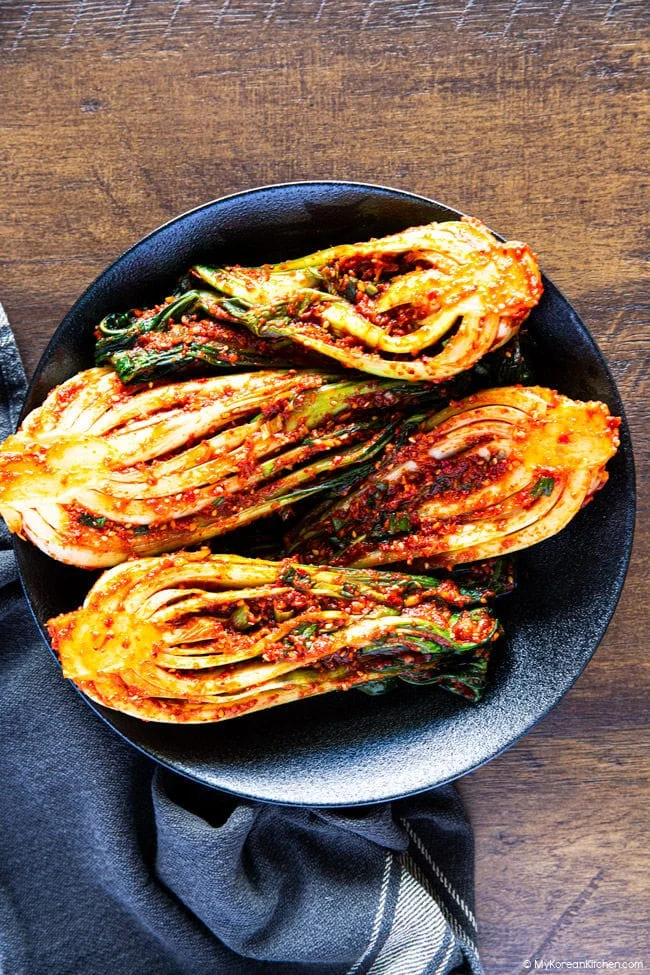
For many, the word "kimchi" immediately conjures images of the classic, long-fermented napa cabbage—the quintessential staple of the Korean table. However, within the diverse landscape of Korean fermentation, there exists a world of alternative kimchis that offer entirely different profiles of texture and flavor. Among these, bok choy kimchi has emerged as a beloved seasonal favorite, particularly for those who prize a crisp, fresh bite over the softer, more substantial structure of traditional cabbage.
Bok choy, with its succulent, fleshy stems and tender green leaves, provides a canvas for a style of kimchi that is decidedly its own. Unlike napa cabbage, which is prized for its ability to soften into a silky, complex preserve, bok choy remains remarkably crisp, offering a refreshing, clean mouthfeel that has drawn comparisons to celery.
The Evolution of the Fermented Harvest
The history of kimchi is intrinsically tied to the agricultural calendar. Traditionally, Korean households engaged in kimjang, the large-scale preparation of kimchi to last through the harsh winter months. While napa cabbage and Korean radish remain the primary vehicles for this tradition due to their long storage life, smaller-scale, seasonal kimchis were often crafted to utilize the immediate bounty of the garden.
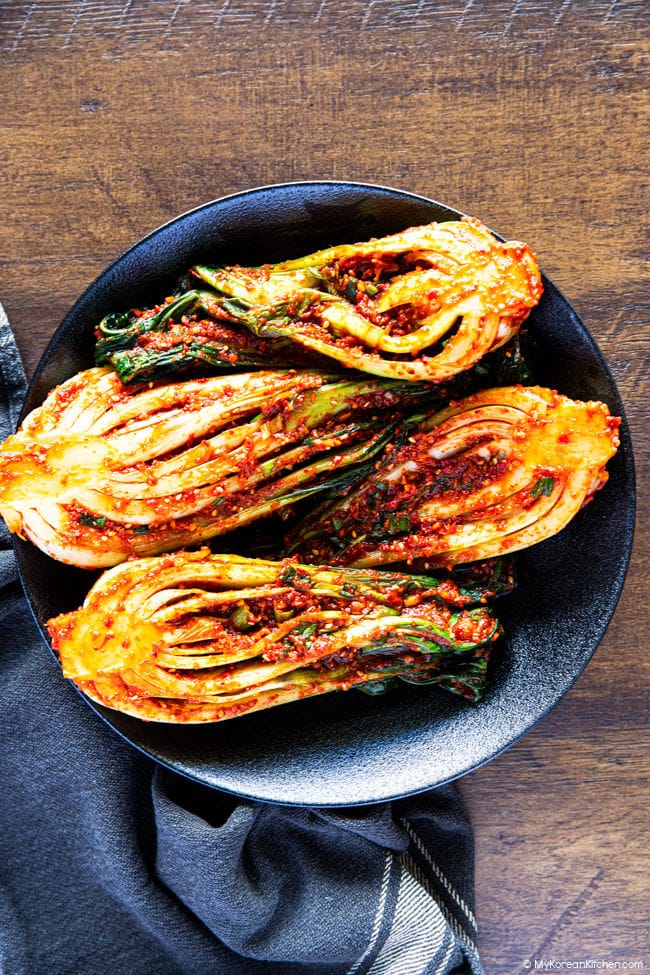
Bok choy, a member of the Brassica rapa family, is a versatile crop. When gardeners find themselves with a surplus of this verdant vegetable, the instinct to transform it into kimchi is not merely a culinary choice but a preservation strategy. Because bok choy grows rapidly and is readily available in many temperate climates, it has become a popular entry point for home cooks looking to diversify their fermentation repertoire.
A Chronology of Preparation: From Garden to Jar
Crafting the perfect batch of bok choy kimchi requires a methodical approach that respects the delicate nature of the vegetable. Unlike the rugged napa cabbage, bok choy is fragile and prone to bruising if handled with excessive force.
The Foundation: Preparation and Brining
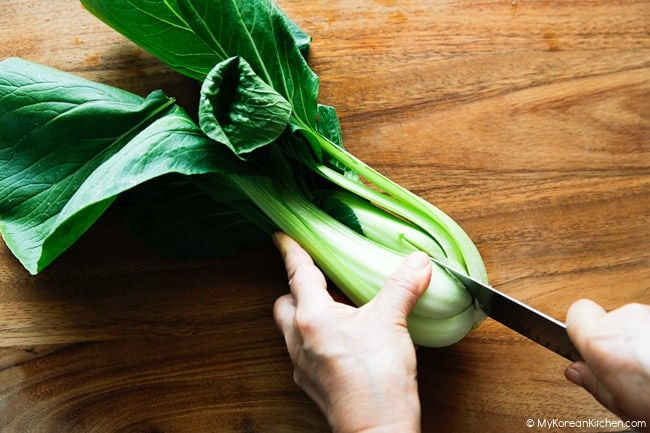
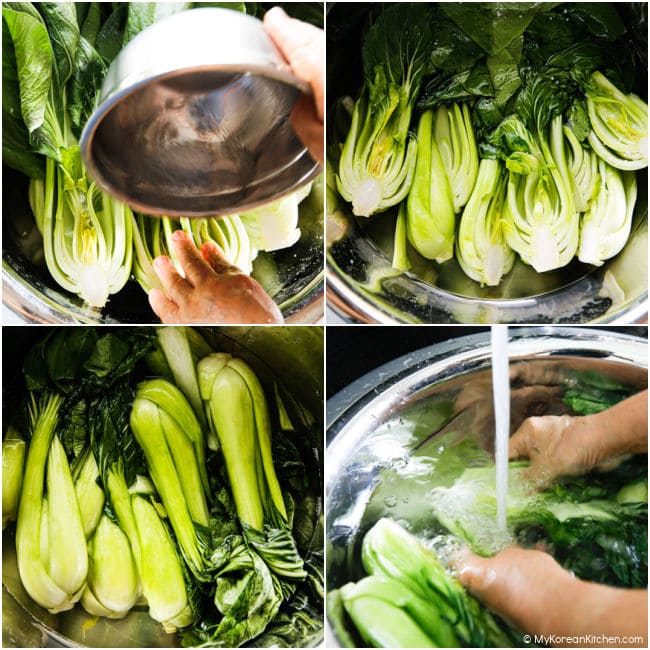
The process begins with the careful selection and cleaning of the bok choy. The root ends are trimmed only slightly, ensuring the leaves remain anchored to the base—a critical step for maintaining the structural integrity of the vegetable during the brining process. Each head is halved lengthwise, allowing for a thorough rinse. The base of the bok choy is a notorious trap for grit and garden soil, necessitating a diligent, leaf-by-leaf washing under cold running water.
Once cleaned, the brining phase commences. The vegetables are submerged in a saline solution. The duration of this step is highly dependent on the thickness of the stems; thick, firm stalks require up to 90 minutes of brining to ensure the salt penetrates the dense fiber, while thinner, more delicate specimens may only require an hour. Turning the vegetables two or three times during this window ensures uniform salting, which is essential for both flavor and preservation.
The Alchemy of Seasoning
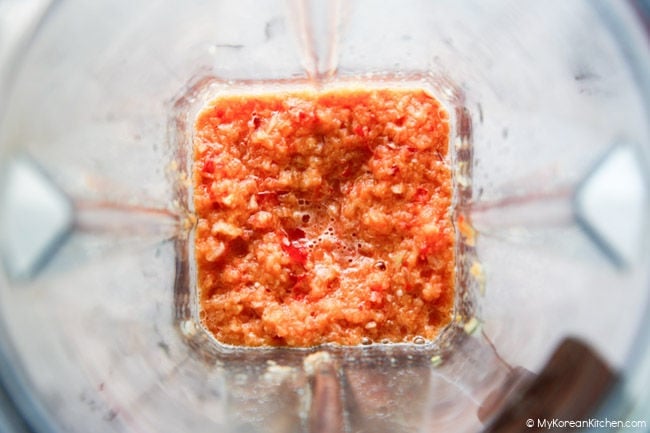
While the bok choy rests in its brine, the seasoning base is constructed. A blend of apple, garlic, ginger, salted shrimp, and fish sauce—the "umami trinity" of traditional kimchi—is pulsed in a blender to create a potent, aromatic paste. If one opts for the addition of red sweet pointed pepper, it is added in stages: half is blended for a smooth base, and the remainder is pulsed briefly to retain a rustic texture.
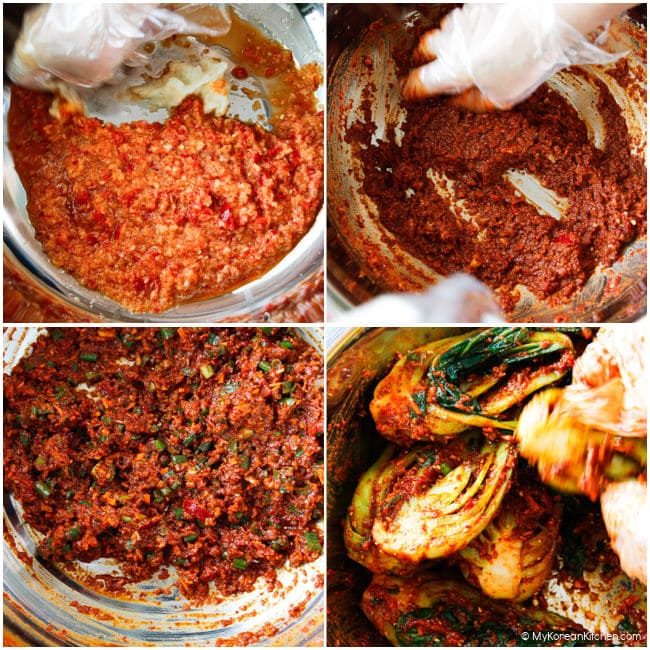
The seasoning is then bound together with a thin, porridge-like flour paste, which serves as a thickening agent, ensuring the spice mixture clings to the leaves rather than sliding off. Finally, the inclusion of Korean chili flakes (gochugaru), sugar, and sesame seeds completes the mixture.
The Marriage of Components
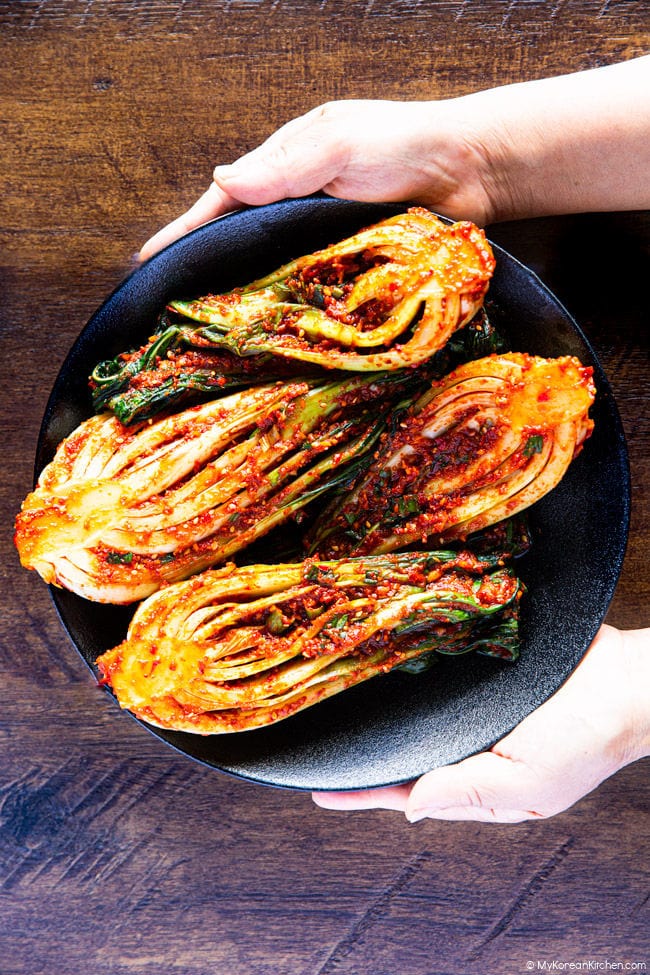
The final assembly requires a gentle touch. The brined, rinsed, and drained bok choy is added to the seasoning bowl and tossed with extreme care. The goal is to coat every crevice of the stalks without compromising the physical structure of the leaves. Once coated, the kimchi can be enjoyed immediately for a "fresh" experience, or transferred to an airtight container to undergo the magical process of lactic acid fermentation.
Supporting Data: The Science of the Spice
The nutritional profile of this dish is as impressive as its flavor. Bok choy is naturally high in vitamins A and C, as well as calcium and iron. The fermentation process not only preserves these nutrients but also introduces beneficial probiotics that support gut health.
According to nutritional estimates, a standard serving of homemade bok choy kimchi provides a significant boost of fiber and essential vitamins while remaining relatively low in fat. However, the sodium content, inherent to the brining process, is a factor to consider for those managing dietary restrictions.
Key Nutritional Snapshot (per serving):
- Calories: ~457 kcal (based on recipe volume)
- Fiber: 24g
- Vitamin C: 415mg
- Calcium: 1044mg
The use of gochugaru vs. paprika is a frequent point of discussion among enthusiasts. While paprika provides a beautiful, deep red hue and a mild, smoky undertone suitable for those with low spice tolerance, it lacks the complex, slightly sweet, and earthy punch of traditional gochugaru. Expert practitioners often suggest a blend of both for those seeking a "gateway" kimchi that honors the color of the original while tempering the heat.
Professional Perspectives on Culinary Adaptability
Culinary experts often emphasize that bok choy kimchi is designed to be eaten "young." While napa cabbage kimchi can be aged for months—or even years—in a kimchi-冷蔵庫 (kimchi refrigerator) to develop deep, sour, and funky notes, bok choy is best consumed within three to five days of preparation.
"The structural integrity of bok choy is the defining characteristic," notes one food consultant specializing in East Asian cuisine. "Because the water content in the stems is higher than that of napa cabbage, it loses its signature crispness if pushed too far into the fermentation cycle. It is a dish of the moment, meant to be enjoyed when the crunch is at its peak."
Implications: The Future of Home Fermentation
The rise in popularity of bok choy kimchi signals a broader trend in home cooking: the move toward hyper-seasonal, customized fermentation. As more home cooks gain confidence with traditional methods, they are increasingly experimenting with the vegetables available in their local markets.
This shift has significant implications for food waste reduction. By providing a delicious, high-value end-use for garden surpluses or "ugly" produce that might otherwise be discarded, recipes like this turn the chore of a harvest glut into a culinary advantage. Furthermore, the accessibility of these ingredients—many of which can now be found in standard grocery stores or local Asian markets—democratizes the art of fermentation, inviting a wider audience to participate in a practice that was once confined to professional kitchens or multi-generational households.
Ultimately, bok choy kimchi serves as a reminder that the culinary traditions of Korea are not static. They are living, breathing practices that adapt to the environment, the available ingredients, and the personal preferences of the maker. Whether served alongside a sizzling platter of samgyeopsal (pork belly) or tucked into a warm bowl of rice, this vibrant, crisp side dish offers a modern twist on an ancient art, proving that there is always room for innovation at the dinner table.
As you embark on your own fermentation journey, remember the golden rule of the kitchen: the best kimchi is the one that tastes right to you. Whether you go heavy on the garlic, adjust the heat with a touch of paprika, or experiment with the fermentation time, the process is one of discovery. The result is a healthy, delicious, and undeniably crunchy addition to your repertoire that challenges the traditional definition of kimchi while celebrating its soul.
 Raul Delapena Setiawan
  Asep Darmawan
  Nana Wu
